When it comes to exterior cladding, the choice of material can make or break a building's aesthetics, durability, and long-term performance. For architects, contractors, and property owners in regions like Saudi Arabia, where harsh climates test even the sturdiest materials, selecting between traditional options like brick and modern alternatives such as PU stone wall panels is more than a design decision—it's a strategic investment. In this guide, we'll dive deep into the world of exterior decoration materials, comparing PU stone wall panels and brick across key metrics, and explore what to look for in a reliable building material supplier to ensure your project stands the test of time.
Understanding the Basics: What Are PU Stone Wall Panels and Brick?
PU Stone Wall Panels: The Modern Contender
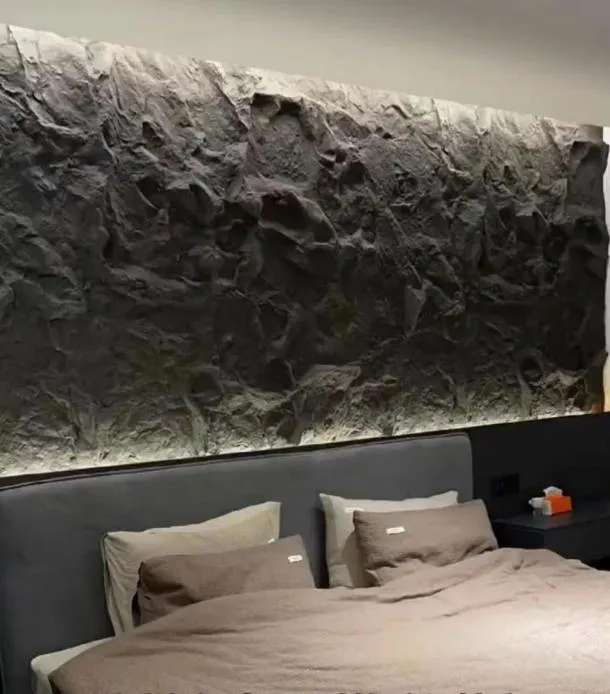
PU stone wall panels, short for polyurethane stone wall panels, are a newer player in the exterior cladding market, gaining traction for their versatility and performance. At their core, these panels consist of a lightweight polyurethane foam base infused with natural stone aggregates—think granite, marble, or limestone particles—bonded together with a durable resin coating. The result? A material that mimics the look and texture of natural stone but with a fraction of the weight and added flexibility.
Today's leading pu stone wall panel suppliers offer solutions tailored to diverse needs: from thin, flexible sheets ideal for curved surfaces to thicker, rigid panels designed for high-impact areas. Many also incorporate additives to enhance fire resistance (often achieving Class A ratings), UV protection to prevent fading, and moisture barriers to repel rain and humidity—features that make them particularly appealing for commercial and residential projects alike.
Brick: The Time-Tested Classic
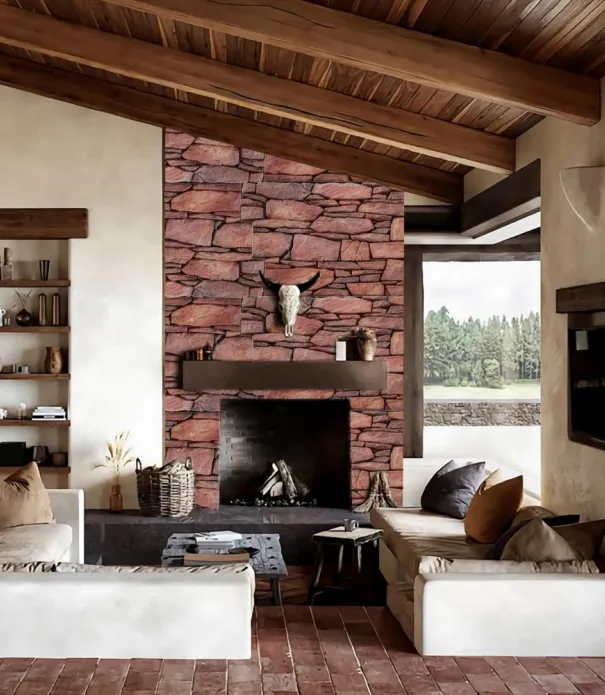
Brick, on the other hand, is a staple of construction with a history spanning millennia. Made from clay, concrete, or shale fired at high temperatures, bricks are prized for their inherent strength, fire resistance, and timeless aesthetic. Available in a range of colors (from earthy reds to muted grays) and textures (smooth, rough, or glazed), they've long been the go-to for projects aiming for a traditional, rustic, or heritage-inspired look.
While clay bricks remain the most common, modern variations like concrete bricks offer enhanced durability and lower costs, making them popular for large-scale commercial builds. Regardless of type, bricks are celebrated for their ability to withstand extreme temperatures, pests, and decay—qualities that have made them a trusted choice for exterior cladding in everything from cozy homes to historic landmarks.
Head-to-Head: PU Stone Wall Panels vs Brick
To truly understand which material is right for your project, let's break down the comparison across critical factors—from durability and installation to cost and sustainability. Whether you're working with a pu stone wall panel supplier or a brick supplier, these insights will help you align your choice with your project's goals.
|
Factor
|
PU Stone Wall Panels
|
Brick
|
|
Material Composition
|
Polyurethane foam core with stone aggregate coating; lightweight, flexible, and customizable.
|
Clay, concrete, or shale fired at high temperatures; dense, rigid, and heavy.
|
|
Weight
|
Typically 3–5 kg per square meter; lightweight enough for retrofit projects and structures with weight restrictions.
|
Clay bricks: ~2.5–3 kg each (10–15 kg per square meter); concrete bricks: up to 4 kg each (15–20 kg per square meter); requires sturdy structural support.
|
|
Durability
|
Resistant to cracks, warping, and moisture when properly sealed; lifespan of 20–30 years with minimal maintenance.
|
Inherently durable; clay bricks can last 100+ years but may require repointing every 20–30 years to fix eroded mortar.
|
|
Installation
|
Lightweight and easy to cut; can be installed with adhesive or mechanical fasteners; 2–3 workers can cover 100+ sqm per day.
|
Heavy and labor-intensive; requires skilled masons to lay mortar and align bricks; 1–2 workers may cover 20–30 sqm per day.
|
|
Cost (Material + Labor)
|
Higher upfront material cost ($20–$40 per sqm); lower labor costs due to faster installation; total ~$30–$50 per sqm.
|
Lower material cost ($10–$25 per sqm); higher labor costs due to time-intensive installation; total ~$40–$60 per sqm.
|
|
Aesthetics
|
Highly customizable; mimics natural stone, wood, or even metal; available in 100+ colors and textures.
|
Classic, earthy look; limited color/texture options (red, brown, gray); uniform appearance but less flexibility for modern designs.
|
|
Weather Resistance
|
Resistant to UV rays, salt spray, and temperature fluctuations; ideal for coastal or desert climates (e.g., Saudi Arabia).
|
Heat and fire-resistant but porous; may absorb moisture, leading to efflorescence (white salt deposits) in humid areas.
|
|
Sustainability
|
Low embodied carbon if made with recycled stone aggregates; polyurethane is not biodegradable but can be recycled in some cases.
|
High embodied carbon due to firing process; clay bricks are recyclable, but concrete bricks often end up in landfills.
|
Deep Dive: Key Factors Explored
Durability: Standing Up to the Elements
In regions like Saudi Arabia, where summer temperatures soar above 45°C and sandstorms abrasive, material durability is non-negotiable. PU stone wall panels, when sourced from a reputable pu stone wall panel supplier, are engineered to withstand these conditions. Their closed-cell polyurethane core resists moisture absorption, preventing mold growth and rot, while the stone aggregate coating shields against UV rays and physical impact. For example, a pu stone wall panel solution designed for coastal areas might include an extra layer of UV protection, ensuring the color doesn't fade even after years of direct sunlight.
Brick, too, holds its own in harsh climates. Clay bricks, fired at temperatures exceeding 1,000°C, are virtually fireproof and resistant to heat transfer, helping keep interiors cool. However, their porous nature can be a downside: in humid or rainy regions, water can seep into bricks, freeze (in colder climates), and cause cracking over time. In Saudi Arabia's arid climate, this is less of an issue, but mortar joints—often the weak link—still erode under wind-driven sand, requiring periodic maintenance.
Installation: Speed vs. Skill
Time is money in construction, and installation efficiency can drastically impact project timelines. PU stone wall panels shine here: their lightweight design eliminates the need for heavy lifting equipment, and most panels can be cut on-site with standard tools like a jigsaw or utility knife. A team of three workers, for instance, might install 150 square meters of PU panels in a single day—critical for tight deadlines or commercial projects where delays mean lost revenue.
Brick installation, by contrast, is a slow, deliberate process. Each brick must be individually placed, aligned, and mortared, requiring skilled masons with years of experience. For a 500-square-meter exterior, a brick crew might take 2–3 weeks, compared to 3–5 days for PU panels. This difference becomes even more pronounced for retrofit projects, where adding brick to an existing structure may require reinforcing the foundation—a costly and time-consuming step PU panels avoid.
Cost: Short-Term vs. Long-Term
At first glance, brick seems cheaper: material costs start at $10 per square meter, compared to $20 for PU panels. But when factoring in labor, the equation shifts. A pu stone wall panel supplier often includes basic installation guidance, and with faster labor times, the total cost (material + labor) for PU panels lands at $30–$50 per square meter. Brick, with its slower installation and need for skilled masons, often hits $40–$60 per square meter—making PU the more cost-effective choice for projects prioritizing speed.
Long-term costs tell a similar story. Brick requires repointing every 20 years (costing $5–$10 per square meter), while PU panels need only occasional cleaning with mild soap and water. In coastal areas, where saltwater can erode brick mortar faster, the gap widens further. For a 1,000-square-meter building, brick's 30-year maintenance costs could add $10,000–$15,000, whereas PU panels might add just $1,000–$2,000 for sealing or minor repairs.
Aesthetics: Tradition vs. Innovation
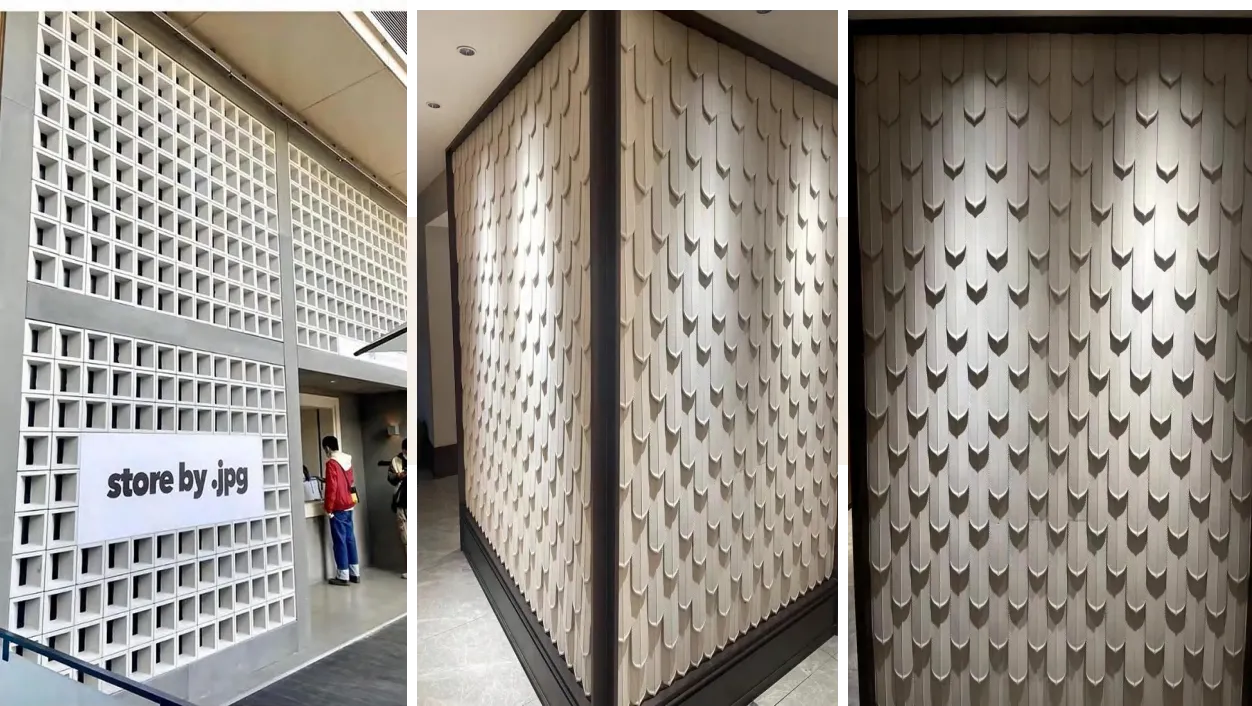
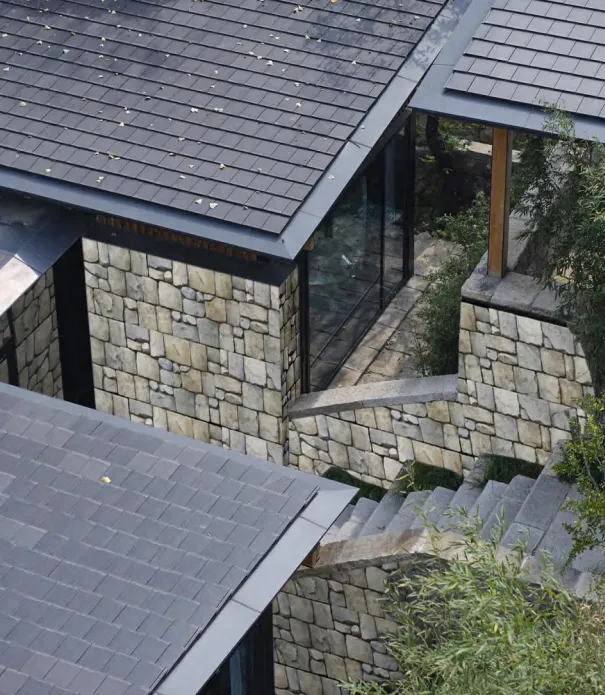
For heritage buildings or projects aiming for a classic, timeless look, brick is hard to beat. Its warm, earthy tones and tactile texture evoke a sense of permanence—think of historic mosques in Riyadh or traditional mud-brick homes in rural Saudi Arabia. But for modern designs, PU stone wall panels offer unrivaled flexibility. A top pu stone wall panel supplier can replicate the look of rare stones like Swiss stone or cloud stone, or even create custom textures for a one-of-a-kind facade. Want a sleek, minimalist exterior with the appearance of polished granite? PU panels deliver. Prefer a rugged, rustic vibe mimicking natural stone? They can do that too.
Architects increasingly opt for PU panels in commercial projects like hotels or office buildings, where unique facades set brands apart. A recent project in Jeddah, for example, used PU panels with a metallic finish to create a shimmering exterior that changes color with the sun—something impossible to achieve with brick.
Choosing the Right Supplier: What to Look For
Even the best material falls short if your supplier can't deliver quality, reliability, or support. Whether you're vetting a pu stone wall panel supplier or a brick supplier, these criteria will help you separate the leaders from the laggards.
-
Certifications:
Look for ISO 9001 (quality management) and fire safety certifications (e.g., Class A fire resistance for exterior use). Reputable suppliers will also provide test reports for weather resistance, UV stability, and impact strength.
-
Customization:
The best pu stone wall panel solutions include options for custom colors, textures, and sizes. Ask if they offer digital printing to match specific stone patterns or brand colors.
-
Technical Support:
Installation guidance is critical. A good supplier will provide 3D models, installation manuals, and on-site training for your crew to avoid costly mistakes.
-
Delivery Timelines:
In Saudi Arabia, where logistics can be challenging, choose a supplier with local warehousing or fast shipping from regional hubs (e.g., Dubai or Dammam) to avoid project delays.
What Makes a Reliable Brick Supplier Stand Out
-
Quality Control:
Ask about their manufacturing process—clay bricks should be fired at consistent temperatures to ensure uniform density. Reputable suppliers will share sample bricks for testing (e.g., compressive strength, water absorption).
-
Range of Products:
Look for suppliers offering multiple brick types (clay, concrete, glazed) and sizes to match your project's needs. Some may even offer custom colors for heritage restorations.
-
Mortar Expertise:
Brick performance depends on mortar quality. A good supplier will recommend mortar mixes tailored to your climate (e.g., high-strength mortar for coastal areas with salt exposure).
-
Sustainability Practices:
For eco-conscious projects, ask about recycled content in concrete bricks or energy-efficient firing processes for clay bricks.
In Riyadh, a property owner wanted to update the exterior of a 1980s apartment building without reinforcing the structure. The original walls couldn't support the weight of brick, so they turned to a local pu stone wall panel supplier. The supplier provided lightweight panels mimicking the look of traditional Saudi stone, with a Class A fire rating and UV protection for the harsh sun. Installation took just 10 days (vs. 6 weeks for brick), and the building now boasts a modern facade that's withstood five years of sandstorms with zero maintenance issues.
Case Study: Brick Supplier Saves a Heritage Project
When restoring a 100-year-old mud-brick fort in Najran, a contractor needed bricks matching the original's size, color, and texture. A specialized brick supplier worked with archaeologists to replicate the historic mud-brick recipe, using local clay and traditional firing techniques. The supplier also provided mortar made from lime and sand (instead of modern cement) to ensure compatibility with the original structure. Today, the fort stands as a testament to how a knowledgeable supplier can bridge tradition and preservation.
Final Verdict: Which Is Right for Your Project?
There's no one-size-fits-all answer—PU stone wall panels and brick each excel in different scenarios. For modern commercial buildings, coastal properties, or projects with tight deadlines, PU panels offer speed, flexibility, and lower long-term costs. For heritage buildings, rustic residential projects, or those prioritizing centuries-long durability, brick remains a timeless choice.
Ultimately, the decision comes down to balancing your project's budget, timeline, aesthetic goals, and climate. And remember: the best results come from partnering with a supplier who understands your needs—whether that's a pu stone wall panel supplier pushing the boundaries of innovation or a brick supplier honoring tradition with quality craftsmanship.
So, whether you're designing a sleek new office tower in Jeddah or restoring a historic home in Riyadh, take the time to weigh your options, vet your suppliers, and choose a material that will make your building shine—today, tomorrow, and for decades to come.













