

In an era where energy costs seem to climb every month and environmental sustainability is no longer a buzzword but a necessity, the quest for smarter, more efficient building materials has never been more critical. Homeowners, contractors, and businesses alike are on the hunt for solutions that don't just look good but also work hard to keep energy bills in check. While many focus on high-tech gadgets or solar panels, one of the most impactful changes you can make lies in the very structure of your walls. Enter PU stone wall panels: a revolutionary blend of natural aesthetics and cutting-edge insulation technology that's redefining how we think about building exteriors and interiors. As a trusted pu stone wall panel supplier , we've witnessed firsthand how these panels transform spaces—turning drafty rooms into cozy retreats and energy-guzzling buildings into havens. In this article, we'll explore why PU stone wall panels are becoming the go-to choice for energy-conscious builders, how they deliver exceptional thermal insulation, and the wide-ranging benefits they offer for both residential and commercial projects.
Let's start with the basics: PU stone wall panels aren't your average building material. Think of them as the Swiss Army knife of wall solutions—versatile, practical, and designed to solve multiple problems at once. At their core, these panels are a sophisticated composite of two key components: a thin, authentic stone veneer and a high-performance polyurethane (PU) foam core. The stone veneer, typically sliced from real granite, limestone, or travertine, gives the panels their timeless, natural look. The PU foam core, on the other hand, is the secret sauce—it's what makes these panels lightweight, flexible, and, most importantly, an insulation powerhouse.
The magic begins with the manufacturing process. First, natural stone is carefully quarried and precision-cut into ultra-thin sheets—so thin (usually 1-3mm) that they're flexible enough to bend slightly, yet thick enough to retain the stone's characteristic texture, color, and depth. These sheets are then bonded to a PU foam core using industrial-strength adhesives that ensure they stay firmly attached for decades. The PU foam itself is created through a chemical reaction that expands to form a dense network of closed cells—tiny pockets of air that act as barriers to heat transfer. The result is a panel that weighs just 4-6 kg per square meter (compared to 25-30 kg for solid stone), yet is surprisingly strong, resistant to impact, and virtually indistinguishable from natural stone at first glance.
But what truly sets these panels apart is their ability to merge form and function. Unlike traditional stone, which is heavy, expensive, and a poor insulator, or synthetic alternatives that lack authenticity, PU stone wall panels offer the best of both worlds. They're durable enough to withstand harsh weather, lightweight enough to simplify installation, and aesthetically versatile enough to complement any design style—from rustic cottages to modern high-rises. As a pu stone wall panel solutions provider, we often hear from clients that they were skeptical at first: "How can something so light look like real stone?" But once they see the panels up close, they're amazed by the realism. It's a game-changer for anyone who wants the beauty of stone without the hassle.
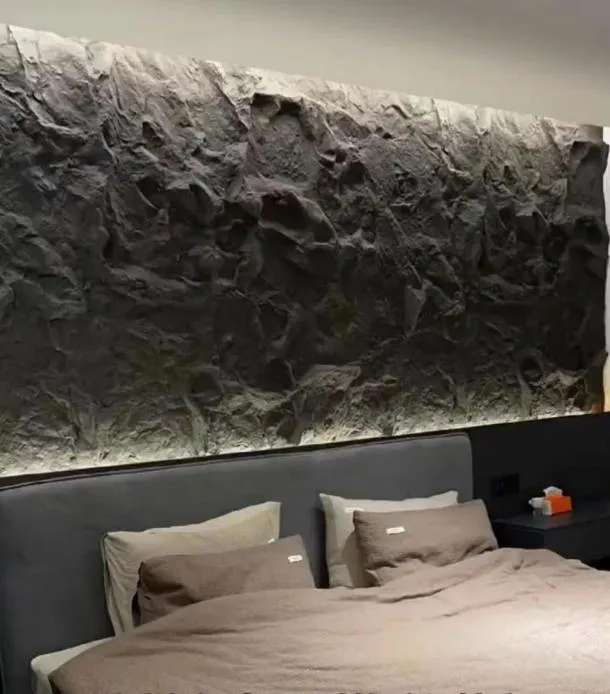
Now, let's dive into the star of the show: thermal insulation. Why are PU stone wall panels so effective at keeping heat in (or out)? It all comes down to the unique properties of polyurethane foam and its structure. To understand this, let's talk about thermal conductivity—the measure of how well a material allows heat to pass through it. The lower the thermal conductivity (measured in W/m·K), the better the insulation. For example, solid granite has a thermal conductivity of about 2.0 W/m·K, meaning it readily transfers heat. In contrast, PU foam has a thermal conductivity as low as 0.03 W/m·K—about 60 times more resistant to heat flow!
The secret lies in the closed-cell structure of the PU foam. Imagine millions of microscopic bubbles trapped within the material, each filled with air. Air is a poor conductor of heat, so these bubbles create a barrier that slows down the movement of heat from warm areas to cold ones. In winter, this means the heat generated by your furnace stays inside your home instead of seeping through the walls and escaping outside. In summer, it prevents hot outdoor air from penetrating into your cooled interior. The result is a space that maintains a consistent temperature with far less energy input.
To put this in practical terms, consider R-value—a measure of thermal resistance. The higher the R-value, the better the insulation. Most PU stone wall panels have an R-value of 4.5-5.0 per inch of thickness, which is significantly higher than common alternatives like brick (R-value ~0.8 per inch) or vinyl siding (R-value ~0.6 per inch). For a typical wall with 4 inches of insulation, that's an R-value of 18-20—more than enough to meet or exceed building codes in most regions. This translates directly to lower energy bills: a home with PU stone wall panels can reduce heating and cooling costs by 30-40% compared to one with traditional stone or uninsulated walls.
But thermal insulation isn't just about saving money—it's about comfort. Anyone who's lived in a home with poor insulation knows the frustration of cold walls in winter or hot spots in summer. PU stone panels eliminate these issues by creating a uniform thermal barrier. No more standing near a wall and feeling a chill, or avoiding certain rooms because they're too warm. Just consistent, even comfort throughout your space. It's a small change that makes a huge difference in daily life.
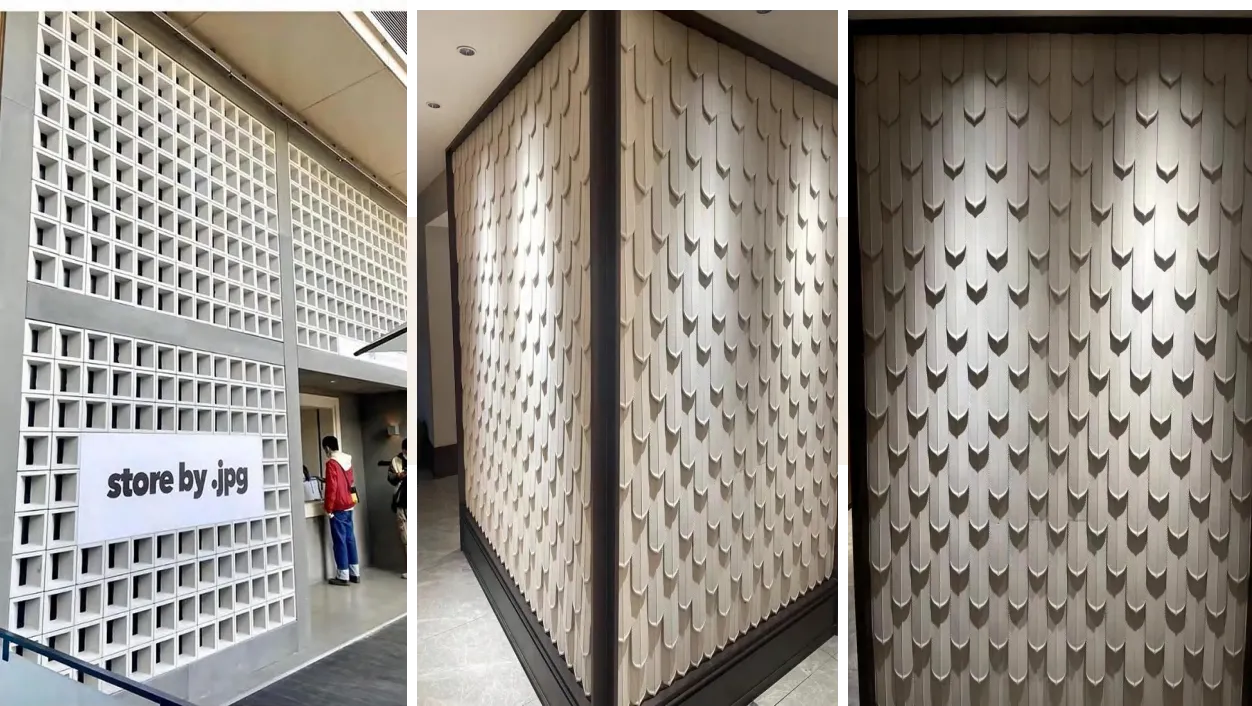
While thermal insulation is the headline benefit, PU stone wall panels offer a host of other advantages that make them a smart investment for any project. Let's break them down:
1. Energy Savings That Add Up : Let's crunch the numbers. The average U.S. household spends about $2,000 per year on energy, with heating and cooling accounting for roughly 50% of that ($1,000). If PU stone panels reduce heating and cooling costs by 35%, that's a savings of $350 per year. Over 10 years, that's $3,500—more than enough to offset the initial cost of the panels. For commercial buildings, the savings are even more dramatic. A small office building with 5,000 square feet of exterior walls could see annual savings of $2,000-$3,000, making the panels a no-brainer for budget-conscious facility managers.
2. Moisture and Mold Resistance : Traditional stone and brick walls are porous, meaning they absorb moisture from rain, humidity, or leaks. This trapped moisture can lead to mold growth, rot, and structural damage over time. PU stone wall panels, however, are inherently moisture-resistant. The closed-cell PU foam doesn't absorb water, and the stone veneer is sealed during manufacturing to prevent water penetration. This makes them ideal for humid climates, coastal areas, or spaces like basements and bathrooms where moisture is a concern. In fact, many homeowners in Florida and Louisiana have switched to PU stone panels specifically to combat mold issues in their old homes.
3. Easy Installation, Faster Results : Installing traditional stone walls is a labor-intensive, time-consuming process. It requires heavy equipment to transport the stone, skilled masons to cut and lay it, and weeks of work to complete. PU stone wall panels, by contrast, are lightweight and easy to handle. They can be cut with standard tools (a circular saw or jigsaw), glued or screwed to most wall substrates (wood, concrete, drywall), and installed by a small crew in a fraction of the time. A typical 100-square-foot wall that would take 3-4 days to finish with natural stone can be done in 1-2 days with PU panels. This not only saves on labor costs but also reduces disruption to your home or business during renovations.
4. Durability That Lasts Decades : When you invest in building materials, you want them to stand the test of time. PU stone wall panels are built to last. The stone veneer is resistant to fading, scratching, and chipping, while the PU foam core is impervious to pests (like termites) and rot. Most manufacturers offer warranties of 20-30 years, and many panels will last even longer with minimal maintenance. Compare that to vinyl siding, which may need replacement every 10-15 years, or painted wood, which requires repainting every 3-5 years. PU stone panels are a set-it-and-forget-it solution that keeps looking great year after year.
5. Environmental Friendliness : Reducing energy consumption isn't just good for your wallet—it's good for the planet. By cutting heating and cooling needs, PU stone wall panels lower your carbon footprint. Additionally, the manufacturing process uses less energy than quarrying and transporting natural stone, and the lightweight panels reduce fuel consumption during shipping. For eco-conscious builders and homeowners, this is a significant plus. Many of our clients who prioritize sustainability choose PU stone panels as part of a larger green building strategy, often pairing them with energy-efficient windows and flooring solutions from a trusted flooring supplier to maximize their environmental impact.
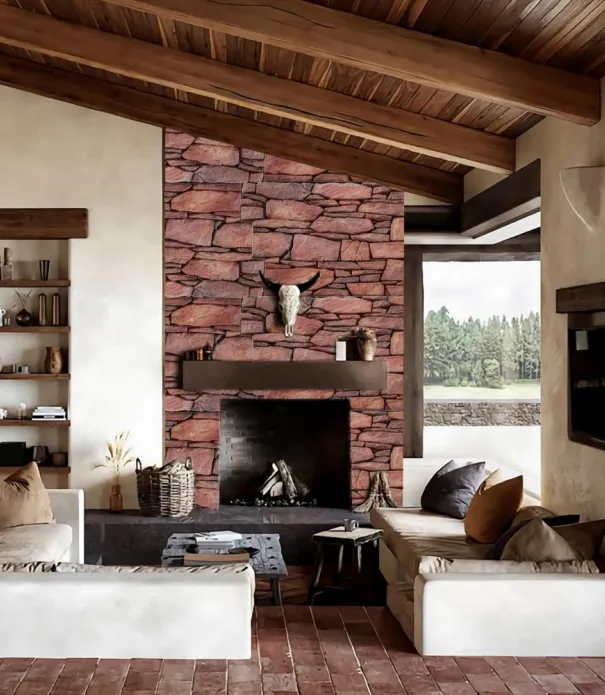
To truly appreciate the value of PU stone wall panels, it helps to see how they stack up against other popular wall materials. Let's take a look at how they compare in key areas like insulation, cost, installation, and durability:
| Material | Thermal Conductivity (W/m·K) | Installation Time (100 sqm) | Cost (USD/sqm) | Maintenance Needs | Est. Lifespan (Years) |
|---|---|---|---|---|---|
| PU Stone Wall Panels | 0.03-0.05 | 1-2 days | $45-65 | Low (occasional cleaning) | 25-30+ |
| Natural Stone (Granite/Marble) | 1.8-2.2 | 5-7 days | $90-150 | High (sealing every 2-3 years) | 50+ |
| WPC Wall Panels | 0.12-0.15 | 1-2 days | $35-50 | Medium (avoid prolonged moisture) | 15-20 |
| MCM Flexible Cladding | 0.10-0.13 | 3-4 days | $60-80 | Medium (clean with mild detergent) | 20-25 |
| Brick Veneer | 0.8-1.0 | 4-5 days | $50-70 | Medium (tuckpointing every 10-15 years) | 50+ |
As the table shows, PU stone wall panels outperform most alternatives in thermal conductivity, installation speed, and cost-effectiveness. While natural stone and brick have longer lifespans, they come with significantly higher upfront costs, more maintenance, and poor insulation. WPC panels are cheaper but offer less insulation and durability. MCM cladding is a closer competitor but still falls short in thermal performance and costs more than PU stone panels. For most homeowners and businesses, the balance of insulation, cost, and ease of installation makes PU stone panels the clear winner.
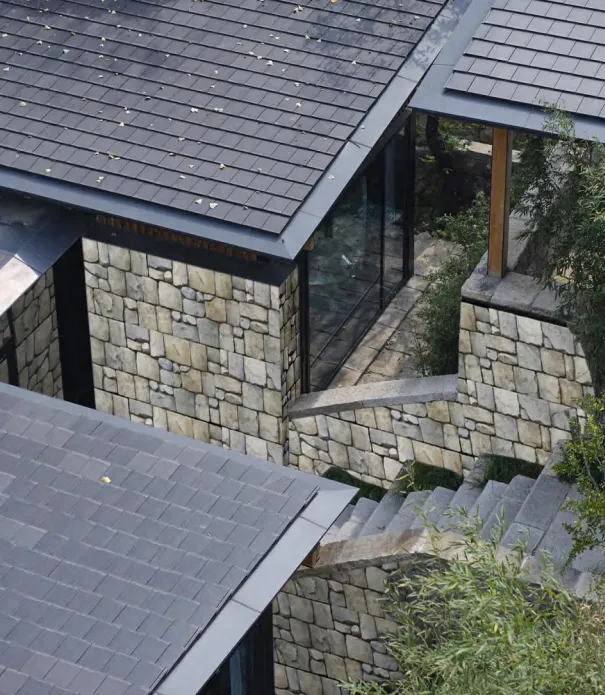
Numbers and specs tell part of the story, but real-world examples bring it to life. Here are a few stories from clients who've chosen PU stone wall panels and never looked back:
The Cozy Cottage Renovation : Sarah and Tom, homeowners in upstate New York, bought a 1920s cottage with charming but drafty stone walls. Their first winter, their heating bill averaged $400 per month—way beyond their budget. They considered adding insulation to the interior but didn't want to lose the character of the original stone. After consulting with a residential building materials supplier , they decided to install PU stone wall panels on the exterior. The panels, which mimicked the cottage's original fieldstone, were installed in just 3 days. That winter, their heating bill dropped to $260 per month—a 35% savings. "We were shocked by how much warmer the house feels," Sarah said. "Even on windy days, the walls stay toasty, and we don't have to crank the thermostat anymore."
The Coastal Restaurant Revamp : A seafood restaurant in Charleston, South Carolina, was struggling with two issues: high AC costs in summer and frequent damage to its exterior walls from saltwater spray. The owner wanted a material that could withstand the coastal climate while reducing energy use. Our team recommended PU stone panels with a weathered limestone finish that complemented the restaurant's beachy vibe. The panels were installed in a week, and the results were immediate: AC costs dropped by 28%, and after two hurricane seasons, the panels showed no signs of corrosion or fading. "We used to repaint the exterior every year because of salt damage," the owner told us. "Now, we just hose it down occasionally, and it looks brand new."
The Eco-Friendly Office Build : A tech startup in Portland wanted its new office to be LEED-certified, with a focus on sustainability and employee comfort. They chose PU stone wall panels for the exterior and paired them with energy-efficient windows and flooring solutions from a local flooring supplier . The result? The building uses 40% less energy than comparable offices in the area, and employees report higher satisfaction with the indoor temperature and noise levels (thanks to the panels' sound-absorbing properties). "Our team is more productive when they're comfortable," the CEO noted. "And the stone exterior gives the office a modern, professional look that clients love."
With PU stone wall panels growing in popularity, it's easier than ever to find a supplier—but not all suppliers are created equal. The quality of the panels, the range of options, and the level of support can vary dramatically, and choosing the wrong supplier can lead to disappointment down the line. So what should you look for in a pu stone wall panel supplier ?
First, prioritize quality materials. The best panels use high-grade stone veneer (not synthetic imitations) and dense, closed-cell PU foam with consistent insulation properties. Ask for samples and test reports—reputable suppliers will happily provide thermal conductivity data, fire resistance ratings, and durability test results. Avoid suppliers who can't or won't share this information.
Second, look for a wide range of styles and finishes. Every project has unique design needs, so a supplier with a diverse selection—from sleek modern granite to rustic stacked stone—gives you the flexibility to achieve your vision. Some suppliers even offer custom finishes, allowing you to match existing stone or create a one-of-a-kind look.
Third, seek out suppliers who offer support beyond just selling panels. This includes detailed installation guides, technical support, and even on-site training for contractors. Installing PU stone panels is relatively straightforward, but having access to expert advice can prevent costly mistakes. At our company, for example, we provide a dedicated project manager for large jobs and offer a 10-year warranty on installation when done by our certified partners.
Finally, consider sustainability. Look for suppliers who source stone responsibly, use eco-friendly adhesives, and minimize waste in manufacturing. Many pu stone wall panel solutions providers now offer panels made with recycled stone or low-VOC adhesives, aligning with green building goals.
In a world where every dollar and every watt counts, PU stone wall panels stand out as a smart, sustainable choice for anyone building or renovating. They offer the beauty of natural stone without the weight, cost, or energy inefficiency. They deliver tangible savings on heating and cooling bills, improve indoor comfort, and reduce environmental impact—all while requiring minimal maintenance and lasting for decades.
Whether you're a homeowner looking to upgrade your home's exterior, a contractor seeking efficient materials for a client, or a business owner aiming to reduce operating costs, PU stone wall panels are worth considering. They're not just a building material—they're an investment in comfort, savings, and style that pays off every day.
As a leading pu stone wall panel supplier , we're proud to be part of this revolution in building technology. We've seen the difference these panels make in people's lives—from families who can finally afford to heat their homes to businesses that can reinvest energy savings into growth. If you're ready to transform your space with walls that work as hard as you do, we're here to help. Contact us today to explore our range of pu stone wall panel solutions and take the first step toward a more efficient, comfortable, and beautiful building.
Recommend Products











