

In the heart of the Middle East, Saudi Arabia's construction landscape is undergoing a transformation unlike any other. From the towering skylines of Riyadh to the coastal developments of Jeddah, and the futuristic visions of NEOM, the kingdom is building for the future at an unprecedented pace. But behind every groundbreaking project lies a critical challenge: accessing high-quality, reliable building materials that can keep up with tight deadlines, local regulations, and the unique demands of Saudi Arabia's climate. For architects, contractors, and developers, the search for a trusted partner—a Saudi Arabia building materials supplier that understands both global standards and local needs—has become more important than ever. Today, we're diving into how one company is addressing this need, with a focus on a game-changing product: PU stone wall panels. As a one-stop architectural solution provider , they're not just delivering materials—they're delivering peace of mind, speed, and innovation to projects across the kingdom.
When we think about buildings, we often focus on grand designs or iconic facades. But the unsung heroes of any structure are its walls. They do more than just divide space—they insulate, protect, and define a building's character. In Saudi Arabia, where temperatures can soar above 50°C in summer and drop sharply at night, walls play an even more critical role: they must withstand extreme heat, sandstorms, and humidity while maintaining energy efficiency. For interior spaces, walls set the tone for comfort and aesthetics, whether it's a luxury hotel lobby, a bustling office, or a cozy residential home. Exterior walls, meanwhile, are the first line of defense against the elements and the first impression of a building's identity.
This is where walls solutions become more than just products—they're strategic tools. Architects and contractors need materials that balance durability with design flexibility, compliance with local building codes, and ease of installation. And in a market where delays can cost millions, they need these materials to arrive on time, every time. That's why the shift toward innovative wall systems—like PU stone wall panels—has been so significant. These panels aren't just a trend; they're a response to the unique pressures of building in Saudi Arabia.
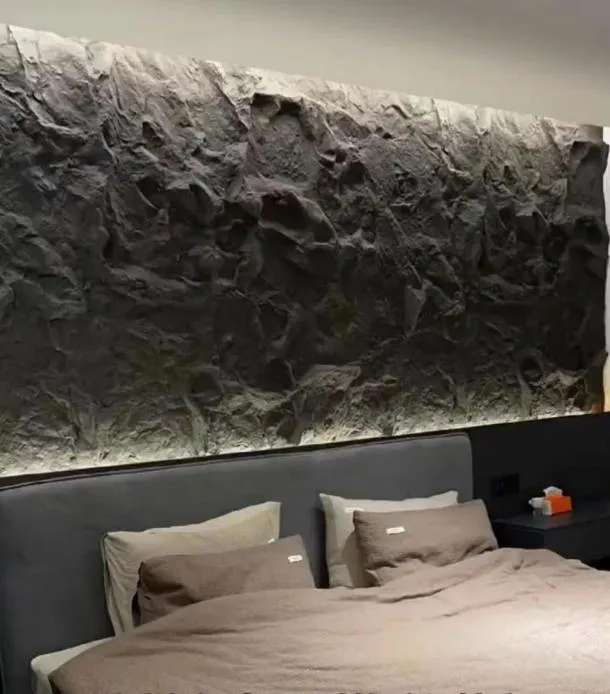
Let's start with the basics. PU stone wall panels—short for polyurethane stone wall panels—are engineered cladding materials designed to mimic the look and texture of natural stone, but with a host of advantages that make them ideal for modern construction. Unlike traditional stone, which is heavy, brittle, and labor-intensive to install, PU stone panels are lightweight, flexible, and surprisingly durable. They're made by combining polyurethane resin with mineral fillers and pigments, creating a material that captures the elegance of natural stone (think granite, limestone, or travertine) without the drawbacks.
But what truly sets PU stone panels apart is their versatility. They're used for both interior decoration materials and exterior decoration materials , adapting seamlessly to residential, commercial, and hospitality projects. Whether you're designing a sleek restaurant facade or a warm living room accent wall, PU stone panels offer the aesthetic appeal of natural stone with the practicality modern projects demand. And as a PU stone wall panel supplier with deep roots in Saudi Arabia, this company has tailored its PU stone wall panel solutions to meet the specific needs of the kingdom's builders.
Let's break down why PU stone wall panels have become a go-to choice for contractors and architects in Saudi Arabia. It's not just about looks—though they certainly deliver on that front. It's about solving real problems that plague local projects.
Natural stone can weigh upwards of 200 kg per square meter, requiring heavy machinery, reinforced structures, and teams of workers to install. PU stone panels? They weigh as little as 8 kg per square meter. That means they can be installed by a small crew with basic tools, cutting labor costs and installation time by up to 50%. For projects racing to meet deadlines—like the fast-tracked developments in Riyadh or the hospitality projects gearing up for Saudi Arabia's growing tourism sector—this speed is invaluable. Plus, the reduced weight puts less strain on a building's structure, opening up design possibilities that might have been impossible with traditional stone.
Saudi Arabia's climate is no joke. Blistering heat, sandstorms, and occasional heavy rains can take a toll on building materials. PU stone panels are engineered to stand up to these conditions. They're UV-resistant, so they won't fade in the harsh sun. They're waterproof, preventing moisture from seeping in and causing damage. And unlike natural stone, they don't crack or chip easily under thermal expansion—a common issue in regions with extreme temperature swings. For exterior walls, this durability translates to lower maintenance costs over time, a key consideration for long-term projects like hospitals, schools, or commercial complexes.
One of the biggest complaints about synthetic wall materials is that they look "fake." Not PU stone panels. Thanks to advanced molding techniques, these panels capture the intricate details of natural stone—from the veining in marble to the rough texture of granite—with stunning accuracy. They're available in a range of colors, finishes, and sizes, making them adaptable to any design vision. Want a rustic, earthy look for a villa in Al Khobar? Or a sleek, modern facade for a tech office in Dammam? PU stone panels can do both. And because they're lightweight, they can be curved or shaped to create unique architectural features, like arched doorways or accent walls, that would be cost-prohibitive with natural stone.
Let's talk numbers. Natural stone is expensive—not just to buy, but to transport, cut, and install. PU stone panels, by contrast, are more affordable upfront, and their lightweight design reduces shipping costs (critical in a country where many materials are imported). Installation is faster, so labor costs drop. And because they're low-maintenance, long-term expenses like repairs and replacements are minimized. For developers working within tight budgets—whether on residential towers or commercial plazas—these savings can make or break a project's profitability.
Sustainability is no longer a buzzword in Saudi Arabia—it's a mandate. With Vision 2030 emphasizing environmental stewardship, projects are under increasing pressure to reduce their carbon footprint. PU stone panels align with this goal in several ways. First, they require less energy to produce than natural stone, which often involves quarrying and heavy processing. Second, their lightweight nature reduces fuel consumption during transportation. Third, many PU panels are recyclable, and some are made with eco-friendly additives. For developers aiming to meet LEED or Estidama certifications, choosing sustainable materials like PU stone panels is a step in the right direction.
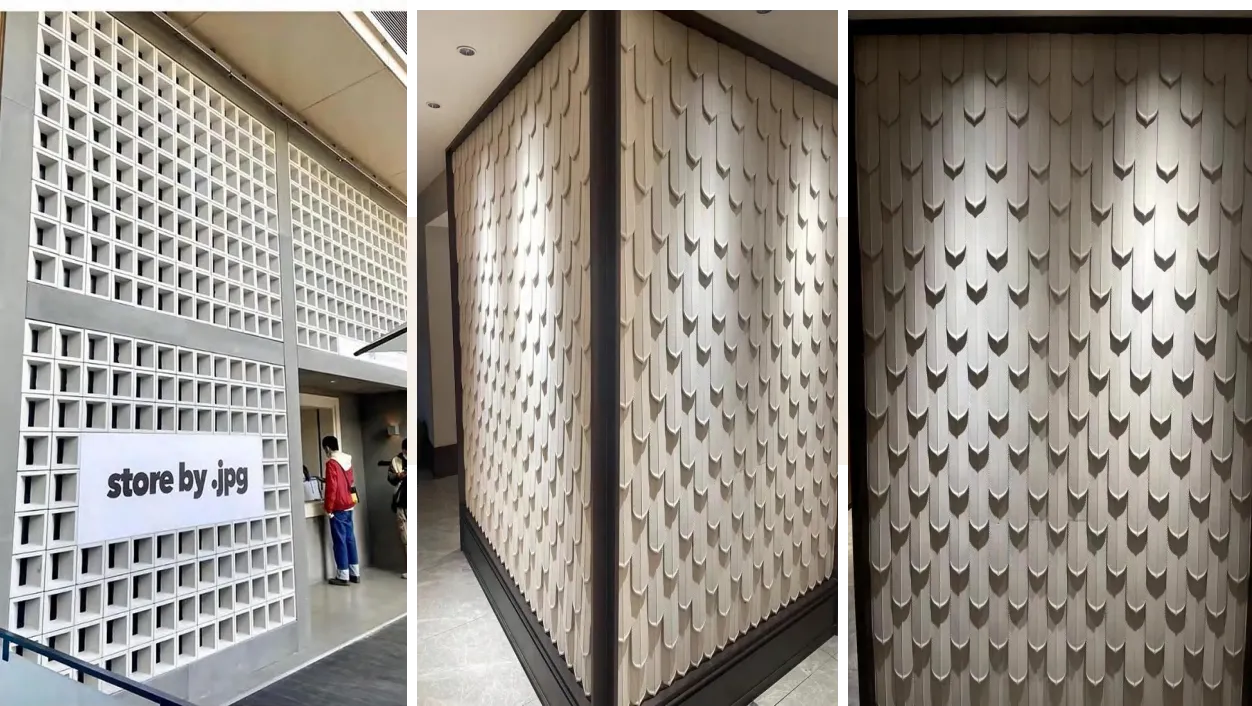
So, PU stone wall panels sound great—but why not just import them from overseas? Here's the thing: in construction, time is money. And importing materials from Europe, Asia, or the Americas can mean lead times of 8–12 weeks, not to mention the risks of delays at customs, shipping disruptions, or mismatched specifications. For a Saudi Arabia building materials supplier with a local distribution network, the game changes entirely.
This company has invested in strategically located warehouses across the kingdom—in Riyadh, Jeddah, Dammam, and Medina—stocked with a wide range of PU stone wall panel solutions and other building materials. This means that when a contractor in Jeddah needs 500 square meters of PU stone panels for a hotel project, they can have them delivered within 48 hours, not 48 days. No more waiting for shipments to clear customs. No more worrying about weather-related delays at sea. Just fast, reliable access to the materials they need, exactly when they need them.
But local distribution isn't just about speed. It's about understanding the local market. Saudi Arabia has strict building codes—from fire safety standards to energy efficiency requirements—that imported materials may not always meet. As a local supplier, this company ensures that all its products, including PU stone panels, are tested and certified to comply with Saudi standards (like SASO, the Saudi Arabian Standards Organization). This compliance saves contractors from costly rework or project delays due to non-compliant materials. It also means they can provide on-the-ground technical support, with teams that speak the language (literally and figuratively) and can assist with installation questions or troubleshooting.
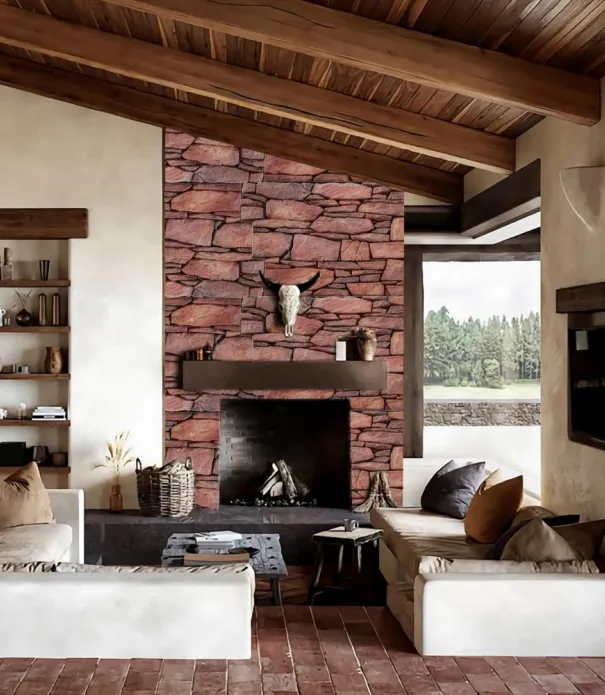
While PU stone wall panels are a star product, what truly sets this supplier apart is its role as a one-stop architectural solution provider . Construction projects rarely need just one type of material. A hotel, for example, might require exterior wall panels, interior flooring, ceiling systems, and even plumbing fixtures. Coordinating with multiple suppliers for these items is a logistical nightmare—different lead times, varying quality standards, and disjointed customer service. This company simplifies the process by offering a comprehensive range of products, all under one roof.
Let's take a closer look at some of their other walls solutions and materials, designed to complement their PU stone panels:
For projects that demand the look of natural stone with even greater flexibility, MCM flexible cladding stone wall panel solutions are a perfect fit. MCM (Metal Composite Material) panels are lightweight, weather-resistant, and can be bent or shaped to create dynamic, curved facades—ideal for modern commercial buildings or cultural centers.
Indoors, bamboo charcoal board wall panel solutions are gaining popularity for their eco-friendly properties and natural beauty. Bamboo charcoal has natural deodorizing and moisture-absorbing qualities, making it a great choice for residential spaces, hotels, or hospitals where air quality is a priority. Plus, bamboo is a sustainable resource, aligning with Saudi Arabia's green building goals.
For high-safety environments like hospitals, schools, or airports, Class A fireproof CPL inorganic board solutions are non-negotiable. These boards are fire-resistant, moisture-proof, and easy to clean—critical features for spaces that prioritize safety and hygiene. They're also available in a range of colors and patterns, proving that safety doesn't have to compromise style.
The company's product lineup extends far beyond walls. They offer flooring solutions (from durable WPC flooring to elegant terrazzo tiles), ceiling solutions (including acoustic panels for noisy offices or schools), and even specialized materials like porcelain slab tiles for walls —large-format tiles that create seamless, modern surfaces with minimal grout lines. For contractors, this means fewer vendors to manage, consistent quality across materials, and the ability to negotiate bulk pricing—a win-win for everyone involved.
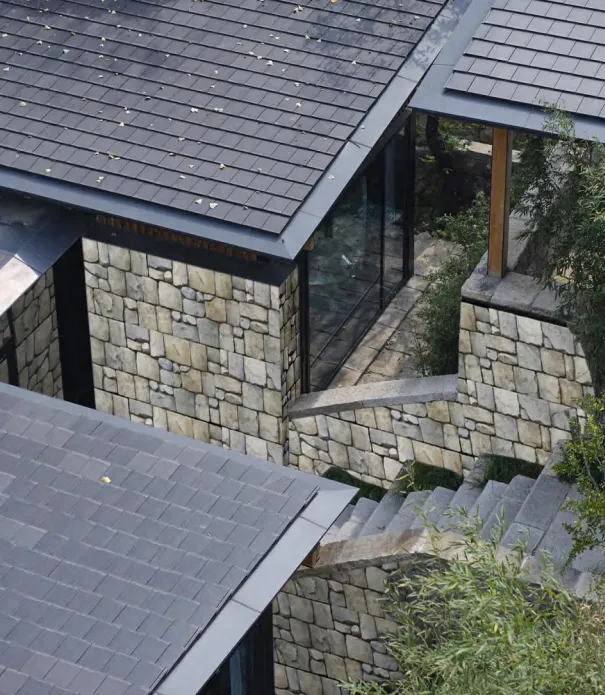
To truly understand the value of PU stone wall panels, it helps to see how they compare to other common wall materials used in Saudi Arabia. Let's take a look at a side-by-side comparison:
| Feature | PU Stone Wall Panels | Natural Granite | WPC Wall Panels | MCM Cladding |
|---|---|---|---|---|
| Weight (kg/m²) | 8–12 | 180–220 | 15–20 | 5–8 |
| Installation Time | Fast (2–3 days/100m²) | Slow (5–7 days/100m²) | Moderate (3–4 days/100m²) | Fast (2–3 days/100m²) |
| Weather Resistance | Excellent (UV, heat, moisture) | Good (but prone to cracking in heat) | Good (but may fade in UV light) | Excellent (UV, corrosion-resistant) |
| Cost (per m²) | Moderate ($40–$60) | High ($100–$150) | Moderate ($35–$50) | High ($70–$90) |
| Design Flexibility | High (many finishes, can be curved) | Low (limited by natural stone slabs) | Moderate (wood-look finishes) | High (custom colors, shapes) |
| Sustainability | Good (recyclable, low energy production) | Low (quarrying impact, high transport emissions) | Good (recycled materials) | Moderate (metal recycling, but energy-intensive production) |
| Fire Rating | Class B (some models Class A) | Class A (non-combustible) | Class B (varies by product) | Class A (metal core) |
As the table shows, PU stone panels strike a balance that's hard to beat: they're lighter and more affordable than natural granite, more design-flexible than WPC, and more cost-effective than MCM cladding. For most projects in Saudi Arabia—where speed, cost, and durability are top priorities—they offer the best of all worlds.
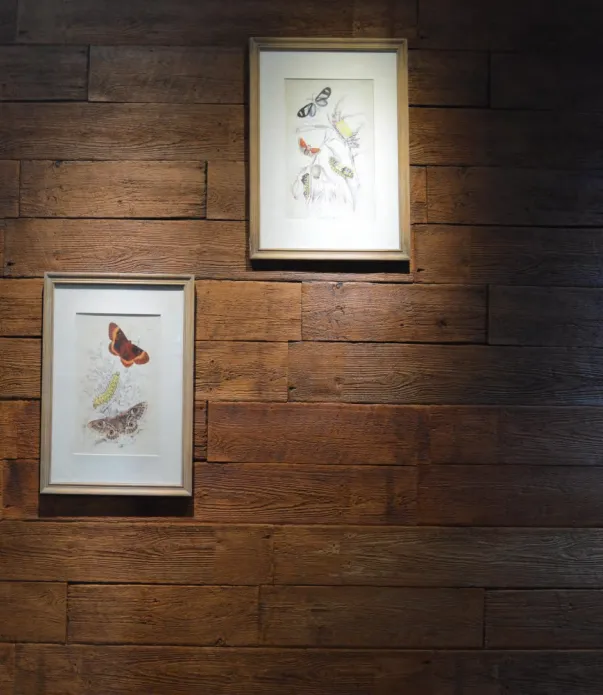
Let's take a step back from the specs and talk about real projects. In Riyadh's King Abdullah Financial District (KAFD), a luxury hotel was facing a dilemma: the design called for a stone facade that would stand out among the district's modern buildings, but the construction timeline was tight—just 18 months from groundbreaking to opening. The contractor initially considered natural limestone, but the weight would require reinforcing the building's structure, adding months to the schedule and millions to the budget.
Enter PU stone wall panels. The supplier provided custom-colored panels that mimicked the look of the limestone the architects wanted, but with a fraction of the weight. Installation took just 6 weeks, compared to the 12 weeks projected for natural stone. The hotel opened on time, and guests often comment on the "stunning stone facade"—unaware it's actually PU. For the developer, this translated to saved time, reduced costs, and a final product that exceeded design expectations.
Another example: a residential complex in Jeddah, aimed at young families, wanted to create a warm, inviting exterior that felt both modern and rooted in Saudi culture. The design team chose PU stone panels in earthy tones, arranged in a pattern inspired by traditional Najdi architecture. The lightweight panels allowed for faster construction, with the entire complex's exterior walls completed in 3 months instead of the projected 6. Homebuyers were drawn to the unique, culturally resonant design, and the development sold out within weeks of launch.
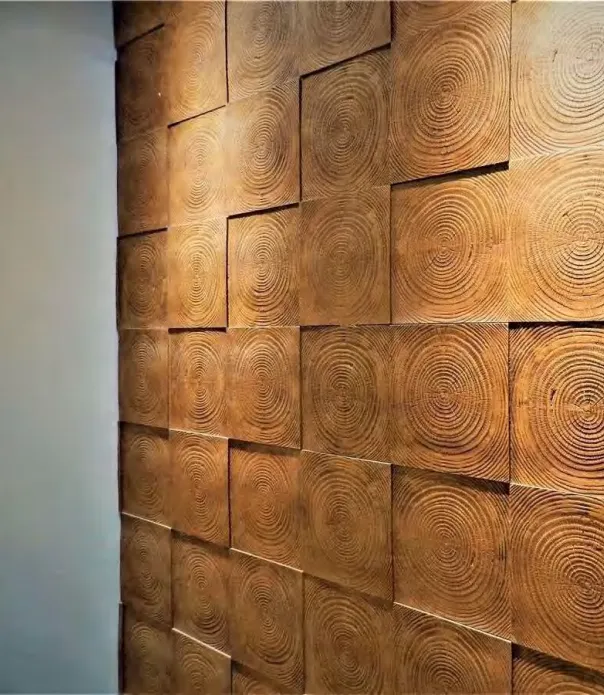
The future of construction in Saudi Arabia is bright—and so is the future of materials like PU stone wall panels. As the kingdom continues to invest in megaprojects (from Qiddiya to the Red Sea Project), the demand for innovative, sustainable, and fast-track building solutions will only grow. This supplier is already looking ahead, investing in R&D to improve PU stone panels even further—whether through enhanced fire resistance, better thermal insulation, or new finishes that mimic rare natural stones.
They're also expanding their product range to meet emerging trends, like the growing demand for biophilic design (bringing nature into built spaces) and smart materials that can interact with a building's systems (like self-cleaning or energy-generating surfaces). As a one-stop architectural solution provider , they're positioning themselves to be at the forefront of these innovations, ensuring that Saudi projects have access to the latest and greatest in building technology.
At the end of the day, construction is about trust. Trust that the materials will arrive on time, meet the required standards, and perform as promised. For projects in Saudi Arabia, this supplier has earned that trust by combining global-quality products with local expertise. As a Saudi Arabia building materials supplier with a focus on innovation, they offer:
For architects, contractors, and developers in Saudi Arabia, the message is clear: when it comes to building materials—especially critical components like wall panels—you don't have to choose between quality, speed, and cost. With the right partner, you can have all three. And in a market as competitive and fast-paced as Saudi Arabia's, that's the difference between a project that meets expectations and one that exceeds them.
In the end, buildings are more than just structures—they're the backdrop of our lives, the spaces where we work, live, and connect. The materials that go into them matter. And for those building the future of Saudi Arabia, having a trusted PU stone wall panel supplier and one-stop architectural solution provider isn't just a convenience—it's a necessity. So, whether you're breaking ground on a new project or looking to upgrade your current supplier, consider the difference that local expertise, innovative products, and a commitment to excellence can make. Your project deserves nothing less.
Recommend Products











