

Walk into any modern construction site or renovation project today, and you'll likely hear a common buzzword: pu stone wall panel solutions . Once upon a time, when architects, contractors, or homeowners thought of "stone walls," their minds went straight to heavy, quarry-extracted materials like granite or marble—products that came with back-breaking installation, sky-high costs, and limited design flexibility. But as the building materials industry evolves, a new player has emerged: the pu stone wall panel supplier . These suppliers aren't just selling a product; they're offering a rethink of what stone walls can be. But how do they stack up against traditional stone suppliers? Let's dive in.
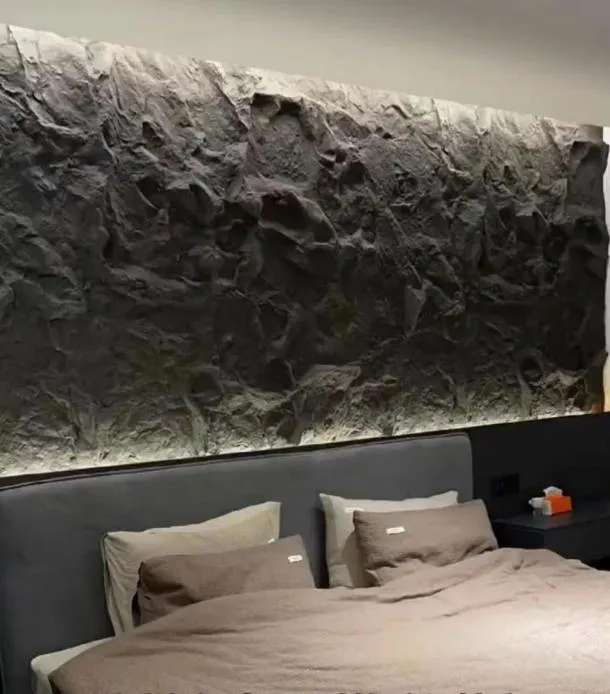
Before we compare, let's get clear on what we're talking about. PU stone wall panels—short for polyurethane stone wall panels—are engineered composite materials designed to mimic the look and texture of natural stone. Unlike traditional stone, which is mined from the earth, PU panels are created in factories by blending polyurethane resin with mineral fillers, pigments, and additives. The result? A lightweight, durable panel that looks almost identical to real stone but behaves very differently.
A pu stone wall panel supplier doesn't just churn out generic panels, either. They specialize in pu stone wall panel solutions —tailoring products to specific project needs. Need a panel that can withstand coastal humidity? They'll adjust the formula for better water resistance. Want a panel that looks like aged limestone for a heritage-style home? They'll tweak the pigments and texture. It's a far cry from the one-size-fits-all approach of many traditional stone suppliers, who often sell whatever slabs come out of the quarry that day.
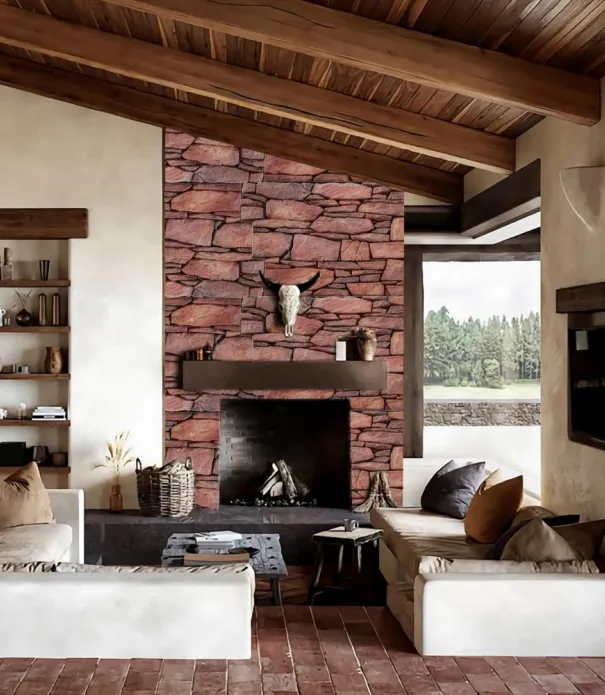
Traditional stone suppliers have been around for centuries, and for good reason. Natural stone—think granite, marble, travertine, or sandstone—has an undeniable allure. It's timeless, durable, and carries a sense of luxury that's hard to replicate. These suppliers source raw stone from quarries worldwide, cut it into slabs or tiles, and sell it to builders, architects, or homeowners. Their "solutions" often boil down to providing the stone itself, leaving installation, customization, and problem-solving up to the buyer.
But here's the catch: natural stone comes with significant limitations. It's heavy—granite, for example, weighs around 18-20 pounds per square foot. That means structural support is a must, adding costs to foundation and framing work. It's also brittle; a single wrong cut during installation can ruin an entire slab. And let's not forget the environmental impact: quarrying disrupts ecosystems, and transporting heavy stone over long distances leaves a massive carbon footprint.
To really understand the gap between these two types of suppliers, let's break down their offerings across key categories. This isn't just about "new vs. old"—it's about how each approach solves (or fails to solve) the real-world challenges of modern construction.
Walk into a pu stone wall panel supplier 's factory, and you'll find a controlled environment where every panel is made to exact specifications. The polyurethane base is mixed with minerals to add strength, pigments for color, and sometimes fiberglass for extra reinforcement. The mixture is poured into molds—often created from 3D scans of real stone—to replicate textures like rough-hewn granite or smooth marble. The result? Panels that are consistent in size, weight, and appearance. No two natural stone slabs are identical, which can be a headache for projects needing uniform walls. With PU panels, what you see in the sample is what you get across the entire batch.
Traditional stone suppliers, on the other hand, are at the mercy of nature. A quarry might yield a batch of marble with subtle pink veins one month and gray veins the next. While some designers love this uniqueness, it can derail timelines when a project requires matching slabs. Worse, natural stone often has hidden flaws—cracks, fissures, or uneven density—that only reveal themselves during installation, leading to wasted material and delays.
Let's talk about the elephant in the room: weight. A typical PU stone wall panel weighs just 2-4 pounds per square foot—less than a quarter of the weight of natural stone. This changes everything. For installers, it means no need for cranes, forklifts, or teams of laborers to hoist slabs into place. A single worker can carry and mount a PU panel with basic tools, cutting installation time by 50% or more. For contractors, that translates to lower labor costs and faster project turnover.
Traditional stone installation, by contrast, is a logistical nightmare. Even a small 2x3-foot granite slab can weigh over 100 pounds. Installing it requires specialized equipment, reinforced scaffolding, and skilled masons who know how to handle the material without breaking it. In high-rise buildings, the structural load of natural stone walls can even require upgrading the building's foundation—a cost that often catches clients off guard.
Take, for example, a recent renovation project in Riyadh, where a client wanted to update their apartment's exterior with a stone-like finish. A traditional stone supplier quoted them 10 days of installation, requiring a crane and a crew of 4. The pu stone wall panel supplier they ultimately chose finished the job in 3 days with just 2 workers—no crane needed. The client saved on labor and avoided disrupting their neighbors for a week.
At first glance, natural stone might seem comparable in price to PU panels. A square foot of mid-grade granite might cost $15-20, while PU panels can range from $10-18. But here's where traditional stone suppliers leave clients holding the bag: the "sticker price" is just the start. Factor in transportation (heavy stone costs more to ship), structural reinforcements, specialized labor, and waste (up to 20% of natural stone is wasted during cutting and installation), and the total cost can jump to $30-40 per square foot.
PU stone wall panels, by contrast, have lower hidden costs. Their lightweight design slashes shipping fees. No structural upgrades are needed. Installation is faster and requires fewer workers. And because panels are made to order, waste is minimal—usually less than 5%. For a 1,000-square-foot project, that could mean savings of $10,000 or more with a pu stone wall panel supplier .
Critics often ask: "Is PU stone as durable as real stone?" The answer depends on the use case. Natural stone is undeniably tough—it can last centuries in historic buildings. But it's also porous. Marble, for example, stains easily from spills, and granite needs regular sealing to prevent water damage. In humid climates or high-traffic areas, traditional stone walls can require yearly maintenance, adding long-term costs.
PU stone wall panels, on the other hand, are engineered for low maintenance. Most are water-resistant, stain-proof, and UV-stable—meaning they won't fade in sunlight. They're also flexible, which helps them withstand minor impacts without cracking (a common issue with brittle natural stone). A quick wipe with soap and water is usually all it takes to keep them looking new. In coastal areas, where saltwater can erode natural stone, PU panels are becoming the go-to choice for their resistance to corrosion.
That said, natural stone still has the edge in extreme conditions—like industrial settings with heavy abrasion. But for residential, commercial, or hospitality projects, PU panels offer durability that's more than sufficient, with a fraction of the upkeep.
Here's where pu stone wall panel solutions truly shine: design freedom. Traditional stone suppliers are limited by what the earth provides. Want a stone wall with a curved surface? Good luck—natural stone is hard to bend. Need a panel in a custom color, like a soft lavender or teal? Most traditional suppliers can't help; they're stuck with the hues nature gives them.
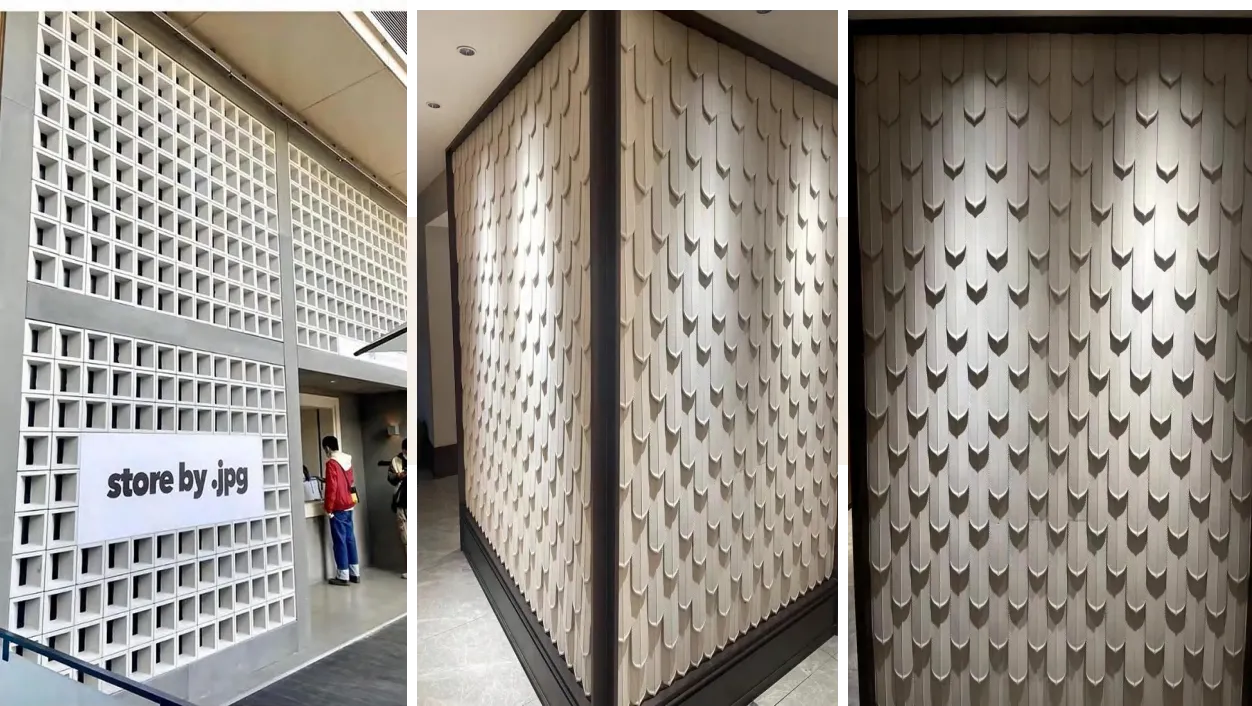
PU stone wall panel suppliers, by contrast, thrive on customization. Molds can be created for any shape—arches, curves, even 3D patterns. Pigments can be mixed to match any color swatch, from bold reds to subtle pastels. Some suppliers even offer panels with integrated lighting or texture variations that mimic rare stones like Swiss marble or cloud stone—without the rare stone price tag. For architects designing statement walls or unique facades, this flexibility is a game-changer.
Take the example of a boutique hotel in Dubai that wanted a lobby wall resembling switzerland stone —a rare, expensive natural stone with distinctive veining. A traditional stone supplier quoted them $50,000 for the material alone. The pu stone wall panel supplier they worked with created custom molds from photos of Swiss stone, matched the color exactly, and delivered the panels for $15,000. The result? A lobby wall that guests swear is real Swiss stone—at a third of the cost.
In an era where sustainability is a top priority for builders and homeowners, the environmental footprint of building materials matters more than ever. Traditional stone suppliers face a tough reality: quarrying natural stone involves clearing land, disrupting ecosystems, and consuming massive amounts of energy for extraction and transportation. A single granite quarry can produce over 100,000 tons of waste per year, and transporting a truckload of stone across the country emits significant CO2.
PU stone wall panel suppliers, by comparison, have a smaller environmental impact. Most use recycled materials in their mineral fillers, and their manufacturing process requires less energy than quarrying. Since PU panels are lightweight, transportation emissions are lower. And because they're made to order, there's less waste. Some suppliers even offer panels made with bio-based polyurethane, further reducing their carbon footprint.
That's not to say PU is perfect—polyurethane is a plastic-derived material, and disposal can be an issue if not recycled properly. But compared to the environmental cost of traditional stone quarrying, PU panels are a greener choice for most projects.
| Factor | PU Stone Wall Panel Suppliers | Traditional Stone Suppliers |
|---|---|---|
| Material Composition | Engineered polyurethane resin + mineral fillers; lightweight and flexible | Natural quarried stone (granite, marble, etc.); heavy and brittle |
| Installation Time | Fast (30-50% quicker); lightweight panels require minimal labor | Slow; requires heavy machinery and skilled masons |
| Total Cost (Material + Labor + Waste) | $10-25 per square foot (lower hidden costs) | $25-40+ per square foot (high shipping, labor, and waste costs) |
| Durability | Water-resistant, stain-proof, UV-stable; good for most residential/commercial use | Highly durable but porous; requires sealing and maintenance |
| Design Flexibility | Custom shapes, colors, and textures; can mimic rare stones | Limited by natural stone availability; hard to customize |
| Sustainability | Lower carbon footprint; recycled materials often used | High environmental impact from quarrying and transportation |
So, does this mean pu stone wall panel suppliers are always better than traditional stone suppliers? Not necessarily. The right choice depends on your project's needs.
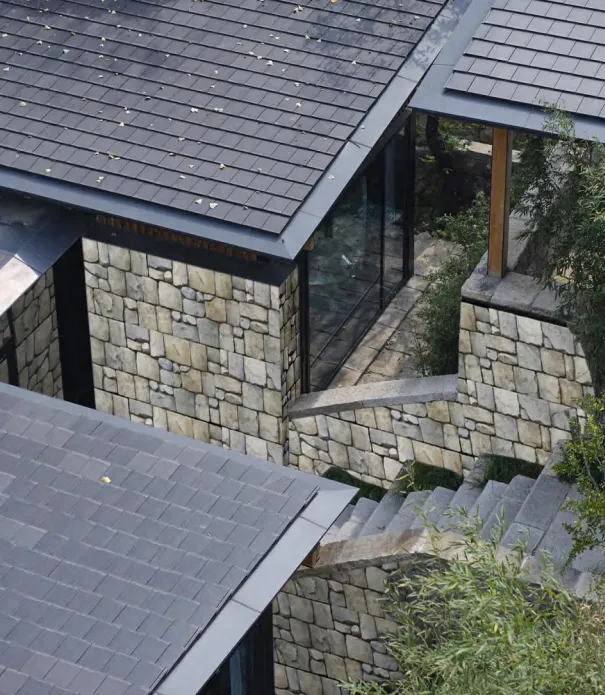
Choose PU Stone Wall Panel Suppliers When: You're working on a high-rise or renovation where weight is a concern; you need fast installation; you want custom colors or shapes; you're budget-conscious; or sustainability is a priority. Examples include residential exteriors, hotel lobbies, retail store facades, or hospital walls (where Class A fireproof options are available, though that's a topic for another day).
Choose Traditional Stone Suppliers When: You're building a historic property that requires authentic materials; you need extreme durability (e.g., industrial settings); or you're working with a client who insists on "real" stone for prestige. Examples include government buildings, luxury villas, or monuments.
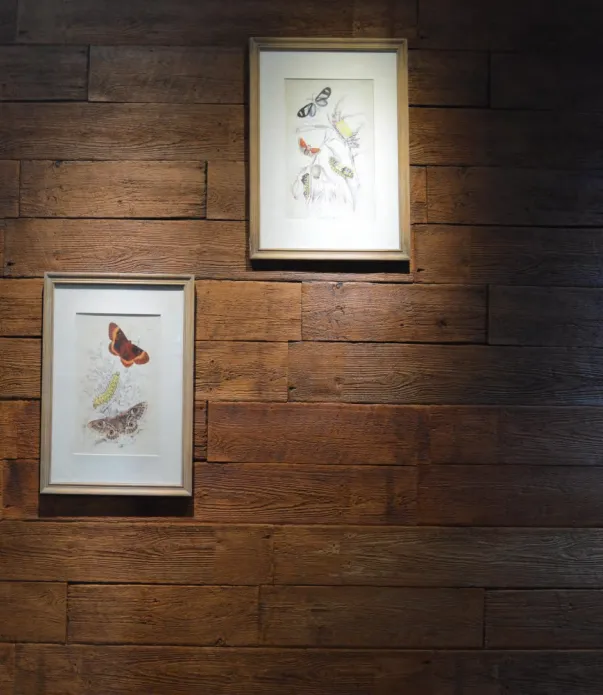
As building materials continue to evolve, pu stone wall panel solutions are leading the charge toward smarter, more efficient construction. But they're not alone. Innovations like MCM flexible cladding stone wall panels (another lightweight, flexible option) and bamboo charcoal board wall panels (eco-friendly and moisture-resistant) are also gaining traction. What all these options have in common is a focus on solving the pain points of traditional materials—weight, cost, inflexibility—while still delivering on aesthetics.
Traditional stone suppliers aren't going away, of course. Natural stone will always have a place in construction for its timeless appeal and unmatched durability. But for most modern projects, the question isn't "real stone or fake?"—it's "which engineered solution best fits my needs?" And more often than not, PU stone wall panels are the answer.
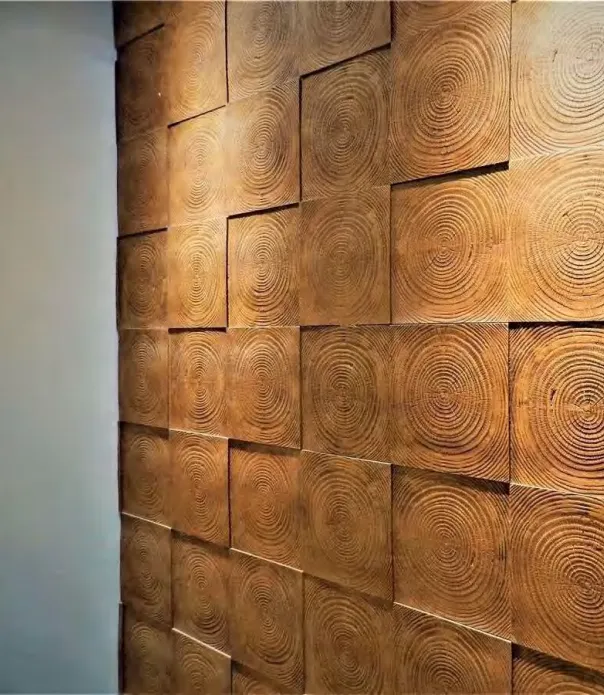
At the end of the day, the difference between pu stone wall panel suppliers and traditional stone suppliers boils down to this: one sells a material, the other sells a solution. Traditional suppliers provide stone; PU suppliers provide answers to problems—how to reduce installation time, cut costs, add custom design, or build more sustainably.
So, whether you're a contractor tackling a high-rise, a homeowner renovating your kitchen, or an architect designing the next iconic building, the choice is clear: if you want a stone wall that works with your project, not against it, it's time to talk to a pu stone wall panel supplier. Your timeline, budget, and design vision will thank you.
Recommend Products











