

In the world of interior and exterior decoration materials, the choice of wall panels can redefine a space—blending aesthetics with functionality, durability with design flexibility. Among the most sought-after options today are PU stone wall panels, a modern solution that marries the elegance of natural stone with the practicality of cutting-edge materials. As a dedicated pu stone wall panel supplier, we've spent years refining our pu stone wall panel solutions to meet the diverse needs of projects, from residential accent walls to commercial facades. One question we hear repeatedly is: "What should I look for in PU stone wall panels?" The answer lies in two critical factors: thickness and performance metrics. Let's explore why these elements matter, how they shape your project's success, and how our solutions are engineered to deliver excellence, every time.
Before diving into thickness and metrics, let's start with the basics: What makes PU stone wall panels stand out in the crowded landscape of interior decoration materials? PU, or polyurethane, is a synthetic material known for its lightweight, durable, and versatile properties. When crafted into stone wall panels, it typically consists of a high-density polyurethane foam core, reinforced with mineral aggregates (to mimic the texture of natural stone), and finished with a protective coating that enhances resistance to wear, UV rays, and moisture.
Unlike natural stone—heavy, expensive, and labor-intensive to install—PU stone panels offer a compelling alternative. They weigh 70-80% less than traditional stone, reducing structural load on buildings and simplifying transportation and installation. Yet, they don't skimp on aesthetics: advanced manufacturing techniques allow them to replicate the look of granite, marble, travertine, or even rustic stone, complete with intricate textures and color variations. For architects and designers, this means the beauty of stone without the logistical headaches. For property owners, it translates to cost savings on labor and structural reinforcement, without compromising on style.
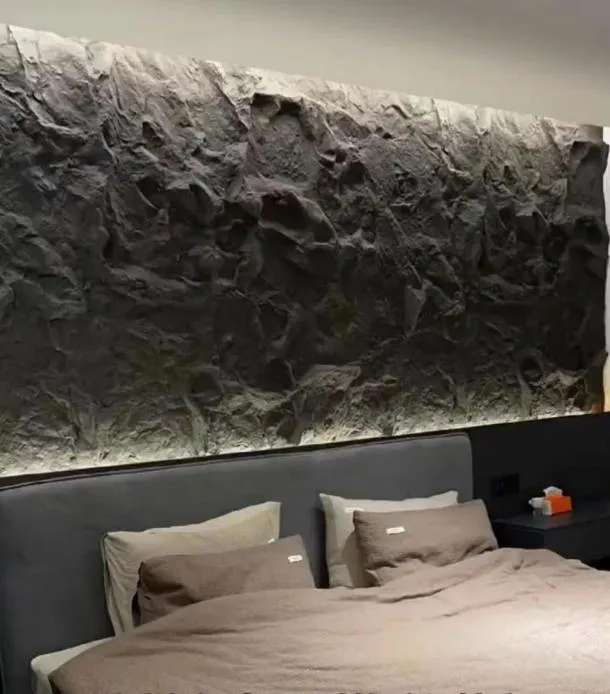
When clients ask about PU stone wall panels, the first specification they often mention is thickness. It's easy to assume "thicker = better," but the reality is more nuanced. Thickness is a balancing act between functionality, application, and design goals. Let's break down why it matters and how to choose the right option for your project.
PU stone wall panels typically range in thickness from 8mm to 20mm, with 10mm, 12mm, and 15mm being the most common. Each thickness serves a distinct purpose:
8-10mm Panels: These are the lightest and most flexible options, ideal for interior decoration materials. Think residential living rooms, hotel lobbies, or retail store accent walls. Their slim profile makes them easy to install over existing drywall or plaster, using nothing more than construction adhesive. They're perfect for adding texture without overwhelming a space—say, a feature wall behind a TV or a cozy bedroom nook. At 8-10mm, they weigh just 3-4kg per square meter, making DIY installation feasible for homeowners and reducing labor costs for contractors.
12-15mm Panels: The sweet spot for versatility, these panels bridge the gap between interior and exterior use. For interior projects, 12-15mm panels add more depth and durability, making them suitable for high-traffic areas like restaurant dining rooms or office corridors, where resistance to bumps and scratches is key. Externally, they work well for low-rise building facades, garden walls, or outdoor kitchens, offering better insulation and structural rigidity than thinner panels. Weighing 5-7kg per square meter, they still avoid the heavy load of natural stone but provide enough heft to withstand wind and minor impacts.
18-20mm Panels: Engineered for heavy-duty exterior applications, these are the workhorses of exterior decoration materials. Designed to stand up to harsh weather—intense sunlight, heavy rain, snow, or coastal salt spray—they're often used for high-rise building cladding, commercial complex facades, or public spaces like parks and plazas. Their thickness enhances impact resistance (critical for areas prone to vandalism or debris) and thermal insulation, helping buildings maintain consistent temperatures and reduce energy costs. At 8-10kg per square meter, they're still lighter than natural stone but require mechanical fastening (screws or clips) to ensure secure attachment to exterior substrates.
Myth #1: "Thicker panels are always more durable." Not true. Durability depends on the quality of the polyurethane core, the strength of the mineral aggregate, and the protective coating—not just thickness. A well-engineered 12mm panel with a high-density core can outperform a poorly made 20mm panel in impact resistance.
Myth #2: "Thinner panels are cheaper." While material costs may be slightly lower for thinner panels, the difference is minimal compared to installation and labor savings. For example, an 8mm interior panel might cost 10% less than a 12mm one, but the time saved on installation (no need for mechanical fasteners) often offsets the difference.
Myth #3: "One thickness fits all projects." Every project has unique needs. A boutique café with a curved accent wall might prioritize flexibility (leaning toward 8-10mm panels), while a coastal hotel facade needs the weather resistance of 18-20mm panels. As a supplier, our job is to match you with the thickness that aligns with your space, budget, and long-term goals.
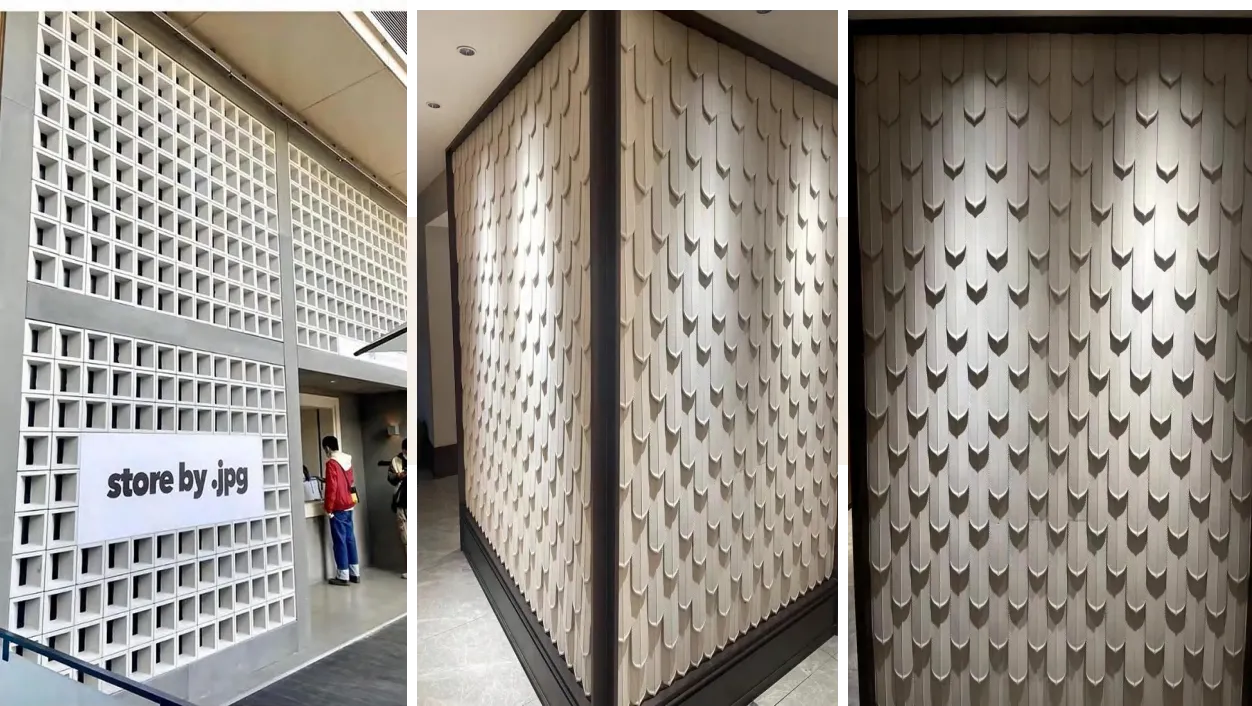
Thickness sets the stage, but performance metrics determine how well PU stone wall panels deliver over time. These are the "behind-the-scenes" qualities that separate a panel that lasts 5 years from one that thrives for 20. Let's unpack the key metrics to evaluate—and why they matter for your project.
In commercial spaces—hospitals, schools, offices, or hotels—fire safety is non-negotiable. PU stone wall panels are often treated with fire-retardant additives during manufacturing, but not all panels are created equal. Look for panels with a fire rating of at least Class B (per ASTM E84), which means they resist flame spread and produce minimal smoke. For high-risk areas, some suppliers (including us) offer Class A-rated options, engineered to withstand intense heat without contributing to fire propagation. This is especially critical for exterior decoration materials, where fire spread between buildings could have catastrophic consequences.
Whether used indoors (like bathrooms or kitchens) or outdoors (facades, pool areas), PU stone panels must repel moisture to avoid mold, mildew, or structural damage. The closed-cell structure of polyurethane foam naturally resists water absorption, but the protective coating adds an extra layer of defense. When evaluating panels, ask for water absorption rates: quality panels should absorb less than 3% of their weight in water after 24 hours of submersion. For exterior use, look for panels with a water-resistant coating rated to withstand 1,000+ hours of UV exposure without degradation—this ensures they won't warp, fade, or delaminate in rain or humidity.
From a child's toy hitting a living room wall to a delivery cart scraping a hotel corridor, wall panels take a beating. Impact resistance measures how well a panel withstands dents, cracks, or scratches. Testing typically involves dropping a steel ball of a specified weight from a set height and measuring damage. For interior panels, a resistance rating of 10J (joules) is sufficient for low-traffic areas; high-traffic commercial spaces may require 15J or more. Exterior panels, exposed to debris or extreme weather, should aim for 20J+ to ensure they stay intact for decades.
In an era of rising energy costs, thermal insulation is a hidden benefit of PU stone wall panels. Polyurethane foam has excellent insulating properties, with an R-value (thermal resistance) of 3.6-4.0 per inch of thickness. Thicker panels (15-20mm) can contribute significantly to a building's energy efficiency, reducing heating and cooling costs by minimizing heat transfer through walls. For example, a 20mm PU panel has an R-value of ~2.5, comparable to 50mm of fiberglass insulation. This makes them a smart choice for green building projects or regions with extreme climates.
Modern architecture loves curves—arched doorways, rounded facades, or wavy accent walls. Unlike rigid natural stone, PU stone panels offer flexibility, allowing them to bend to gentle curves without cracking. This is measured by the minimum bending radius: quality panels can typically flex to a radius of 50-100cm, depending on thickness (thinner panels are more flexible). For designers, this means endless creative possibilities—no more limiting yourself to flat surfaces.
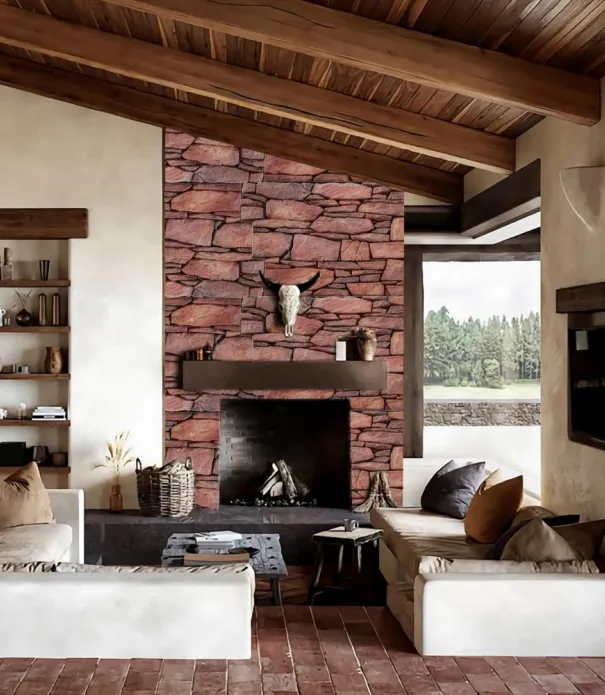
To make sense of how thickness and performance intersect, let's look at a real-world example: a hotel project with both interior and exterior needs. The lobby features a curved accent wall (interior decoration materials) and the exterior requires a stone-like facade (exterior decoration materials). For the lobby, 10mm panels offer the flexibility to curve and the light weight for easy installation, with a focus on impact resistance (12J) and aesthetic appeal. For the facade, 18mm panels provide the thermal insulation (R-value 2.2) and fire resistance (Class A) needed for safety, plus UV protection to withstand the sun. Below is a breakdown of common thickness options and their ideal uses:
| Panel Thickness (mm) | Typical Application | Key Performance Traits | Installation Notes |
|---|---|---|---|
| 8-10mm | Interior accent walls, ceilings, residential feature walls | Lightweight (3-4kg/m²), high flexibility (bending radius 50cm), ideal for DIY installation | Adhesive-only installation on flat, clean substrates (drywall, plaster) |
| 12-15mm | Commercial interiors (restaurants, offices), low-rise exteriors, outdoor kitchens | Balanced durability (15J impact resistance), moderate insulation (R-value 1.5-2.0), UV-resistant coating | Adhesive + mechanical fastening (for exteriors) to ensure stability |
| 18-20mm | High-rise facades, coastal buildings, public plazas (exterior decoration materials) | Heavy-duty impact resistance (20J+), Class A fire rating, superior thermal insulation (R-value 2.2-2.5) | Mechanical fastening (screws/clips) to structural substrates; requires professional installation |
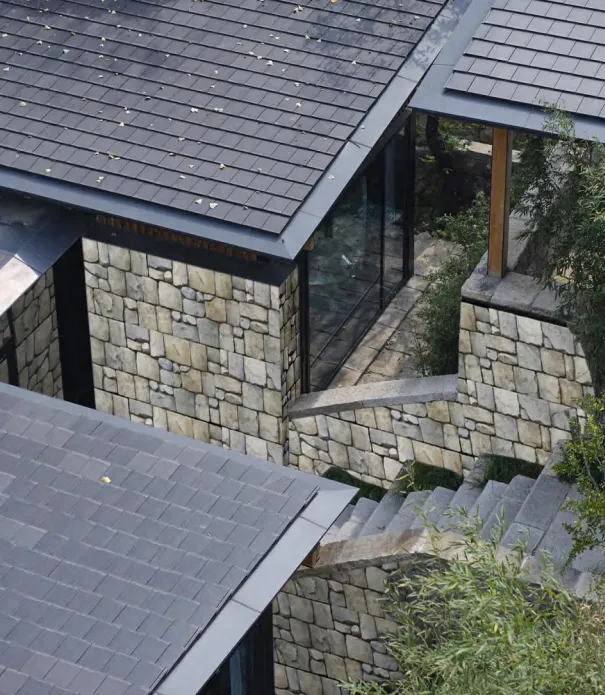
Understanding thickness and metrics is half the battle—the other half is partnering with a supplier who prioritizes quality and customization. At our core, we don't just sell panels; we deliver pu stone wall panel solutions tailored to your project's unique needs. Here's how we ensure excellence:
Every batch of panels undergoes testing for fire resistance, water absorption, impact, and flexibility before leaving our facility. We source raw materials from certified suppliers, using only low-VOC, non-toxic additives to ensure safety for both installers and occupants. Our manufacturing process adheres to ISO 9001 standards, with regular audits to maintain consistency.
No two projects are the same, which is why we offer customizable thickness, textures, and colors. Want panels that mimic a specific Swiss stone? We can match the color and texture. Need a 14mm panel for a unique curved facade? Our production team can adjust thickness to meet your specs. We also provide samples and mock-ups, so you can test panels in your space before committing.
As a pu stone wall panel supplier, our job doesn't end when panels ship. We provide detailed installation guides, on-site training for contractors, and ongoing support to troubleshoot issues. Whether you're unsure about fastening methods for exterior panels or need help calculating thermal insulation needs, our team of engineers is here to assist.
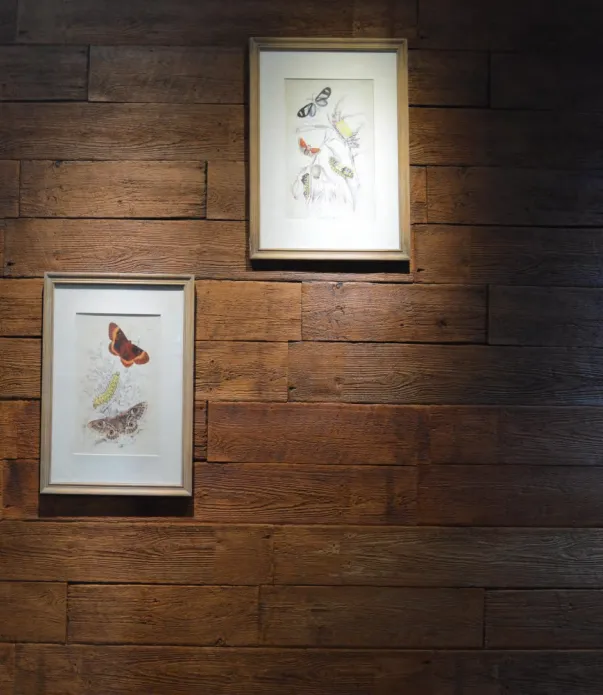
In the end, the "right" PU stone wall panels depend on balancing thickness and performance to fit your project's goals. Thinner panels offer flexibility and cost savings for interior design; thicker panels provide durability and safety for exterior use. Performance metrics—fire resistance, water resistance, impact resistance—ensure your panels stand the test of time, protecting your investment and enhancing your space for years to come.
As a dedicated supplier, we're proud to offer pu stone wall panel solutions that don't just meet industry standards—they redefine them. Whether you're designing a cozy home or a towering commercial complex, we're here to help you choose panels that blend beauty, functionality, and durability. After all, great spaces aren't just built—they're crafted with intention, starting with the right materials.
So, what's next? Reach out to discuss your project, request samples, or dive deeper into how our PU stone wall panels can transform your interior and exterior decoration materials. Let's build something exceptional—together.
Recommend Products











