

Hey there, construction pros! Let's talk about something that's been transforming how we build and design walls—both inside and out. When it comes to interior and exterior decoration materials, the choices can feel overwhelming. From heavy stone slabs to rigid concrete panels, each option has its trade-offs. But today, we're zeroing in on a solution that's been gaining traction for its versatility, durability, and ease of use: PU stone wall panels. As a leading PU stone wall panel supplier, we've put together this guide to walk you through everything you need to know—from what these panels are made of to how they can elevate your next project, whether it's a residential build, a commercial complex, or a striking architectural façade.
Let's start with the basics. PU stone wall panels are a type of composite material that blends polyurethane (PU) resin with natural stone aggregates, minerals, and additives. Think of them as a high-tech hybrid: they capture the look and texture of natural stone but ditch the weight and brittleness that often come with the real thing. The result? A panel that's lightweight, flexible, and surprisingly tough—qualities that make them a standout choice for both interior decoration materials and exterior decoration materials.
Our PU stone wall panel solutions are engineered in a controlled manufacturing process, which means consistent quality across every batch. Unlike natural stone, which can vary widely in density and color, these panels offer uniformity that's a dream for large-scale projects. And because they're made with PU, they're resistant to warping, cracking, and fading—even when exposed to harsh weather or high humidity. That's why architects and contractors are increasingly turning to them for architectural façade solutions where both aesthetics and performance matter.
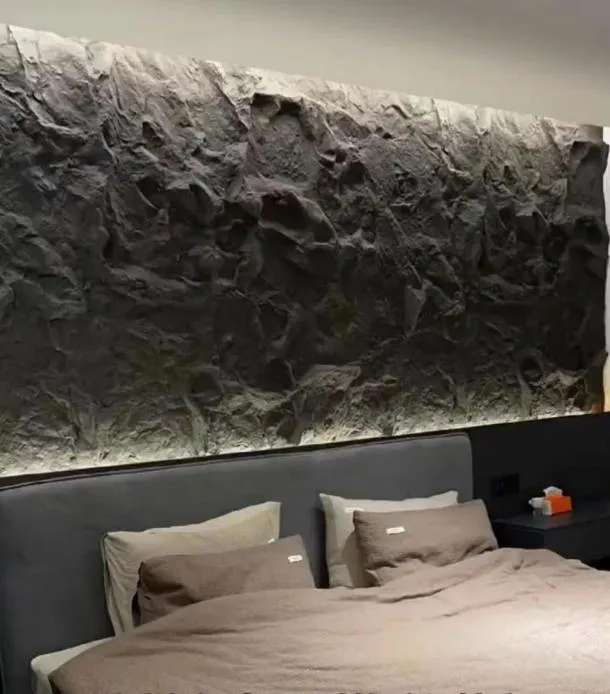
We get it—you need materials that make your job easier, not harder. Here's why PU stone panels might just become your new go-to:
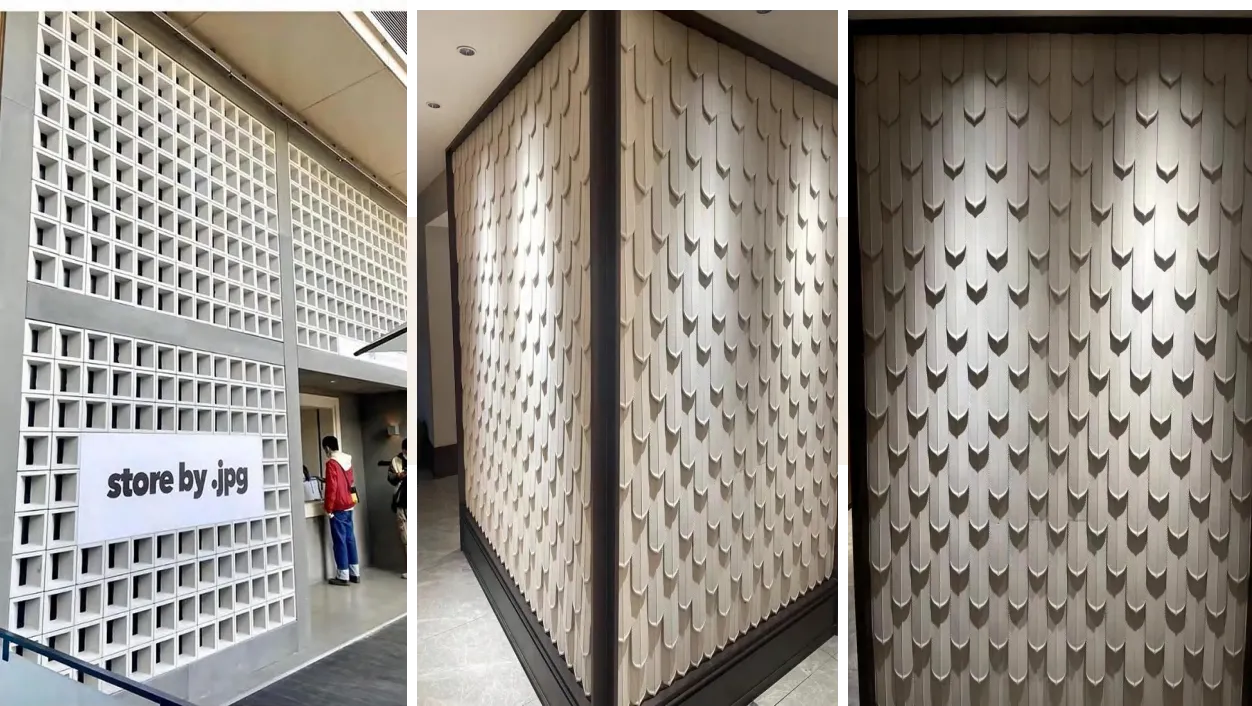
Numbers matter when you're calculating loads, ordering materials, or ensuring compliance. Here's a breakdown of our standard PU stone wall panel specs (we also offer custom options—just ask!):
| Property | Standard Value | Notes for Construction |
|---|---|---|
| Thickness | 6mm – 20mm | Thicker panels (15-20mm) recommended for high-impact exterior areas; thinner (6-10mm) ideal for interior accent walls. |
| Size | 1220mm x 2440mm (standard); custom cuts available | Large format reduces joint lines for a seamless look; custom sizes minimize waste on unique projects. |
| Density | 0.8 – 1.2 g/cm³ | Lower density = lighter weight; higher density = increased impact resistance. |
| Water Absorption | < 0.5% | Suitable for humid environments like bathrooms, kitchens, or coastal exteriors. |
| Flexural Strength | > 15 MPa | Can bend up to 5° without cracking—perfect for curved architectural façade solutions. |
| Fire Rating | Class B-s1, d0 (EN 13501-1); Class A available on request | Class A option recommended for hospitals, schools, or high-rise buildings with strict fire codes. |
| Thermal Conductivity | 0.03 – 0.05 W/(m·K) | Offers mild insulation benefits, reducing heat transfer through walls. |
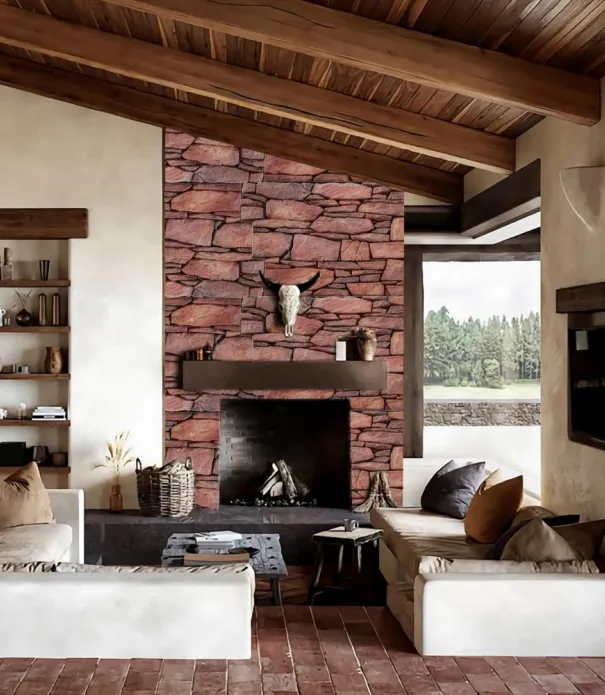
We know installation day is make-or-break. The good news? PU stone wall panels are designed to be crew-friendly. Here's a step-by-step overview to help your team get the job done right:
Pro tip: Our team offers on-site installation training for first-time users. Just let us know when you're planning your project, and we'll send a tech rep to walk your crew through the process. We believe that as a PU stone wall panel supplier, our job doesn't end at delivery—we're here to make sure your installation goes smoothly, too.
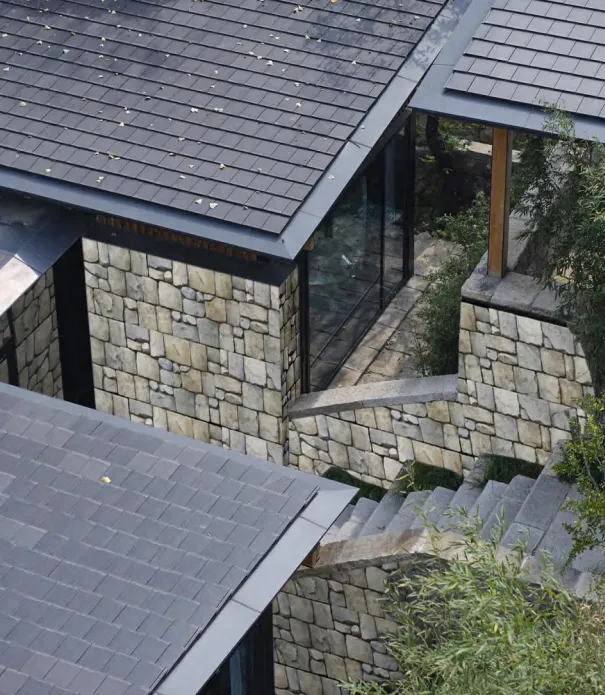
One of the best things about PU stone panels is their versatility. They're not limited to just one type of project—here are some of the most common applications we've seen:
Inside, PU panels shine as accent walls, backsplashes, or even ceiling features. Imagine a restaurant with a feature wall that looks like stacked stone but weighs next to nothing, or a hotel lobby with marble-look panels that don't require the structural support of real marble. They're also a hit in residential spaces: homeowners love the high-end aesthetic without the high-end price tag or maintenance.
Because they're moisture-resistant, they work in bathrooms and kitchens, too. Pair them with our porcelain slab tile for wall solutions for a cohesive look, or use them to add texture to a home office or living room. The possibilities are endless—and because they're lightweight, they can be installed on drywall without worrying about sagging over time.
Exterior walls take a beating—rain, snow, UV rays, and temperature fluctuations can wear down even the sturdiest materials. PU stone panels are up to the challenge. They're used in everything from residential exteriors (think: modern farmhouses with stone accents) to commercial buildings (retail storefronts, office complexes) and even high-rise architectural façade solutions.
Their flexibility is a huge advantage here. Unlike rigid stone or concrete panels, PU panels can expand and contract slightly with temperature changes, reducing the risk of cracking. And because they're lightweight, they don't add excessive load to the building's structure—a critical factor for retrofits or buildings with weight restrictions.
We know you're probably comparing options. Let's see how PU stone panels hold up against other popular wall materials:
| Material | Weight (kg/m²) | Flexibility | Fire Resistance | Cost (Relative) | Best For |
|---|---|---|---|---|---|
| PU Stone Wall Panels | 8-12 | High (bends up to 5°) | Class B-s1, d0 (Class A available) | Moderate | Curved surfaces, high-rise façades, interior accents |
| Natural Stone (Granite/Marble) | 50-100 | Low (brittle, prone to cracking) | Class A (non-combustible) | High | High-end interiors, historic restorations |
| MCM Flexible Cladding | 12-18 | High (very flexible) | Class A | High | Complex architectural shapes, coastal exteriors |
| Bamboo Charcoal Board | 15-20 | Low (rigid) | Class B | Moderate | Eco-friendly interiors, low-moisture areas |
| WPC Wall Panels | 18-25 | Low-Moderate | Class C | Low | Budget interiors, moisture-prone areas (baths, basements) |
As you can see, PU stone panels strike a balance between performance, cost, and ease of use. They're not the cheapest option, but their versatility and durability make them a strong value—especially for projects where design and longevity are priorities.
We get it—there are other suppliers out there. But here's what sets us apart:
At the end of the day, the right wall materials can make or break a project. PU stone wall panels offer a rare combination of beauty, durability, and practicality that's hard to beat—whether you're working on interior decoration materials, exterior cladding, or a showstopping architectural façade. As your go-to PU stone wall panel supplier, we're here to help you turn your vision into reality—without the hassle of heavy materials, complicated installations, or unexpected delays.
Ready to learn more? drop us a line to discuss your project, request samples, or schedule a technical consultation. Let's build something great—together.
Recommend Products











