

Navigating the world of interior and exterior decoration materials to find trusted partners
Walk into any well-designed home, office, or commercial building, and you'll notice it's the interior and exterior decoration materials that breathe life into the structure. From the warmth of wooden floors to the elegance of stone walls, these materials do more than fill space—they tell a story, set a mood, and create environments where people live, work, and connect. In recent years, one material has risen to the top of designers' and builders' wish lists: PU stone wall panels. Lightweight yet durable, versatile yet resilient, they've become a staple for both residential and commercial projects. But here's the catch: not all PU stone wall panels are created equal. And neither are the suppliers behind them.
In a market flooded with options, choosing a reliable PU stone wall panel supplier can feel like searching for a needle in a haystack. Yet, it's a decision that can make or break your project. A trustworthy supplier doesn't just deliver products—they deliver peace of mind, consistency, and a commitment to quality that ensures your investment stands the test of time. So, what separates the reliable from the risky? The answer lies in two critical factors: certifications and quality standards. In this article, we'll dive deep into why these matter, what to look for, and how they shape the reliability of a PU stone wall panel supplier.
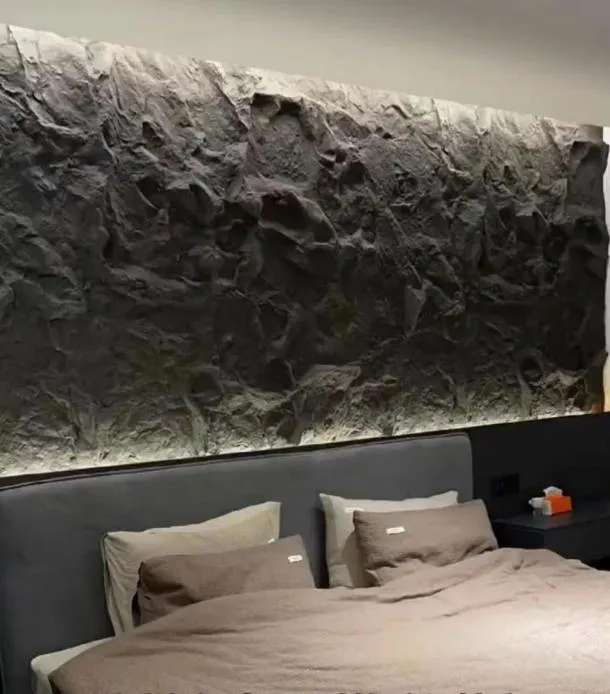
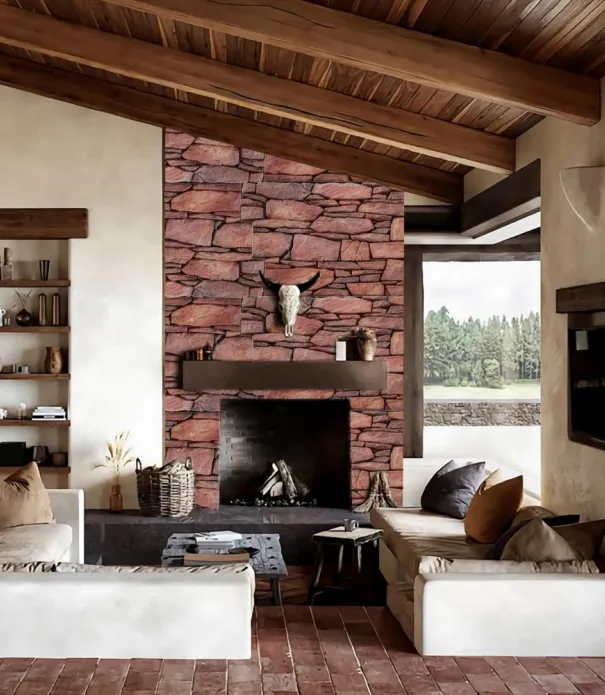
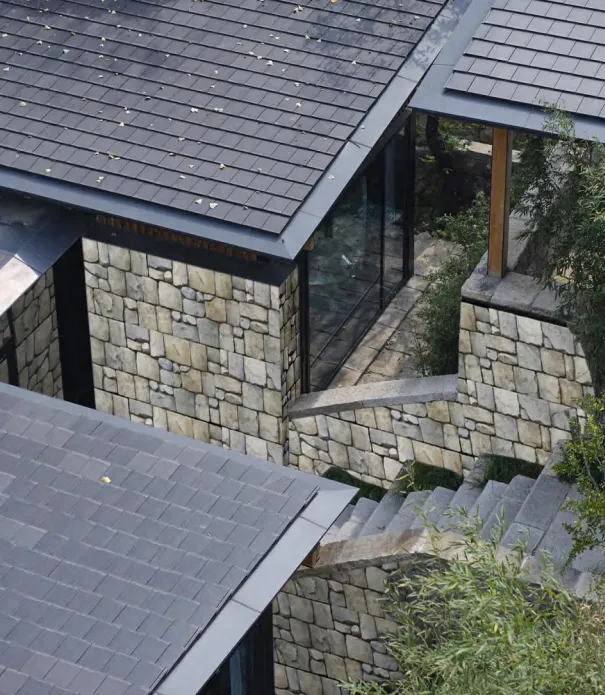
Before we explore supplier reliability, let's take a moment to understand the star of the show: PU stone wall panels. PU, short for polyurethane, is a synthetic material known for its exceptional strength-to-weight ratio. When crafted into stone wall panels, it mimics the look and texture of natural stone—think granite, limestone, or slate—without the heavy weight, high cost, or installation hassle. This blend of beauty and practicality has made PU stone wall panels a go-to solution for architects, designers, and homeowners alike.
So, what makes them so popular? Let's break it down:
Whether you're revamping a residential living room, upgrading a hotel lobby, or cladding a commercial building's exterior, PU stone wall panel solutions have proven their worth. But their performance is only as good as the supplier who manufactures them. A subpar panel might look great initially, but over time, you could face peeling, fading, or even safety issues—all of which stem from cutting corners in production. That's why choosing a reliable supplier isn't just a preference; it's a necessity.
Imagine this: You've spent months planning a commercial renovation, and the deadline is fast approaching. You order PU stone wall panels from a supplier who promised "top quality at the best price." When the panels arrive, they're unevenly colored, some are cracked, and the installation team warns that the adhesive backing is too weak to hold. You're forced to delay the project, reorder from a new supplier, and absorb extra costs—all because you prioritized price over reliability. Sound like a nightmare? Unfortunately, it's a reality for many who overlook the importance of vetting their PU stone wall panel supplier.
The Risks of Choosing Unreliable Suppliers:
-
Safety Hazards:
Panels that lack fire resistance certifications could pose a risk in case of a fire, endangering lives and violating building codes.
-
Premature Failure:
Poorly formulated PU might degrade quickly, leading to fading, cracking, or water damage—requiring costly replacements.
-
Project Delays:
Inconsistent supply chains or production delays can throw off timelines, costing you time and money.
-
Legal Issues:
Using non-certified materials could result in code violations, fines, or even lawsuits if the panels fail and cause damage.
Reliability, in this context, means more than just delivering products on time. It means delivering products that meet or exceed industry standards, backed by transparent processes and verifiable credentials. A reliable supplier takes pride in their work, invests in quality control, and stands behind their products—so you can focus on your project, not worrying about material failures.
Certifications are like a supplier's report card—they provide third-party validation that the products meet specific standards for quality, safety, and performance. When evaluating a PU stone wall panel supplier, these are the certifications that should be non-negotiable:
| Certification | Purpose | What It Means for You |
|---|---|---|
| ISO 9001 | Quality Management Systems | The supplier follows strict quality control processes, from raw material sourcing to production to shipping—ensuring consistent product quality. |
| CE Marking | Compliance with EU Safety Standards | The panels meet health, safety, and environmental requirements for sale in the European union, indicating rigorous testing. |
| Class A Fire Rating | Fire Safety Performance | The panels are non-combustible or have minimal flame spread, making them safe for use in high-risk areas like hospitals, schools, and commercial buildings (similar to the strict standards required for class A fireproof CPL inorganic boards used in sensitive settings). |
| GREENGUARD Certification | Low Chemical Emissions | The panels release minimal volatile organic compounds (VOCs), improving indoor air quality—a critical factor for residential and healthcare projects. |
Let's dive deeper into a few of these. ISO 9001, for example, isn't just a piece of paper. To earn it, suppliers must document every step of their production process, from how they test raw materials to how they handle customer complaints. This level of transparency ensures that quality isn't an afterthought—it's built into every panel. Similarly, a Class A fire rating isn't something a supplier can claim without proof. Testing involves exposing panels to high temperatures and measuring flame spread, smoke production, and heat release—metrics that directly impact occupant safety.
It's also worth noting that certifications aren't one-size-fits-all. A supplier targeting the Middle East market, for instance, should be familiar with local standards, while those exporting to Europe need CE marking. A reliable supplier will openly share their certifications and even provide copies of test reports upon request—no excuses, no vague promises.
Certifications are essential, but they're just the starting point. True quality lies in the day-to-day standards a supplier upholds in their manufacturing process. Even with ISO 9001, a supplier might cut corners if their internal standards are lax. So, what should you look for beyond the certifications?
The best PU stone wall panels start with high-grade raw materials. Polyurethane resins, additives (for flexibility and strength), and colorants all affect the final product's performance. A reliable supplier will use virgin (not recycled) polyurethane to ensure consistency, and they'll source additives from reputable chemical companies—avoiding cheap substitutes that can weaken the panel over time.
Precision is key in PU panel production. Look for suppliers who use advanced molding techniques, such as rotational casting or injection molding, to ensure uniform thickness and texture. Quality control checks should happen at every stage: inspecting raw materials for purity, testing panels for density and adhesion, and sampling finished products for durability. Some suppliers even conduct "accelerated aging" tests, exposing panels to extreme conditions for weeks to simulate years of wear—ensuring they'll hold up in real-world use.
Nothing is more frustrating than receiving two batches of panels that don't match in color or texture. A reliable supplier will have strict color-matching protocols, using computerized mixing systems to ensure every panel in a batch is identical. They'll also keep detailed records of production runs, so if you need to reorder panels months later, you can get an exact match.
In today's eco-conscious market, sustainability is increasingly important. Look for suppliers who minimize waste in production, use energy-efficient machinery, and offer panels with low VOC emissions. Some even recycle excess material or use renewable energy in their factories—choices that benefit both the planet and your project's green credentials.

To illustrate the impact of supplier reliability, let's compare two hypothetical (but realistic) scenarios:
A hotel chain in Saudi Arabia needed PU stone wall panels for 100 guest room headboards and the lobby's feature wall. They chose a supplier certified to ISO 9001 and with a Class A fire rating. The supplier provided test reports for colorfastness and UV resistance (critical for the lobby's large windows) and allowed the hotel's team to visit their factory. During production, the supplier shared weekly quality updates and photos. When the panels arrived, they were uniform in color, free of defects, and included detailed installation guides. The project finished on time, and five years later, the panels still look brand new—no fading, no peeling.
A residential developer ordered PU stone wall panels for 20 townhouse exteriors from a supplier offering "rock-bottom prices." The supplier claimed to have "international certifications" but couldn't provide copies. The panels arrived three weeks late, with visible cracks in 15% of the batch. The developer, pressed for time, installed them anyway. Within six months, the panels began to fade in direct sunlight, and after a heavy rainstorm, several panels delaminated (separated from their backing). The developer had to replace all panels at their own cost, delaying the project's sale and damaging their reputation.
The difference? The reliable supplier prioritized transparency, quality, and accountability—while the unreliable one focused solely on cutting costs. The lesson is clear: investing in a certified, quality-driven supplier saves time, money, and headaches in the long run.
So, you've found a PU stone wall panel supplier who claims to have all the right certifications and quality standards—how do you verify they're telling the truth? Here's a step-by-step guide:
Don't be afraid to ask tough questions. If a supplier hesitates to provide documentation or avoids your inquiries, that's a red flag. Trust your instincts—if something feels off, it probably is.
PU stone wall panels have revolutionized interior and exterior decoration, offering beauty, durability, and affordability in one package. But their success hinges on the supplier behind them. Reliability isn't just a buzzword—it's a commitment to certifications, quality standards, and transparency that ensures your project's success, now and in the future.
When choosing a PU stone wall panel supplier, remember: the cheapest option rarely ends up being the best. Instead, prioritize those with verifiable certifications (ISO 9001, Class A fire ratings, etc.), rigorous quality control processes, and a track record of happy clients. By doing so, you'll not only get panels that look great but also ones that perform well, stand the test of time, and give you the peace of mind you deserve.
In the end, the right supplier isn't just a vendor—they're a partner in bringing your vision to life. So take the time to vet them thoroughly. Your project, your budget, and your reputation will thank you.
Recommend Products











