

In the world of architectural design and construction, the choice of wall materials can make or break a project's success. From residential homes to commercial skyscrapers, the walls do more than just separate spaces—they define aesthetics, ensure safety, and contribute to the building's long-term performance. Among the myriad options available today, PU stone wall panels have emerged as a game-changer, blending the timeless appeal of natural stone with modern engineering. But not all PU stone wall panels are created equal, and selecting the right supplier is critical. As a discerning buyer, two features should top your list: durability and lightweight design. Let's dive into why these factors matter, how they impact your project, and what to look for in a trusted PU stone wall panel supplier.
Before we unpack durability and lightweight design, let's take a moment to understand why PU stone wall panels have become a staple in both interior and exterior decoration materials. Traditional stone—while stunning—comes with heavy drawbacks: it's cumbersome to transport, requires specialized labor for installation, and often demands additional structural support. On the flip side, cheaper alternatives like vinyl or basic PVC lack the authentic look and longevity needed for high-end projects. PU stone wall panels bridge this gap. Made from polyurethane (PU) foam infused with mineral aggregates and pigments, they mimic the texture and color of natural stone (think granite, marble, or limestone) but with a host of modern advantages. Whether you're designing a cozy home interior or a striking commercial building facade, these panels offer versatility that's hard to match. And when sourced from a reputable PU stone wall panel supplier, they become part of a holistic solution that aligns with the goals of architects, contractors, and homeowners alike.
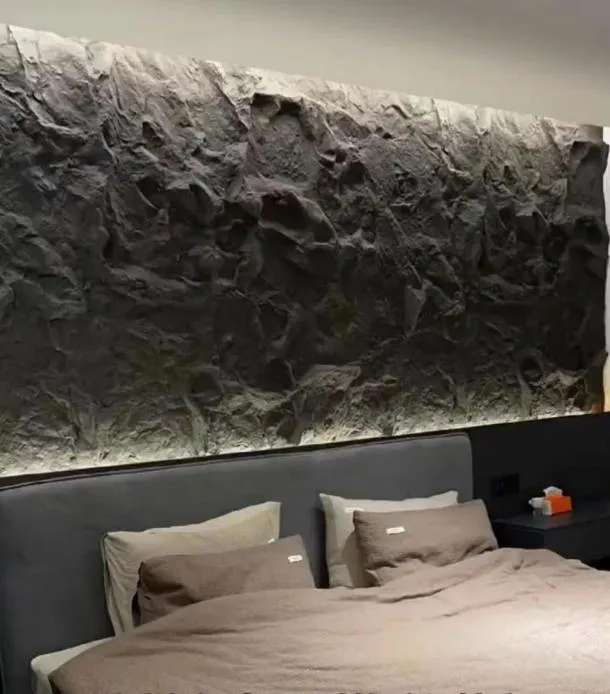
Durability is non-negotiable when it comes to wall materials. A panel that chips, fades, or degrades after a few years isn't just an eyesore—it's a costly mistake. For PU stone wall panels, durability starts with the material itself. High-quality panels are engineered to withstand the harshest conditions, both indoors and out. Let's break down what makes a durable PU stone wall panel and why your supplier's role in this is pivotal.
Top-tier PU stone wall panels are crafted using a dense, closed-cell polyurethane foam core. This core is reinforced with mineral fillers (like calcium carbonate) and fiberglass mesh, which add strength without sacrificing flexibility. The surface is then coated with a UV-resistant layer and textured to replicate natural stone. This composition resists moisture, a common enemy of wall materials. Unlike porous natural stone, which can absorb water and lead to mold or cracking, PU panels repel water, making them ideal for humid climates or exterior use in rainy regions. For example, in coastal areas where saltwater air accelerates corrosion, a quality PU stone wall panel solution will maintain its integrity for decades, whereas traditional stone might require frequent sealing or replacement.
Imagine a busy hotel lobby where guests and luggage brush against the walls daily, or a restaurant exterior exposed to scorching sun, heavy rain, and even hailstorms. In these scenarios, durability isn't just about looking good—it's about functionality. Reputable PU stone wall panel suppliers subject their products to rigorous testing: impact resistance tests (to simulate accidental bumps), thermal cycling tests (to check performance in extreme temperature changes), and UV aging tests (to ensure color retention). A panel that passes these tests will resist chipping, fading, and warping, even in high-traffic or harsh environments. For instance, a retail store using PU stone panels on its facade reported no visible damage after five years of exposure to desert heat and sandstorms—proof that the right supplier's commitment to durability pays off.
While not always top of mind, fire resistance is a key component of durability, especially in commercial spaces like hospitals, schools, or offices. Many PU stone wall panels are treated with flame-retardant additives to meet fire safety standards (e.g., Class B or Class A ratings, depending on the application). A trustworthy supplier will provide clear documentation of these ratings, ensuring your project complies with local building codes. This isn't just about avoiding fines—it's about protecting lives and property in the event of a fire. For example, a school that opted for PU stone wall panels with Class A fire resistance gained peace of mind knowing the material would slow the spread of flames, giving occupants more time to evacuate.
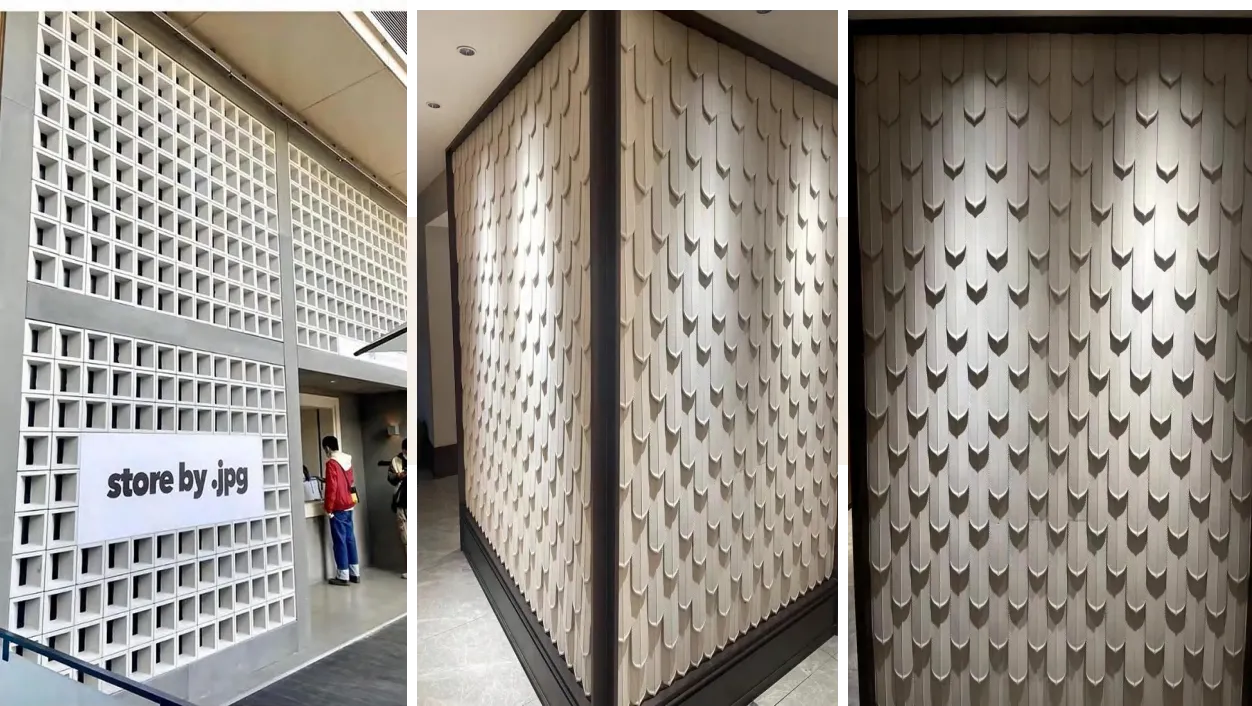
If durability ensures your walls stand the test of time, lightweight design ensures they're practical to build with. Traditional stone panels can weigh 20–30 kg per square meter, requiring heavy machinery, reinforced structural support, and a team of installers. PU stone wall panels, by contrast, typically weigh just 3–5 kg per square meter. This seemingly simple difference has a ripple effect on every stage of your project, from transportation to installation to long-term building safety.
Time is money in construction, and lightweight panels cut installation time dramatically. A crew of two can install PU stone wall panels at a rate of 30–40 square meters per day, compared to 10–15 square meters with traditional stone. Why? Because there's no need for cranes or heavy lifting equipment. Panels can be carried by hand, cut on-site with standard tools (like a utility knife or circular saw), and attached using adhesives or mechanical fasteners. For a high-rise apartment complex with hundreds of square meters of exterior walls, this translates to weeks of saved time and reduced labor costs. One contractor working on a 20-story residential building noted that switching to PU stone panels shaved off three weeks from the exterior cladding phase—enough to keep the project on schedule despite weather delays.
Heavy wall materials place strain on a building's foundation and structural framework. Over time, this strain can lead to cracks, settling, or even structural failure. Lightweight PU stone panels (reduce) this load, allowing architects more flexibility in design. For example, in renovation projects where the existing structure can't support additional weight, PU panels offer a way to update the exterior without reinforcing the foundation. In new builds, the reduced load means lower material costs for steel beams and concrete, as less structural support is needed. A commercial developer in Saudi Arabia, where building heights are on the rise, shared that using PU stone wall panels in their latest project allowed them to add an extra floor without compromising safety—a direct result of the material's lightweight nature.
Transporting heavy stone panels is logistically challenging and expensive. Trucks can carry fewer panels per trip, and there's a higher risk of damage during transit. Lightweight PU panels, however, are easier to stack and transport. A single truck can carry 10 times more PU panels than natural stone panels, reducing fuel costs and carbon emissions. This is especially beneficial for large-scale projects or those in remote areas, where transportation logistics are already complex. A one-stop architectural solution provider that includes PU stone wall panels in its product line can often streamline this process further, coordinating delivery to align with construction timelines and minimizing delays.
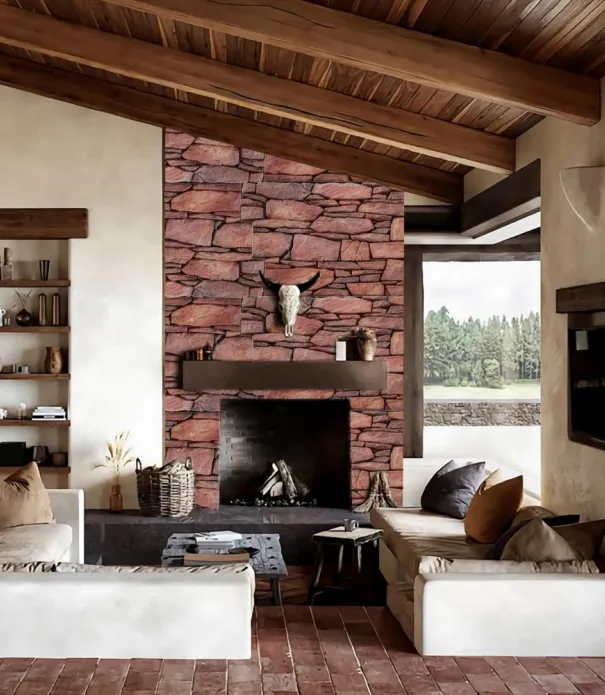
To truly appreciate the benefits of PU stone wall panels, it helps to see how they stack up against other popular interior and exterior decoration materials. Below is a comparison table highlighting key factors like weight, durability, and installation ease—areas where PU panels shine.
| Material Type | Weight (kg/m²) | Durability (Weather/Impact Resistance) | Installation Complexity | Cost (Relative) | Best For |
|---|---|---|---|---|---|
| PU Stone Wall Panels | 3–5 | Excellent (UV, moisture, impact resistant; 20+ year lifespan) | Low (hand-carried, adhesive/fasteners; no heavy machinery) | Moderate (higher than vinyl, lower than natural stone) | High-rises, retail, hospitality, residential interiors/exteriors |
| Natural Granite | 25–30 | Good (scratch-resistant but porous; requires sealing every 1–2 years) | High (needs cranes, specialized labor, structural support) | High | Luxury homes, monuments (low-traffic, well-maintained areas) |
| MCM Flexible Cladding | 8–12 | Good (weather-resistant but less impact-resistant than PU) | Moderate (flexible but still requires professional installation) | Moderate-High | Curved facades, architectural accents |
| WPC Wall Panels | 10–15 | Fair (moisture-resistant but prone to warping in extreme heat) | Moderate (lightweight but less durable for exteriors) | Low-Moderate | Indoor accent walls, low-traffic areas |
As the table shows, PU stone wall panels strike a balance between durability, weight, and cost that's hard to beat. They outperform natural stone in installation ease and weight, MCM cladding in impact resistance, and WPC panels in longevity—making them a versatile choice for almost any project.
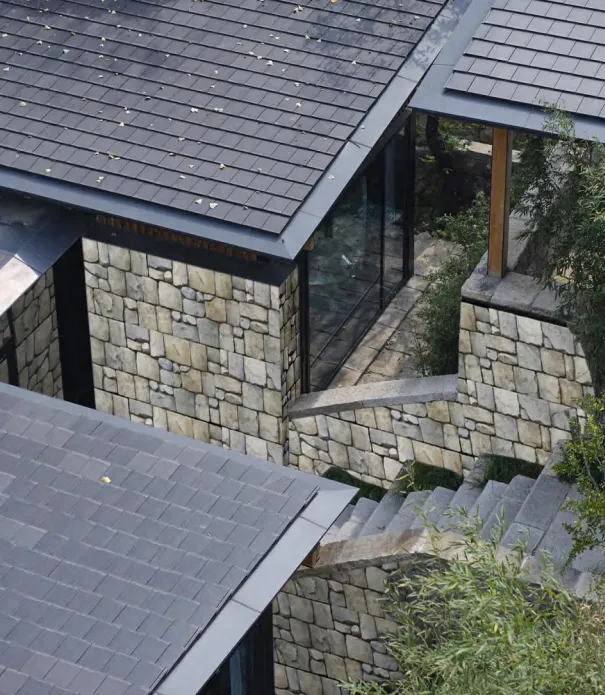
While durability and lightweight design are critical, the best PU stone wall panel suppliers offer more than just great products—they provide comprehensive solutions. Here are a few additional factors to consider when choosing your supplier:
A panel's performance matters, but so does how it looks. Leading suppliers offer a wide range of textures, colors, and finishes, from rough-hewn "castle rock" to sleek "polished marble." Some even provide custom color matching, ensuring the panels align with your project's design scheme. For example, a hotel chain aiming for a cohesive brand identity across locations can work with a supplier to create custom PU stone panels that match their signature color palette. Additionally, suppliers that stay ahead of design trends (like the growing demand for matte finishes or wood-grain accents) can help your project feel modern and timeless.
Today's clients and regulators care deeply about sustainability, and your choice of wall materials reflects this. Reputable PU stone wall panel suppliers use eco-friendly manufacturing processes, such as low-VOC (volatile organic compound) adhesives and recyclable packaging. Some panels are even made with recycled materials, reducing their environmental footprint. Additionally, the lightweight nature of PU panels reduces transportation emissions, and their long lifespan means less frequent replacement—both wins for sustainability. When evaluating suppliers, ask about their sustainability certifications and commitment to reducing waste.
Even the best products need support. A top PU stone wall panel supplier will offer technical assistance, from helping you select the right panel thickness for your project to providing installation guides and training for your crew. After-sales service is equally important. If a panel arrives damaged or there's an issue with performance, a responsive supplier will resolve it quickly, minimizing downtime. Look for suppliers with a proven track record of customer service—online reviews and references from past clients can be invaluable here.
Now that you know what to prioritize, here's a checklist of questions to ask potential suppliers to ensure they meet your needs:
PU stone wall panels have revolutionized the way we think about interior and exterior decoration materials. Their unique blend of durability and lightweight design makes them a top choice for architects, contractors, and homeowners looking to balance aesthetics, functionality, and cost. But the true value lies in partnering with the right PU stone wall panel supplier—one that prioritizes quality, offers comprehensive solutions, and stands behind their products. By focusing on durability (through material science and rigorous testing) and lightweight design (which simplifies installation, reduces structural load, and cuts costs), you'll ensure your project not only looks stunning today but remains strong and beautiful for decades to come. In a market flooded with options, choosing a supplier that excels in these areas isn't just a smart decision—it's an investment in the success of your build.
Recommend Products











