

Think about the last time you walked into a beautifully designed space—a modern home with a striking stone feature wall, or a sleek commercial building with an elegant exterior cladding that seemed to defy the limits of traditional construction. Chances are, that "stone" wasn't what it appeared to be. For decades, architects, builders, and homeowners have grappled with a universal challenge: how to achieve the timeless beauty of natural stone without the headaches of its weight, cost, and installation hurdles. Enter PU stone wall panels—a revolutionary solution that's transforming the world of interior and exterior decoration materials. As a leading PU stone wall panel supplier, we've seen firsthand how these innovative panels are redefining what's possible in construction, offering a perfect blend of durability, design flexibility, and practicality. In this article, we'll dive deep into what makes PU stone wall panels a game-changer, why choosing the right supplier matters, and how they're shaping the future of building materials.
Let's start with the basics. PU stone wall panels—short for polyurethane stone wall panels—are engineered composite materials designed to mimic the look and texture of natural stone, but with a fraction of the weight and far more versatility. At their core, they're crafted from a high-density polyurethane foam base, reinforced with fiberglass for added strength, and topped with a layer of natural stone aggregates or mineral powders. This unique composition is what gives them their standout properties: lightweight yet incredibly strong, durable yet flexible enough to adapt to various architectural needs.
Unlike traditional stone cladding, which is quarried, cut, and shaped from solid rock, PU stone panels are manufactured in controlled factory settings. This process ensures consistency in quality, texture, and color—something that's often hard to achieve with natural stone, which can vary widely from slab to slab. For a PU stone wall panel supplier, this manufacturing precision is key: it means we can offer clients reliable, repeatable results, whether they need 50 panels for a small home project or 5,000 for a large commercial development.
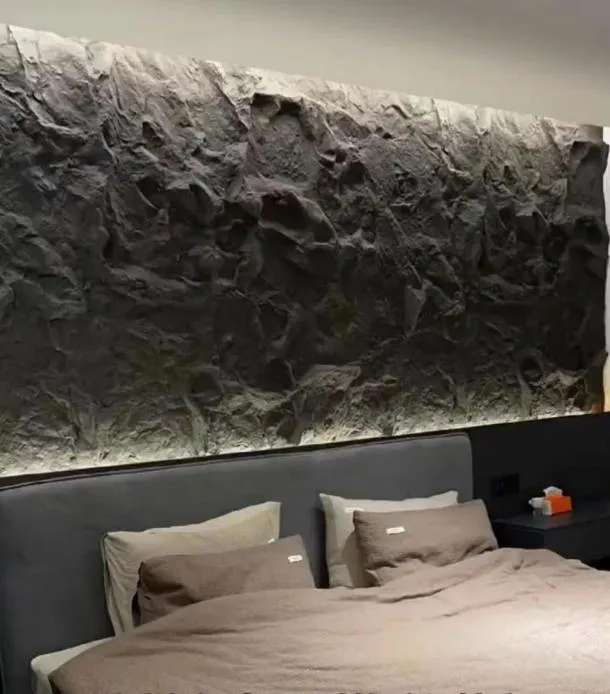
To understand why PU stone wall panels are becoming a go-to choice for architects, builders, and homeowners, let's break down their most compelling benefits. These aren't just "nice-to-haves"—they're solutions to long-standing pain points in the industry.
Traditional natural stone panels can weigh upwards of 50-100 pounds per square foot. That's a lot of weight for a building's structure to bear, not to mention the hassle of transporting and installing them. PU stone panels? They typically weigh just 3-5 pounds per square foot. Imagine the difference for a construction crew—no more heavy lifting equipment, fewer workers needed, and a significantly lower risk of on-site injuries. But here's the kicker: that lightweight design doesn't compromise strength. Thanks to their fiberglass reinforcement and high-density polyurethane core, these panels can withstand impacts, scratches, and even extreme weather conditions. We've seen them hold up against hailstorms, high winds, and daily wear and tear in busy commercial spaces—proving that "lightweight" doesn't mean "flimsy."
Exterior decoration materials face a tough crowd: sun, rain, snow, humidity, and temperature fluctuations. Traditional stone can fade, crack, or erode over time, especially in harsh climates. PU stone wall panels, though, are built to last. Their polyurethane core is inherently resistant to moisture, so they won't rot, warp, or grow mold. The stone aggregate coating is treated to resist UV rays, preventing color fading even after years in direct sunlight. We once revisited a hotel project in a coastal area five years after installation—the PU stone cladding looked as vibrant as the day it was installed, while neighboring buildings with traditional stone had already started showing signs of weathering. That's the kind of durability that makes clients return to a trusted PU stone wall panel supplier.
Safety is always top of mind, whether it's a residential home or a commercial building. Many PU stone wall panels are formulated with fire-retardant additives, achieving Class B or even Class A fire ratings (depending on the supplier and specific product). This is a huge advantage over some other lightweight materials that can be highly flammable. For architects designing hospitals, schools, or high-rise buildings, where fire safety codes are strict, this feature alone makes PU stone panels a standout choice. As a supplier, we often work closely with clients to ensure our panels meet local fire regulations, providing test reports and certifications to give peace of mind.
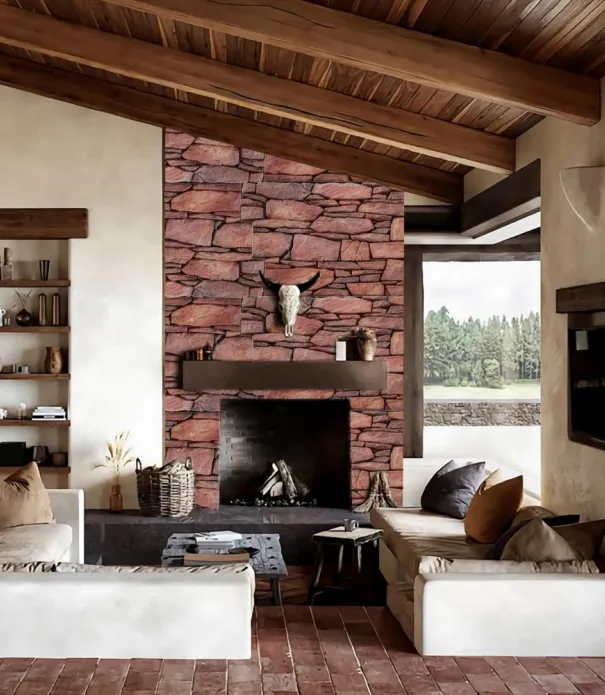
One of the most exciting things about PU stone wall panels is their design flexibility. Natural stone is limited by what's available in quarries—you can't easily ask for a custom texture or a specific shade of "ocean blue" if it doesn't exist in nature. PU panels, though, are customizable. Want a panel that looks like rustic mountain stone? Done. Prefer a sleek, modern marble finish? No problem. We've even created custom panels with unique patterns for boutique hotels and high-end restaurants, helping designers bring their wildest visions to life. They can be cut into various shapes—squares, rectangles, even curved panels for rounded walls—and installed in different patterns, from stacked stone to herringbone. For interior decoration materials, this means endless possibilities for accent walls, fireplace surrounds, or backsplashes. For exteriors, it means buildings that stand out with unique facades, without the cost or weight of traditional stone.
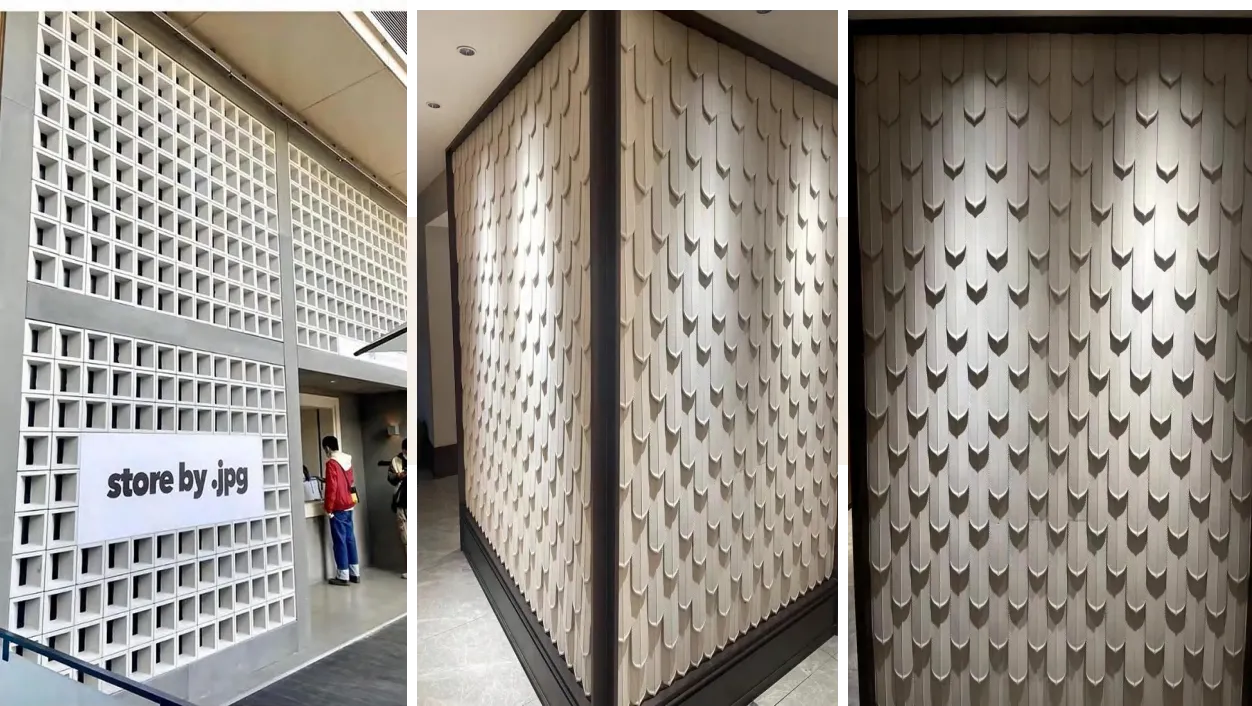
PU stone wall panels aren't just a one-trick pony—they shine in both interior and exterior applications, making them a versatile choice for all kinds of projects. Let's explore some of the most common (and creative) ways they're being used today.
Inside the home or office, PU stone panels are transforming ordinary walls into statement pieces. Imagine walking into a living room with a textured PU stone accent wall behind the TV—it adds depth and warmth without overwhelming the space. In restaurants, they're used to create cozy, rustic vibes or sleek, modern atmospheres, depending on the texture and color chosen. Hotels often use them in lobbies, hallways, or guest rooms to elevate the design without adding the structural load of real stone. Even retail stores are getting in on the trend, using PU panels to create eye-catching feature walls that draw customers in. As interior decoration materials, they're a favorite because they're easy to install (no need to reinforce walls), lightweight (so they won't damage existing structures), and low-maintenance (just a quick wipe with a damp cloth to clean).
Exterior decoration materials need to be tough, and PU stone panels deliver. They're increasingly used as cladding for commercial buildings, apartment complexes, and even single-family homes. Their weather resistance makes them ideal for all climates—whether it's the hot, dry deserts of Saudi Arabia or the rainy, humid regions of Southeast Asia. We've supplied panels for a beachfront restaurant where the exterior cladding had to withstand salt spray and strong winds; five years later, the panels still look brand new. For architects, they offer the ability to create unique facades that would be impossible with heavy stone. Curved walls, intricate patterns, or even 3D designs—all are achievable with PU panels. Plus, their lightweight nature reduces the need for expensive structural reinforcements, cutting down on overall project costs.
Beyond standard interiors and exteriors, PU stone panels are finding their way into niche projects. Think theme parks, where they're used to create realistic "rock" walls for attractions. Or historic renovations, where they mimic the look of aged stone without the weight that could damage delicate structures. We even worked on a winery that wanted a Tuscan-inspired exterior—using PU panels to replicate the look of old-world stone, but with modern durability. The result? A building that looks like it's been there for centuries, but will stand for centuries more.
| Feature | Traditional Natural Stone | PU Stone Wall Panels |
|---|---|---|
| Weight (per sq ft) | 50-100 lbs | 3-5 lbs |
| Installation Time | Long (requires heavy equipment, skilled labor) | Short (lightweight, easy to cut and install) |
| Structural Load | High (requires reinforced walls/frames) | Low (no special reinforcement needed) |
| Durability | Good, but prone to cracking/chipping | Excellent (impact-resistant, moisture-proof) |
| Design Customization | Limited by natural availability | High (custom colors, textures, shapes) |
| Fire Resistance | Varies (some stones are fire-resistant, others not) | Often Class B/A rated (fire-retardant options) |
| Cost (Material + Installation) | High (expensive materials, labor, equipment) | Moderate (lower material cost, reduced labor time) |
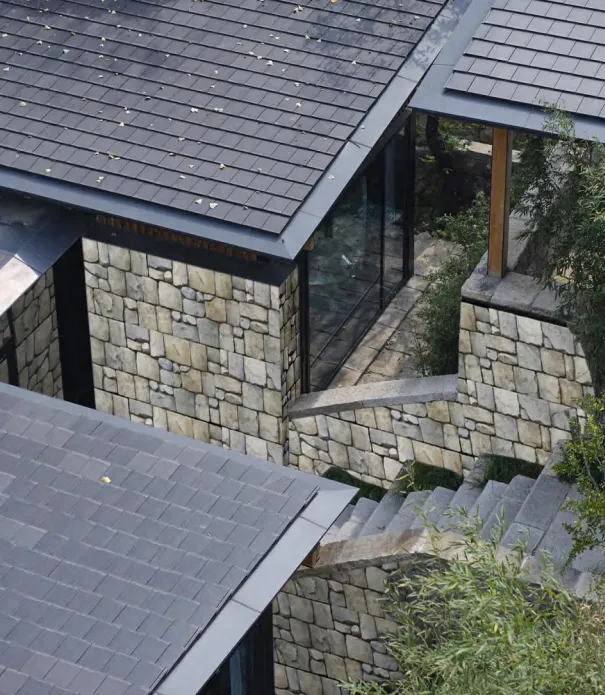
Not all PU stone wall panels are created equal—and neither are all suppliers. With the growing popularity of these materials, there are plenty of low-quality options on the market, using cheap foam cores or inferior stone coatings that fade or degrade quickly. That's why partnering with a reputable PU stone wall panel supplier is so important. Here's what to look for:
A good supplier doesn't just sell panels—they control the entire manufacturing process. Look for suppliers who source high-grade polyurethane foam, use non-toxic additives, and rigorously test their panels for strength, durability, and safety. We conduct third-party testing on every batch, checking for impact resistance, fire retardancy, and weathering. This ensures that when a client orders panels, they know exactly what they're getting—consistent quality, every time.
Every project is unique, and your supplier should be able to adapt to your needs. Whether you need a custom color to match brand guidelines, a specific texture to replicate a rare stone, or panels cut to unusual dimensions, a reputable supplier will work with you to make it happen. We've created panels with embedded LED lights for a hotel lobby, and panels that mimic the look of reclaimed wood (yes, wood!) for a restaurant chain. The key is flexibility—something that mass-produced, generic panels can't offer.
The best suppliers act as partners, not just vendors. That means offering more than just panels—think installation guidance, technical support, and even help with design. As a one-stop architectural solution provider, we often assist clients with material selection, providing samples and mock-ups to ensure the panels fit their vision. We also offer training for installers, ensuring the panels are installed correctly the first time. This level of support can make a huge difference in project timelines and success.
Modern construction is increasingly focused on sustainability, and your supplier should be too. PU stone panels are inherently eco-friendly: they use less energy to manufacture than traditional stone (which requires mining and heavy processing), and their lightweight nature reduces transportation emissions. Look for suppliers who use recycled materials in their panels or have green manufacturing practices. We're proud to say our factory runs on solar power, and we recycle excess foam and stone aggregates—small steps that add up to a big impact.
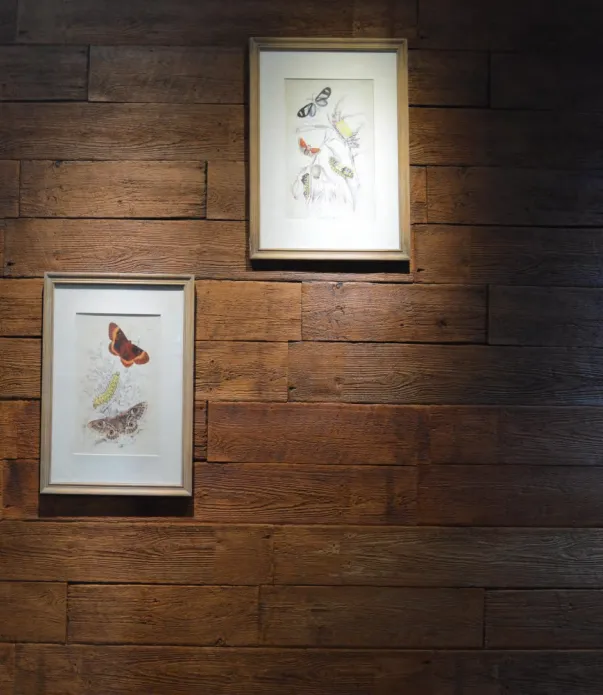
Nothing speaks louder than real results. Here are two projects where PU stone wall panels made all the difference—showcasing their versatility and impact.
Mr. and Mrs. Al-Mansoori, a couple in Riyadh, wanted to build their dream home—a modern, open-concept space with a cozy, rustic accent wall in the living room. They initially considered natural stone, but their architect warned that the weight would require reinforcing the wall, adding significant cost and time to the project. That's when they turned to us as their PU stone wall panel supplier. We worked with them to select a "rustic mountain" texture in warm earth tones, creating panels that looked exactly like the natural stone they loved. The installation took just one day (compared to a week for natural stone), and the wall required no structural reinforcement. Today, the Al-Mansooris love their accent wall—it's become the focal point of their home, and guests can never believe it's not real stone. "We got the beauty we wanted without the hassle," Mrs. Al-Mansoori told us. "It was worth every penny."
A restaurant chain in Dubai wanted to revamp the exterior of their flagship location, aiming for a bold, eye-catching design that would stand out in a crowded area. Their architect envisioned a curved façade with a "weathered stone" look, but traditional stone was too heavy for the curved structure and too expensive for their budget. We proposed PU stone wall panels, custom-shaped to fit the curved walls and finished with a special coating to mimic aged stone. The result? A façade that looks like it's been carved from ancient rock, but weighs a fraction of the real thing. The restaurant saw a 30% increase in foot traffic after the renovation, with many customers commenting on the "unique" exterior. The project was completed two weeks ahead of schedule, and the client saved 25% on material and installation costs compared to natural stone. "It was a game-changer for our brand," the restaurant's owner said. "We're now using PU panels for all our new locations."
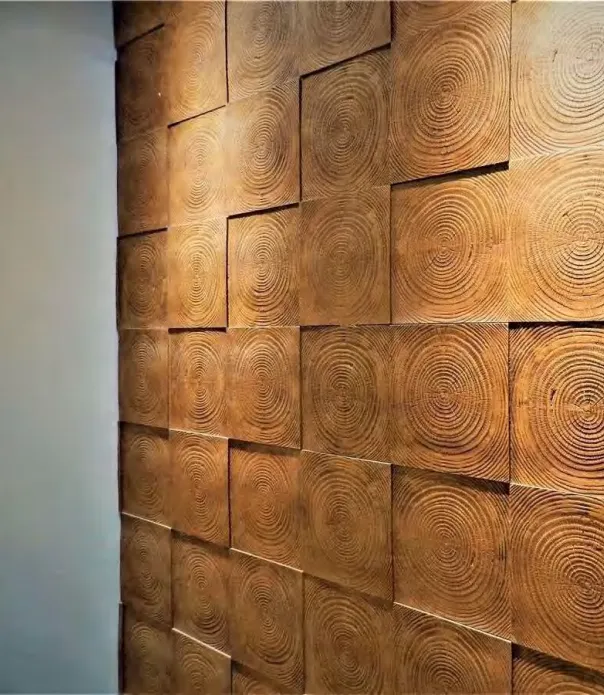
As the construction industry evolves, the demand for materials that are strong, lightweight, sustainable, and beautiful will only grow. PU stone wall panels check all these boxes—and then some. They're not just a trend; they're a glimpse into the future of building design, where functionality and aesthetics coexist seamlessly.
For homeowners, they mean more design freedom and lower costs. For architects, they open up new possibilities for creative, bold designs that were once impossible with heavy materials. For builders, they mean faster installations, fewer headaches, and happier clients. And for suppliers like us, they mean being part of an industry revolution—one panel at a time.
So, whether you're building a new home, renovating a commercial space, or designing the next iconic building, don't sleep on PU stone wall panels. They're more than just a material—they're a solution. And with the right PU stone wall panel supplier by your side, the only limit is your imagination.
At the end of the day, construction is about more than just bricks and mortar—it's about creating spaces that inspire, protect, and endure. PU stone wall panels are a tool that helps us do that better. They're lightweight but strong, beautiful but durable, customizable but affordable. They're a reminder that innovation in building materials doesn't have to sacrifice quality or aesthetics.
As a PU stone wall panel supplier, we're proud to be part of this journey—helping clients turn their visions into reality, one panel at a time. Whether you're an architect, a builder, or a homeowner, we invite you to explore the possibilities of PU stone panels. Your next project could be the one that sets a new standard for what's possible in construction.
After all, the best buildings aren't just built—they're imagined. And with PU stone wall panel solutions, those imaginations can finally take flight.
Recommend Products











