

Building a sustainable future, one panel at a time—where innovation meets environmental responsibility
In an era where every brick and beam is scrutinized for its environmental footprint, the role of a building material supplier has evolved far beyond just providing products. Today, we're partners in a global mission: to construct spaces that don't just stand tall, but stand responsibly . For architects, developers, and project managers in Saudi Arabia and beyond, the pressure to meet rigorous green certifications like LEED (Leadership in Energy and Environmental Design) and Estidama's Pearl Rating System is no longer optional—it's the benchmark for forward-thinking construction. And at the heart of this movement? Materials that deliver on both performance and planet. Enter PU stone wall panels: a game-changer in the world of interior and exterior decoration materials, designed to align with the strictest sustainability standards while never compromising on aesthetics or durability.
As a dedicated PU stone wall panel supplier, we've witnessed firsthand how this innovative material is transforming projects—from sleek commercial towers in Riyadh to cozy residential complexes in Jeddah. It's not just about ticking boxes for certifications; it's about creating spaces where people thrive, where energy bills shrink, and where the planet breathes a little easier. In this article, we'll dive into why LEED and Estidama matter, how PU stone wall panel solutions rise to the challenge, and why choosing the right supplier could be the difference between a project that meets standards and one that sets them.
Let's start with the basics: why do certifications like LEED and Estidama matter in 2024? For developers, they're more than just badges—they're proof of a project's commitment to sustainability, which translates to higher property values, lower operating costs, and a competitive edge in a market where tenants and buyers increasingly prioritize eco-conscious spaces. For architects, they're a roadmap to innovation, pushing the boundaries of what's possible with materials and design. And for communities? They mean healthier indoor air, reduced energy consumption, and a built environment that respects local ecosystems.
Developed by the U.S. Green Building Council (USGBC), LEED is the most widely recognized green building certification program in the world. It evaluates projects across categories like Energy and Atmosphere (EA), Materials and Resources (MR), Indoor Environmental Quality (IEQ), and Water Efficiency (WE), awarding points based on performance. A project can earn Certified, Silver, Gold, or Platinum status—and the higher the rating, the more sustainable the building.
For example, using materials with low volatile organic compounds (VOCs) contributes to IEQ credits, while choosing products with high recycled content boosts MR credits. Energy-efficient materials that reduce heating and cooling needs? That's EA gold. In short, LEED isn't just about one "green" feature—it's about a holistic approach to building.
In the Middle East, Estidama's Pearl Rating System (PRS) is the go-to certification, tailored to the region's climate, culture, and resources. Established by the Abu Dhabi Urban Planning Council, Estidama (which means "sustainability" in Arabic) focuses on five pillars: Environmental, Economic, Social, Cultural, and Governance . Projects are rated from 1 to 5 Pearls, with 5 being the highest honor.
What makes Estidama unique? Its emphasis on local context. In Saudi Arabia, where temperatures soar and water is precious, Estidama rewards projects that minimize energy use for cooling, optimize water efficiency, and use materials that can withstand harsh desert conditions. It also prioritizes indoor comfort—critical in a region where people spend much of their time indoors—by focusing on air quality and thermal insulation.
For a Saudi Arabia building materials supplier, aligning with Estidama isn't just about compliance; it's about respecting the land and the people who call it home. It's about building structures that don't just survive the desert heat, but thrive in harmony with it.
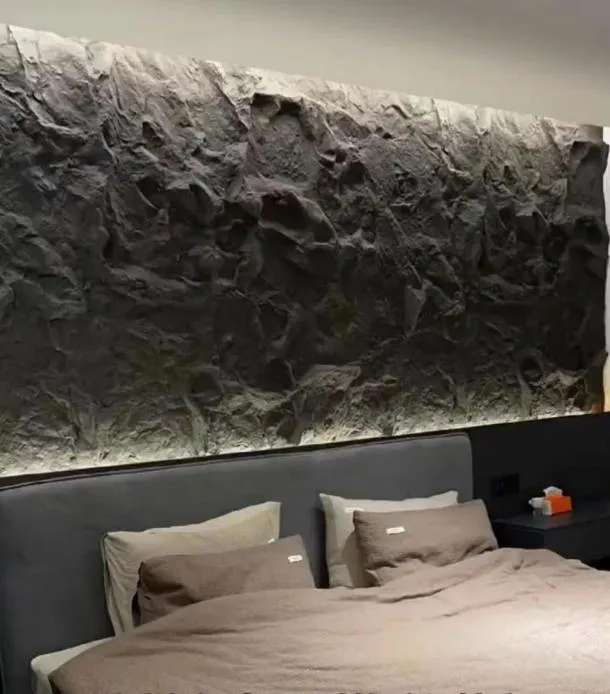
Now, let's talk about the star of the show: PU stone wall panels. If you're imagining clunky, heavy stone slabs that require cranes to install and crack under extreme weather, think again. PU stone wall panels—short for polyurethane stone wall panels—are a lightweight, durable, and surprisingly eco-friendly alternative to natural stone, marble, or brick. As a leading PU stone wall panel supplier, we've seen them revolutionize both interior decoration materials and exterior cladding, and for good reason.
At their core, PU stone wall panels are made from a blend of polyurethane foam, mineral aggregates, and inorganic fillers, molded to mimic the texture and appearance of natural stone—think granite, limestone, or even rustic fieldstone. The result? A panel that looks indistinguishable from the real thing but weighs up to 80% less. That's a game-changer for construction, where weight restrictions often limit design choices.
But it's not just about weight. PU stone panels are flexible, meaning they can bend slightly without cracking—ideal for buildings that settle over time or for curved architectural features. They're also water-resistant, fire-retardant (many meet Class A fire ratings), and resistant to mold, mildew, and pests. And unlike natural stone, which requires extensive quarrying and transportation (both carbon-intensive processes), PU panels are manufactured with minimal waste and can even incorporate recycled materials.
| Feature | Traditional Natural Stone | PU Stone Wall Panels |
|---|---|---|
| Weight | Heavy (20-30 kg/sq.m) | Lightweight (3-5 kg/sq.m) |
| Installation Time | 3-5 days per 100 sq.m (requires heavy machinery) | 1-2 days per 100 sq.m (can be installed by 2-3 workers with basic tools) |
| Environmental Impact | High (quarrying, transportation emissions, wasteful cutting) | Low (minimal waste, recycled content options, low VOC) |
| LEED/Estidama Contribution | Limited (may contribute to material sourcing credits if local) | Significant (IEQ, MR, EA credits for low VOC, energy efficiency, recycled content) |
| Durability in Harsh Climates | Prone to cracking/fading in extreme heat/humidity | Resistant to UV rays, moisture, and temperature fluctuations |
At first glance, "polyurethane" might not scream "eco-friendly," but modern PU stone panels are a far cry from the non-recyclable plastics of the past. Today's panels are engineered with sustainability in mind, starting with their manufacturing process. Unlike natural stone, which often results in 30-40% waste during cutting and shaping, PU panels are molded to precise dimensions, minimizing offcuts. Many suppliers (including us) also incorporate post-industrial recycled materials into the foam core, reducing reliance on virgin resources.
Then there's the issue of transportation. A truckload of traditional stone might carry 500 sq.m of material; the same truck can carry 3,000+ sq.m of PU panels. Fewer trucks mean fewer emissions—a direct win for the "Energy and Atmosphere" category in LEED and Estidama's environmental pillar.
But perhaps the biggest sustainability win is their energy efficiency. PU foam is an excellent insulator, with a high R-value (a measure of thermal resistance). When used as exterior cladding, PU stone panels create a thermal barrier that reduces heat transfer, lowering the load on HVAC systems. In Saudi Arabia, where air conditioning accounts for up to 70% of a building's energy use, this isn't just a green feature—it's a cost-saving one. Lower energy bills mean happier building owners, and reduced carbon emissions mean happier planet.
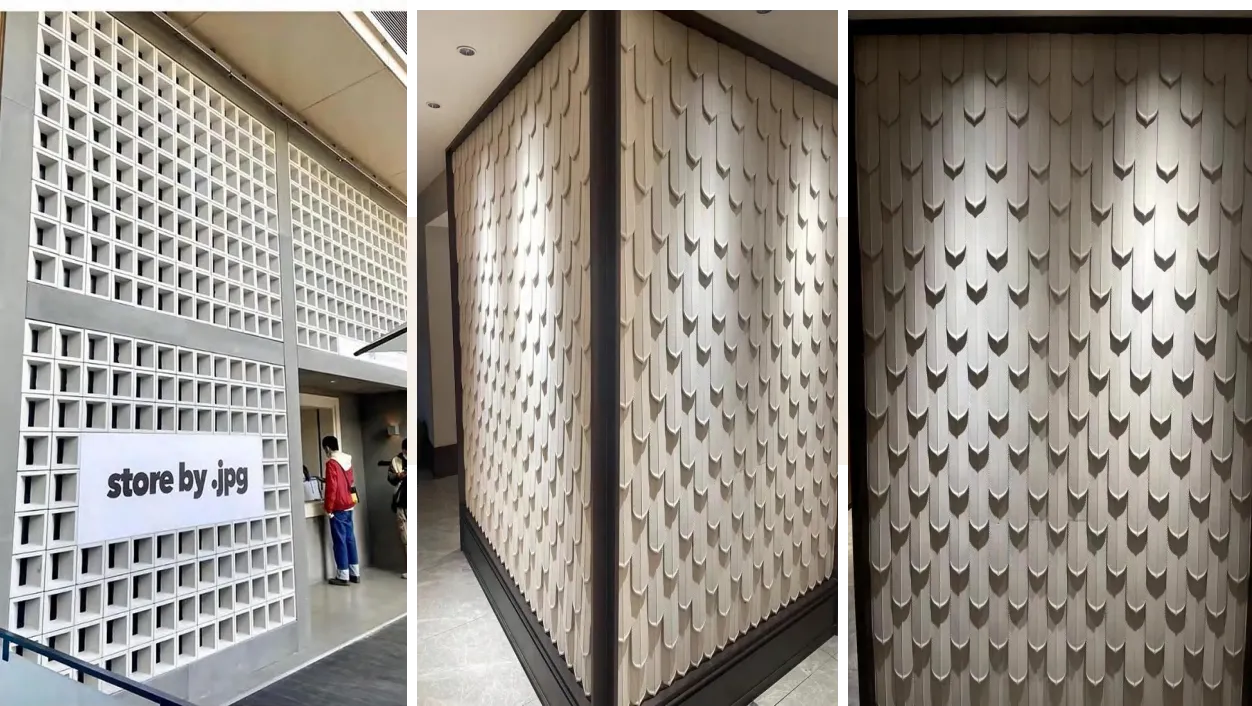
Talk is cheap—certifications require proof. So how exactly do PU stone wall panel solutions stack up against LEED and Estidama's rigorous criteria? Let's break it down, credit by credit.
Indoor Environmental Quality (IEQ) Credits: One of LEED's biggest focuses is on the air we breathe indoors. Traditional stone sealants and adhesives often contain high levels of VOCs, which off-gas over time and contribute to "sick building syndrome." PU stone panels, however, are manufactured with low-VOC binders and coatings, meeting strict standards like GREENGUARD Gold for indoor air quality. This directly contributes to IEQ Credit 4.1: Low-Emitting Materials, a key point for projects aiming for Silver or higher.
Materials and Resources (MR) Credits: LEED rewards projects that use sustainable materials, and PU panels deliver here too. By incorporating recycled content (often 20-30% post-industrial recycled foam), panels qualify for MR Credit 4: Recycled Content. Additionally, their lightweight nature reduces transportation emissions, supporting MR Credit 5: Regional Materials (if manufactured locally—something we prioritize as a Saudi Arabia building materials supplier).
Energy and Atmosphere (EA) Credits: As we mentioned earlier, PU's insulating properties are a game-changer for energy efficiency. By reducing heating and cooling loads, panels help projects meet EA Credit 1: Optimize Energy Performance. In fact, a study by the USGBC found that buildings using insulated cladding like PU stone panels can reduce energy use by 15-20% compared to traditional stone—easily enough to push a project from Certified to Silver, or Silver to Gold.
Estidama's Pearl Rating System is all about balancing global sustainability with local needs, and PU stone panels shine here as well. Let's take a 3-Pearl project as an example—the minimum standard for many new developments in Saudi Arabia. To hit 3 Pearls, a project must score well in Resource Efficiency , Indoor Environment , and Environmental Impact .
Resource Efficiency: Estidama rewards materials that minimize waste and reduce lifecycle costs. PU panels' durability (they're rated to last 25+ years with minimal maintenance) means less frequent replacement—a win for "longevity" points. Their lightweight design also reduces the need for heavy structural support, cutting down on steel and concrete use in the building's frame.
Indoor Environment: Estidama's "Indoor Health and Comfort" category prioritizes air quality and thermal comfort. PU panels' low-VOC emissions keep indoor air clean, while their insulation properties help maintain stable indoor temperatures—critical in Saudi Arabia's extreme climate. No more hot spots near windows or drafty corners—just consistent, comfortable spaces.
Environmental Impact: Estidama's environmental pillar focuses on reducing a project's carbon footprint, and PU panels deliver here through lower transportation emissions, reduced energy use, and minimal manufacturing waste. For developers aiming for 4 or 5 Pearls, we even offer panels made with bio-based polyurethane (derived from renewable resources like soy or castor oil), further lowering embodied carbon.
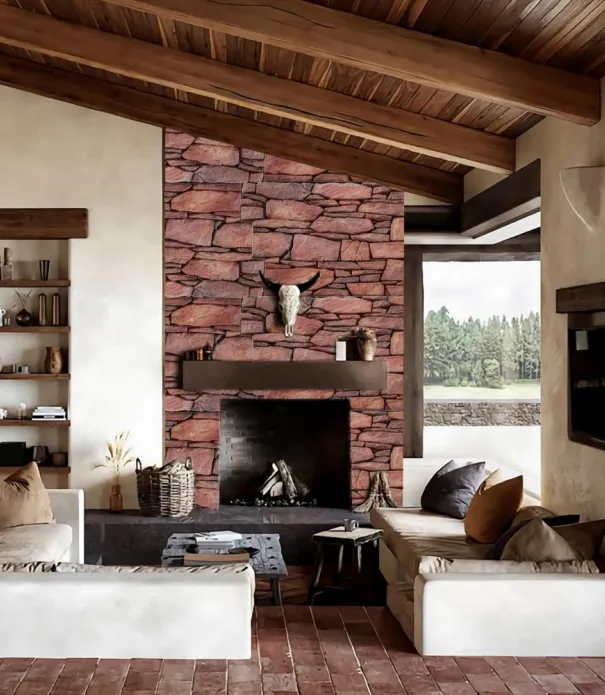
To put this all into context, let's look at a recent project we're proud to have been part of: a 12-story commercial office tower in Riyadh that achieved LEED Gold certification. The developer's goals were clear: create a sustainable, energy-efficient building that would attract top-tier tenants while standing out in Riyadh's skyline.
The challenge? The tower's design called for a rustic stone exterior to complement the surrounding desert landscape—but traditional stone was too heavy for the building's lightweight steel frame. Enter our PU stone wall panel solutions. We worked with the architect to custom-mold panels that mimicked the texture of local Saudi limestone, complete with subtle veining and color variations to match the natural stone aesthetic.
The results were transformative. Installation took just 10 days (compared to 4 weeks for traditional stone), saving the contractor valuable time and labor costs. The panels' insulation properties reduced the building's HVAC load by 18%, contributing to EA Credit 1 and slashing projected energy bills by $40,000/year. And because the panels were manufactured locally (in our Jeddah facility), they qualified for MR Credit 5, adding critical points to the LEED application.
But the real success? The tenants. Within six months of opening, the tower was 95% leased, with companies citing the "sustainable, healthy workspace" as a key factor in their decision. As the project's PU stone wall panel supplier, we didn't just deliver materials—we helped build a community of forward-thinking businesses.
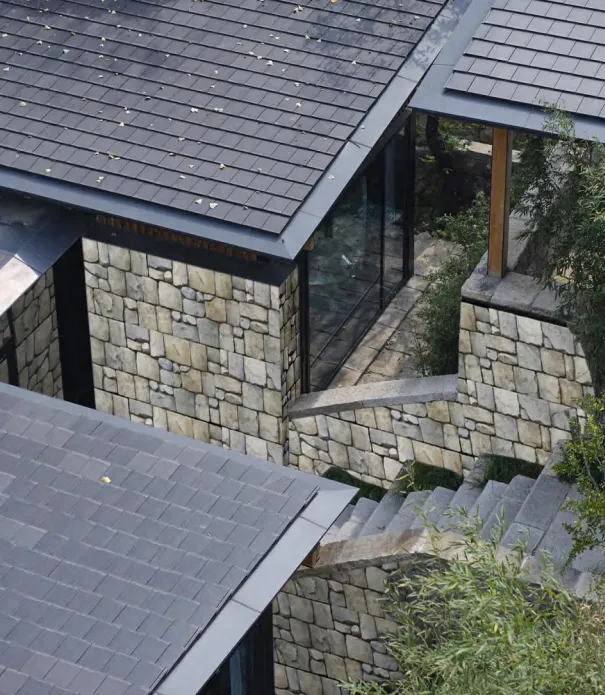
Not all PU stone wall panel suppliers are created equal. When it comes to green certifications, the difference between a product that claims compliance and one that proves it can make or break your LEED or Estidama application. Here's what to prioritize:
Any reputable supplier should provide third-party test reports verifying key sustainability claims: GREENGUARD Gold for low VOCs, recycled content percentages, thermal resistance (R-value), and fire safety ratings (look for Class A, which is required for most commercial projects). For LEED, ask for an Environmental Product Declaration (EPD)—a standardized report that quantifies the product's environmental impact across its lifecycle. For Estidama, ensure the supplier can provide documentation aligned with the Pearl Rating System's criteria, such as regional manufacturing certificates or embodied carbon calculations.
Every project is unique, and your supplier should treat it that way. Look for a team that offers custom color matching, texture options, and panel sizes to fit your design vision. Equally important is technical support: can they help you calculate energy savings for LEED EA credits? Do they provide installation guides tailored to Saudi Arabia's climate? As a one-stop architectural solution provider, we pride ourselves on walking with clients from concept to certification, offering everything from 3D renderings to on-site installation training.
As we saw in the Riyadh case study, local manufacturing is a huge plus for LEED MR Credit 5 and Estidama's regional resource criteria. Choosing a Saudi Arabia building materials supplier with local production facilities reduces transportation emissions, supports the local economy, and ensures faster delivery times—critical for tight project deadlines.
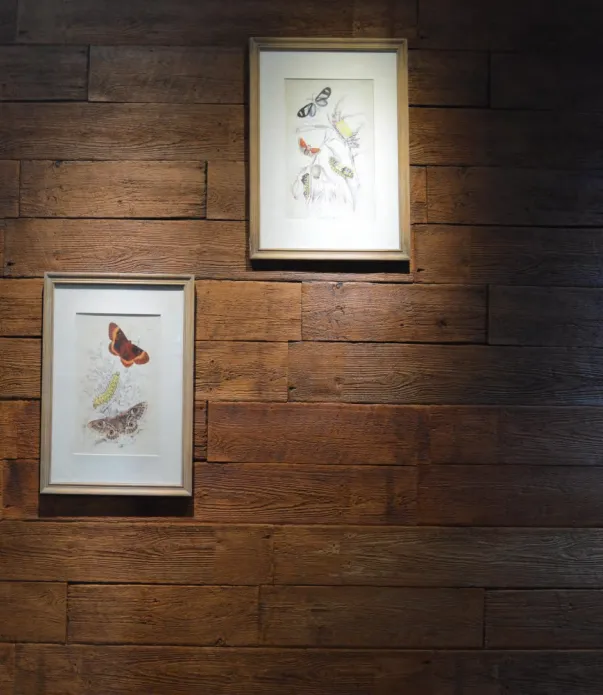
Sustainable construction isn't a trend—it's the future. As LEED and Estidama become the norm rather than the exception, the materials we choose will define not just the buildings we live and work in, but the health of our planet and communities. PU stone wall panels represent more than just a building material; they're a statement that sustainability and beauty can coexist, that innovation can honor tradition, and that even the smallest choice (like the panels on a wall) can have a ripple effect on the world around us.
As a PU stone wall panel supplier and one-stop architectural solution provider, we're proud to be part of this movement. Whether you're building a LEED Platinum skyscraper in Riyadh or a 5-Pearl residential complex in Jeddah, we're here to deliver solutions that don't just meet certifications—they exceed them. Because at the end of the day, green building isn't about checking boxes. It's about building spaces that make us proud to call them home.
Recommend Products











