

In the dynamic world of construction, where deadlines loom, design expectations rise, and material quality can make or break a project, the role of material suppliers has evolved far beyond mere transactions. Today's most successful contractors, architects, and developers aren't just looking for vendors—they're seeking partners. This is especially true in the realm of exterior and interior cladding, where materials like PU stone wall panels have become a go-to choice for their blend of durability, aesthetics, and versatility. But what truly sets a project apart isn't just the quality of the panels themselves; it's the value of partnering with a full-service PU stone wall panel supplier that offers end-to-end solutions. In this article, we'll explore why choosing a one-stop architectural solution provider for your PU stone wall panel needs can transform your construction experience, from streamlined workflows to exceptional results.
Before diving into the benefits, let's clarify what we mean by a "full-service" supplier. A traditional supplier might sell you PU stone wall panels, hand over the invoice, and wish you luck. A full-service PU stone wall panel supplier, by contrast, acts as an extension of your team—offering not just products, but PU stone wall panel solutions that span the entire project lifecycle. This includes design consultation, material selection, customization, logistics coordination, installation support, and post-project maintenance. They don't just deliver panels; they deliver peace of mind, ensuring that every aspect of the cladding process aligns with your project's unique goals, timeline, and budget.
Consider this scenario: A contractor is tasked with revamping a historic building's exterior in Riyadh, where preserving the structure's heritage while adding modern durability is critical. A traditional supplier might send a catalog of standard PU stone panels, leaving the contractor to figure out how to adapt them to the building's irregular contours. A full-service partner, however, would send a design team to the site, take precise measurements, and collaborate with the architect to create custom-cut panels that mimic the original stonework's texture while being lightweight enough for the old structure to support. They'd provide 3D renderings, test samples for weather resistance, and even train the installation crew on how to secure the panels without damaging the historic facade. That's the difference between a vendor and a partner.
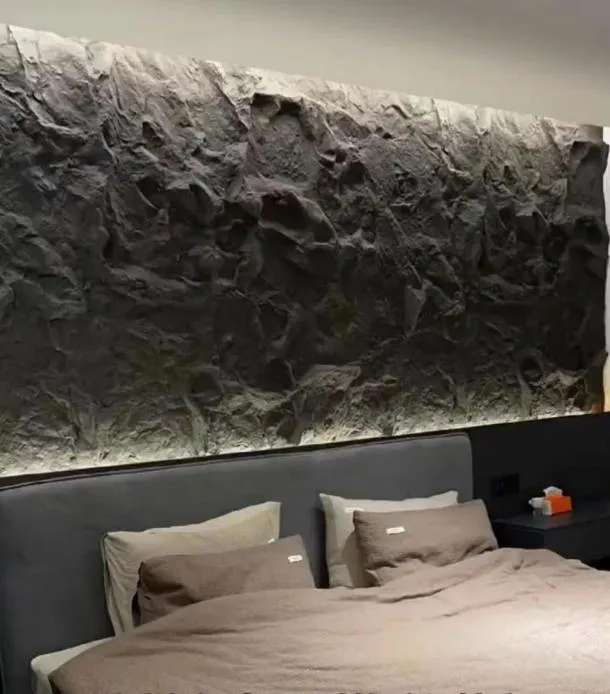
Anyone who's managed a construction project knows the chaos of coordinating multiple vendors. You've got a flooring supplier, a ceiling solutions team, a windows & doors contractor, and yes, a wall panel provider—each with their own timelines, communication styles, and potential for delays. A missed delivery from one can throw off the entire schedule, leading to overtime costs, frustrated clients, and strained relationships. This is where a full-service PU stone wall panel supplier shines: by serving as a single point of contact, they eliminate the need to juggle dozens of emails, calls, and spreadsheets.
Imagine you're overseeing a 50-unit residential complex in Jeddah, and the exterior cladding is scheduled to start in six weeks. With a traditional setup, you'd need to coordinate with the PU stone supplier for panels, a separate logistics company for delivery, and a third firm for installation guidance. If the logistics company hits a snag at the port, the panels arrive late, and suddenly the installation team—booked for those dates—has to reschedule, pushing your timeline back by weeks. With a full-service partner, all of this is handled in-house. Your dedicated project manager tracks the panels from production to delivery, coordinates with the installation crew, and proactively alerts you to potential delays (and solutions) before they become crises. It's like having a built-in project coordinator focused solely on your cladding success.
This streamlining isn't just about convenience—it's about efficiency. A recent survey by the Construction Industry Institute found that projects using single-vendor partnerships for critical materials reported a 23% reduction in coordination-related delays compared to those using multiple suppliers. For busy contractors, that translates to more time focusing on big-picture strategy and less time playing middleman between vendors.
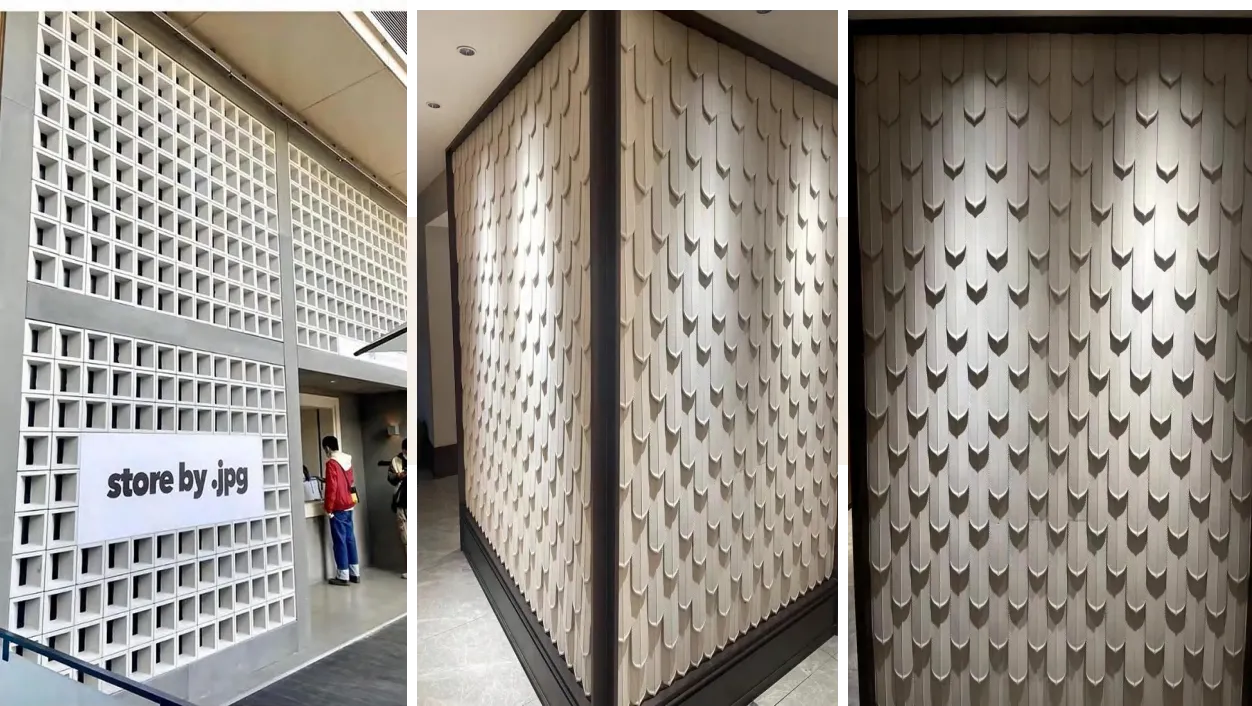
In construction, quality isn't optional—it's essential. A single flawed panel can compromise a building's insulation, weather resistance, or aesthetic appeal, leading to costly repairs down the line. Traditional suppliers often outsource production to third-party factories, making it hard to track quality control or address issues when they arise. A full-service PU stone wall panel supplier, however, maintains strict oversight of the entire manufacturing process, ensuring that every panel meets the highest standards for durability, safety, and consistency.
PU stone wall panels are prized for their lightweight composition, resistance to moisture and UV rays, and fire-retardant properties—attributes that depend heavily on the quality of raw materials and production techniques. A full-service partner uses premium polyurethane resins, reinforced with fiberglass for strength, and subjects each batch to rigorous testing: impact resistance, thermal conductivity, colorfastness, and even sound insulation. They'll provide certification documents, such as ISO 9001 for quality management or local fire safety standards, giving you confidence that the panels meet or exceed regulatory requirements.
But quality control doesn't stop at the factory door. Full-service suppliers also ensure consistency during delivery and installation. For example, if panels arrive on-site and a few are damaged in transit (a rare occurrence, but possible), a traditional supplier might argue over liability. A full-service partner, however, will immediately dispatch replacement panels at no extra cost, with a technician on-site to inspect the remaining shipment and ensure they're installation-ready. They understand that your project's success depends on every panel being perfect—and they act accordingly.
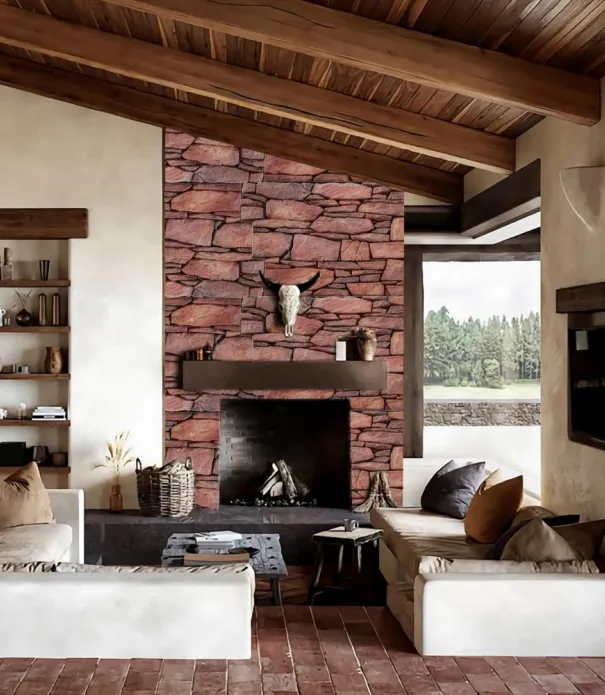
Cost is always a top concern in construction, and while it might be tempting to opt for the cheapest PU stone wall panel supplier upfront, the hidden costs of fragmented vendor relationships can quickly add up. Multiple suppliers mean multiple delivery fees, varying minimum order quantities, and the risk of over-ordering (or under-ordering) materials to avoid delays. A full-service partner, by contrast, leverages economies of scale and integrated logistics to deliver cost savings that go straight to your bottom line.
Let's break it down. First, bulk purchasing power: As a one-stop architectural solution provider, a full-service supplier orders raw materials in large quantities, passing those savings on to you. Second, optimized logistics: Instead of coordinating separate shipments from a panel supplier, a trim supplier, and a sealant vendor, your full-service partner delivers all materials in a single, coordinated shipment—reducing transportation costs and the carbon footprint of your project. Third, waste reduction: By collaborating with you during the design phase, they can help you calculate exact material quantities, minimizing leftover panels (and associated disposal fees). For example, on a recent commercial project in Dubai, a full-service supplier used 3D modeling to optimize panel layouts, reducing material waste by 18% compared to the contractor's initial estimate.
There's also the cost of time. When a project is delayed due to miscommunication between vendors, the expenses pile up: crew overtime, extended equipment rentals, and even penalties for missing client deadlines. A full-service supplier's streamlined approach minimizes these risks, keeping your project on track and your budget intact.
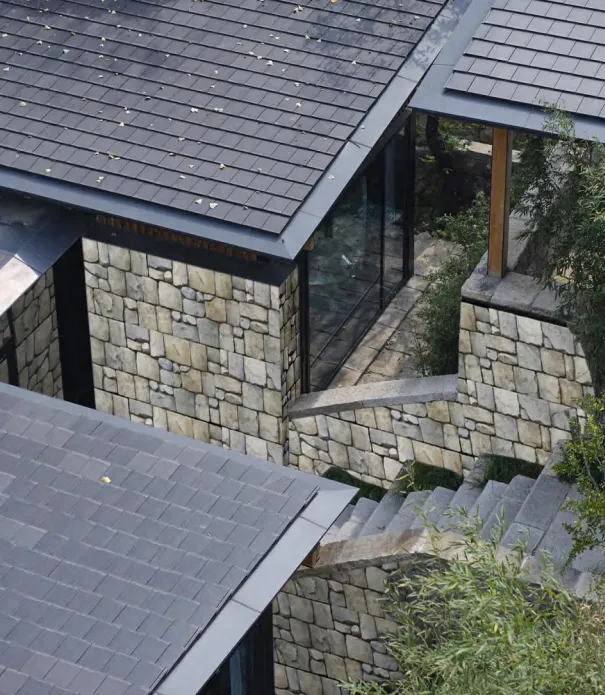
No two construction projects are the same. A luxury hotel might demand PU stone wall panels with a high-end, marble-like finish for its lobby, while a coastal restaurant needs panels that can withstand saltwater corrosion and high humidity. A school might prioritize panels that are easy to clean and impact-resistant, while a boutique office building wants a bold, modern texture to stand out in the skyline. A traditional supplier might offer a handful of standard designs; a full-service PU stone wall panel supplier thrives on turning these unique visions into reality.
Customization starts with design collaboration. Your partner's team will work with your architect to understand the project's aesthetic goals, functional needs, and environmental challenges. For example, if you're designing a hospital wing where hygiene is critical, they might recommend a PU stone panel with an antimicrobial coating and a smooth, non-porous surface that resists mold and bacteria. If you're cladding a mountain retreat, they can create panels with a rough, natural stone texture that blends seamlessly with the landscape.
But customization isn't just about looks—it's about solving problems. Suppose your project involves a curved facade that standard flat panels can't accommodate. A full-service supplier can produce flexible PU stone panels that bend to the required radius, eliminating the need for expensive custom cutting or unsightly seams. Or, if your client wants the look of natural stone but needs a lightweight material to reduce structural load, they can adjust the panel density without compromising durability. The result? A finished product that's not just "good enough," but perfectly aligned with your project's unique identity.

The mark of a true partner is how they support you after the sale. A traditional supplier might ghost you once the panels are delivered; a full-service PU stone wall panel supplier stays invested in your project's long-term success. This includes comprehensive warranty coverage, maintenance guidance, and even ongoing technical support.
Warranties are a key differentiator. Full-service suppliers typically offer longer, more comprehensive warranties—often 10 years or more—covering defects in materials, color fading, and structural integrity. If an issue arises during that period, they'll send a technician to assess the problem and resolve it quickly, whether that means replacing a panel or applying a protective coating. Compare that to a traditional supplier who might offer a 1-year warranty with strict exclusions, leaving you to handle repairs on your own.
Maintenance support is another perk. PU stone wall panels are low-maintenance by nature, but they still require occasional cleaning and inspection. A full-service partner will provide a detailed maintenance guide, including recommended cleaning products, frequency, and techniques to avoid damaging the panels. They might even offer annual inspection services, where a technician visits the site to check for signs of wear and tear, such as loose fasteners or sealant degradation, and address them before they become major issues.
Consider a property management company overseeing a retail plaza in Riyadh. Three years after installation, they notice a few PU stone panels on the food court exterior have begun to discolor. They contact their full-service supplier, who sends a team to investigate. The issue? The cleaning crew had been using a harsh chemical cleaner that reacted with the panel's protective coating. The supplier provides a list of approved, mild cleaners, sends a touch-up kit to restore the panels' color, and even offers to train the cleaning staff on proper maintenance. This level of support turns a potential headache into a seamless experience—and builds loyalty that lasts for future projects.
| Aspect | Traditional PU Stone Wall Panel Supplier | Full-Service PU Stone Wall Panel Supplier |
|---|---|---|
| Project Coordination | Multiple contacts; limited communication with other vendors | Single point of contact; coordinates with your team and other trades |
| Customization | Standard designs only; minimal flexibility | Tailored solutions, including custom colors, textures, and shapes |
| Quality Control | Basic factory checks; little oversight post-production | Comprehensive testing (impact, weather resistance, safety); on-site inspection |
| Cost | Lower upfront price, but hidden costs (shipping, delays, waste) | Higher initial investment, but lower total cost (bulk savings, reduced waste, no delays) |
| After-Sales Support | Limited warranty; minimal assistance post-delivery | Long-term warranty; maintenance guidance; on-site technical support |
Challenge: The developer wanted a luxury hotel with an exterior that evoked the region's desert landscape, using materials that could withstand Qatar's extreme heat and sandstorms. The architect specified large-format PU stone panels with a custom "sandstone" texture, but the project had a tight 12-month timeline, and the contractor was concerned about coordinating multiple vendors.
Solution: The contractor partnered with a full-service PU stone wall panel supplier. From the start, the supplier's design team collaborated with the architect to refine the panel texture, ensuring it mimicked natural sandstone while being lightweight enough for the building's structure. They created 1:1 scale samples for approval, then used 3D modeling to optimize panel layouts and reduce waste.
Result: The supplier coordinated delivery in phases to align with the construction schedule, avoiding on-site storage issues. A technical representative was on-site during installation to train the crew and troubleshoot. The panels were installed two weeks ahead of schedule, and post-installation testing showed they exceeded thermal insulation requirements, reducing the hotel's AC costs by 15%. Three years later, the exterior remains pristine, with the developer renewing their partnership for a second hotel project.
In an industry where every detail matters, the choice of a PU stone wall panel supplier is more than a procurement decision—it's a strategic one. A full-service partner doesn't just sell you panels; they become invested in your project's success, offering PU stone wall panel solutions that simplify workflows, ensure quality, and deliver long-term value. From streamlined project management to customized designs and ongoing support, they transform the often stressful process of material sourcing into a collaborative, efficient experience.
Whether you're building a commercial high-rise, a residential complex, or a boutique hotel, partnering with a one-stop architectural solution provider for your PU stone wall panel needs can make the difference between a project that meets expectations and one that exceeds them. So, the next time you're in the market for cladding materials, ask yourself: Do I want a vendor, or a partner? The answer might just be the key to your project's success.
Recommend Products











