

Choosing the right wall materials for your home or commercial space is like picking the perfect frame for a painting—they set the tone, enhance the beauty, and protect what's inside. If you've ever stood in a hardware store or scrolled through interior design blogs, you've probably faced the dilemma: modern options like PU stone wall panels or tried-and-true gypsum boards? Both have loyal fans, but which one truly fits your project? Let's dive into this head-to-head comparison, breaking down everything from durability to aesthetics, so you can make a choice that feels right for your space, your budget, and your style.
Before we pit them against each other, let's get clear on what these materials are. Think of this as introductions at a party—you can't decide who to invite to your "interior design squad" without knowing their personalities.
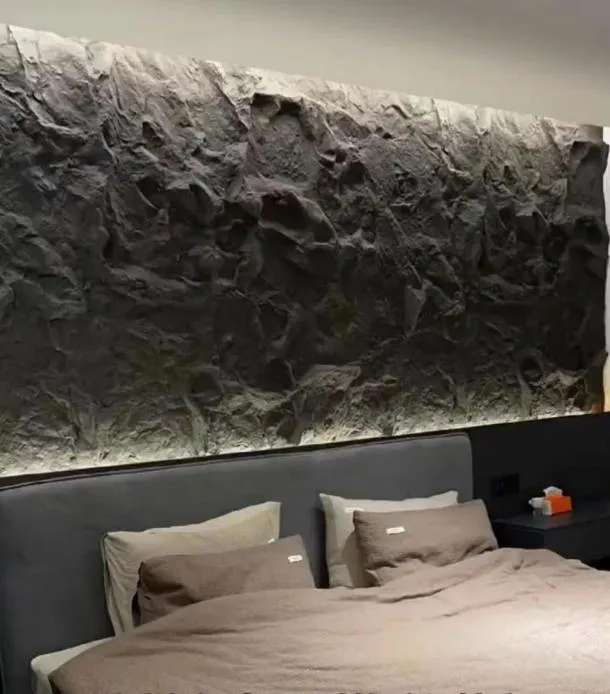
PU stone wall panel solutions are the new kids on the block, but they've quickly made a name for themselves. "PU" stands for polyurethane, a flexible, durable polymer that's mixed with stone aggregates, pigments, and additives to create panels that mimic the look of natural stone—think granite, limestone, or even rustic fieldstone—without the weight or hassle. These panels are lightweight, flexible, and often come in large sheets or interlocking tiles, making them a favorite for designers who want high-end aesthetics with practicality.
Suppliers of pu stone wall panel solutions often highlight their versatility: they can be used on accent walls in living rooms, backsplashes in kitchens, or even in bathrooms (yes, bathrooms!) thanks to their moisture-resistant properties. Unlike real stone, which requires structural support, PU panels are easy to install on existing walls, making them a go-to for renovations or quick upgrades.
Gypsum boards—also called drywall or plasterboard—are the old reliables. If you've ever lived in a typical home or walked into an office, chances are the walls around you were made of gypsum. They're composed of a soft sulfate mineral core (gypsum) sandwiched between layers of thick paper, then cut into large sheets. Installers attach them to wall studs with screws, tape the seams, and cover them with joint compound to create a smooth, blank canvas.
Gypsum boards have been around for over a century, and for good reason: they're affordable, easy to work with, and a blank slate for paint, wallpaper, or texture. They're the backbone of most interior walls, loved by contractors for their speed of installation and homeowners for their low upfront cost. But as with any classic, there are limitations—think moisture sensitivity and vulnerability to dents.
Now that we know who we're dealing with, let's put them to the test. We'll compare them on the factors that matter most when choosing walls solutions: durability, installation, aesthetics, cost, maintenance, and more. By the end, you'll have a clear picture of which material aligns with your project goals.
When it comes to walls, durability isn't just about looking good on day one—it's about how they hold up to life's little (and big) mishaps. Let's break it down:
Gypsum boards and water? Not exactly BFFs. Standard gypsum absorbs moisture like a sponge, which can lead to warping, mold, or even structural damage in damp areas like bathrooms, basements, or laundry rooms. You can buy "moisture-resistant" gypsum (often greenboard), but it's still not fully waterproof—think of it as a raincoat, not a scuba suit. Leave it in standing water, and it will fail.
PU stone wall panel solutions, on the other hand, laugh in the face of moisture. Polyurethane is inherently water-resistant, and when combined with stone aggregates, the panels repel water rather than absorb it. This makes them ideal for high-moisture spaces: picture a bathroom with a stone accent wall that never gets moldy, or a basement that stays dry even during rainy seasons. Some suppliers even market them as "shower-safe," though it's always smart to check the specific product specs.
Life is messy. Kids run into walls, furniture gets bumped, and packages get dropped. How do these materials hold up?
Gypsum boards are surprisingly fragile. A hard knock from a toy truck or a misaimed elbow can leave a dent or even a hole. While small dents can be patched with spackle, larger damage often means cutting out a section and replacing it—time-consuming and messy. And forget about hanging heavy items without anchors; the paper facing can tear, leaving you with a wobbly shelf.
PU stone wall panels are built tougher. The polyurethane core is flexible, so it can absorb impacts without cracking or denting. Think of it like a rubber ball vs. a ceramic plate—one bounces back, the other shatters. We've heard stories of homeowners accidentally hitting panels with a vacuum cleaner or moving furniture and finding zero damage. They're also strong enough to hold lightweight shelves or decor with just a nail or screw, no anchors needed (though always check weight limits!).
Installation can make or break a project, especially if you're a DIYer or working with a tight timeline. Let's see how these two stack up.
Gypsum boards are heavy. A standard 4x8-foot sheet of ½-inch gypsum weighs around 50 pounds—manageable for two people, but a struggle for one. Carrying them up stairs or around tight corners can be a workout, and cutting them creates a lot of dust (hello, post-installation cleanup!).
PU stone wall panels are lightweight by design. Most panels weigh 2-5 pounds per square foot, so even a large 4x8 sheet is easy for one person to carry. Cutting them is a breeze too—you can use a utility knife or jigsaw with minimal dust, making them a dream for DIYers or anyone who hates cleanup. One homeowner we spoke to installed an accent wall in their living room solo in just a few hours—no helper needed!
Installing gypsum boards is a multi-step process: measure and cut the boards, screw them to studs, tape the seams, apply joint compound (and sand, and reapply, and sand again), prime, and paint. For a small room, that's a weekend project—for a whole house, it could take weeks. You'll need specialized tools like drywall saws, taping knives, and sanders, and the learning curve is steep if you've never done it before.
PU stone panels simplify things. Most come with interlocking edges or adhesive backing, so installation is as straightforward as measuring, cutting, and sticking (or nailing) them to the wall. No taping, no mudding, no sanding. Many suppliers even offer peel-and-stick options for renters or quick updates. A typical accent wall can be installed in a day, start to finish, with basic tools: a tape measure, utility knife, level, and drill. It's the kind of project that lets you enjoy the results the same weekend you start.
Walls aren't just functional—they're part of your home's personality. Let's talk looks, textures, and that "wow" factor.
Gypsum boards are all about simplicity: a smooth, flat surface. That's great if you want a minimalist look or plan to add wallpaper or bold paint, but on their own, they're pretty plain. You can add texture with techniques like knockdown or orange peel, but that requires skill and adds time (and cost) to the project.
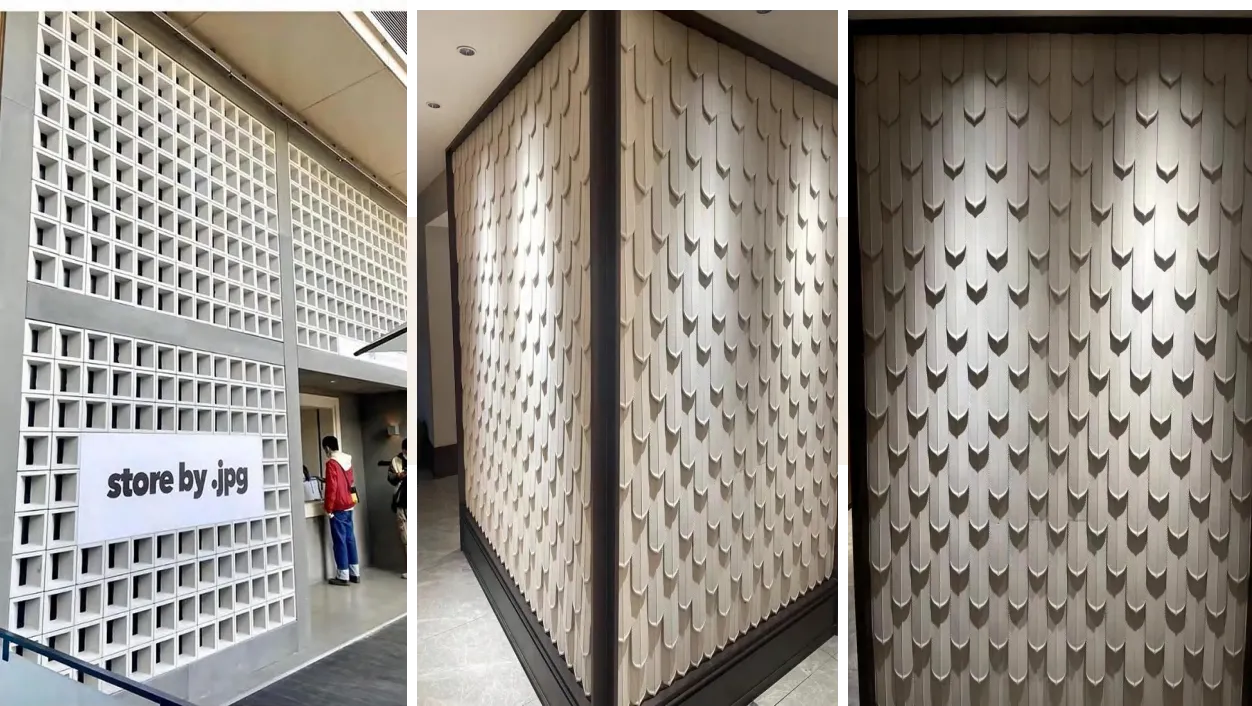
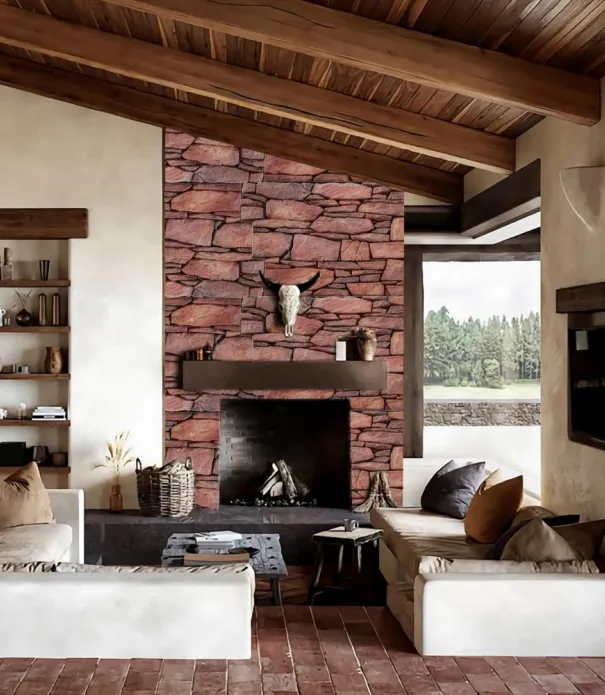
PU stone wall panel solutions are all about texture and realism. Suppliers use high-definition molds to replicate the look and feel of natural stone, from the rough-hewn edges of fieldstone to the smooth veining of marble. Run your hand over a PU panel, and you'll be surprised—it feels like the real thing. They come in a range of colors, from earthy neutrals to bold grays and blacks, and some even have a glossy or matte finish. Want a rustic cabin vibe? Go for stacked stone panels. Dreaming of a modern industrial look? Try sleek, charcoal-hued panels. The options are endless, and they instantly add depth and character to a room.
Gypsum's strength is its flexibility as a blank canvas. You can paint it any color, cover it with wallpaper, or even add 3D wall art. But changing styles means repainting or re-wallpapering, which is a commitment. If you love updating your decor seasonally, gypsum can feel limiting—unless you're okay with frequent DIY projects.
PU stone panels are more permanent in their look but offer customization upfront. Many suppliers let you mix and match panel sizes or colors to create unique patterns. Some even offer custom molds if you have a specific stone look in mind. And since they're pre-finished, there's no painting or sealing needed—install them, and they're ready to shine. For renters or those who like to switch styles, peel-and-stick PU panels are a game-changer: apply them, enjoy them, and remove them without damaging the walls.
Let's talk numbers—because budget is always a factor. Gypsum boards are cheaper upfront, but PU panels might save you money in the long run. Here's how it breaks down:
Gypsum boards are budget-friendly. Materials cost $1-$3 per square foot, and professional installation adds $2-$5 per square foot, totaling $3-$8 per square foot installed. For a 10x10-foot room, that's $300-$800—hard to beat.
PU stone wall panels are pricier upfront. Materials cost $8-$20 per square foot, and installation adds $3-$7 per square foot, totaling $11-$27 per square foot installed. For that same 10x10-foot room, you're looking at $1,100-$2,700—significantly more. But before you write them off, let's talk long-term value.
Gypsum boards may be cheap upfront, but they cost more over time. Dents and holes require patching, sanding, and repainting—$50-$100 per repair. If you live in a humid area, you might need to replace water-damaged sections every few years. And if you get bored with the color? Repainting a room costs $200-$500. Over 10 years, those costs add up.
PU stone panels are a one-and-done investment. They rarely need repairs—no patching, no repainting. Their moisture resistance means they won't warp or mold, so you won't be replacing sections. And since they're pre-finished, you won't pay for painting or sealing. Over 10 years, the total cost of ownership is often lower than gypsum, especially in high-traffic or high-moisture areas.
Life is busy—you don't need walls that demand constant attention. Let's see which material fits into your low-maintenance lifestyle.
Gypsum walls are surprisingly high-maintenance. Dust sticks to their porous surface, and stains (think kid's crayons or pet accidents) can be tough to remove without damaging the paint. You'll need to dust them regularly and spot-clean with a mild detergent—avoid harsh cleaners, which can strip paint.
PU stone wall panels are the definition of easy care. Their smooth, non-porous surface repels dust and stains, so a quick wipe with a damp cloth is all they need. Crayon? Wipe it off with a magic eraser. Grease splatter in the kitchen? Soap and water work wonders. One busy parent told us, "I haven't cleaned my PU accent wall in months, and it still looks brand new—even with two kids and a dog!"
Damaged gypsum boards often require major repairs. A large hole means cutting out a section of the board, installing a new piece, taping, mudding, sanding, and repainting. If you're not handy, you'll need to hire a pro—$150-$300 per repair.
PU stone panels are easy to repair. Most panels are interlocking, so if one gets damaged, you can simply remove and replace it. No taping, no mudding—just pop out the old panel and snap in a new one. Replacement panels cost $10-$30 each, and the fix takes 15 minutes. Even if you're not DIY-savvy, it's a simple job.
Safety is non-negotiable, especially in homes and commercial spaces. Both materials have fire-resistant properties, but there are key differences.
Gypsum boards are inherently fire-resistant. The gypsum core contains water molecules, which release as steam when exposed to heat, slowing the spread of fire. Most building codes require gypsum in walls for this reason, and "fire-rated" gypsum (Type X) can resist fire for up to 2 hours. It's why gypsum is the go-to for schools, hospitals, and apartment buildings.
PU stone wall panels vary by product. Standard polyurethane is flammable, but many suppliers offer fire-retardant versions treated with additives to meet Class A or B fire ratings. Always check the product specs—look for panels with ASTM E84 Class A ratings for the highest safety. While they may not match gypsum's natural fire resistance, they're still safe for most residential and commercial spaces when installed properly.
Still on the fence? This table breaks down the key differences to help you decide:
| Feature | PU Stone Wall Panel Solutions | Gypsum Boards |
|---|---|---|
| Material | Polyurethane foam + stone aggregates | Gypsum core + paper facing |
| Weight | 2-5 lbs/sq ft (lightweight) | 10-15 lbs/sq ft (heavy) |
| Moisture Resistance | Waterproof; ideal for bathrooms/basements | Moisture-sensitive; needs greenboard for damp areas |
| Impact Resistance | High (flexible, resists dents) | Low (prone to dents/holes) |
| Installation Time | 1-2 days for a room (DIY-friendly) | 3-5 days for a room (multiple steps) |
| Cost (Installed) | $11-$27/sq ft (higher upfront, lower long-term) | $3-$8/sq ft (lower upfront, higher long-term) |
| Maintenance | Low (wipe with damp cloth; easy repairs) | High (dusting, patching, repainting) |
| Aesthetic Options | High (realistic stone textures, colors, finishes) | Low (smooth, requires paint/wallpaper) |
| Best For | Accent walls, bathrooms, high-traffic areas, DIY projects | Whole-house walls, budget projects, spaces needing frequent style changes |
To make it even clearer, let's walk through a few common scenarios. Which material would we recommend?
Bathrooms are high-moisture zones, so moisture resistance is key. PU stone wall panel solutions are the obvious choice here—they'll resist mold and warping, and their stone texture adds luxury. Skip gypsum unless you want to deal with water damage down the line.
Gypsum boards are your friend. Install them, add a fresh coat of paint, and maybe some wallpaper for texture. You'll save money upfront, and if you hate the color later, repainting is easy. For a budget-friendly accent wall, consider peel-and-stick PU panels—they're affordable and removable.
First impressions matter, and PU stone wall panel solutions deliver luxury without the cost of real stone. Their durability and low maintenance make them perfect for high-traffic commercial spaces. Pair them with complementary flooring solutions for a cohesive, upscale look that will impress clients for years.
PU panels are the way to go. Their lightweight design and easy installation mean you can finish a project in a weekend. No dust, no heavy lifting, and no specialized tools—just instant results. Gypsum would take too long and require more skill.
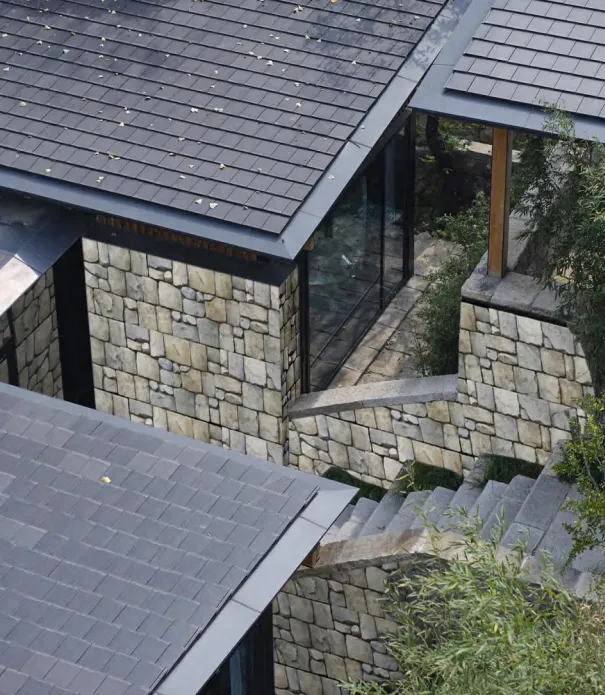
There's no one-size-fits-all answer—both PU stone wall panel solutions and gypsum boards have their strengths. Gypsum is the budget-friendly workhorse, perfect for whole-house walls and spaces where you want to change styles often. PU panels are the modern upgrade, ideal for accent walls, high-moisture areas, and anyone who wants luxury with minimal maintenance.
Here's our final advice: If you prioritize durability, aesthetics, and long-term value, go with PU stone wall panel solutions. If budget and flexibility (for paint/wallpaper) are your top concerns, stick with gypsum. And remember, there's no rule that says you can't mix them—use gypsum for most walls and PU panels for an accent wall to add texture and personality.
At the end of the day, the best walls solutions are the ones that fit your lifestyle, budget, and vision. Whether you choose classic or modern, your walls should make you happy every time you walk into the room—and that's the real measure of success.
Recommend Products











