

Choosing the right wall panels for your project—whether you're building a new home, renovating an office, or sprucing up a commercial space—feels a lot like picking out the perfect pair of shoes. You want something that looks good, fits your budget, lasts long, and doesn't give you headaches down the line. Two options that often end up on the shortlist are PU stone wall panels and fiber cement panels. Both have their fans, but which one really delivers the best bang for your buck? Let's dive in and break down the cost, benefits, and real-world performance of these two popular choices—no jargon, just straight talk for anyone who's ever stared at a wall and thought, "What do I put on this thing?"
Before we start crunching numbers, let's make sure we're all on the same page about what these panels are. It's easy to get overwhelmed by industry terms, but here's the CliffsNotes version:
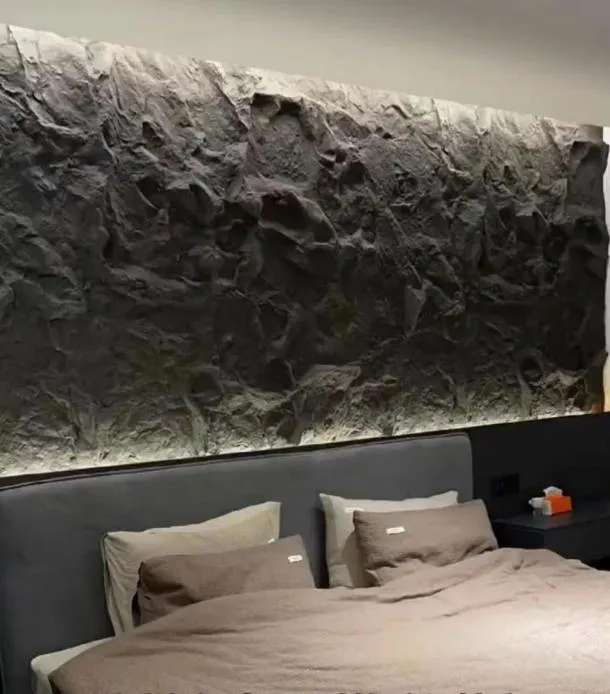
PU stone wall panels—short for polyurethane stone wall panels—are like the modern, tech-savvy cousin in the wall panel family. They're made from a blend of polyurethane foam and mineral additives, designed to mimic the look and texture of natural stone (think granite, marble, or slate) but with a much lighter, more flexible feel. If you've ever seen a stunning stone accent wall in a boutique hotel or a sleek restaurant and thought, "There's no way that's real stone," chances are it was PU stone. These panels are often sold as part of "pu stone wall panel solutions," which means suppliers don't just hand over a stack of panels—they'll often include design support, installation tips, and even custom color or texture options to match your project's vibe.
Here's what makes them stand out: They're lightweight (we're talking 5-8 pounds per square foot, compared to real stone's 25+ pounds), which makes them a dream for installation. They're also flexible, so they can bend slightly to fit curved walls or unique architectural features. And because they're synthetic, they're resistant to things like moisture, mold, and even pests—no more worrying about termites munching on your accent wall.
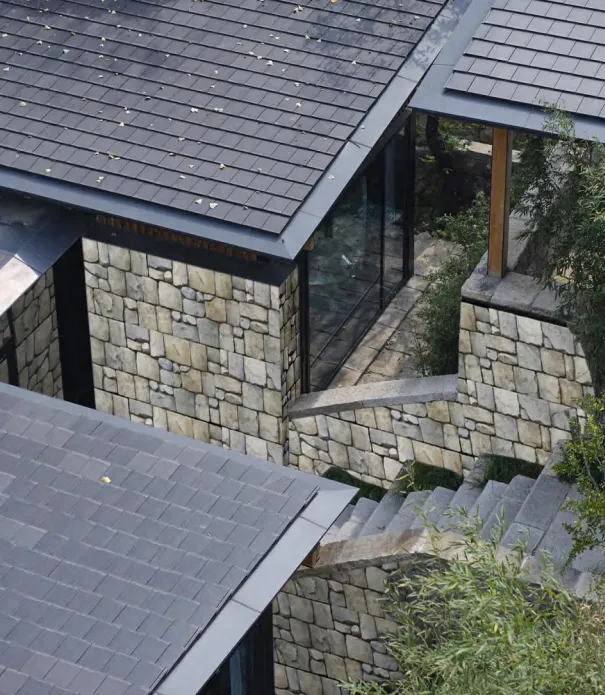
Fiber cement panels, on the other hand, are the reliable, no-nonsense type. They've been around for decades, and for good reason. Made from a mix of cement, sand, cellulose fibers, and water, they're the definition of "built to last." You've probably seen them on the exterior of schools, hospitals, or even older homes—they're the ones that look clean, uniform, and like they could survive a zombie apocalypse. They're known for being tough, fire-resistant, and relatively low-maintenance, which is why contractors and builders have trusted them for so long.
But here's the trade-off: They're heavy. Like, "need two people to carry one panel" heavy. And while they come in a range of colors and textures, they're not as versatile as PU when it comes to mimicking high-end stone looks. Think of fiber cement as the practical boots of wall panels—sturdy, but not exactly designed to turn heads at a party.
At the end of the day, most of us care about two things: "How much is this going to cost me?" and "Will it be worth it?" Let's break down the numbers and real-world factors that matter most, from the first invoice to the 10-year mark.
Let's start with the upfront price tag—the number that makes most people wince when they first start shopping. If you walk into a building supply store or chat with a supplier, here's what you'll likely hear: Fiber cement panels are cheaper. On average, they'll run you about $10-$15 per square foot, depending on the brand and thickness. PU stone wall panels, on the other hand, tend to sit in the $15-$25 per square foot range. That's a 50-60% difference in some cases—enough to make you think, "Why would anyone choose PU?"
But hold on—initial cost is just the first chapter of this story. Let's say you're covering a 100-square-foot wall. Fiber cement would cost you $1,000-$1,500 upfront, while PU would be $1,500-$2,500. That's a $500-$1,000 gap. But here's the thing: That gap might shrink (or even disappear) when you factor in other costs, like installation, maintenance, and how long each panel lasts. As any seasoned builder will tell you, the cheapest thing upfront is rarely the cheapest in the long run.
Installation is where PU stone wall panels start to fight back. Remember how we said PU panels are lightweight? That's not just a fun fact—it's a game-changer for your labor bill. Let's say you hire a crew to install your wall panels. With fiber cement, you'll need at least two people per panel because they're heavy (15-20 pounds per square foot). They also require special tools—like diamond-tipped saws—to cut, since cement is tough on regular blades. And if you're working on a second floor or a high-rise? Good luck hauling those heavy panels up ladders or elevators—you might even need to rent a crane for large projects. All that adds up: Labor costs for fiber cement can run $8-$12 per square foot, and that's not including tool rentals or extra crew members.
PU stone panels? They're so light that one person can carry and install them. No special saws needed—you can cut them with a regular utility knife. They also come with interlocking edges or peel-and-stick backs (depending on the supplier), which means installation is more like putting together a giant puzzle than wrestling with heavy slabs. Labor costs here? More like $3-$6 per square foot. Let's do the math on that 100-square-foot wall again: Fiber cement installation might cost $800-$1,200, while PU would be $300-$600. Suddenly, that initial $500 gap in panel cost is looking a lot smaller—maybe even flipped in PU's favor.
Nobody wants to spend weekends repainting or repairing walls. Let's talk about what happens after the panels are up. Fiber cement panels are durable, but they're not invincible. They're porous, which means they can absorb water if they're not sealed properly. That leads to issues like cracking, warping, or even mold growth in humid climates. And while they come pre-painted, that paint fades over time—especially if they're exposed to direct sunlight. Expect to repaint fiber cement panels every 5-7 years, which costs about $2-$4 per square foot (including paint and labor). If you skip that? You're looking at more frequent repairs down the line.
PU stone panels, on the other hand, are basically maintenance-free. Their polyurethane core is water-resistant, so moisture beads right off. They're also UV-stabilized, which means the color won't fade—even in harsh sunlight. Most suppliers warranty their PU panels against fading, cracking, or peeling for 10-15 years. So unless you decide to change the color or texture, you'll never need to repaint or seal them. Let's say you keep the wall for 15 years: Fiber cement would need 2-3 repaints, costing $400-$1,200 total for that 100-square-foot wall. PU? $0. That's a huge long-term savings.
Fiber cement panels have a reputation for being "tough as nails," and for good reason. They can last 25-50 years if properly maintained (read: regularly repainted and sealed). They're resistant to fire, rot, and pests, which is why they're a staple in commercial buildings and coastal areas (where saltwater can eat away at other materials). But here's the catch: That 50-year lifespan only holds if you stay on top of maintenance. Skip a repaint, and you might start seeing cracks or water damage in as little as 10 years.
PU stone panels, while newer, are no slouches in the durability department. Most manufacturers claim a lifespan of 20-30 years, even without maintenance. They're not as fire-resistant as fiber cement (more on that later), but they're still tough against everyday wear and tear. Scratches? Wipe them off with a damp cloth. Minor dents? They're flexible, so they might bounce back. And since they're moisture-resistant, they won't rot or warp in humid basements or bathrooms. For most residential or light commercial projects, 20-30 years is more than enough—especially if you're someone who likes to update their space every decade or so anyway.
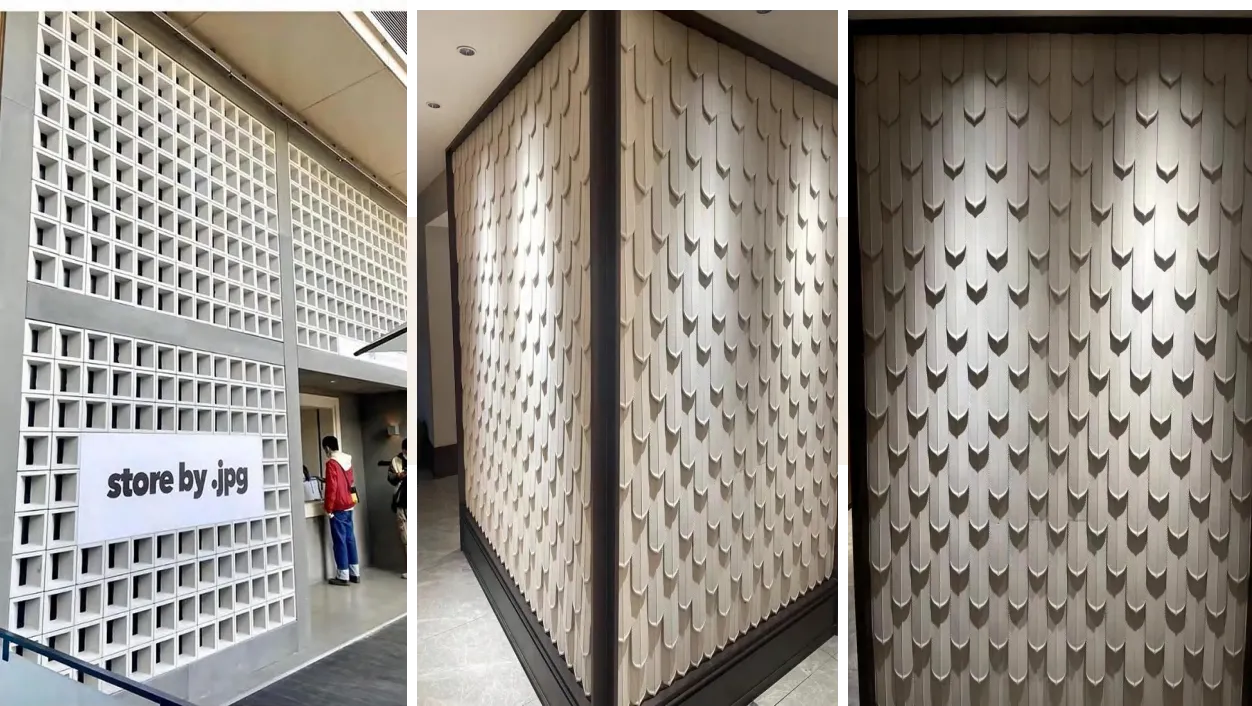
Let's be honest—we don't just build walls to keep the rain out. We want them to look good. Fiber cement panels are functional, but their design options are limited. They come in solid colors, wood grains, or basic textures, but they lack the depth and detail of real stone. You'll never mistake fiber cement for a genuine marble or travertine wall—it has a flat, almost plastic-like finish that can feel "budget" in high-end spaces.
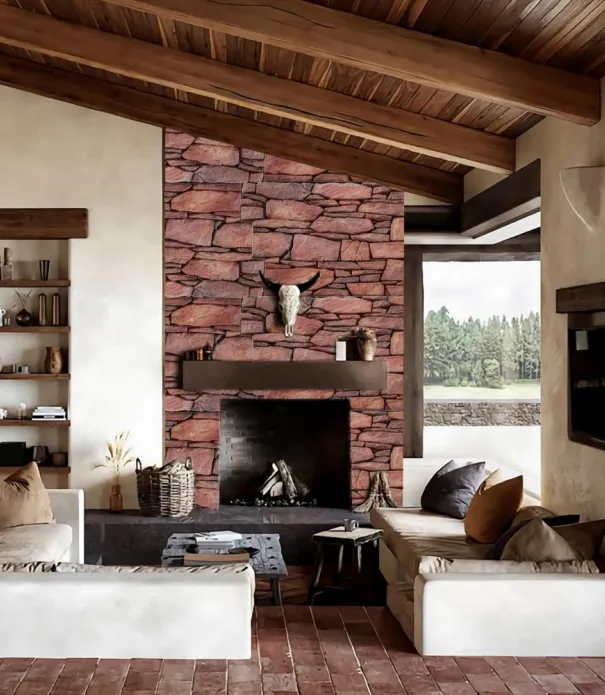
PU stone panels, though? They're all about the "wow" factor. Thanks to advanced molding techniques, suppliers can replicate the exact texture, veining, and color of natural stone—right down to the tiny cracks and mineral deposits that make real stone unique. Want a wall that looks like it was quarried from the Swiss Alps? There's a PU panel for that. Prefer the soft, swirled look of cloud stone? Yep, that's an option too. And because they're flexible, they can be made into 3D patterns or curved shapes that fiber cement (which is rigid) can't match. For businesses like restaurants, hotels, or retail stores, where ambiance drives customer experience, that "high-end" look can translate to higher foot traffic and sales. Even homeowners report getting compliments like, "Is that real stone? It's stunning!"—and isn't that worth a little extra upfront cost?
If you're building a school, hospital, or any commercial space, fire safety isn't optional—it's the law. Fiber cement panels are inherently fire-resistant, often earning a Class A fire rating (the highest) without any extra treatments. That's because cement doesn't burn, and the cellulose fibers in the mix slow down heat transfer. For projects that need to meet strict fire codes—like "class a fireproof cpl inorganic board for hospital and school supplier" standards—fiber cement is a safe bet.
PU stone panels, being made of polyurethane, are more flammable by nature. But don't write them off yet: Many suppliers now offer fire-retardant versions that meet Class B or even Class A ratings. They add flame inhibitors to the polyurethane mix, which slow down burning and prevent the spread of flames. Just make sure to ask your pu stone wall panel supplier about their fire ratings—if they're a reputable company, they'll have test reports handy. For residential projects or low-risk commercial spaces (like offices), Class B might be enough. But for hospitals, schools, or high-rises, you might need to stick with fiber cement or splurge on the premium fire-retardant PU panels.
These days, "Is it eco-friendly?" is almost as common a question as "How much does it cost?" Fiber cement panels are made from natural materials (cement, sand, wood fibers), which sounds good, but cement production is a major carbon emitter—it's responsible for about 8% of global CO2 emissions. Plus, their weight means more fuel is used to transport them, adding to their carbon footprint.
PU stone panels are synthetic, but many suppliers are stepping up their green game. Some use recycled polyurethane foam in their panels, and others have low-VOC (volatile organic compound) formulas that don't off-gas harmful chemicals. Their lightweight design also cuts down on transportation emissions—you can fit twice as many PU panels on a truck as fiber cement panels, which means fewer trips to the job site. And since they last 20+ years without needing replacement, they reduce waste over time. It's not a perfect eco-solution, but it's better than you might think.
| Factor | PU Stone Wall Panels | Fiber Cement Panels |
|---|---|---|
| Initial Cost (per sq ft) | $15-$25 | $10-$15 |
| Installation Cost (per sq ft) | $3-$6 | $8-$12 |
| Annual Maintenance Cost | $0 (no repainting/sealing) | $0.30-$0.50 (repainting every 5-7 years) |
| Expected Lifespan | 20-30 years | 25-50 years (with regular maintenance) |
| Weight (per sq ft) | 5-8 lbs | 15-20 lbs |
| Fire Rating (Standard) | Class B (upgradable to Class A) | Class A |
| Design Options | High (mimics real stone, 3D textures, custom colors) | Limited (solid colors, basic wood grains) |
| Best For | Accent walls, high-rises, renovations, curved surfaces | Exteriors, commercial buildings, high-moisture areas (with maintenance) |
At the end of the day, there's no "one size fits all" answer—but there are some clear scenarios where one panel shines brighter than the other. Let's break it down by project type:
Choose PU stone wall panels if… You're working on a residential renovation, an accent wall, or a space where aesthetics matter most (like a restaurant or boutique). You want to save on labor costs, hate the idea of repainting every few years, or need a lightweight option for high floors or curved walls. If you can swing the slightly higher upfront cost, the long-term savings in installation and maintenance will make it worth it.
Choose fiber cement panels if… You're building a commercial space with strict fire codes (like a school or hospital), or you live in a harsh climate (coastal, extreme heat, or heavy rain) where maximum durability is non-negotiable. You also prefer a "set it and forget it" material (as long as you remember to repaint!) and don't mind sacrificing some design flair for longevity.
When I talked to Maria, a general contractor who's worked with both materials, she summed it up best: "I use fiber cement for industrial warehouses where no one cares what the walls look like—just that they don't burn or rot. But for my clients who want a 'wow' wall in their living room or retail space? I always push PU stone. The labor savings alone make up for the panel cost, and the finish is unbeatable."
At the end of the day, both PU stone wall panels and fiber cement panels have their place. If you value design, ease of installation, and long-term maintenance savings, PU stone wall panel solutions are hard to beat. If you need maximum fire resistance or plan to keep the space for 50+ years, fiber cement might be the safer bet. The key is to think beyond the initial price tag and ask: What matters most for your project? A wall that looks amazing and costs less over time? Or one that's tough as nails, even if it needs a little TLC every few years?
Whichever you choose, do yourself a favor and talk to a reputable supplier—whether it's a pu stone wall panel supplier or a fiber cement expert. They can walk you through samples, share local cost data, and help you make a decision that fits your budget, timeline, and style. After all, a wall isn't just a wall—it's part of the space where you live, work, and create memories. It should be worth every penny.
Recommend Products











