

When it comes to building or renovating a space—whether it's a cozy home, a bustling office, or a grand commercial complex—the choice of wall cladding isn't just about covering surfaces. It's about crafting an identity. The materials you pick shape how a space feels, how it performs over time, and even how it interacts with the environment. In today's market, two options stand out for their unique blend of style and substance: PU stone wall panel solutions and traditional brick veneer. As a building material supplier deeply involved in both interior and exterior decoration materials, I've seen firsthand how these two choices can transform projects. Let's dive into their world—exploring what makes each tick, how they stack up aesthetically and functionally, and which might be the right fit for your next project.
First, let's talk about PU stone wall panels. If you're not familiar, you might be wondering: "What exactly are these panels, and why are they gaining so much traction?" Let's start with the basics. PU, or polyurethane, is a synthetic material known for its lightweight, durable, and versatile properties. When combined with natural stone particles, additives, and a reinforcing layer, it becomes PU stone wall panel solutions —a cladding option that marries the best of nature and technology.
Most PU stone panels are crafted through a process called reaction injection molding (RIM). This involves mixing two liquid components (polyol and isocyanate) that expand and harden into a rigid foam structure, infused with crushed stone, minerals, or even recycled materials for texture and weight. The result? A panel that looks and feels like natural stone but weighs a fraction of the real thing. Think of it as nature's beauty, reimagined for the demands of modern construction.
As a PU stone wall panel supplier , the value we bring goes beyond just selling a product. It's about offering solutions tailored to project needs. That means customizable colors (from earthy neutrals to bold hues), textures (rough-hewn, polished, or even wood-grain imitations), and sizes (standard or made-to-measure for unique designs). Many suppliers also include installation guides, compatibility with other materials, and after-sales support—because a great cladding solution isn't just about the panels themselves, but how seamlessly they integrate into your vision.
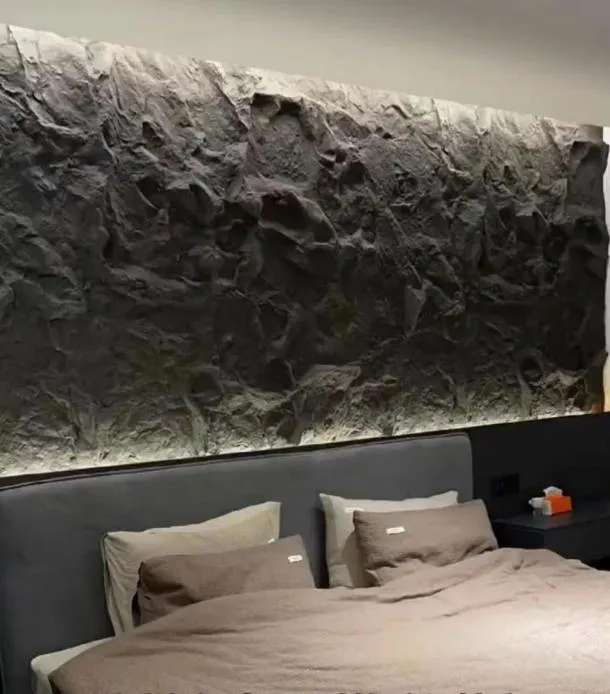
Now, let's shift to brick veneer—a material with roots stretching back centuries, yet still evolving. Unlike solid brick walls (which are load-bearing and massive), brick veneer is a thin layer of bricks applied to a structural wall (often wood or steel framing). It's the "face" of the wall, adding character without the weight of traditional masonry.
Traditional brick veneer uses clay bricks, fired in kilns to achieve that iconic red, brown, or tan color. But modern options have expanded: concrete bricks (for uniformity and strength), glazed bricks (for a shiny, waterproof finish), and even thin brick slips (small, lightweight tiles that mimic full bricks). This variety means brick veneer isn't just for colonial-style homes anymore—it can fit sleek, contemporary designs too.
Installing brick veneer is a labor of precision. Masons lay bricks with mortar, leaving a small air gap between the veneer and the structural wall to allow for drainage and insulation. This gap is crucial—it prevents moisture from seeping into the building, a common issue in older brick constructions. While it's a time-honored process, it's also one that demands skill; a poorly installed veneer can crack, shift, or let water in, undoing all that classic charm.
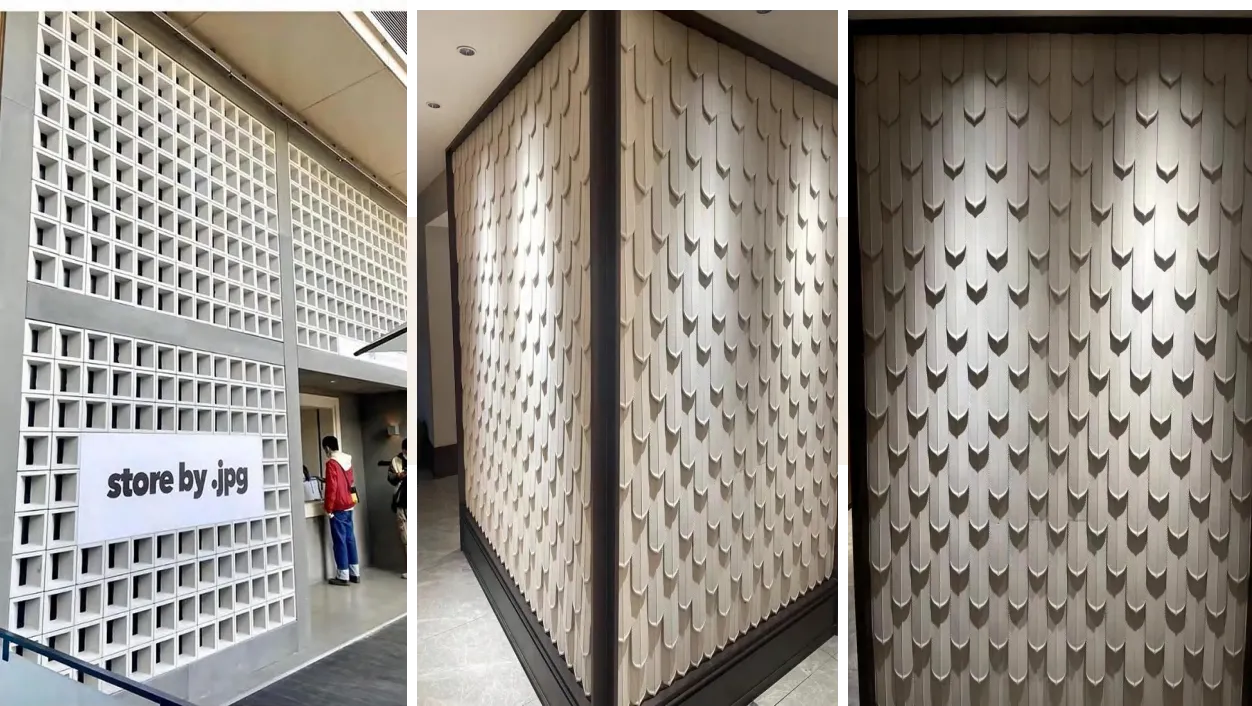
Looks matter. Whether you're aiming for a rustic farmhouse vibe, a minimalist urban loft, or a historic restoration, the right cladding can make or break the design. Let's compare how PU stone panels and brick veneer hold up in the aesthetics department.
PU stone panels excel at mimicry. Want the rugged texture of mountain stone? The smooth elegance of marble? The weathered charm of river rock? A PU stone wall panel supplier can replicate almost any natural texture with stunning accuracy. The panels often have 3D reliefs, deep grooves, and varied color gradients that make them indistinguishable from the real thing—minus the heft. For modern projects craving organic warmth without the limitations of natural stone, this is a game-changer.
Brick veneer, on the other hand, leans into its heritage. Its texture is defined by the bricks themselves—rough or smooth, chiseled or rounded—and the mortar joints that bind them. There's a tactile, handcrafted quality here; no two bricks are identical, and over time, they develop a patina (think fading, slight chipping, or moss growth) that adds stories to a wall. It's perfect for spaces wanting to evoke history, permanence, or a cozy, "lived-in" feel.
PU stone panels offer a rainbow of possibilities. Since the color is integrated during manufacturing, suppliers can match custom shades—whether you need a soft cream for a spa, a bold charcoal for a restaurant accent wall, or even a metallic sheen for a high-end retail space. They can also mimic rare stones (like cloud stone or Switzerland stone ) that might be too expensive or fragile for traditional use. This flexibility makes them a favorite for designers pushing creative boundaries.
Brick veneer's color range is more rooted in tradition, but that's not a limitation—it's a signature. Classic reds, warm browns, earthy tans, and soft grays dominate, though modern manufacturers now offer glazed options in blues, greens, or even blacks. The mortar color (white, gray, or colored) adds another layer of customization. That said, if you're after neon pink or lime green, brick veneer might not be your first choice—it's best suited for palettes that honor its natural, earthy roots.
Here's where PU stone panels really shine: their flexibility. Literally. Unlike rigid natural stone or brick, many PU panels are designed to bend slightly, allowing them to follow curved walls, arches, or custom geometries. Imagine a circular lobby with a stone-like facade that flows seamlessly—no awkward cuts, no gaps. As a walls supplier , I've seen this feature transform ordinary spaces into architectural statements. They're also lightweight enough to be used on ceilings, furniture accents, or even as room dividers—expanding their role beyond just walls.
Brick veneer, while versatile, is inherently rigid. Bricks are solid and heavy, making them tricky to install on curves or non-flat surfaces. You can cut them, of course, but that requires skill and often results in more waste. For straight walls, gables, or classic rectangular structures, they're perfect. But for projects with bold, modern shapes, brick veneer might feel limiting.
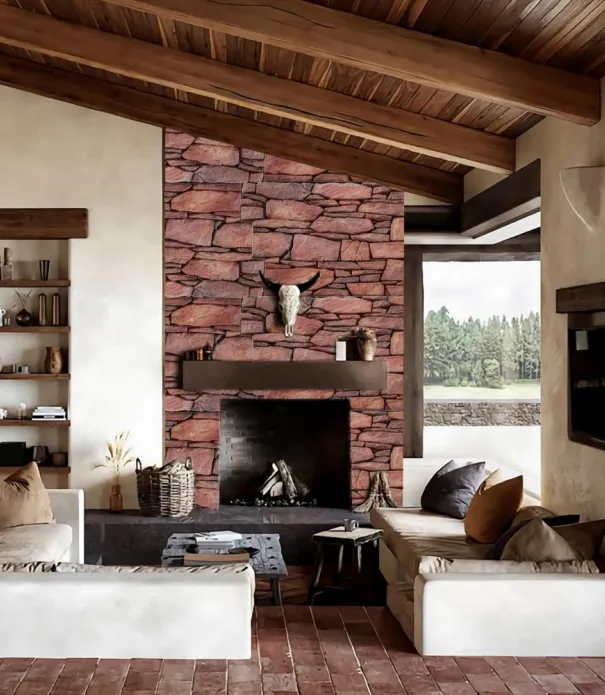
Aesthetics draw the eye, but functionality keeps a project standing strong for years. Let's break down how these two materials compare in real-world scenarios—from installation day to decades down the line.
| Feature | PU Stone Wall Panel Solutions | Brick Veneer |
|---|---|---|
| Weight | Lightweight (5–8 kg/m²). Ideal for high-rises or structures with weight restrictions. | Heavy (30–50 kg/m²). Requires sturdy structural support, limiting use in some buildings. |
| Installation Time | Fast (1–2 days for 100m²). Panels are lightweight, often interlock or glue on, and need minimal tools. | Slow (3–5 days for 100m²). Requires skilled masons, mortar mixing, and curing time between layers. |
| Durability | Resistant to cracks, chips, and fading. Withstands UV rays, moisture, and temperature swings well. | Durable but prone to mortar erosion, cracking in freeze-thaw climates, and color fading over time. |
| Maintenance | Low. Wipe with a damp cloth; occasional mild soap for stains. No sealing or repointing needed. | High. Requires repointing mortar every 10–15 years; sealing to prevent water damage; cleaning to remove mold/mildew. |
| Fire Resistance | Many are Class B or higher (some suppliers offer Class A options with additives). Low smoke emission. | Class A fire-resistant (clay bricks don't burn). Mortar may crack under extreme heat but won't fuel flames. |
| Insulation | Excellent thermal and sound insulation. The PU foam core reduces heat transfer and noise transmission. | Poor natural insulation. Requires additional insulation behind the veneer to improve energy efficiency. |
| Cost (Total Project) | Higher material cost ($20–35/m²) but lower labor ($10–15/m²). Total: ~$30–50/m². | Lower material cost ($15–25/m²) but higher labor ($20–30/m²). Total: ~$35–55/m². |
| Sustainability | Often uses recycled materials; lightweight design reduces transport emissions; energy-efficient (cuts HVAC costs). | Clay mining and firing are energy-intensive, but bricks are 100% recyclable and long-lasting (50+ years). |
Let's start with installation—one of the biggest pain points (and budget drains) in construction. PU stone panels are a walls solutions dream here. Because they're so light, you don't need heavy machinery or reinforced framing. A small crew can carry panels by hand, cut them with a standard saw, and attach them using adhesives, screws, or interlocking clips. I've seen teams finish an entire exterior wall of a 2,000 sq ft home in a weekend—unheard of with brick veneer.
Brick veneer, by contrast, is a labor of love. Masons must lay each brick individually, apply mortar, ensure level lines, and wait for the mortar to cure (which can take days in humid weather). It's a skilled trade, and skilled labor isn't cheap. For large projects, this can add weeks to the timeline—and thousands to the budget. If you're working with a tight schedule, brick veneer might test your patience.
No one wants to replace cladding every decade. PU stone panels are built to last. The polyurethane core is resistant to moisture, so they won't rot, warp, or grow mold—even in damp climates like coastal areas or basements. They're also flexible enough to handle minor structural shifts (common in new buildings) without cracking. UV stabilizers in the surface layer prevent fading, so that "new stone" look stays vibrant for 15–20 years. As a supplier, we often warranty these panels for a decade or more, and many clients report them looking great even longer.
Brick veneer, of course, has a reputation for longevity—think of centuries-old brick buildings still standing. But modern brick veneer is thinner than solid brick walls, making it more vulnerable. Mortar joints, in particular, are a weak spot. Water can seep in, freeze, and expand, cracking the mortar over time. In regions with harsh winters or heavy rain, you might need to repoint (replace eroded mortar) every 10–15 years. Bricks themselves can chip if hit by debris, and while they fade gracefully, that might not be what you want if you're after a consistent look.
Let's talk upkeep. PU stone panels are low-maintenance champions. A quick wipe with a damp cloth removes dust. For tougher stains (like oil or graffiti), mild soap and water do the trick. No sealing, no painting, no specialized cleaners. This is a huge win for busy homeowners or commercial spaces where downtime is costly. Imagine running a restaurant—you don't want to close for a week to repoint walls. PU stone wall panel solutions let you focus on your business, not your cladding.
Brick veneer, on the other hand, demands attention. Mortar joints need periodic repointing, which involves chiseling out old mortar and replacing it—messy, time-consuming, and expensive. Bricks should be sealed every 5–7 years to prevent water damage, especially in wet climates. And if a brick cracks or chips, replacing it means matching the color and texture—a challenge even for experienced masons. Over time, these maintenance costs add up, often exceeding the initial savings on material.
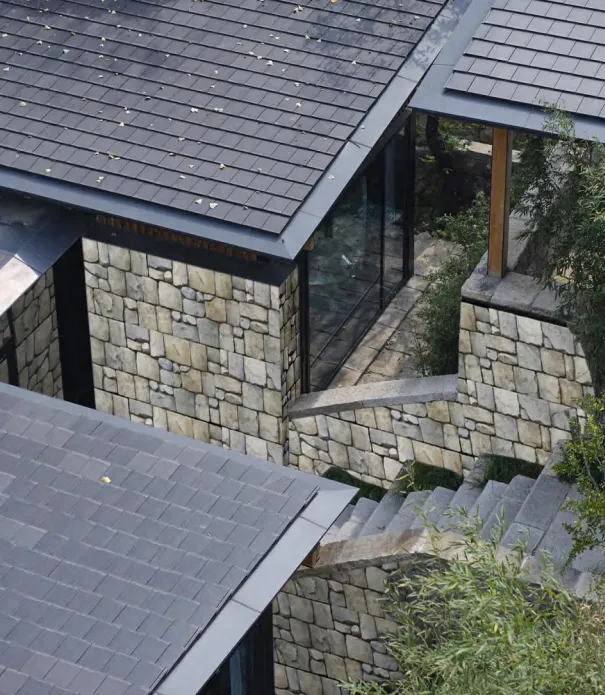
Not every material is perfect for every project. Let's map out where PU stone panels and brick veneer thrive, so you can make an informed choice.
PU stone panels are a star in modern and contemporary projects. Here are their sweet spots:
Brick veneer still rules in scenarios where tradition and authenticity matter most:
At the end of the day, there's no "better" material—only the better fit for your project. Ask yourself these questions to guide your decision:
As a one-stop architectural solution provider , I've seen projects thrive with both materials. A luxury hotel in Riyadh used PU stone wall panel solutions for its exterior, cutting construction time by 40% and slashing heating costs with built-in insulation. Meanwhile, a boutique winery in Tuscany opted for brick veneer, using reclaimed bricks to evoke the region's rustic heritage and create a warm, inviting space for tastings. Both projects succeeded because the material aligned with their core goals.
Wall cladding is more than a covering—it's a storyteller. PU stone wall panel solutions tell a story of innovation, efficiency, and boundless design possibilities. Brick veneer tells a story of tradition, craftsmanship, and enduring strength. As you plan your next project, remember: the best choice isn't about following trends. It's about choosing the material that aligns with your vision, your budget, and the legacy you want to build.
Whether you're a homeowner, architect, or contractor, take the time to explore samples, talk to suppliers, and imagine how each material will age. And if you're still unsure? Reach out to a building material supplier who specializes in both—someone who can walk you through samples, share case studies, and help you weigh the pros and cons. After all, the right wall cladding doesn't just finish a project—it elevates it.
Recommend Products











