

Let's start with a simple truth: we spend nearly 90% of our lives indoors. Whether it's our homes, offices, schools, or favorite cafes, the spaces we inhabit shape our daily experiences—and more importantly, our health. Here's the thing most people don't think about: the materials used to build and decorate these spaces play a huge role in the air we breathe. From paint to carpets to wall panels, many common building materials release volatile organic compounds (VOCs)—harmful chemicals that can linger in the air for years, triggering allergies, headaches, and even long-term health risks. But what if your walls could do more than just look good? What if they could actively contribute to a healthier, cleaner indoor environment? Enter PU stone wall panel solutions—a game-changer in the world of interior decoration materials that marries aesthetics with air quality.
In this article, we're diving deep into why PU stone wall panels are becoming the go-to choice for homeowners, architects, and commercial builders alike. We'll explore what makes them different from traditional wall materials, how they keep VOCs at bay, and why they're not just a trend, but a smart investment in the health of your space. Whether you're renovating a living room, designing a hotel lobby, or specifying materials for a school, this guide will show you why PU stone wall panels deserve a spot on your shortlist.
First things first: let's break down what PU stone wall panels actually are. PU stands for polyurethane, a versatile polymer known for its durability, flexibility, and lightweight properties. These panels are crafted by combining polyurethane resin with natural stone aggregates, pigments, and other additives to create a material that looks and feels like natural stone—without the heavy weight, high cost, or maintenance headaches. Think of them as the "smart cousin" of traditional stone cladding: they mimic the texture and beauty of granite, marble, or slate, but with a host of modern upgrades.
The manufacturing process is key here. Unlike some wall panels that rely on adhesives or sealants packed with VOCs, reputable PU stone wall panel suppliers use advanced techniques to ensure their products are low-emission from the start. The result? A wall panel that's not just a decorative element, but a functional one—designed to enhance both the look and the air quality of your space.
But don't just take our word for it. Let's compare them to other popular interior decoration materials. Traditional stone panels, for example, are stunning but notoriously heavy, requiring structural support and professional installation. MCM flexible cladding (another popular option) is lighter but can still contain VOCs from its backing materials. Bamboo charcoal board panels are eco-friendly but may lack the durability needed for high-traffic areas. PU stone panels, on the other hand, hit that sweet spot: lightweight, flexible, durable, and—most importantly—low in VOCs.
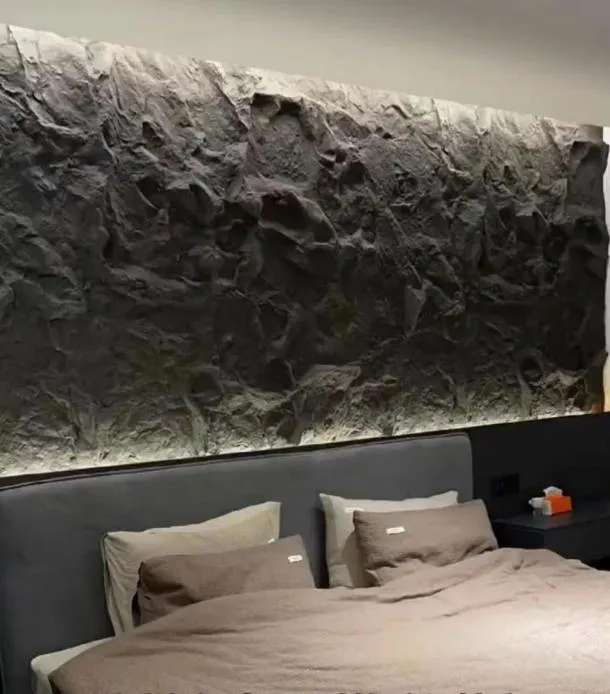
Before we dive into why PU stone panels are a breath of fresh air (literally), let's talk about VOCs. These are organic chemicals that evaporate at room temperature, releasing gases into the air. Common sources include paint, varnishes, adhesives, and yes—many types of wall panels. Short-term exposure to high VOC levels can cause headaches, dizziness, eye irritation, and nausea. Long-term exposure? Studies link it to more serious issues like liver damage, respiratory problems, and even increased cancer risk. For spaces like schools, hospitals, or homes with young children or elderly residents, reducing VOCs isn't just a "nice-to-have"—it's a necessity.
So why do so many wall materials contain VOCs? In some cases, it's the adhesives used to bond layers together. In others, it's the sealants applied to protect the surface. Even some "natural" materials can off-gas if they're treated with chemical preservatives. The good news? PU stone wall panel solutions are engineered to avoid this. By using water-based or low-VOC binders and skipping harsh chemical treatments, these panels keep emissions to a minimum. Many are even certified by organizations like GREENGUARD or LEED, ensuring they meet strict standards for low chemical emissions.
Here's a real-world example: a recent study by the Indoor Air Quality Association tested 10 popular wall panel types in a controlled environment. Traditional PVC wall panels released over 200 micrograms of VOCs per cubic meter in the first 24 hours. Bamboo charcoal boards, often marketed as "eco-friendly," released around 80 micrograms. PU stone panels? Just 12 micrograms—well below the 50-microgram threshold set by the EPA for safe indoor air. That's a difference you can actually feel, especially if you're sensitive to chemicals.
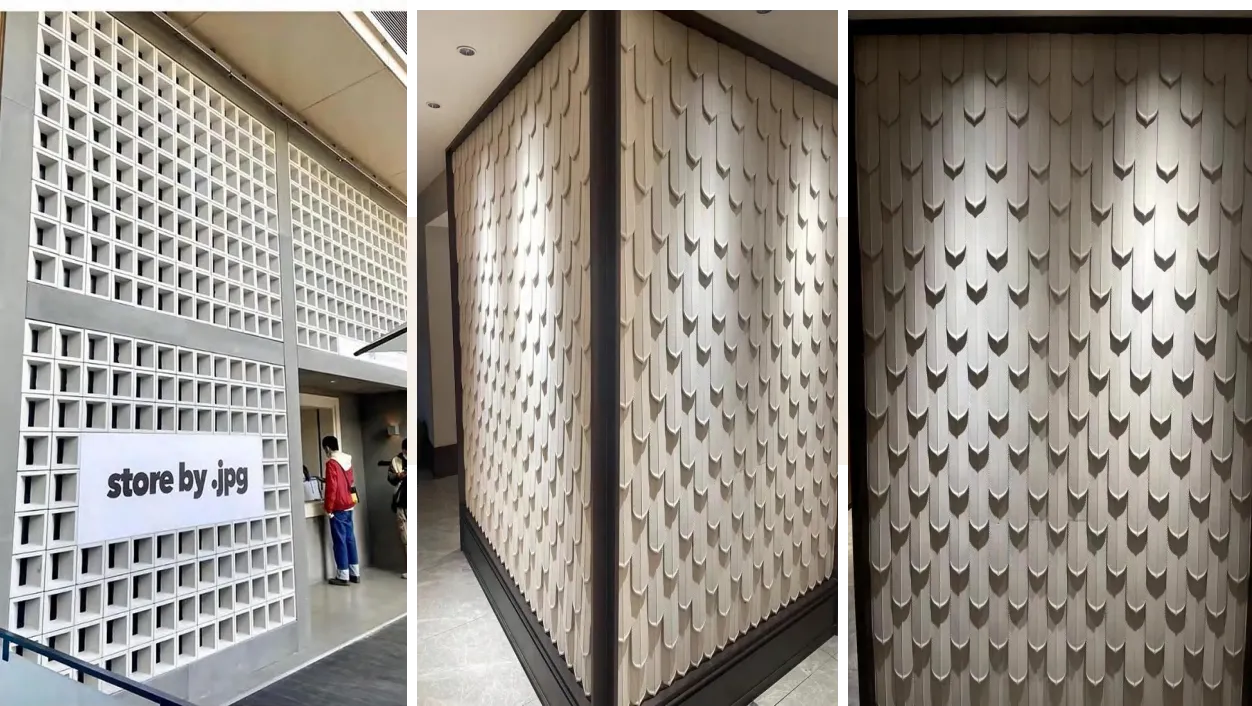
Low VOCs are a standout feature, but PU stone wall panels have plenty more to offer. Let's break down why they're becoming a favorite among interior designers and building professionals:
Water-resistant? Check. Impact-resistant? Check. Fade-resistant? Double check. PU stone panels are built to withstand the chaos of everyday life. Spilled coffee in the kitchen? Wipe it off with a damp cloth—no staining. A kid's toy bouncing off the wall? No dents or cracks. Even in high-moisture areas like bathrooms or basements, they hold up better than natural stone, which can absorb water and develop mold. For commercial spaces like restaurants or hotels, where walls take a beating from foot traffic and frequent cleaning, this durability is a game-saver.
Natural stone panels can weigh 50-100 pounds per square foot, requiring structural reinforcement and a team of installers. PU stone panels? They weigh as little as 2-3 pounds per square foot. That means you can install them on just about any wall—drywall, concrete, even plaster—without worrying about sagging or damage. Many homeowners tackle installation as a DIY project (with a little patience and a saw), while professionals can cover large areas in a fraction of the time it takes to install traditional stone. For a residential building materials supplier, this speed and ease translate to happier clients and lower labor costs.
Gone are the days of "fake stone" panels that look cheap or plastic-y. Modern PU stone panels use 3D scanning technology to replicate the exact texture and color variations of natural stone. Want a rugged, rustic look for a mountain cabin? Opt for a panel that mimics rough-hewn granite. Prefer something sleek and modern for a city apartment? There's a smooth, polished marble-like option that fits the bill. Some suppliers even offer custom colors and patterns, so you can match your existing decor or create a one-of-a-kind accent wall. As a commercial building materials supplier, we've seen hotels use these panels to create stunning lobby feature walls that guests swear are real stone—until we tell them otherwise.
Natural stone requires regular sealing to prevent staining and etching. Wood panels need refinishing every few years. PU stone panels? They're basically "set it and forget it." A quick wipe with a mild soap and water is all it takes to keep them looking new. No special cleaners, no expensive treatments, no hassle. For busy homeowners or commercial spaces with tight maintenance budgets, this is a huge win.
Let's talk numbers. Natural stone cladding can cost $20-$50 per square foot, not including installation. PU stone panels? Depending on the style, they range from $8-$15 per square foot—with installation costs cut in half thanks to their lightweight design. Over time, the savings add up even more: no sealing, no repairs, no replacement. For anyone working with a budget (and let's be real, who isn't?), PU stone panels offer luxury looks at a fraction of the price.
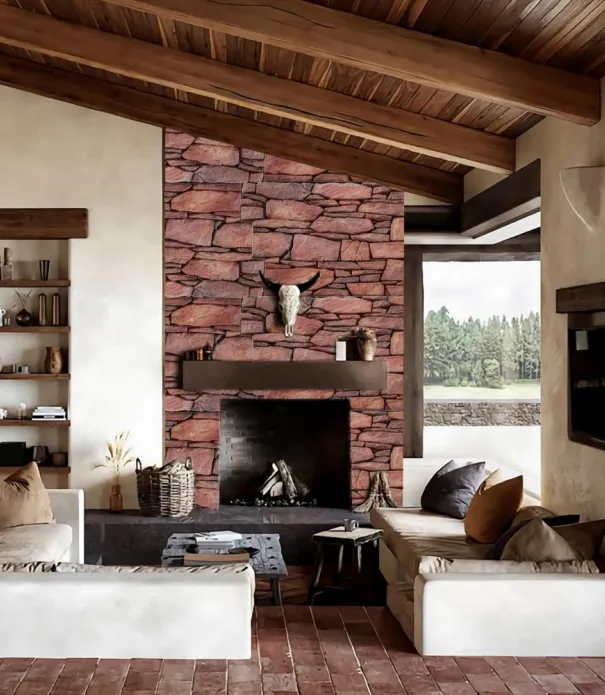
Still on the fence? Let's put PU stone wall panels head-to-head with other popular wall solutions. The table below breaks down key factors like VOC content, durability, and cost to help you decide:
| Material | VOC Content (24hr Emissions) | Durability (Water/Impact Resistance) | Installation Difficulty | Aesthetics (Realism) | Cost (Per Square Foot, Installed) |
|---|---|---|---|---|---|
| PU Stone Wall Panels | Low (12-20 mcg/m³) | High (Waterproof, impact-resistant) | Easy (Lightweight, DIY-friendly) | High (Mimics natural stone closely) | $12-$20 |
| MCM Flexible Cladding | Medium (50-70 mcg/m³) | Medium (Water-resistant, prone to scratches) | Moderate (Requires adhesive, professional install recommended) | Medium (Smooth texture, less depth than stone) | $15-$25 |
| Bamboo Charcoal Board | Medium-Low (60-80 mcg/m³) | Low (Susceptible to water damage, dents easily) | Easy (Lightweight, but fragile during install) | Low (Wood-like, not stone-like) | $10-$18 |
| WPC Wall Panels | Medium (40-60 mcg/m³) | Medium (Water-resistant, but not waterproof) | Moderate (Heavy, needs sturdy backing) | Medium (Wood-grain focus, limited stone options) | $14-$22 |
| Natural Stone (Granite/Marble) | Low (10-15 mcg/m³) | High (Durable, but porous without sealing) | Hard (Very heavy, requires structural support) | Very High (Authentic stone look/feel) | $30-$60 |
As you can see, PU stone panels hold their own against the competition—and in many cases, come out on top. They offer the low VOCs of natural stone without the weight or cost, and the durability of MCM cladding without the higher emissions. For most residential and commercial projects, they strike the perfect balance between form and function.
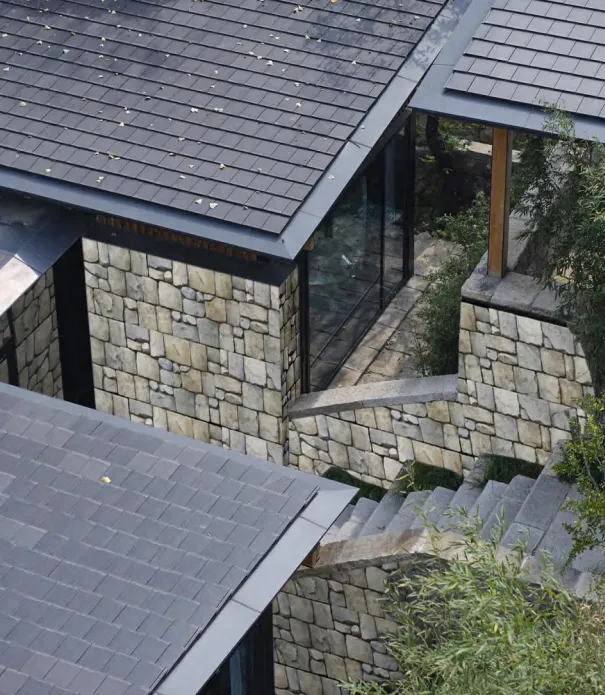
PU stone wall panels aren't just for one type of space—they're versatile enough to shine in just about any setting. Let's explore some of the most popular applications:
Imagine walking into your living room and being greeted by a stunning stone accent wall that doesn't off-gas chemicals while you relax. Or a bedroom where the walls contribute to better sleep by keeping the air clean. PU stone panels are perfect for:
As a residential building materials supplier, we've seen homeowners fall in love with how these panels transform small spaces. One client in Riyadh used them to turn a cramped hallway into a "gallery wall" with a stone finish, making the area feel larger and more luxurious—all while keeping VOC levels low for their young children.
Commercial builders and designers have a lot to consider: aesthetics, budget, durability, and increasingly, health regulations. PU stone wall panels check all these boxes, making them ideal for:
A recent project we worked on involved a boutique hotel in Jeddah that wanted to create a "rustic luxury" vibe in their lobby. They chose PU stone panels in a warm beige tone, and the result was stunning—guests often comment on how "authentic" the stone looks. Best of all, the hotel passed its indoor air quality inspection with flying colors, thanks to the panels' low emissions.
Not all PU stone wall panels are created equal. To ensure you're getting a high-quality, low-VOC product, here's what to look for in a supplier:
Ask for proof of low-VOC certifications, like GREENGUARD Gold or LEED compliance. These labels mean the product has been independently tested and meets strict emissions standards. A reputable supplier will be happy to share these documents—if they hesitate, that's a red flag.
Every space is unique, so your wall panels should be too. Look for a supplier that offers a range of styles, colors, and textures—from rough-hewn "castle rock" to smooth "marble" finishes. Bonus points if they offer custom designs or sizes to fit your specific project.
Installing wall panels can be tricky, even if they're DIY-friendly. A good supplier will have a team of experts available to answer questions, provide installation guides, or even recommend contractors. Avoid suppliers that treat you like just another order—you deserve personalized service.
Do your homework. Check online reviews, ask for references, and look for case studies of past projects. A supplier with a track record of happy clients is more likely to deliver a quality product. As a one-stop architectural solution provider, we pride ourselves on transparency—we'll even connect you with past customers so you can hear about their experience firsthand.
Low VOCs are great, but what about the rest of the product's lifecycle? Look for suppliers that use recycled materials in their panels, or have eco-friendly manufacturing processes. Some suppliers even offer recycling programs for old panels, ensuring they don't end up in landfills.
At the end of the day, the walls we choose for our spaces do more than just divide rooms—they shape our health, our mood, and our daily experiences. PU stone wall panel solutions offer a rare combination: the beauty of natural stone, the durability of modern materials, and the peace of mind that comes with low-VOC, clean air. Whether you're a homeowner looking to create a healthier home or a commercial builder aiming to impress clients while meeting regulations, these panels deliver on all fronts.
So why settle for walls that just look good when you can have walls that work for you? With PU stone wall panels, you're not just decorating—you're investing in a space that's as healthy as it is beautiful. And in a world where we spend so much time indoors, that's an investment worth making.
Ready to explore your options? Reach out to a trusted PU stone wall panel supplier today and start designing a space that breathes easy.
Recommend Products











