

In the fast-paced world of modern construction, architects, contractors, and developers are constantly seeking materials that balance aesthetics, functionality, and efficiency. From sleek urban high-rises to cozy residential homes, the demand for innovative interior and exterior decoration materials has never been higher. Traditional options like natural stone or brick, while timeless, often come with drawbacks—excessive weight, high installation costs, and limited design flexibility, to name a few. This is where PU stone wall panel solutions step in, emerging as a game-changer in the industry. As a versatile option for both interior and exterior applications, PU stone panels are redefining what's possible in architectural design, offering a blend of durability, beauty, and practicality that's hard to match. In this article, we'll explore why PU stone wall panels have become a top choice for one-stop architectural solution providers and construction professionals alike, diving into their key benefits, applications, and how they stack up against other popular materials.
Before delving into their benefits, let's clarify what PU stone wall panels actually are. PU, or polyurethane, is a synthetic material known for its lightweight, flexible, and durable properties. PU stone wall panels are engineered by combining polyurethane with mineral fillers and pigments to replicate the look and texture of natural stone—think granite, limestone, or slate—without the associated heaviness or fragility. These panels are typically manufactured in sheets or tiles, ranging in thickness from 10mm to 50mm, and can be customized in terms of color, pattern, and size to suit specific design needs. Unlike traditional stone, which is quarried and cut, PU stone panels are produced in controlled factory settings, ensuring consistency in quality and appearance across every piece. This level of precision makes them a reliable choice for large-scale projects where uniformity is key, whether you're working on a commercial complex or a residential development.
What truly sets PU stone panels apart is their composition. The polyurethane base gives them exceptional strength-to-weight ratio, meaning they're tough enough to withstand the elements (for exterior use) or daily wear and tear (for interior spaces) while being light enough to simplify installation. This unique combination has made them a staple in the portfolios of leading PU stone wall panel suppliers, who often pair them with other interior decoration materials to offer comprehensive solutions for clients.
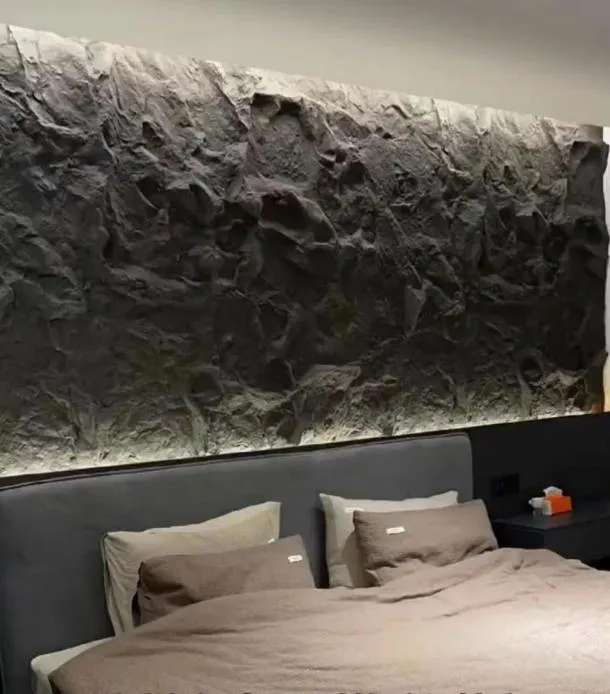
One of the primary reasons architects and designers gravitate toward PU stone wall panels is their uncanny resemblance to natural stone. Let's face it—natural stone has an irreplaceable charm, with its unique veining, color variations, and organic texture. However, sourcing large quantities of uniform natural stone is expensive and often environmentally taxing. PU stone panels solve this dilemma by mimicking the look of natural stone with stunning accuracy. Advanced manufacturing techniques, including 3D scanning and molding, allow suppliers to capture the intricate details of real stone, from the rough-hewn surface of a mountain rock to the smooth polish of marble. The result? Panels that look so authentic, even close inspection can leave people guessing whether they're natural or synthetic.
But PU stone panels don't just replicate natural stone—they expand design possibilities. With traditional stone, you're limited by what nature provides. PU panels, on the other hand, can be customized to match any color palette, pattern, or texture. Want a bold, charcoal-gray slate for a modern office lobby? Or a soft, beige limestone for a coastal home's exterior? PU stone wall panel suppliers can deliver. This flexibility is a boon for designers working on projects with specific aesthetic visions, allowing them to create cohesive looks across interior and exterior spaces. For example, a hotel chain might use the same PU stone finish in its lobby walls (interior) and exterior façade, creating a unified brand identity without the logistical headaches of sourcing natural stone in bulk.
Another aesthetic advantage is versatility in application. PU stone panels can be used to create feature walls, accent pieces, fireplace surrounds, or entire façade cladding. Their lightweight nature even makes them suitable for curved or irregular surfaces, where heavy natural stone would be impractical. Imagine a restaurant with a curved bar front clad in PU stone that looks like weathered sandstone—it adds warmth and character without requiring structural reinforcements. For exterior projects, these panels can transform a plain concrete building into a visually striking structure, enhancing curb appeal and property value. In short, PU stone panels offer the beauty of natural stone with the creative freedom to bring any design concept to life.
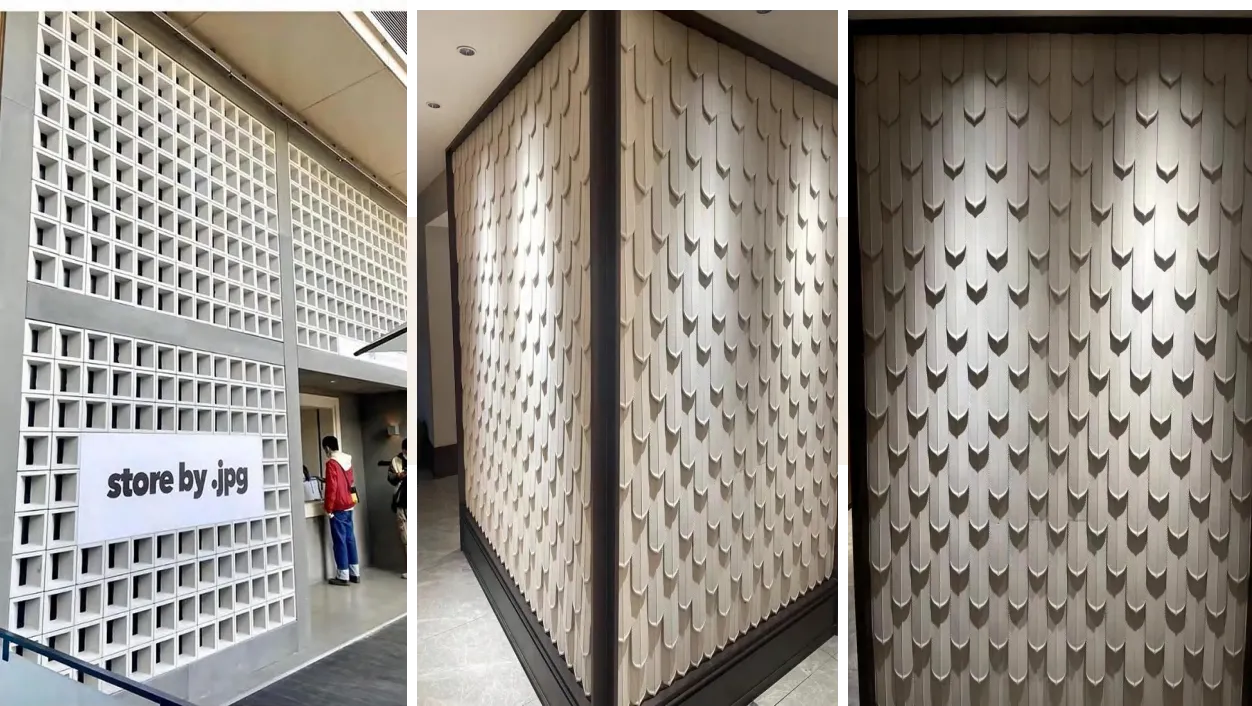
Aesthetics are important, but in construction, durability is non-negotiable. Whether used for interior decoration materials or exterior cladding, wall panels must stand up to daily use, environmental factors, and the test of time. PU stone wall panels excel in this area, thanks to their robust composition and resistance to common wear and tear. Let's break down their durability features:
To put this into perspective, consider a school hallway clad in PU stone panels. Over the years, it will endure thousands of students rushing between classes, backpacks scraping against walls, and occasional spills. With PU panels, the school's maintenance team won't have to worry about replacing chipped tiles or resealing surfaces—saving time and money that can be redirected to other critical needs. For exterior projects like a retail plaza, the panels will retain their color and texture despite years of sun, rain, and wind, ensuring the building remains attractive to customers for decades.
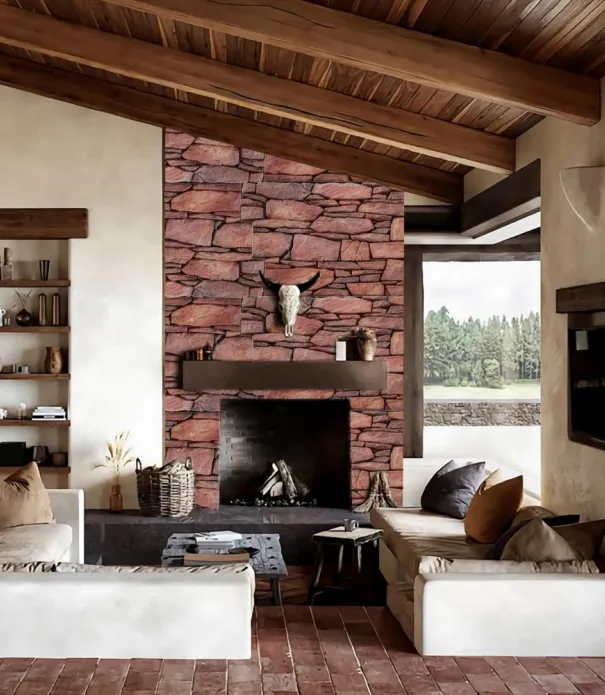
One of the biggest pain points in construction is the time and labor involved in installing heavy materials. Traditional stone cladding, for example, requires cranes, specialized equipment, and a team of skilled masons to handle and position each piece—driving up project timelines and costs. PU stone wall panels address this challenge head-on with their lightweight design, making installation faster, simpler, and more cost-effective.
On average, PU stone panels weigh between 8kg and 15kg per square meter, compared to natural stone, which can weigh 30kg to 50kg per square meter or more. This drastic weight reduction eliminates the need for heavy machinery or structural reinforcements, even for high-rise exterior applications. Contractors can install PU panels using basic tools—adhesive, screws, or clips—and a small team, reducing labor requirements by up to 50% compared to traditional stone installation. For a large commercial project, this translates to weeks of saved time, allowing developers to meet tight deadlines and reduce overhead costs.
The installation process itself is straightforward. Most PU stone panels come with interlocking edges or tongue-and-groove systems, enabling quick and precise alignment. This "click-and-go" design minimizes gaps between panels, creating a seamless finish that looks professional. For interior walls, panels can be mounted directly onto drywall, plywood, or concrete substrates with construction adhesive, eliminating the need for mortar or grout. Exterior installation typically involves mechanical fastening (screws or clips) combined with adhesive for added security, ensuring panels stay in place even in windy conditions.
Another advantage is reduced waste during installation. Traditional stone cutting often results in significant material waste, as pieces are trimmed to fit specific dimensions. PU stone panels, however, are pre-cut to standard sizes in the factory, and any on-site cutting is minimal and clean (thanks to their synthetic composition). This not only reduces landfill waste but also lowers material costs, as contractors can order panels to exact measurements with little excess.
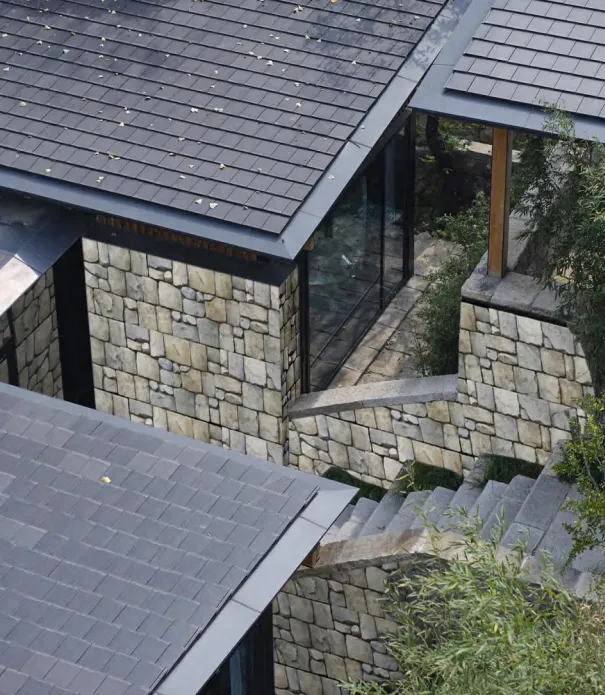
When evaluating construction materials, upfront costs are just one piece of the puzzle. Long-term expenses—including installation, maintenance, and replacement—play a crucial role in determining overall value. PU stone wall panels offer significant cost advantages over both natural stone and other synthetic alternatives, making them a budget-friendly choice for cost-conscious developers and one-stop architectural solution providers.
Let's start with upfront material costs. While high-quality PU stone panels may have a similar or slightly higher price tag than basic synthetic materials like vinyl siding, they are far more affordable than natural stone. Quarrying, cutting, and transporting natural stone is labor-intensive and expensive, especially for rare or imported varieties. PU panels, produced in bulk in factories, eliminate these costs, offering a premium stone look at a fraction of the price. For example, a square meter of natural granite cladding can cost $50–$100, while PU stone panels of similar appearance range from $20–$40 per square meter—a savings of 50% or more.
Installation costs further tip the scales in favor of PU stone. As mentioned earlier, lightweight panels require fewer workers and less specialized equipment, reducing labor expenses by 30–40% compared to natural stone installation. For a 10,000-square-meter commercial project, this could mean savings of hundreds of thousands of dollars in labor alone. Additionally, faster installation reduces indirect costs like site supervision, equipment rental, and temporary utilities, all of which add up over time.
Long-term maintenance costs are another area where PU stone panels shine. Natural stone requires regular sealing (every 1–3 years) to protect against water damage and staining, with each sealant application costing $1–$3 per square meter. PU panels, by contrast, need minimal maintenance—occasional cleaning with soap and water is usually sufficient. Over a 20-year lifespan, the savings on sealing and repairs can be substantial. For property owners, this means lower operating costs and higher return on investment, making PU stone panels an attractive option for both new construction and renovation projects.
In an era where environmental responsibility is a priority for builders, architects, and clients, sustainability has become a key factor in material selection. PU stone wall panels offer several eco-friendly benefits that align with green building initiatives and LEED certification goals:
First, their lightweight nature reduces transportation emissions. Since PU panels weigh significantly less than natural stone, fewer trucks are needed to transport the same amount of material, lowering carbon footprints during shipping. Additionally, their factory production process is energy-efficient, with many manufacturers using recycled materials in the polyurethane mix to reduce reliance on virgin resources.
Second, PU stone panels contribute to energy efficiency in buildings. Their cellular structure provides inherent insulation properties, helping to regulate indoor temperatures by reducing heat transfer through walls. In cold climates, this means lower heating costs; in hot climates, reduced air conditioning usage. While not a replacement for dedicated insulation materials, the thermal resistance of PU panels adds a layer of energy efficiency that benefits both the environment and building occupants.
Third, PU stone panels are durable and long-lasting, reducing the need for frequent replacements. The average lifespan of PU panels is 20–30 years, compared to some synthetic materials that may need replacement every 10–15 years. Fewer replacements mean less material waste and lower resource consumption over time. When panels do reach the end of their life, many are recyclable, further minimizing their environmental impact.
To better understand why PU stone wall panels stand out, let's compare them to two other popular options in the market: MCM flexible cladding stone wall panels and WPC wall panels. This comparison will highlight key differences in performance, cost, and application suitability.
| Feature | PU Stone Wall Panels | MCM Flexible Cladding Stone Wall Panels | WPC Wall Panels |
|---|---|---|---|
| Weight (kg/m²) | 8–15 | 12–20 | 18–25 |
| Installation Time | Fast (2–3 days/100m²) | Moderate (3–4 days/100m²) | Moderate (3–5 days/100m²) |
| Weather Resistance | Excellent (waterproof, UV-resistant) | Good (resistant to moisture, but may fade in UV) | Fair (prone to swelling in high humidity) |
| Fire Rating | Class B (some Class A options available) | Class A (fire-resistant core) | Class C (may require fire-retardant additives) |
| Cost (Material + Installation) | $$ (Moderate) | $$$ (Higher) | $$ (Moderate) |
| Best For | Interior/exterior, curved surfaces, high-traffic areas | Exterior façades, large-scale commercial projects | Interior walls, moisture-prone areas (e.g., bathrooms) |
As the table shows, PU stone panels offer a balanced mix of lightweight design, fast installation, and weather resistance, making them versatile for both interior and exterior use. While MCM panels excel in fire resistance and WPC panels in moisture resistance for specific indoor applications, PU stone panels stand out as a well-rounded option that meets the needs of most modern construction projects.
PU stone wall panels are incredibly versatile, finding use in a wide range of projects across residential, commercial, and industrial sectors. Here are some of their most common applications:
Residential Buildings: In homes, PU stone panels add elegance and texture to living rooms, bedrooms, and outdoor spaces. Feature walls behind televisions or fireplaces are a popular choice, creating a focal point that mimics the look of natural stone without the cost or weight. Exterior applications include façade cladding, porch surrounds, or garden walls, enhancing curb appeal and making homes stand out in neighborhoods.
Commercial Spaces: Hotels, restaurants, retail stores, and office buildings benefit from PU stone panels' durability and aesthetic appeal. Hotel lobbies with PU stone accent walls create a luxurious first impression, while restaurant exteriors clad in PU stone evoke warmth and inviting charm. Retail stores use these panels to create brand-specific atmospheres—think a coffee shop with a rustic stone finish or a high-end boutique with sleek, modern stone accents.
Hospitality and Healthcare: In hospitals and clinics, where cleanliness and durability are critical, PU stone panels offer a hygienic solution. Their smooth, non-porous surface resists bacteria growth and is easy to sanitize, making them suitable for patient rooms or waiting areas. Similarly, resorts and spas use PU stone to create serene, natural environments that promote relaxation, with panels mimicking river rock or sandstone for a tranquil vibe.
Educational Institutions: Schools and universities require materials that can withstand heavy use and meet strict safety standards. PU stone panels' impact resistance and fire-retardant options make them ideal for hallways, classrooms, and auditoriums, where durability and safety are top priorities.
In a market flooded with interior and exterior decoration materials, PU stone wall panels have carved out a niche as a practical, stylish, and cost-effective solution for modern construction. Their ability to replicate the beauty of natural stone while offering superior durability, lightweight installation, and long-term savings makes them a favorite among architects, contractors, and one-stop architectural solution providers. Whether you're designing a residential home, a commercial complex, or a public facility, PU stone panels deliver on both form and function, proving that innovation in construction materials doesn't have to compromise on aesthetics.
As the industry continues to evolve, we can expect PU stone wall panel solutions to become even more advanced, with improvements in fire resistance, sustainability, and design customization. For construction professionals looking to stay ahead of the curve, embracing PU stone panels isn't just a trend—it's a smart investment in efficiency, durability, and client satisfaction. After all, in the world of architecture, the best materials are those that make buildings not only look good but also work better, last longer, and cost less. PU stone wall panels check all these boxes, and that's why they're quickly becoming the go-to choice for the projects of tomorrow.
Recommend Products











