

Michael, a restaurant owner in downtown Riyadh, had a vision: transform his new bistro into a cozy, rustic space that felt like a mountain cabin, but with the durability to handle nightly dinner rushes and occasional spills. He'd toyed with natural stone—gorgeous, but the weight meant reinforcing walls and skyrocketing installation costs. Wood panels looked warm, but Saudi Arabia's humidity made him nervous about warping. Then his architect mentioned PU stone wall panels. "Lightweight, fire-resistant, and looks just like real stone," she said. Skeptical but curious, Michael started researching—and what he found surprised him. Could this material really be the sweet spot between aesthetics, practicality, and budget for both homes and businesses? Let's dive in.
First things first: PU stands for polyurethane, a versatile polymer known for its strength, flexibility, and lightweight properties. PU stone wall panels are engineered to mimic the look and texture of natural stone—think granite, limestone, or slate—but without the drawbacks of the real thing. They're created by blending polyurethane with mineral fillers and pigments, then molded into panels that capture every detail of natural stone, from veining to rough-hewn edges. The result? A product that's not just a wall covering, but a design tool that lets homeowners and business owners alike achieve high-end aesthetics without the high-end headaches.
But here's the kicker: these panels aren't just about looks. A reputable pu stone wall panel supplier will tell you they're built to perform. Many are Class A fireproof (critical for commercial spaces like hotels or schools), water-resistant (great for bathrooms or kitchens), and easy to install—no heavy machinery or specialized labor required. It's no wonder that as a residential building materials supplier or commercial building materials supplier , PU stone panels have become a go-to recommendation.
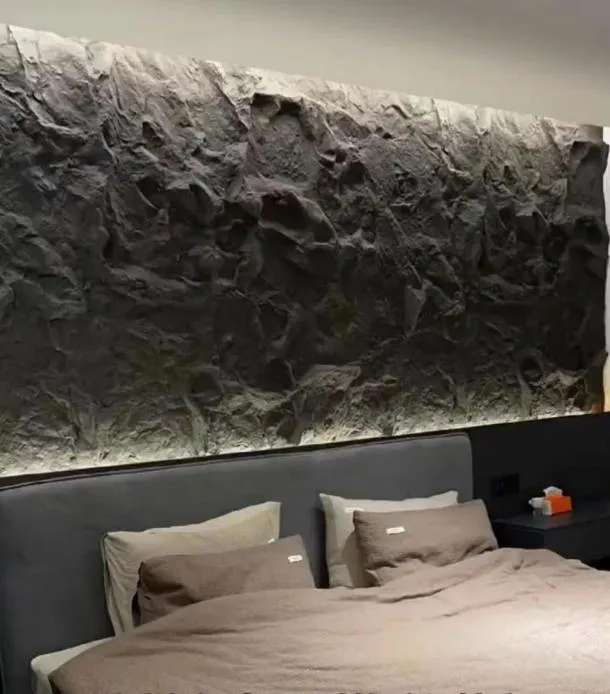
Let's get specific. What makes these panels stand out from other wall solutions like MCM flexible cladding, bamboo charcoal boards, or even traditional drywall? Let's break down the perks:
Walk into a room with PU stone wall panels, and you'll do a double-take. The texture is so realistic, even close up, that guests often reach out to touch them, assuming they're real stone. Whether you want the rugged charm of a mountain lodge, the sleek elegance of modern slate, or the soft warmth of sandstone, there's a PU panel design to match. And unlike natural stone, which can vary wildly in color and pattern (leading to inconsistent walls), PU panels are color-matched and uniform, ensuring a cohesive look across your space. For homeowners like Sarah—remember her half-renovated living room?—this means no more stressing over mismatched stone slabs or paying extra for "premium" veins.
Natural stone can weigh 15-20 pounds per square foot; PU panels? Often less than 2 pounds. That's a game-changer. No need to reinforce wall studs or hire structural engineers. Installers can carry panels by hand, cut them with standard tools (a utility knife or saw), and attach them with adhesives or screws—no heavy lifting equipment required. For Sarah, this meant her renovation timeline shrank from 3 weeks to 5 days. For Michael's restaurant, it meant installing panels overnight, so the bistro never had to close during the process.
Life is messy. Kids scribble on walls, diners spill wine, hotel guests drag luggage. PU stone panels are built to take it. The polyurethane core resists dents, scratches, and impacts better than drywall or even wood. They're also moisture-resistant, so in bathrooms, kitchens, or basements (yes, even in humid climates like Saudi Arabia), you won't see mold, mildew, or warping. And unlike natural stone, they don't absorb stains—wipe up that spilled coffee or tomato sauce with a damp cloth, and the panel looks as good as new. For a family with a golden retriever (like Sarah's) or a busy restaurant (like Michael's), this durability isn't just a nice-to-have; it's a must.
When it comes to commercial projects—schools, hospitals, hotels, or offices—fire safety is non-negotiable. Many PU stone wall panels are rated Class A fireproof, meaning they resist combustion and slow the spread of flames. This isn't just a regulatory checkbox; it's peace of mind. Imagine a hotel hallway lined with these panels—if a fire starts, every second counts, and materials that don't fuel the fire can save lives. For residential spaces, it's an added layer of protection that parents of curious toddlers (or forgetful cooks) will appreciate.
Natural stone is rigid—great for flat walls, but useless if you want a curved accent wall or a rounded niche. PU panels? They're flexible. The material bends slightly, making them ideal for creative architectural features. Want a circular fireplace surround that looks like stacked stone? Or a curved accent wall in a boutique hotel lobby? PU panels can handle it. This flexibility opens up design possibilities that were once either impossible or prohibitively expensive with traditional materials.
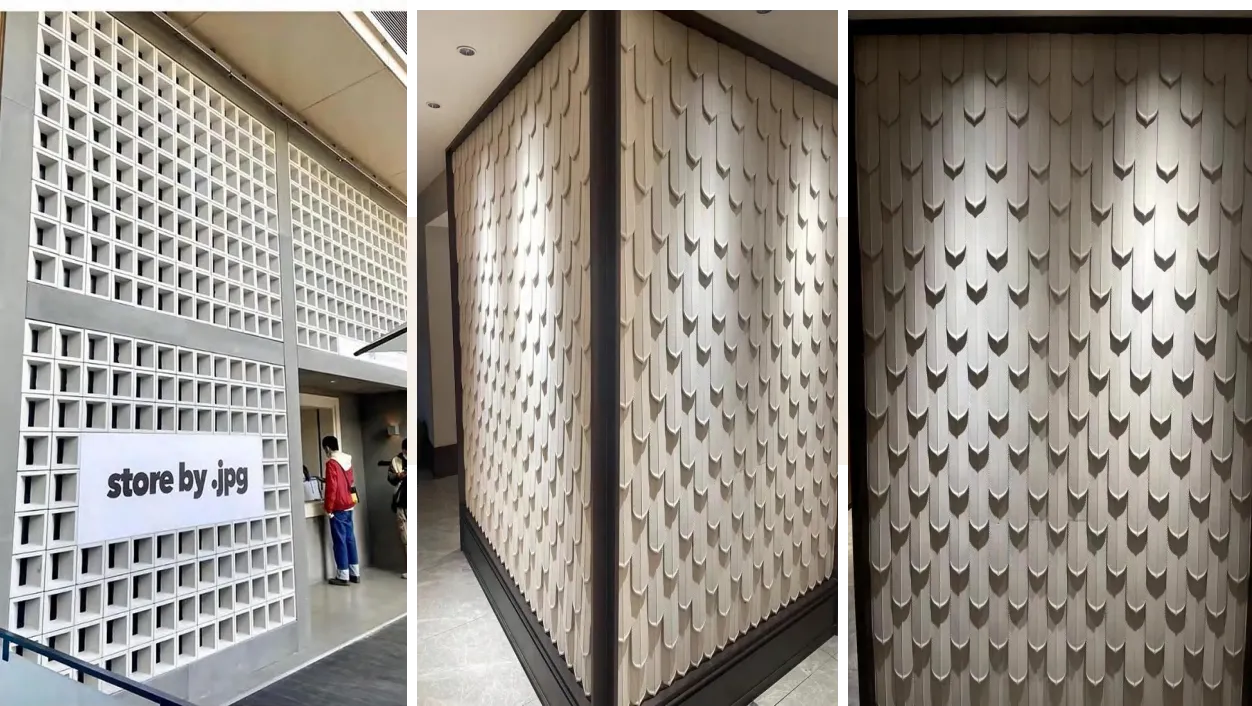
You might be thinking, "Okay, PU sounds great, but what about other popular wall solutions? I've heard of MCM flexible cladding or bamboo charcoal boards—how do they compare?" Let's put it all on the table (literally):
| Material | Aesthetics | Weight (per sq ft) | Installation Complexity | Fire Resistance | Best For |
|---|---|---|---|---|---|
| PU Stone Wall Panels | Mimics natural stone; wide range of styles | 1-2 lbs | Easy (adhesive/screws; no special tools) | Often Class A | Residential living rooms, commercial lobbies, accent walls |
| MCM Flexible Cladding | Sleek, modern; metallic or stone looks | 3-5 lbs | Requires trained installers | Class A (varies by brand) | Exteriors, high-rise buildings |
| Bamboo Charcoal Board Panels | Minimalist, wood-like; eco-friendly appeal | 4-6 lbs | Moderate (needs precise cutting) | Class B (lower resistance) | Bedrooms, home offices (low traffic) |
| Natural Stone | Authentic; unique veining | 15-20 lbs | Complex (requires structural support) | Non-combustible (excellent) | High-end homes, historical buildings (budget permitting) |
As the table shows, PU stone panels balance aesthetics, practicality, and cost in a way that's hard to beat—especially for projects where you want the look of natural stone without the hassle.
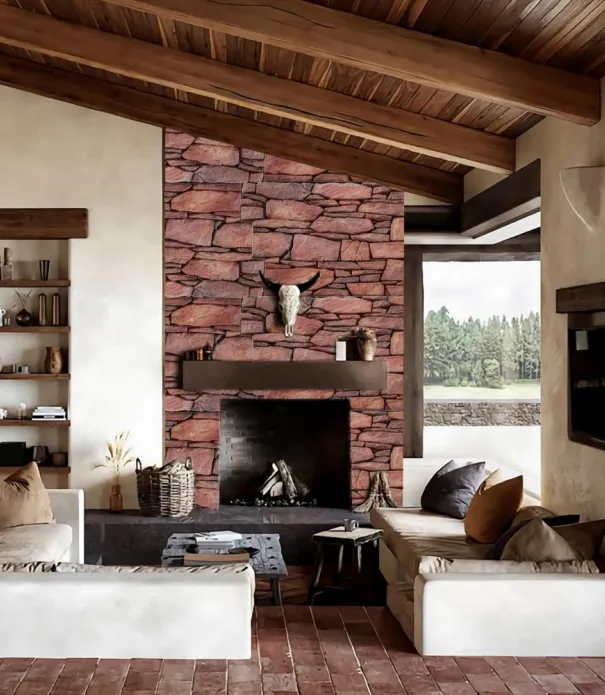
Let's zoom into homes. Why is a residential building materials supplier increasingly recommending PU stone wall panels? Let's walk through a few scenarios:
The Cozy Living Room Makeover: Sarah's living room, post-renovation, is unrecognizable. She chose a PU panel that looks like rough-hewn limestone, installing it on the wall behind her sofa. The panels add texture and warmth, making the space feel inviting. "Guests walk in and say, 'Is that real stone?'" she laughs. "I tell them it's PU, and they're shocked—it feels just as solid." Best of all, when her 8-year-old drew on it with crayons, a magic eraser took it right off. No permanent damage, no stress.
The Bathroom Backsplash: Traditional tile in bathrooms is beautiful but grout lines are a magnet for mold. PU stone panels, with their seamless installation and moisture resistance, make for a stunning, low-maintenance backsplash. Imagine a master bathroom with a stone-look panel behind the vanity—elegant, easy to clean, and no more scrubbing grout.
Outdoor Patios (Yes, Really!): Many PU panels are UV-resistant, meaning they won't fade in the sun. That makes them perfect for covered outdoor spaces like patios or pergolas. Create an outdoor kitchen backsplash or a feature wall around your seating area—all with the look of stone, but without worrying about rain or sun damage.
For homeowners, it's simple: PU stone panels let you elevate your space without sacrificing livability. They're the difference between a "nice" home and one that feels uniquely yours—whether you're going for rustic, modern, or somewhere in between.
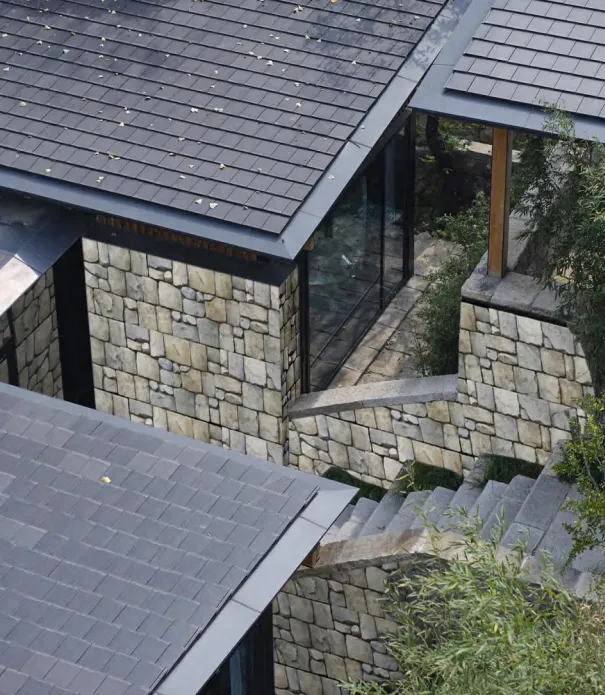
Now, let's shift to commercial spaces. For a commercial building materials supplier , the goal is to offer products that align with a business's brand while standing up to heavy use. PU stone panels deliver here, too:
Hotel Lobbies: First impressions matter. A hotel aiming for a luxury mountain vibe can line its lobby walls with PU stone panels that look like stacked granite, creating a grand, welcoming entrance. Guests feel they're stepping into a high-end resort, while the hotel manager rests easy knowing the panels can handle luggage bumps and daily cleanings.
Restaurants & Cafés: Michael's bistro, for example, used PU stone panels in a warm limestone finish on the main dining wall. The rustic look matches his "cabin" theme, but the panels' durability means he doesn't panic when a server spills a tray of drinks. Plus, the material's acoustic properties help muffle noise—no more shouting over neighboring tables.
Retail Stores: A clothing boutique wanting an industrial-chic aesthetic can use PU stone panels in a weathered slate finish to create a backdrop for mannequins. The panels are lightweight enough to install on temporary walls for pop-up shops, and their scratch resistance ensures they stay looking sharp through months of customers brushing against them.
Hospitals & Schools: While PU stone panels might not be the first choice for sterile hospital rooms, they shine in common areas like waiting rooms or school cafeterias. Their Class A fire resistance and easy-to-clean surface make them a safe, practical option—plus, the stone-like texture adds warmth to spaces that can feel cold and clinical.
Not all PU stone panels are created equal. Just like any building material, quality varies by manufacturer. That's why partnering with a reputable pu stone wall panel supplier is critical. Here's what to look for:
Michael learned this the hard way. He initially considered a budget supplier with rock-bottom prices, but their panels felt flimsy, and the "stone" texture looked flat and fake. Switching to a reputable supplier cost a bit more upfront, but the end result—panels that looked and performed like the real deal—made it worth every penny. "You get what you pay for," he says now. "Investing in quality panels meant my restaurant's aesthetic matched my vision, and I won't have to replace them in five years."
Back to Sarah and Michael. Six months after installation, Sarah's living room walls still look brand new—no scratches from the dog, no fading from the sun. Her kids love the "cave wall" (their term for the stone panels), and she loves that it's one home project she doesn't stress about. Michael's bistro? Customers rave about the "cozy mountain vibe," and he's saved hundreds on maintenance—no more refinishing wood or replacing cracked stone tiles. "It's not just a wall," he says. "It's part of the restaurant's personality now."
So, are PU stone wall panel solutions ideal? For most residential and commercial projects, the answer is a resounding yes. They offer the aesthetic appeal of natural stone with the practicality modern spaces demand—lightweight, durable, fire-resistant, and easy to install. They work in living rooms and lobbies, bathrooms and restaurants, adding character without compromise. And when paired with a reliable supplier, they become more than a material—they're a solution that turns renovation stress into design excitement.
Whether you're a homeowner dreaming of a statement wall or a business owner building a brand through design, PU stone wall panels just might be the material you've been searching for. After all, great spaces aren't just built—they're designed to live, work, and thrive in. And that's exactly what PU stone panels help you create.
Recommend Products











