The living room is more than just a space in a house—it's the heart of the home. It's where morning coffee is sipped while planning the day, where friends gather for laughter, where families curl up for movie nights, and where milestones are celebrated. In short, it's a canvas for life's most cherished moments. So when it comes to designing this space, every choice matters—especially the walls. They set the tone, frame the light, and hold the stories of the people who live there. Today, we're diving into a material that's redefining modern living room aesthetics: PU stone wall panels. More than just a trend, these panels blend durability, versatility, and timeless beauty, making them a standout choice for homeowners who want their living rooms to be both functional and full of character. Whether you're drawn to industrial chic, rustic warmth, or minimalist elegance, PU stone wall panel solutions offer endless possibilities to transform your living room into a space that feels uniquely yours.
What Are PU Stone Wall Panels, and Why Do They Matter?
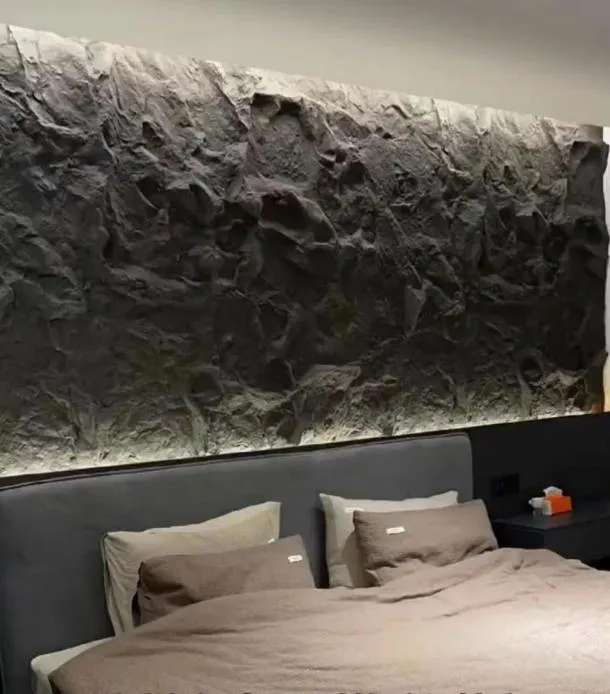
Before we explore design ideas, let's get to know the star of the show: PU stone wall panels. PU, short for polyurethane, is a synthetic material known for its lightweight, flexible, and durable properties. When crafted into stone wall panels, it mimics the texture, color, and depth of natural stone—think granite, limestone, or slate—without the heavy weight, high cost, or maintenance headaches of the real thing. These panels are engineered to be easy to install, resistant to moisture and impact, and adaptable to various design styles. For residential living rooms, this means you can achieve the luxurious look of natural stone without worrying about structural strain on your walls or spending weekends sealing and cleaning. It's a solution that marries practicality with beauty, making it a favorite among homeowners and interior designers alike.
The Benefits of Choosing PU Stone Wall Panels for Your Living Room
Why opt for PU stone wall panels over other materials? Let's break down the advantages that make them a top choice for modern living rooms:
-
Lightweight yet Durable:
Unlike natural stone, which can weigh 50-100 pounds per square foot, PU panels are significantly lighter—often less than 5 pounds per square foot. This makes installation easier (no need for reinforced walls!) and reduces the risk of damage over time. Despite their lightness, they're tough: resistant to scratches, dents, and fading, even with daily wear.
-
Moisture and Mold Resistance:
Living rooms near kitchens, bathrooms, or windows can be prone to humidity. PU panels are non-porous, meaning they won't absorb water or harbor mold—a crucial feature for maintaining a healthy home environment.
-
Versatile Aesthetics:
From rough-hewn "stacked stone" looks to sleek, contemporary designs, PU panels come in a wide range of textures, colors, and patterns. Want the warmth of a mountain cabin? Go for a rugged, earth-toned panel. Prefer a modern, urban vibe? Opt for smooth, neutral-colored panels with clean lines.
-
Easy Installation and Maintenance:
Most PU stone panels are designed with interlocking edges or adhesive backing, making them a DIY-friendly option (though professional installation is always recommended for a polished finish). Cleaning is a breeze, too—just wipe with a damp cloth; no special sealants or cleaners required.
-
Eco-Friendly:
Many PU stone panels are made with recycled materials and low-VOC (volatile organic compound) adhesives, making them a more sustainable choice compared to some traditional building materials. They also require less energy to produce and transport than natural stone, reducing their carbon footprint.
Modern Design Ideas: Transforming Your Living Room with PU Stone Wall Panels
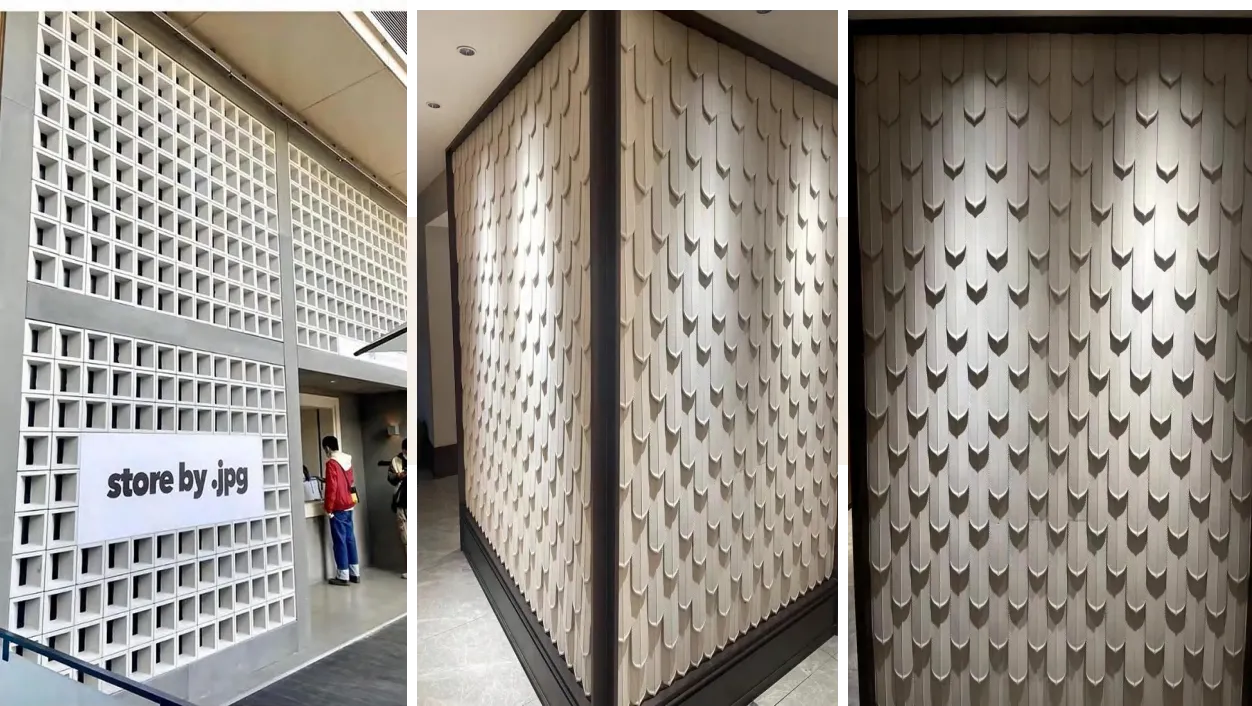
Now that we understand the "why," let's explore the "how." Here are four design ideas to inspire your living room transformation, each showcasing the versatility of PU stone wall panel solutions.
1. The Minimalist Accent Wall: Less Is More
In minimalist design, every element serves a purpose—and an accent wall clad in PU stone panels can be the focal point that ties the room together. Imagine a living room with neutral-toned sofas, light wood flooring, and soft gray walls. Now, add a PU stone accent wall behind the TV: choose panels in a subtle, uniform color (like off-white or light taupe) with a smooth, honed finish. The texture of the stone adds depth without overwhelming the space, while the neutral hue keeps the room feeling calm and airy. Pair this with sleek black metal fixtures and floor-to-ceiling curtains for a look that's modern, sophisticated, and timeless. This approach works especially well in smaller living rooms, as the accent wall draws the eye without making the space feel cluttered.
2. Industrial Chic: Raw Texture Meets Modern Comfort
Industrial style is all about embracing raw, unfinished elements—think exposed brick, metal, and wood. PU stone wall panels are perfect for achieving this look without the cost or mess of real brick or concrete. Opt for panels in deep grays, blacks, or rust tones with a rough, uneven surface that mimics weathered stone or aged brick. Install them on the entire wall behind your seating area, and pair with leather sofas, metal coffee tables, and Edison bulb pendant lights. Add warmth with a shaggy rug and wooden shelves to balance the industrial edge. The result? A living room that feels bold, urban, and inviting—ideal for homeowners who love a mix of ruggedness and comfort.
3. Rustic Warmth: Bringing the Outdoors In
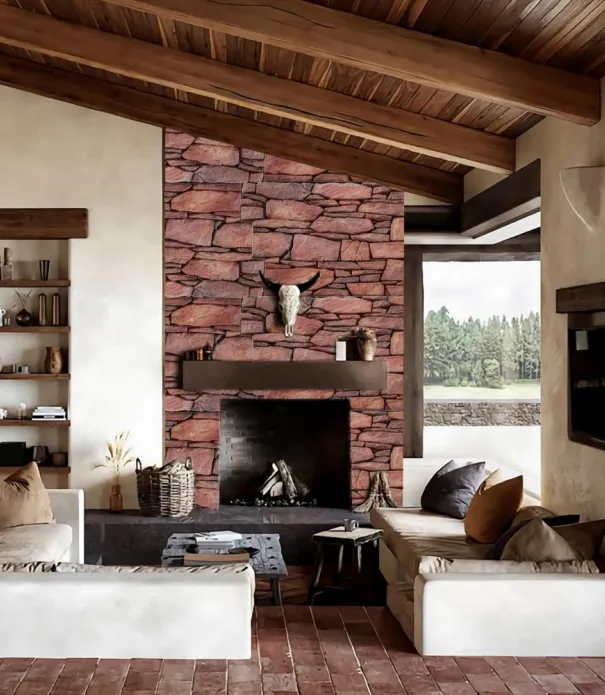
For those who crave the coziness of a mountain lodge or a countryside cottage, PU stone panels can create a warm, rustic atmosphere. Choose panels in earthy tones—beige, brown, or terracotta—with a stacked stone pattern that mimics traditional masonry. Install them on the wall surrounding your fireplace (if you have one) to create a focal point that feels like a natural gathering spot. Pair with wooden ceiling beams (or ceiling solutions that mimic wood), a plush wool rug, and overstuffed armchairs in warm fabrics like flannel or corduroy. Add touches of greenery with potted plants to enhance the "outdoor" vibe. This design isn't just about aesthetics; it's about creating a space that feels like a retreat—a place to unwind after a long day.
4. Coastal Cool: Light, Bright, and Breezy
Coastal living rooms are all about light, airiness, and a connection to the sea. PU stone panels can help achieve this look with panels in soft blues, whites, or sandy beiges. Look for panels with a smooth, weathered finish—like they've been gently worn by the ocean breeze. Install them on a single wall (perhaps the one facing a window to reflect natural light) and pair with white or light gray furniture, woven rattan accents, and nautical decor (think driftwood, seashells, or blue-and-white striped pillows). Add a ceiling fan with woven blades to enhance the breezy feel, and opt for
flooring solutions like light oak hardwood or large-format porcelain tiles that mimic beach sand. The result is a living room that feels fresh, open, and perfect for enjoying sunny afternoons with family and friends.
Integrating PU Stone Panels with Other Elements: Whole-House Customization at Its Best
A truly cohesive living room design doesn't stop at the walls—it considers how every element works together. PU stone wall panels shine in whole-house customization, as they can be paired with other materials to create a unified look throughout your home. Let's explore how they integrate with key elements like flooring, ceilings, and even other wall solutions.
The right flooring can enhance the beauty of your PU stone walls and tie the room together. For a modern, minimalist living room with a neutral PU stone accent wall, consider large-format porcelain slab tile for wall and floor—yes, you can use the same tile on both! Porcelain slabs in light gray or white with subtle veining complement the stone's texture while creating a seamless, spacious feel. If you prefer warmth, opt for wood-look flooring solutions like WPC (wood plastic composite) planks in a light oak or walnut finish. The contrast between the stone's texture and the wood's grain adds depth without clashing. For a rustic or industrial space, polished concrete or terrazzo tile flooring can pair beautifully with dark PU stone panels, creating a bold, cohesive look.
Ceiling Solutions: Drawing the Eye Upward
Don't overlook the ceiling—it's the "fifth wall" and can elevate your living room design when coordinated with PU stone walls. For a cohesive look, consider ceiling solutions that echo the panels' texture or color. In a rustic living room with stacked PU stone walls, exposed wooden ceiling beams add warmth and reinforce the cabin-like feel. In a modern space, a smooth, white ceiling with recessed lighting keeps the focus on the stone accent wall, while a coffered ceiling with metallic accents can add a touch of luxury. For industrial style, leave the ceiling open (if possible) to expose ductwork and pair with black metal pendant lights that complement the dark PU stone panels below. The key is balance—let the walls be the star, but let the ceiling support the overall aesthetic.
Bamboo Charcoal Board Wall Panels: A Complementary Alternative
While PU stone panels are a standout choice, they're not the only option. Bamboo charcoal board wall panel solutions offer a different set of benefits, and when used alongside PU stone, they can create a dynamic, layered look. Bamboo charcoal boards are known for their eco-friendliness (made from sustainable bamboo) and natural odor-absorbing properties—great for living rooms with pets or smokers. They have a smooth, uniform finish and come in warm wood tones, making them ideal for accent walls or wainscoting. Imagine a living room where the lower half of the walls is clad in bamboo charcoal boards (painted white for a modern twist), and the upper half features PU stone panels in a soft gray. The contrast between the smooth boards and textured stone adds visual interest, while the bamboo's warmth balances the stone's coolness. It's a perfect example of how whole-house customization allows you to mix materials for a unique, personalized space.
PU Stone vs. Alternatives: A Comparison Guide
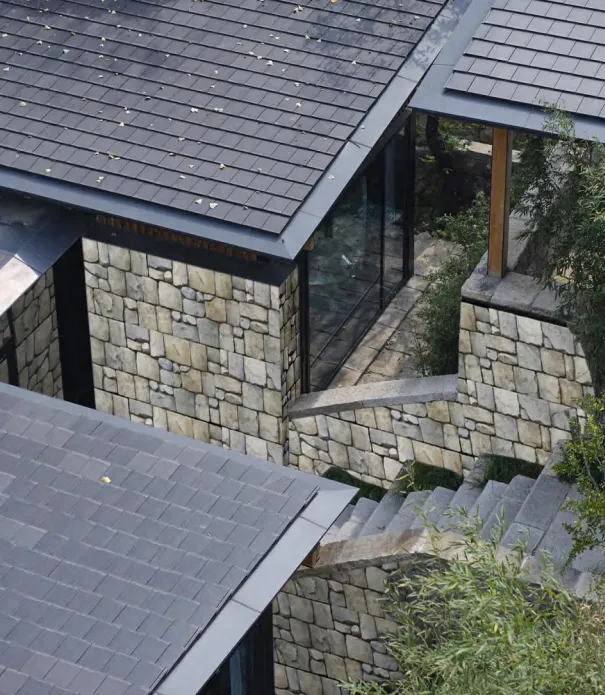
To help you make an informed decision, let's compare PU stone wall panels with two popular alternatives: bamboo charcoal board wall panels and MCM flexible cladding stone wall panels. This table breaks down key features to consider:
|
Feature
|
PU Stone Wall Panels
|
Bamboo Charcoal Board Wall Panels
|
MCM Flexible Cladding
|
|
Material Composition
|
Polyurethane foam with stone-like texture coating
|
Bamboo fibers mixed with charcoal powder and resin
|
Modified stone powder bound with polymer resins
|
|
Weight (per sq. ft.)
|
3-5 lbs
|
4-6 lbs
|
8-12 lbs
|
|
Flexibility
|
Highly flexible; can bend to curved surfaces
|
Moderate; rigid but less brittle than natural wood
|
Highly flexible; designed for curved walls
|
|
Moisture Resistance
|
Excellent; non-porous, resistant to mold
|
Good; treated to resist moisture, but not fully waterproof
|
Very good; water-resistant but may require sealing
|
|
Aesthetic Appeal
|
Mimics natural stone textures (granite, slate, limestone)
|
Wood-like grain with smooth, uniform finish
|
Natural stone look with more consistent color/pattern
|
|
Installation Ease
|
Easy; lightweight, adhesive or interlocking systems
|
Moderate; requires cutting and nailing/screwing
|
Moderate; flexible but may need professional installation
|
|
Cost Range
|
Mid-range; $10-$25 per sq. ft.
|
Mid-range; $12-$30 per sq. ft.
|
High-end; $20-$40 per sq. ft.
|
As the table shows, PU stone panels offer a winning combination of flexibility, moisture resistance, and affordability—making them an excellent choice for most residential living rooms. Bamboo charcoal boards are a strong runner-up for those prioritizing eco-friendliness and wood-like aesthetics, while MCM cladding is ideal for curved walls or high-end projects where budget isn't a constraint.
Maintenance Tips: Keeping Your PU Stone Walls Looking Like New
One of the best things about PU stone wall panels is how low-maintenance they are. With a little care, they'll look beautiful for years to come:
-
Regular Cleaning:
Dust or wipe down panels with a soft, damp cloth once a week. For tougher stains (like coffee or juice), mix a mild detergent with water and gently scrub—avoid abrasive cleaners or scouring pads, which can scratch the surface.
-
Preventing Moisture Buildup:
While PU panels are moisture-resistant, it's still best to avoid prolonged exposure to standing water. Wipe up spills immediately, and ensure the area behind the panels is well-ventilated (especially near windows or AC units).
-
Avoiding Direct Heat:
Keep PU panels away from direct heat sources like fireplaces, space heaters, or radiators. Prolonged heat can cause the material to warp or discolor.
-
Repairing Minor Damage:
Small scratches or dents can often be fixed with a touch-up kit (available from most PU stone wall panel suppliers). For larger damage, replace the affected panel—thanks to their modular design, this is a simple process.
Final Thoughts: Your Living Room, Reimagined
The living room is where life unfolds, and its design should reflect the people who live there—their personalities, their tastes, and their needs. PU stone wall panel solutions offer a way to create a space that's both beautiful and practical, whether you're drawn to modern minimalism, industrial edge, rustic warmth, or coastal cool. When paired with thoughtful flooring solutions, complementary ceiling designs, and whole-house customization, these panels become more than just walls—they become the foundation of a home that feels uniquely yours. So why wait? Start exploring PU stone wall panel options today, and take the first step toward transforming your living room into a space that tells your story.













