Renovation projects—whether for a cozy home or a bustling commercial space—often come with a familiar set of headaches: tight budgets, conflicting priorities, and the endless struggle to balance aesthetics with durability. You want your space to look stunning, but you also need it to stand the test of time (and maybe a few rowdy kids or busy customers). For years, homeowners and business owners alike have turned to natural stone, tiles, or wood for wall treatments, only to be hit with sticker shock at material costs or frustrated by complicated installation processes. But what if there was a solution that offered the best of both worlds: the timeless beauty of stone, the affordability of modern materials, and the ease of installation that saves you time and money? Enter PU stone wall panels—a game-changer in the world of interior and
exterior decoration materials.
The Renovation Paradox: Why Traditional Materials Often Fall Short
Let's start with the basics. When most people think of "stone walls," they picture grand fireplaces, rustic cottages, or luxurious hotel lobbies. Natural stone like granite or travertine has long been the gold standard for elegance, but it comes with a steep price tag. A single square meter of high-quality granite can cost upwards of $100, not including the heavy machinery needed to transport it or the skilled labor required to install it. Then there's the weight: natural stone is dense, meaning it can put extra stress on walls and structures, especially in older buildings or high-rise apartments where load-bearing limits are strict.
Wood panels, on the other hand, offer warmth but are prone to warping, rotting, or insect damage—hardly ideal for humid climates like Saudi Arabia's. Ceramic tiles? They're durable but can crack easily if not installed perfectly, and grout lines are a magnet for mold and dirt. Even newer alternatives like MCM flexible cladding or bamboo charcoal board wall panels have their trade-offs: MCM is lightweight but can lack the depth of real stone, while bamboo charcoal boards, though eco-friendly, may not offer the same level of water resistance needed for exterior use.
This is where PU stone wall panels step in. Short for polyurethane stone wall panels, these innovative materials are designed to mimic the look and texture of natural stone—think rugged mountain rock, smooth travertine, or even intricate marble patterns—without the downsides. They're part of a new wave of building materials that prioritize practicality without sacrificing style, making them a top choice for both residential building materials suppliers and commercial building materials suppliers alike.
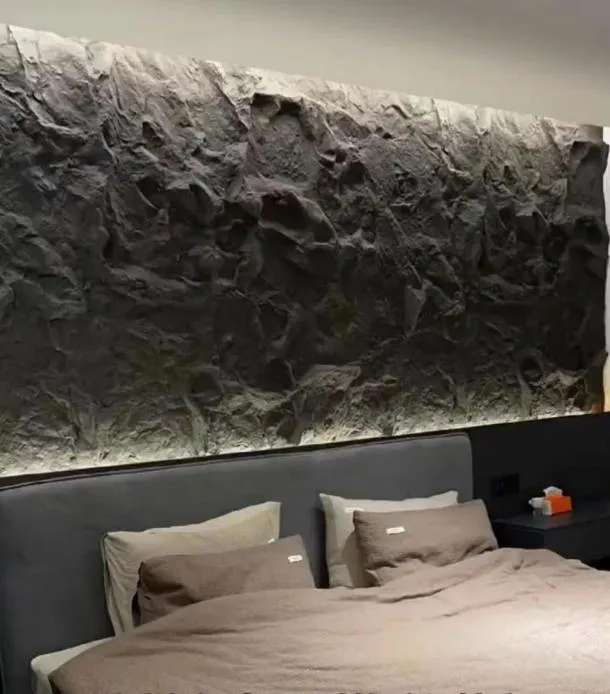
What Are PU Stone Wall Panels, Anyway? A Closer Look
Let's break it down simply: PU stone wall panels are made from polyurethane, a versatile synthetic material known for its durability, flexibility, and lightweight properties. Manufacturers blend polyurethane with mineral fillers and pigments to create panels that look and feel like real stone—right down to the subtle cracks, veining, and texture. The result? A product that's 70-80% lighter than natural stone, making it easy to handle, transport, and install.
But PU stone isn't just a pretty face. Polyurethane is inherently resistant to water, UV rays, and temperature fluctuations, which means these panels won't fade in the sun, warp in humidity, or crack in cold weather. They're also fire-retardant (most meet Class B or C fire ratings, though always check with your supplier for specifics) and can withstand impact better than many traditional materials. For example, a stray soccer ball hitting a PU stone exterior wall is far less likely to cause damage than it would to a fragile ceramic tile or chipping natural stone.
Another perk? Customization. PU stone wall panel suppliers offer a wide range of designs, colors, and finishes. Want the rough-hewn look of castle rock for a medieval-themed restaurant? Or the sleek, modern vibe of polished marble for a hotel lobby? There's a PU panel for that. Some suppliers even offer custom molds, so you can recreate the look of rare stones like Switzerland stone or cloud stone without the exorbitant cost.
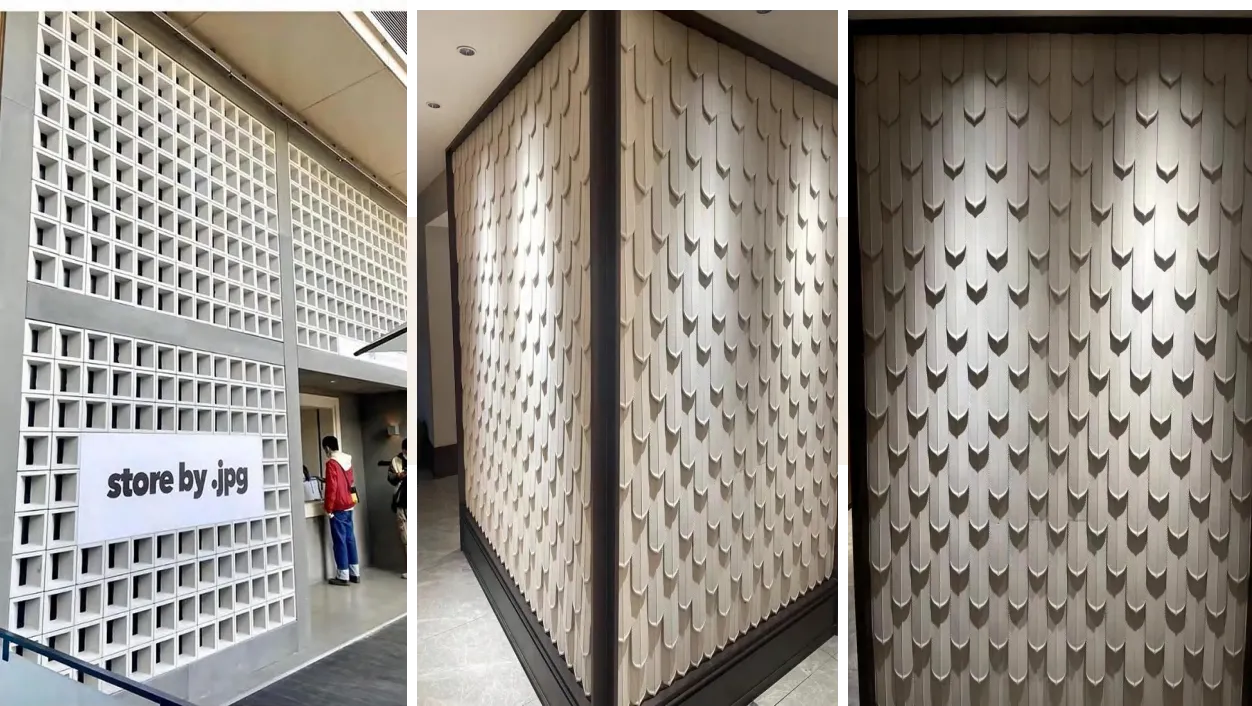
The Benefits of PU Stone Wall Panels: More Than Just a Pretty Panel
So, why should you consider PU stone wall panels for your next renovation? Let's count the ways:
1. Cost-Effective from Start to Finish
Let's talk numbers. Natural stone can cost $80-$150 per square meter, plus installation fees that often run just as high (since you need specialists with heavy equipment). PU stone panels, by contrast, typically range from $30-$60 per square meter, and installation is a breeze—no need for cranes or jackhammers. Even if you hire a pro, labor costs are lower because the panels are lightweight and can be cut with standard tools like a saw or utility knife. For a 50-square-meter wall, that could mean savings of $5,000 or more compared to natural stone.
2. Lightweight and Easy to Install
Remember that 70-80% lighter stat? That's a game-changer for DIYers and professionals alike. A typical PU stone panel weighs around 3-5 kg per square meter, compared to 20-30 kg for natural granite. This means you can carry panels up a flight of stairs without straining your back, and install them with basic tools—no need for a team of workers or expensive equipment. Many panels even come with a peel-and-stick backing or simple adhesive application, cutting installation time from days to hours.
3. Durable and Low-Maintenance
PU stone panels are built to last. They're resistant to moisture, so they won't rot or grow mold in bathrooms or kitchens. UV resistance means they'll keep their color even if installed outdoors in sunny climates like Saudi Arabia. And cleaning? A quick wipe with a damp cloth is usually all it takes—no harsh chemicals or special sealants required. Unlike natural stone, which needs periodic resealing to prevent staining, PU panels are virtually maintenance-free.
4. Eco-Friendly and Sustainable
Many PU stone wall panel suppliers prioritize sustainability by using recycled materials in their production process and reducing waste (since panels are precision-cut to size, there's less scrap). Polyurethane also has excellent insulating properties, which can help reduce energy costs by keeping heat in during winter and out during summer. For businesses aiming for green certifications or homeowners looking to reduce their carbon footprint, PU stone is a smart choice.
5. Versatile Applications
PU stone panels work indoors and outdoors, making them a one-stop solution for whole-house or commercial building renovations. Use them for accent walls in living rooms, backsplashes in kitchens, exterior facades of villas, or even as decorative elements in hotels and offices. They're also ideal for renovation projects where structural weight is a concern—like high-rise apartments or historic buildings where adding heavy materials could damage the structure.
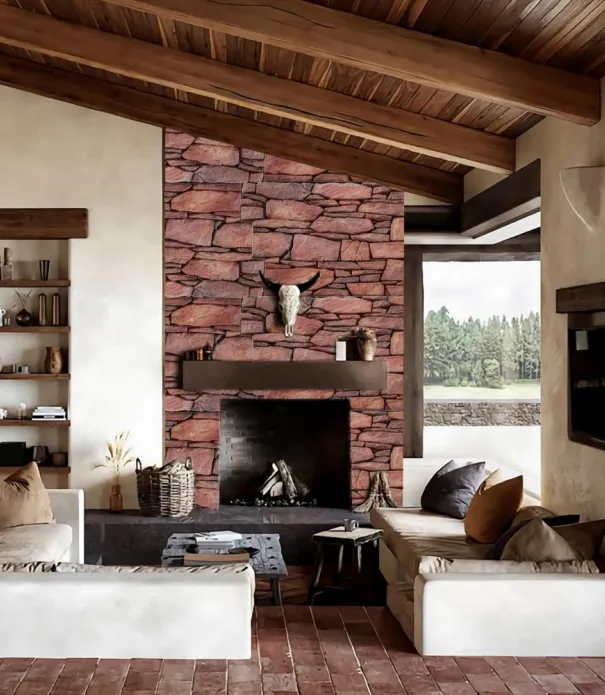
PU Stone vs. the Competition: How Does It Stack Up?
To really understand why PU stone wall panels are gaining popularity, let's compare them to other common wall panel materials. We've put together a handy comparison table to help you see the differences at a glance:
|
Material Type
|
Cost (per sqm)
|
Installation Difficulty
|
Durability
|
Fire Resistance
|
Aesthetic Options
|
Best For
|
|
PU Stone Wall Panels
|
$30-$60
|
Easy (DIY-friendly)
|
High (water, UV, impact resistant)
|
Class B/C (varies by supplier)
|
Extensive (mimics stone, wood, marble)
|
Indoor/outdoor accent walls, exteriors, commercial spaces
|
|
MCM Flexible Cladding Stone
|
$50-$80
|
Moderate (requires specialized tools)
|
High (weather-resistant)
|
Class A (excellent for high-risk areas)
|
Good (limited to stone looks)
|
Large exterior facades, high-rise buildings
|
|
Bamboo Charcoal Board
|
$40-$70
|
Moderate (needs precise cutting)
|
Medium (prone to scratches, not ideal for exteriors)
|
Class B (some variants fire-retardant)
|
Limited (wood-like finishes)
|
Indoor walls, eco-friendly homes
|
|
WPC Wall Panels
|
$25-$45
|
Easy (lightweight, snap-together)
|
Medium (can warp in high humidity)
|
Class C (low fire resistance)
|
Moderate (wood grain, solid colors)
|
Indoor walls, moisture-prone areas (e.g., bathrooms)
|
|
Natural Granite Stone
|
$80-$150
|
Hard (requires heavy machinery, pros only)
|
Very High (scratch, heat resistant)
|
Class A (natural stone)
|
Limited (natural veining only)
|
Luxury interiors, high-traffic commercial spaces
|
As you can see, PU stone wall panels offer a sweet spot between cost, ease of installation, and durability. They outperform WPC panels in durability and aesthetic options, beat MCM cladding in affordability and installation simplicity, and are far more budget-friendly than natural granite—all while offering a similar high-end look. For most renovation projects, PU stone panels strike the perfect balance.
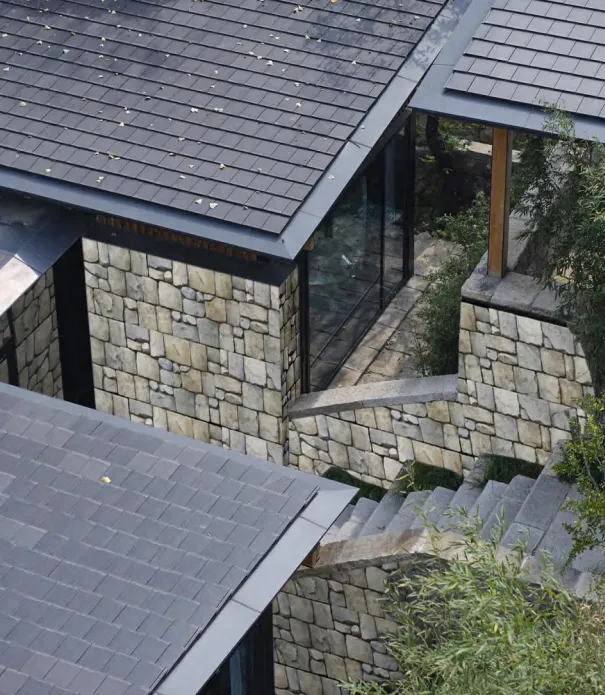
Real-World Applications: Where PU Stone Shines Brightest
Let's dive into specific examples of how PU stone wall panels are transforming spaces across residential and commercial projects. These aren't just hypothetical scenarios—they're real stories from homeowners and businesses who chose PU stone and never looked back.
Case Study 1: Residential Renovation – The Accent Wall That Saved the Budget
Meet Ahmed, a homeowner in Jeddah who wanted to update his living room with a stone accent wall. He'd fallen in love with the look of natural sandstone but was shocked when his contractor quoted him $8,000 for materials and installation. "I almost gave up," Ahmed recalls. "Then my neighbor mentioned PU stone panels—she'd used them for her patio and loved the results." Ahmed contacted a local PU stone wall panel supplier and chose a sandstone-mimic panel. The total cost? $3,200 for materials and installation—less than half the natural stone quote. "The panel looks so real, guests can't believe it's not actual sandstone," he says. "And when my kids accidentally kicked a ball at it? No scratch. I'm hooked."
Case Study 2: Commercial Project – A Hotel Lobby Gets a Luxury Makeover on a Tight Timeline
A mid-range hotel in Riyadh needed to renovate its lobby before the busy tourist season, with a budget of $50,000 and just 3 weeks to complete the project. The design called for a grand stone wall behind the reception desk, but natural stone was out of the question—too expensive and too slow to install. The hotel's project manager, Lina, turned to a one-stop architectural solution provider that offered PU stone wall panel solutions. The supplier provided custom-cut panels that mimicked the look of expensive marble, and the installation team finished the entire 40-square-meter wall in just 2 days. "We saved $15,000 on materials and hit our deadline with time to spare," Lina says. "Guests comment on the 'marble' wall all the time—no one suspects it's PU. It's been a year, and it still looks brand new, even with thousands of people walking by daily."
Not all PU stone wall panels are created equal—and neither are suppliers. To ensure you get a quality product that meets your needs, it's crucial to partner with a reputable
PU stone wall panel supplier. Here's what to look for:
1. Range of Options
The best suppliers offer a wide variety of designs, colors, and finishes. Look for a company that can mimic not just common stones but also rare or custom looks—like Switzerland stone or dragon rock. This ensures you'll find the perfect match for your project's aesthetic.
2. Quality Assurance
Ask about material certifications. Reputable suppliers will provide test reports on durability, fire resistance, and environmental impact. For example, panels should meet local building codes (like Saudi Arabia's SASO standards) and have clear warranties (at least 5-10 years for residential use, longer for commercial).
3. One-Stop Services
Opt for a supplier that offers more than just panels. Many top providers are also residential and commercial building materials suppliers, offering complementary products like
flooring solutions, ceiling solutions, or pipes and fittings. This simplifies your renovation process—you can source all materials from one company, ensuring consistency and saving time on coordination.
4. Technical Support
Even DIY-friendly products benefit from expert guidance. Choose a supplier that provides installation guides, video tutorials, or on-call support. For commercial projects, look for suppliers that offer on-site consultations to help with measurements and design planning.
5. Local Knowledge
If you're based in Saudi Arabia, partner with a
Saudi Arabia building materials supplier who understands the local climate. The country's hot, dry weather and occasional sandstorms require panels that can withstand extreme conditions—something a local supplier will prioritize in their product design.
Final Thoughts: PU Stone Wall Panels—The Smart Choice for Modern Renovations
Renovating doesn't have to mean choosing between style, durability, and cost. PU stone wall panels offer a winning combination of all three, making them an ideal solution for homeowners and businesses alike. Whether you're updating a single accent wall or renovating an entire building, PU stone panels deliver the timeless beauty of natural stone with the practicality and affordability of modern materials.
By partnering with a trusted
PU stone wall panel supplier—preferably one that offers one-stop architectural solutions—you can streamline your project, save money, and enjoy a stunning, durable result that will stand the test of time. So why wait? Give your space the upgrade it deserves, without the stress or sticker shock. PU stone wall panels are more than just a trend—they're the future of renovation.













