

In the world of interior and exterior decoration materials, the search for the perfect balance between aesthetics, durability, and practicality is a journey many designers, contractors, and homeowners embark on. Whether you're revamping a cozy living room, sprucing up a commercial facade, or building a new space from scratch, the walls play a starring role in setting the tone. Enter PU stone wall panels—a modern solution that's been turning heads in the architectural industry for its ability to mimic the timeless beauty of natural stone while offering a host of advantages that traditional materials simply can't match. In this guide, we'll dive deep into what PU stone wall panel solutions entail, from the science behind the material to the step-by-step installation process, and why choosing the right PU stone wall panel supplier matters more than you might think.
Let's start with the basics: PU, or polyurethane, is a versatile polymer known for its lightweight, flexible, and durable properties. When engineered into stone wall panels, it becomes a game-changer for both interior and exterior applications. PU stone wall panels are crafted by blending polyurethane resin with natural stone powder, additives, and pigments, resulting in a material that looks and feels like real stone but weighs a fraction of the actual thing. Think of it as nature's beauty, reimagined with modern technology.
Unlike heavy natural stone slabs or rigid concrete panels, PU stone wall panels are designed to be flexible, easy to handle, and adaptable to various surfaces. This flexibility makes them a favorite among architects and designers who want to achieve intricate designs—curved walls, accent features, or even custom patterns—without the hassle of structural modifications. And because they're manufactured in controlled environments, each panel boasts consistent color, texture, and quality, ensuring a seamless look across any project.
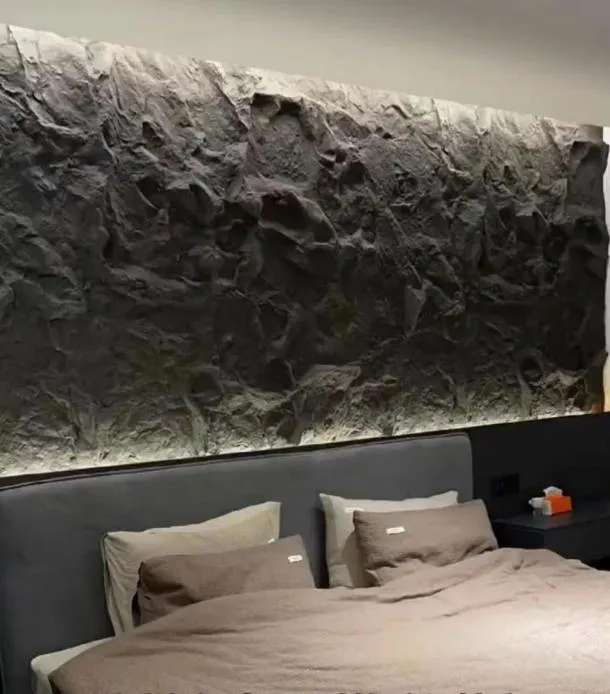
To truly appreciate PU stone wall panels, it helps to understand what goes into making them. The core ingredients include:
The manufacturing process involves mixing these ingredients, pouring the mixture into molds, and curing it under controlled heat and pressure. The result? A panel that's not only visually stunning but also engineered to withstand the elements, whether it's rain, snow, or intense sunlight. For interior spaces, this means resistance to moisture, scratches, and daily wear and tear—perfect for high-traffic areas like lobbies, restaurants, or family homes.
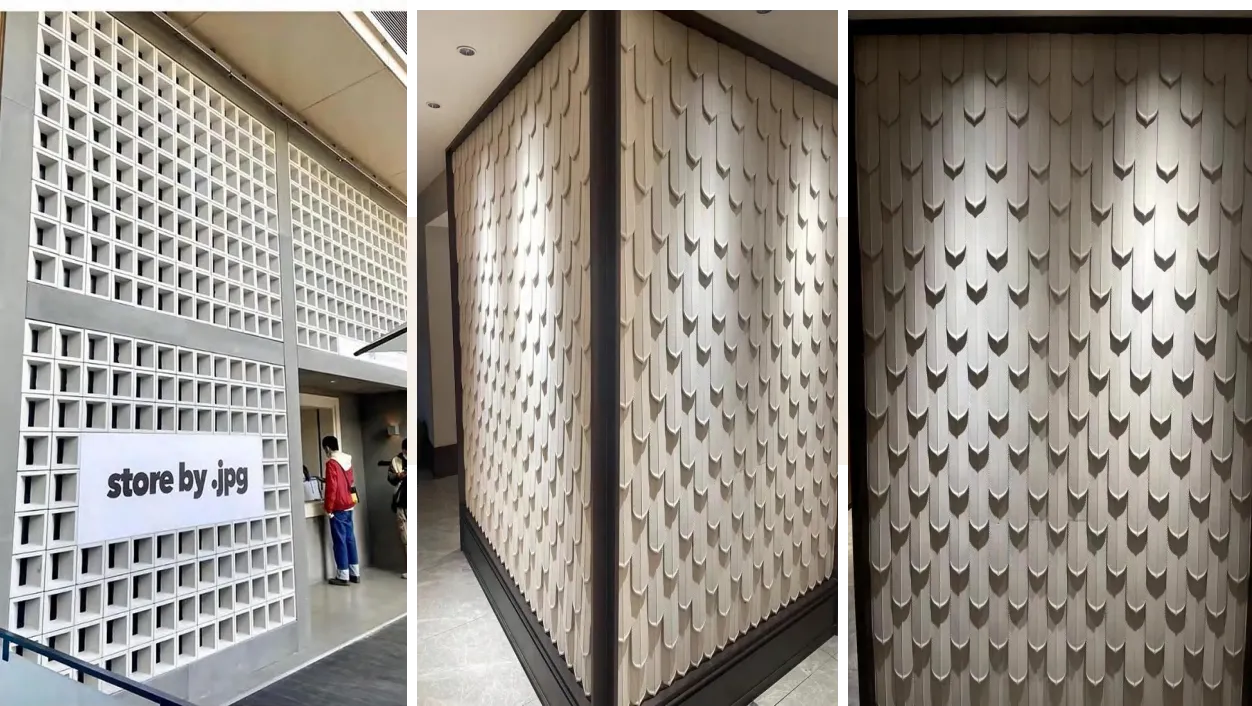
It's one thing to say PU stone panels are good, but let's break down the specific advantages that make them a top choice for interior and exterior decoration materials:
Traditional natural stone can weigh 10–20 pounds per square foot, requiring heavy machinery, reinforced structures, and specialized labor to install. PU stone panels, by contrast, weigh just 2–4 pounds per square foot. This drastic reduction in weight means they can be installed by a small team with basic tools, cutting down on labor costs and project timelines. For homeowners tackling a DIY accent wall or contractors working on tight deadlines, this is a game-changer.
Don't let their lightweight nature fool you—PU stone panels are tough. They're resistant to cracks, chips, and fading, even when exposed to harsh weather conditions. UV stabilizers prevent color degradation from sunlight, while water-resistant properties make them ideal for exterior facades, pool areas, or bathrooms. Unlike wood or MDF panels, they won't warp, rot, or attract pests, ensuring your walls look fresh for years to come.
While the upfront cost of PU stone panels might be slightly higher than basic drywall or vinyl, they more than make up for it in savings over time. Lower installation costs (no need for structural reinforcements), minimal maintenance, and long lifespan mean you'll spend less on repairs and replacements down the line. Plus, their energy-efficient properties—PU is a natural insulator—can even help reduce heating and cooling bills in both residential and commercial buildings.
Whether you're going for a rustic countryside vibe, a sleek modern look, or a classic stone mansion aesthetic, PU panels have you covered. They come in a wide range of textures (rough-hewn, smooth, stacked stone, ledge stone) and colors, and can be cut, shaped, or trimmed to fit any space. Want a curved accent wall in your living room? Or a castle-like exterior for your boutique hotel? PU stone panels make these design dreams achievable without the logistical nightmare of working with real stone.
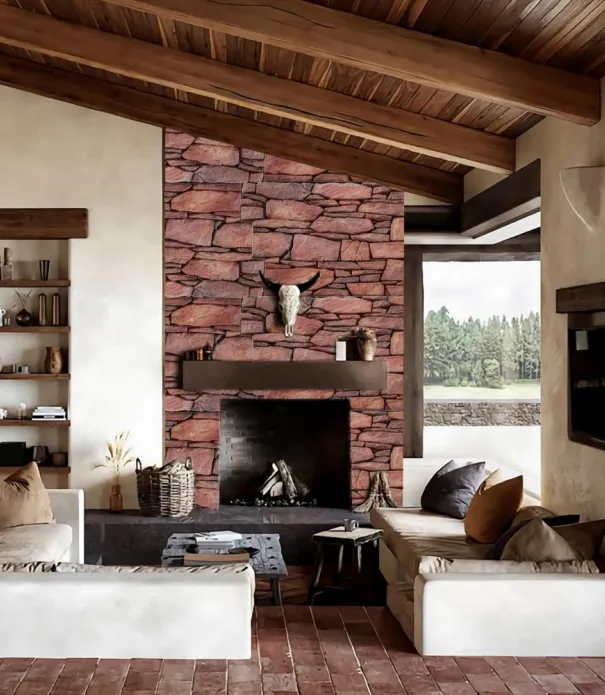
To help you see how PU stone wall panels stack up against other popular wall materials, let's take a closer look with a side-by-side comparison:
| Material | Weight (per sq. ft.) | Installation Difficulty | Cost (per sq. ft.) | Durability | Best For |
|---|---|---|---|---|---|
| PU Stone Panels | 2–4 lbs | Easy (DIY-friendly) | $15–$30 | High (resistant to moisture, UV, impact) | Interior accent walls, exterior facades, commercial spaces |
| Natural Stone (Granite/Marble) | 10–20 lbs | Difficult (requires structural support, professional installation) | $30–$100+ | Very High (but prone to cracking if not installed properly) | Luxury interiors, high-end exteriors (museums, luxury homes) |
| MCM Flexible Cladding | 3–5 lbs | Moderate (needs specialized adhesive) | $20–$40 | High (good for exteriors) | Large-scale commercial facades |
| WPC Wall Panels | 4–6 lbs | Moderate (similar to PU but less flexible) | $10–$25 | Medium (prone to swelling in high moisture) | Indoor spaces (kitchen backsplashes, bedrooms) |
| Vinyl Siding | 0.5–1 lb | Easy | $5–$12 | Low (fades, cracks in extreme temperatures) | Budget-friendly exteriors (residential) |
As the table shows, PU stone panels strike a sweet spot between cost, durability, and ease of installation. They offer the look of natural stone at a fraction of the weight and cost, with more design flexibility than MCM or WPC panels. For most projects—whether residential or commercial—they're the practical, stylish choice.
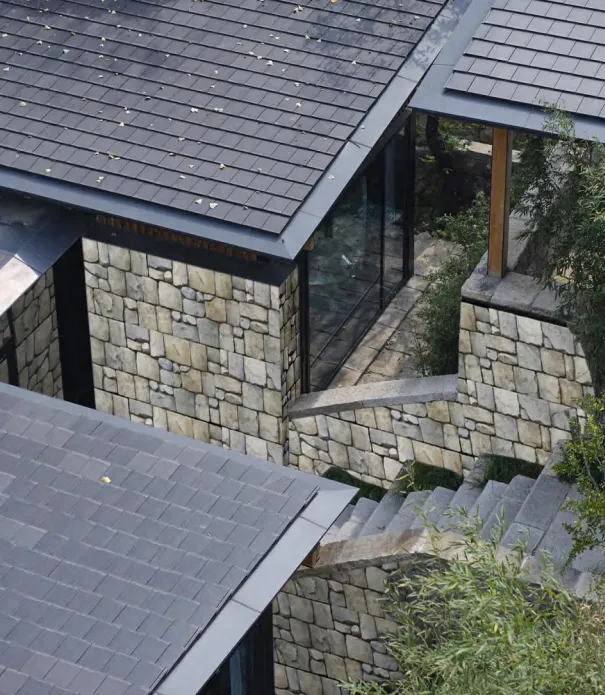
One of the biggest advantages of PU stone wall panels is their versatility. They work equally well indoors and outdoors, adapting to different environments and design needs. Let's explore some common applications:
Inside the home or office, PU stone panels add texture, warmth, and character without overwhelming the space. Popular uses include:
Outdoors, PU stone panels stand up to the elements while enhancing curb appeal. Common uses include:
No matter the application, PU stone panels offer the kind of versatility that makes them a favorite among one-stop architectural solution providers, who can recommend them for both interior and exterior projects, streamlining the material selection process for clients.
One of the biggest draws of PU stone wall panels is how easy they are to install—even for DIY enthusiasts. While professional installation is always an option (especially for large commercial projects), many homeowners and small contractors tackle the job themselves with great success. Here's a breakdown of the process:
Start with a clean, flat, and dry surface. Whether you're installing over drywall, concrete, or wood, ensure the substrate is free of dust, debris, and loose paint. Fill any cracks or holes with spackle, and sand down rough areas to create a smooth base. For exterior installations, make sure the surface is weatherproofed (e.g., a waterproof membrane for walls exposed to heavy rain).
Measure the wall area carefully and mark the layout of the panels. It's a good idea to dry-fit the panels first to ensure they align properly and to identify any cuts needed for corners, outlets, or obstacles. Leave a small gap (about 1/8 inch) between panels to allow for expansion, especially in areas with temperature fluctuations.
PU stone panels can be cut with a circular saw, jigsaw, or utility knife (for thinner panels). Always wear safety goggles and a dust mask when cutting, as the stone powder can be irritating. For precise cuts (e.g., around windows or doors), use a template or measure twice before cutting once!
Use a high-quality construction adhesive designed for lightweight panels (check with your PU stone wall panel supplier for recommendations). Apply the adhesive in a zigzag pattern on the back of each panel, covering about 80% of the surface to ensure a strong bond. For exterior installations, use a weather-resistant adhesive to prevent water damage.
Press the panel firmly against the wall, starting from the bottom corner and working your way up. Use a level to ensure the panel is straight, and gently tap with a rubber mallet to secure it in place. Wipe away any excess adhesive with a damp cloth before it dries. Repeat the process for each panel, ensuring the gaps between them are consistent.
Once all panels are installed, fill the gaps with a matching grout or caulk (silicone caulk works well for exterior applications). This not only improves the appearance but also prevents moisture from seeping behind the panels. For a more seamless look, some installers paint the grout to match the panel color.
Wipe down the panels with a soft, damp cloth to remove any dust or adhesive residue. Avoid using harsh chemicals or abrasive sponges, as these can damage the finish.
That's it! In just a few hours (or a weekend for larger projects), you'll have a stunning stone wall that looks like it took weeks to install. For commercial projects or complex designs, hiring a professional installer familiar with PU panels is always a safe bet, but the process is straightforward enough that even beginners can achieve great results.
One of the best things about PU stone wall panels is how low-maintenance they are. With proper care, they'll look as good as new for 15–20 years or more. Here are some simple tips to keep them in top shape:
For commercial spaces with heavy foot traffic, consider applying a clear sealant every 3–5 years to add an extra layer of protection against scratches and stains. Your PU stone wall panel supplier can recommend the best sealant for your specific panels and environment.
Now that you know all about PU stone wall panels, the next step is finding a reliable supplier. Not all panels are created equal, and working with a reputable PU stone wall panel supplier can make all the difference in the success of your project. Here's what to look for:
A good supplier will use high-quality polyurethane resin, natural stone powder, and additives, and will provide test reports for fire resistance, UV stability, and durability. Ask for certifications (like ISO, CE, or local building codes) to ensure the panels meet industry standards.
The best suppliers offer more than just panels—they provide comprehensive PU stone wall panel solutions, including custom colors, textures, and sizes. Look for a one-stop architectural solution provider that can also assist with design advice, installation tips, and after-sales support. This saves you time and hassle, as you won't have to coordinate with multiple vendors.
Check reviews, case studies, and client testimonials to gauge the supplier's reputation. A supplier with years of experience in the industry is more likely to understand your needs and deliver consistent quality. Don't hesitate to ask for references or examples of past projects, especially ones similar to yours.
From the initial inquiry to post-installation support, a good supplier should be responsive and helpful. They should answer your questions promptly, provide detailed product information, and offer guidance on installation and maintenance. Avoid suppliers who are vague about their products or unresponsive to your needs—this is a red flag for poor quality or service.
While cost is important, don't choose the cheapest option without considering quality. A slightly higher price tag for better materials and service can save you money in the long run by reducing maintenance and replacement costs. Compare quotes from multiple suppliers, but prioritize value over the lowest price.
In a world where design trends come and go, PU stone wall panels offer a timeless solution that combines the best of both worlds: the natural beauty of stone and the practicality of modern materials. Whether you're a homeowner looking to upgrade your living room, a designer working on a commercial project, or a contractor seeking efficient, durable materials, PU stone panels deliver on aesthetics, performance, and value.
From their lightweight composition and easy installation to their versatility and low maintenance, it's no wonder they're becoming a go-to choice for interior and exterior decoration materials. And when paired with a trusted PU stone wall panel supplier who offers comprehensive solutions, you can rest assured that your project will not only look stunning but also stand the test of time.
So, if you're ready to transform your space with walls that make a statement—without the stress, cost, or hassle of traditional stone—PU stone wall panels might just be the solution you've been searching for. After all, great design shouldn't have to compromise on practicality, and with PU panels, it never does.
Recommend Products











