

If you're new to the world of building materials, stepping into the realm of interior and exterior decoration can feel a bit like navigating a maze. With so many options thrown around—from natural stone to wood panels, and everything in between—it's easy to feel overwhelmed, especially when you're trying to balance aesthetics, durability, and budget. That's where PU stone wall panels come in. You might have heard the term tossed around by contractors or seen them in trendy cafes or modern homes, but what exactly are they? And more importantly, are they the right choice for your project? This guide is designed to walk you through everything a first-time buyer needs to know about PU stone wall panel solutions, from what they are and why they're worth considering, to how to pick the best supplier and keep them looking great for years.
Let's start with the basics. PU stone wall panels are a type of synthetic cladding material made from polyurethane (PU) resin, blended with natural stone powder, additives, and colorants. Think of them as a high-tech hybrid: they mimic the look and texture of real stone—whether it's rugged granite, smooth marble, or rustic slate—but without the weight, cost, or installation headaches of natural stone. Unlike traditional stone, which is heavy and brittle, PU panels are lightweight, flexible, and surprisingly tough. They're engineered to be durable enough for both interior accent walls and exterior façades, making them a versatile option for homeowners and businesses alike.
You might be wondering, "Why polyurethane?" Well, PU is a material known for its resilience. It's water-resistant, resistant to UV rays (so it won't fade in the sun), and even has some fire-retardant properties when treated—more on that later. Plus, because they're man-made, manufacturers can tweak the design to create almost any stone-like texture or color, giving you way more creative freedom than natural stone, which is limited by what the earth provides. Whether you want a sleek, modern look for your living room or a weathered, cottage-style exterior, there's a PU stone panel out there to match.
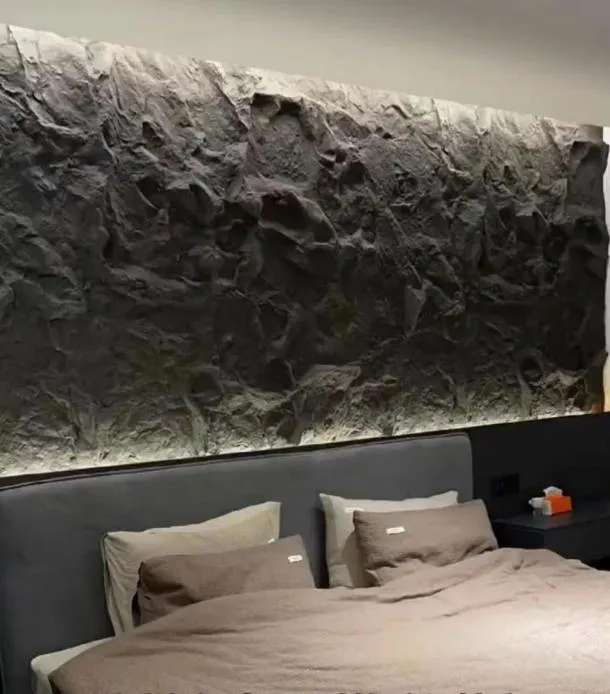
If you're still on the fence, let's break down the benefits that have made PU stone wall panel solutions a go-to for interior and exterior decoration materials. First and foremost: weight . Natural stone can weigh upwards of 50 pounds per square foot, which means you need heavy-duty structural support and often professional installers with special equipment. PU panels? They clock in at around 2–4 pounds per square foot. That's light enough that even a DIY enthusiast can handle installation with basic tools, and it puts far less strain on your walls or building structure. For renters or those in older homes where structural changes are a no-go, this is a game-changer.
Then there's cost . Real stone isn't just expensive to buy; it's expensive to transport (thanks to that weight) and install (thanks to the labor). PU panels, on the other hand, are generally a fraction of the cost—sometimes 30–50% cheaper than natural stone. And because they're easier to install, you'll save on labor costs too. If you're working with a tight budget but don't want to skimp on style, this is a huge plus.
Durability is another big win. PU stone panels are designed to stand up to the elements: rain, snow, humidity, and even extreme temperatures. Unlike wood, they won't rot or warp; unlike some natural stones, they won't crack or chip easily. Many are also treated to be mold and mildew resistant, which is a lifesaver in damp areas like bathrooms or basements. And let's not forget versatility . They're thin and flexible, so they can be bent around curves or cut into custom shapes—something you'd never dream of doing with rigid natural stone. Want a curved accent wall in your entryway? Or a unique exterior façade with varying textures? PU panels make it possible.
Pro Tip: When shopping, ask suppliers about "Class A fireproof" options if safety is a priority. Some PU panels are treated to meet strict fire codes, making them suitable for commercial spaces like hotels or schools—though they're just as great for homes where peace of mind matters.
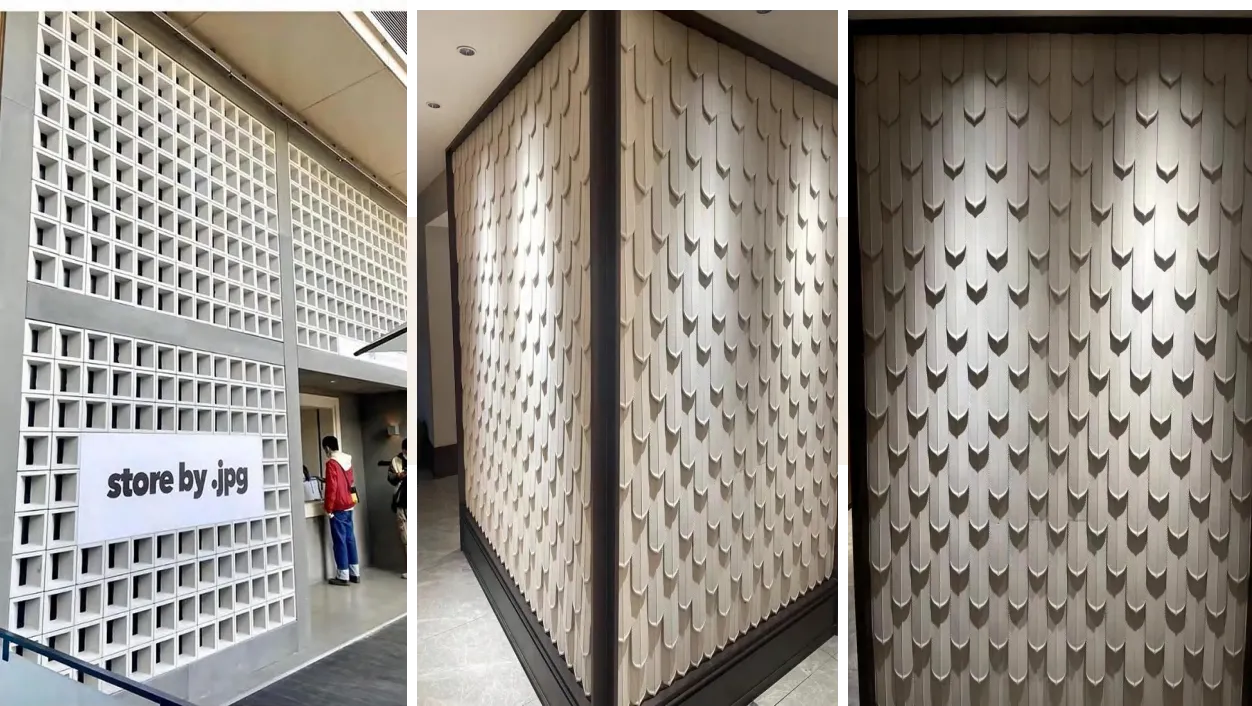
One of the best things about PU stone wall panels is that they're not limited to just one part of your space. They shine equally well indoors and outdoors, though there are a few key differences to keep in mind when choosing panels for each area.
Interior Use: Indoors, PU panels are a favorite for accent walls. Imagine walking into a living room with a textured stone feature wall behind the TV, or a bedroom with a cozy, rustic stone headboard wall—PU panels make that look achievable without the mess of real stone installation. They're also popular in kitchens (as backsplashes), bathrooms (as shower walls, thanks to their water resistance), and even commercial spaces like restaurants or offices, where they add warmth without the maintenance hassle of natural materials. For interior projects, you might prioritize color variety or unique textures—think "cloud stone" or "terrazzo" looks—or panels with sound-absorbing properties if you're aiming for a quieter space.
Exterior Use: Outdoors, PU stone panels are often used as part of architectural façade solutions, transforming plain exteriors into eye-catching designs. They work on everything from small home exteriors to large commercial buildings, thanks to their weather resistance. Look for panels labeled "exterior-grade," which are specifically treated to withstand rain, UV rays, and temperature fluctuations. Exterior panels might also have reinforced edges or additional water-resistant coatings to prevent moisture from seeping in. Common exterior uses include garden walls, porch cladding, or even poolside areas—just make sure to confirm with your supplier that the panels are rated for wet, outdoor conditions.
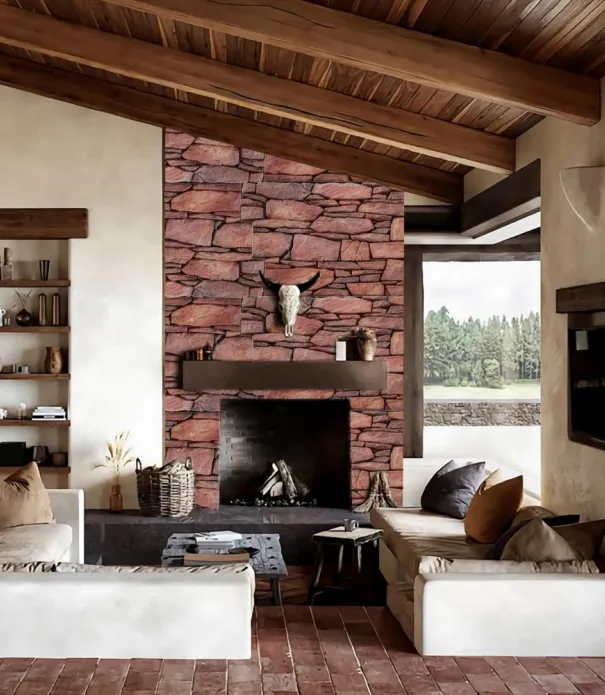
To help you see why PU stone panels stand out, let's compare them to a few other popular wall panel options. This table breaks down the key differences in weight, cost, durability, and best uses:
| Material | Weight (per sq ft) | Cost (approx. per sq ft) | Durability | Best For |
|---|---|---|---|---|
| PU Stone Wall Panels | 2–4 lbs | $10–$25 | High (water/UV/mold resistant) | Interior accent walls, exterior façades, curved surfaces |
| Natural Stone (Granite/Marble) | 15–30 lbs | $30–$100+ | High (but brittle, prone to chipping) | High-end interiors, floors, fireplaces (limited to flat surfaces) |
| MCM Flexible Cladding | 3–5 lbs | $15–$30 | High (good for exteriors) | Large exterior façades, commercial buildings |
| WPC Wall Panels | 4–6 lbs | $8–$18 | Medium (prone to fading in direct sun) | Indoor walls, low-moisture areas |
As you can see, PU panels hit that sweet spot: they're lighter and more affordable than natural stone, more durable than WPC for outdoor use, and often more flexible than MCM cladding. For first-time buyers, this balance of cost, ease, and style is hard to beat.
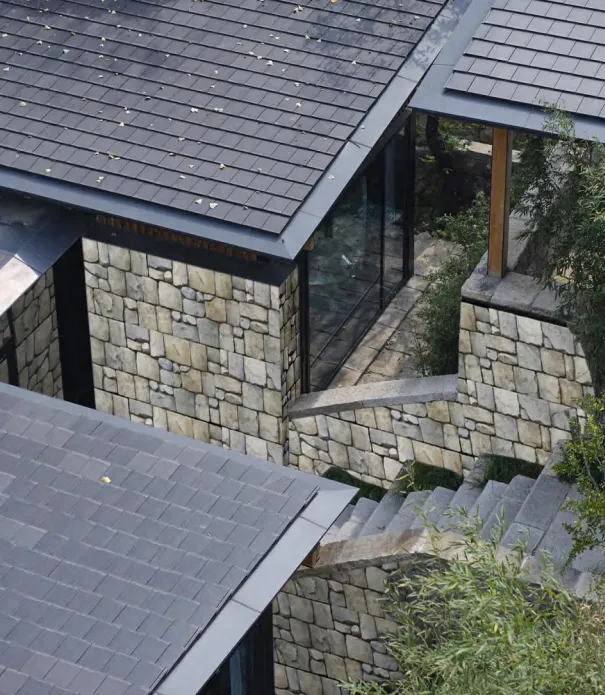
Now that you're sold on PU stone panels, the next step is finding a reliable supplier. With so many options out there—from local hardware stores to online retailers—it can be tricky to know who to trust. Here's what to look for when vetting a PU stone wall panel supplier:
1. Product Quality: Always ask for samples before placing a large order. A good supplier will happily send you a few panels so you can check the texture, color, and thickness in person. Look for panels that feel sturdy but lightweight, with consistent coloring and no visible defects like air bubbles or uneven edges. If you're using them outdoors, request a sample of their exterior-grade panels and test them with a little water to see how they hold up.
2. Certifications: Reputable suppliers will have certifications to back up their claims. For example, if they say their panels are fire-resistant, ask for a Class A fire rating certificate. If they mention being eco-friendly, look for certifications like low VOC emissions or recyclable materials. Certifications aren't just paperwork—they're proof that the product meets industry standards.
3. Customer Service: A supplier that's easy to communicate with is worth their weight in gold, especially if you're new to this. Do they answer your questions promptly? Are they willing to walk you through the differences between panel types? Avoid suppliers who rush you or are vague about product details—you want someone who's invested in helping you find the right solution, not just making a sale.
4. Customization Options: Maybe you have a specific color or texture in mind that isn't in their standard lineup. A good supplier will offer customization—whether it's matching a paint color, creating a unique texture, or cutting panels to custom sizes. Just keep in mind that custom orders might take longer and cost a bit more, so plan accordingly.
5. Reviews and References: Don't just take the supplier's word for it—check online reviews or ask for references from past customers. Look for feedback on product durability, delivery times, and post-purchase support (like help with installation questions). If a supplier has mostly positive reviews and happy customers, that's a good sign.
Once you've found a few potential suppliers, it's time to dive into the details of the panels themselves. Here are the key features to compare:
Thickness: PU panels typically range from 8mm to 30mm thick. Thicker panels are more durable and better for high-traffic areas or exteriors, while thinner panels work well for lightweight interior projects. Keep in mind that thicker panels might cost more, so balance thickness with your project's needs.
Fire Rating: As mentioned earlier, fire safety is crucial, especially for commercial spaces. Look for panels with a Class A fire rating, which means they're non-combustible and won't spread flames quickly. Even for homes, a higher fire rating can offer peace of mind.
Water Resistance: For bathrooms, kitchens, or exteriors, water resistance is a must. Check if the panels have a waterproof coating or are made with water-resistant additives. Some suppliers will list a "water absorption rate"—aim for panels with a rate below 1%, which means they won't soak up moisture.
Warranty: A solid warranty shows the supplier stands behind their product. Most PU panels come with a 5–10 year warranty, covering things like fading, cracking, or delamination. Read the fine print to see what's included—some warranties might only cover manufacturing defects, not damage from improper installation.
Installation System: Some panels come with a tongue-and-groove system for easy, seamless installation, while others might require adhesive or screws. If you're planning a DIY project, opt for panels with a simple click-lock system—they'll save you time and frustration.
You don't have to be a pro to install PU stone panels, but a little preparation goes a long way. Here's a quick overview of the process (always follow the supplier's specific instructions, though—every panel system is slightly different):
1. Prep the Wall: Start with a clean, flat surface. Fill in any holes or cracks with spackle, and sand down rough spots. If the wall is uneven, you might need to install a backer board first to ensure the panels lay flat.
2. Measure and Cut: Measure your wall carefully and mark where each panel will go. Use a utility knife or jigsaw to cut panels to size—PU is easy to cut, so you won't need heavy-duty tools. Always wear gloves and eye protection when cutting!
3. Apply Adhesive: For most panels, you'll use a construction adhesive (like liquid nails) to attach them to the wall. Apply the adhesive in a zigzag pattern on the back of the panel, then press it firmly against the wall. Use a level to make sure it's straight, and wipe away any excess adhesive with a damp cloth.
4. Secure the Panels: Some panels might also require screws for extra stability, especially on exteriors or high walls. If using screws, drill pilot holes first to avoid cracking the panels.
5. Finish the Edges: Use trim pieces or caulk to cover any gaps between panels or around the edges of the wall for a polished look.
If DIY feels intimidating, don't hesitate to hire a professional installer—especially for large or exterior projects. A pro will ensure the panels are installed correctly, which can extend their lifespan and prevent issues down the line.
One of the biggest perks of PU stone panels is that they're low-maintenance, but a little care will keep them looking fresh for years. Here's how to keep them in top shape:
Cleaning: For day-to-day cleaning, just wipe them down with a soft cloth and mild soap and water. Avoid harsh chemicals like bleach or abrasive sponges—they can damage the panel's finish. For tougher stains (like grease in the kitchen), use a non-abrasive cleaner and a soft brush, then rinse with water.
Preventing Damage: While PU panels are durable, they're not indestructible. Avoid hitting them with heavy objects, and don't use sharp tools near them (they can scratch). If you have pets, trim their nails to prevent scratches, too.
Outdoor Maintenance: Exterior panels might need a quick rinse with a hose every few months to remove dirt and debris. If they start to look faded after years in the sun, some suppliers sell UV-protective sealants you can apply to restore their color.
Repairs: Small scratches or chips can often be fixed with touch-up paint (ask your supplier for a matching color). For larger damages, you might need to replace the affected panel—thankfully, PU panels are easy to remove and replace individually, so you won't have to redo the entire wall.
Even with the best intentions, first-time buyers can make a few missteps. Here are the top mistakes to watch out for:
Buying the Cheapest Option: It's tempting to go for the lowest price, but cheap PU panels often skimp on quality—think thin material, poor color retention, or no fire resistance. You'll end up replacing them sooner, costing you more in the long run. Invest in mid-range or higher panels from a reputable supplier—your wallet (and walls) will thank you.
Ignoring the Environment: Don't buy interior panels for exterior use (or vice versa). Exterior panels need extra weather protection, and interior panels might not hold up outdoors. Always check the product specs to make sure they're rated for your specific space.
Skipping Samples: Colors and textures can look very different in person than on a screen. Ordering samples lets you see how the panels look in your space's lighting and how they feel—you might hate the texture of a panel that looked great online!
Rushing Installation: Taking shortcuts during installation (like skipping wall prep or not using enough adhesive) can lead to panels that warp, peel, or come loose. Set aside enough time to do the job right, or hire a pro if you're unsure.
At the end of the day, PU stone wall panels offer a winning combination of style, durability, and affordability that's hard to beat—especially for first-time buyers. They let you achieve the high-end, natural stone look you love without the heavy cost, installation hassle, or maintenance headaches. Whether you're sprucing up a small accent wall or tackling a full exterior renovation, they're a versatile, user-friendly option that grows with your space.
Remember, the key to a successful project is choosing the right PU stone wall panel supplier—one that offers quality products, clear communication, and support when you need it. Take your time, ask questions, and don't be afraid to request samples. With a little research, you'll be well on your way to creating a space that's both beautiful and built to last.
So go ahead—explore the options, get inspired, and start turning that vision of your dream space into reality. With PU stone wall panels, it's easier than you think.
Recommend Products











