

Walk into any space—whether it's a cozy home, a bustling office, or a grand hotel—and the walls do more than just divide rooms. They set the mood, reflect style, and, most importantly, protect what's inside. For decades, architects and builders have grappled with a common challenge: finding wall materials that balance beauty, durability, and practicality. Natural stone is stunning but heavy and costly; wood looks warm but warps over time; concrete is strong but lacks character. Enter PU stone wall panels—a material that's quietly revolutionizing the way we think about interior and exterior decoration materials. In this article, we're diving deep into what makes PU stone wall panels stand out, focusing on their unbeatable durability and impressive strength properties. Whether you're a homeowner planning a renovation, an architect designing the next big project, or a contractor looking for reliable materials, this guide will show you why PU stone is quickly becoming the go-to choice in modern construction.
Let's start with the basics: PU stone wall panels are a type of engineered wall cladding material designed to mimic the look and texture of natural stone—think granite, limestone, or travertine—without the heavy weight or high maintenance. PU stands for polyurethane, a versatile polymer known for its strength, flexibility, and resistance to wear and tear. But these panels aren't just polyurethane; they're a composite of high-density PU foam, reinforced with fiberglass mesh, and topped with a realistic stone-like coating. This combination creates a material that's both lightweight and tough, making it ideal for both interior and exterior use.
Unlike natural stone, which is quarried and cut into heavy slabs, PU stone panels are manufactured in controlled factory settings. The process starts with mixing polyurethane resin with additives like fire retardants, colorants, and reinforcing agents. This mixture is then poured into molds that replicate the texture of natural stone—from rough-hewn granite to smooth marble veins. Once cured, the panels are reinforced with fiberglass for added strength and coated with a protective layer to enhance durability. The result? A panel that looks indistinguishable from real stone but weighs a fraction of the real thing.
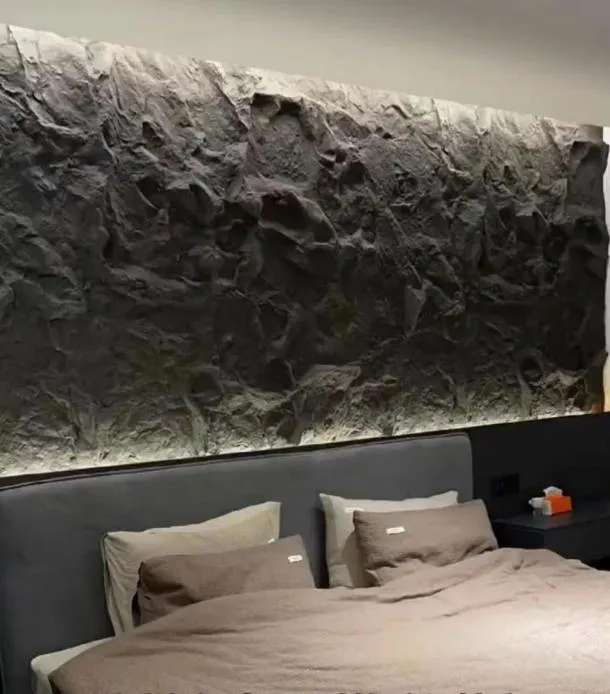
To understand why PU stone wall panels are so durable, let's break down their composition. At the core is high-density polyurethane foam, which is inherently resistant to moisture, rot, and pests. Polyurethane's closed-cell structure means it doesn't absorb water, making it ideal for humid environments like bathrooms or exterior walls exposed to rain. Mixed into this foam are additives that boost performance: fire-retardant chemicals help meet safety standards, UV stabilizers prevent fading from sunlight, and impact modifiers enhance toughness.
The fiberglass mesh reinforcement is a game-changer for strength. Fiberglass is known for its high tensile strength—meaning it can withstand pulling forces without breaking—and when embedded into the PU foam, it creates a material that's both rigid and flexible. This flexibility is key: unlike brittle natural stone, PU panels can bend slightly under stress (like during an earthquake or strong wind) without cracking. The outer coating, often made of acrylic or polyester, adds another layer of protection, shielding the panel from scratches, stains, and chemical damage.
Manufacturing under controlled conditions also ensures consistency. Every panel is tested for quality—checking for uniform thickness, proper adhesion of the coating, and resistance to impact. This attention to detail means that whether you order 10 panels or 10,000, each one will perform the same way, reducing the risk of weak spots in your wall cladding.
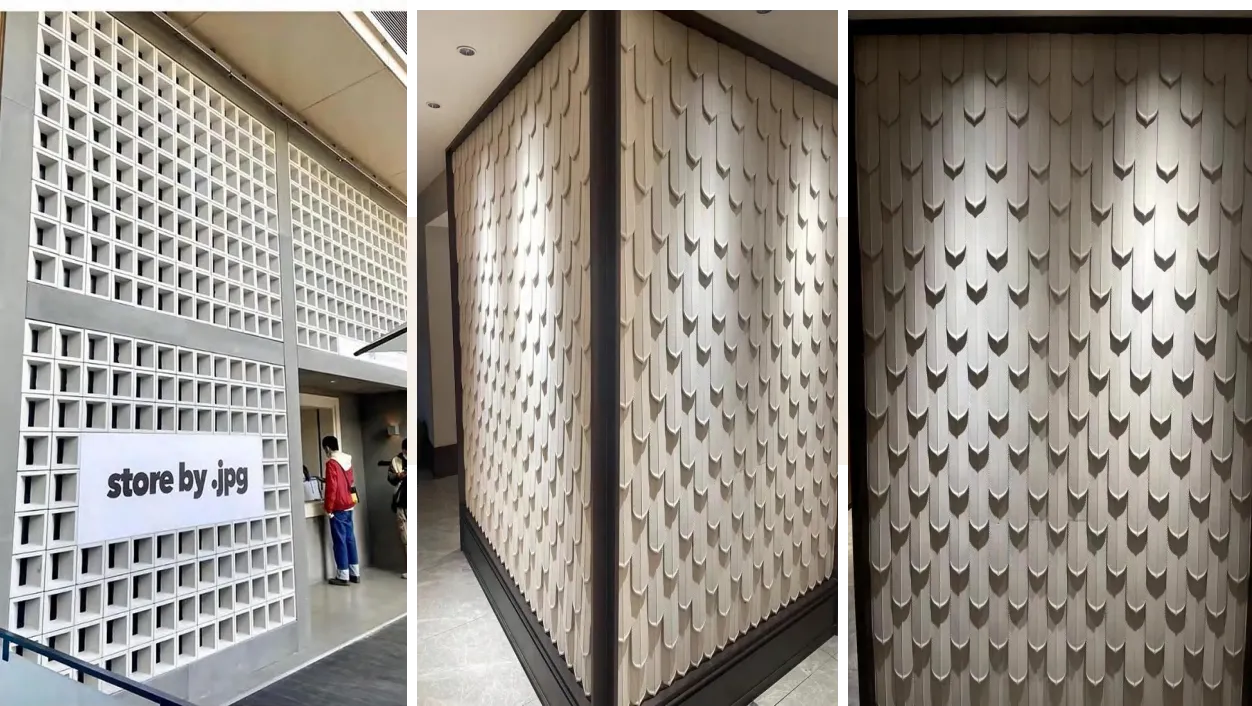
Durability isn't just about how long a material lasts—it's about how well it holds up under daily wear, harsh weather, and unexpected accidents. PU stone wall panels excel in all these areas, making them a smart investment for long-term projects.
Exterior walls face a constant battle against the elements: rain, snow, UV rays, and extreme temperatures. PU stone panels are built to fight back. Their closed-cell structure repels water, so they won't absorb moisture and develop mold or rot—unlike wood or even some types of natural stone. In freeze-thaw tests, where materials are cycled between freezing and thawing to simulate winter conditions, PU panels show no signs of cracking or delamination. UV stabilizers in the coating prevent fading, so that rich granite color you love today will still look vibrant 10 years from now, even in sunny climates like Saudi Arabia.
Interior walls, especially in high-traffic areas like hotels, schools, or retail stores, take a beating from carts, furniture, and accidental bumps. PU stone panels have impressive impact resistance, thanks to their flexible yet strong core. drop a heavy object on them, and they'll likely bounce back without a dent—unlike ceramic tiles, which can shatter, or drywall, which dents easily. This toughness makes them ideal for commercial spaces where durability is non-negotiable.
Bathrooms, kitchens, and pool areas are notoriously hard on wall materials. PU stone panels thrive here. Their non-porous surface resists water, so you won't have to worry about water seeping in and causing damage. They're also resistant to common household chemicals, like cleaning agents, bleach, and oils, which means you can wipe them down without fading or discoloration. In fact, many homeowners use PU stone panels in their shower surrounds or kitchen backsplashes for a luxurious look that's easy to maintain.
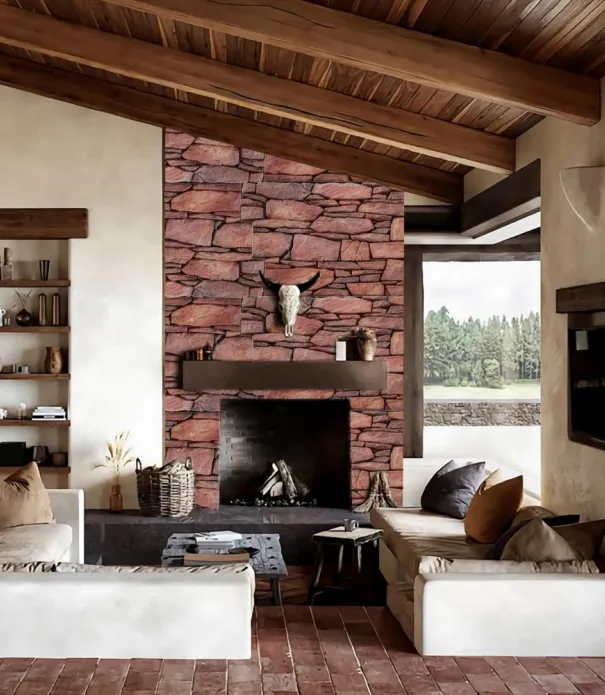
Durability is about longevity; strength is about performance under stress. PU stone wall panels don't just last long—they perform well in demanding situations, making them suitable for both structural and decorative use.
Tensile strength measures how much pulling force a material can handle before breaking. PU stone panels, reinforced with fiberglass, have a tensile strength of around 15-20 MPa (megapascals)—that's stronger than many types of wood and comparable to some lightweight metals. This means they can be used in applications where the wall might experience lateral forces, like high winds or seismic activity, without tearing or separating from the substrate.
One of the biggest advantages of PU stone panels is their weight. Traditional natural stone panels can weigh 20-30 kg per square meter, putting strain on building structures. PU stone panels, by contrast, weigh just 5-8 kg per square meter—less than half the weight. This lightweight nature reduces the load on walls and foundations, making them ideal for retrofitting older buildings or constructing high-rise structures where every kilogram counts. Don't let the light weight fool you, though—these panels are strong enough to support shelves, artwork, and even light fixtures when properly installed.
Flexural strength is the ability to bend under load and return to shape without breaking. This is crucial for exterior cladding, which can expand and contract with temperature changes. PU stone panels have excellent flexural strength, allowing them to adapt to thermal movement without cracking. In contrast, rigid materials like natural stone or concrete can crack when they expand, leading to costly repairs.
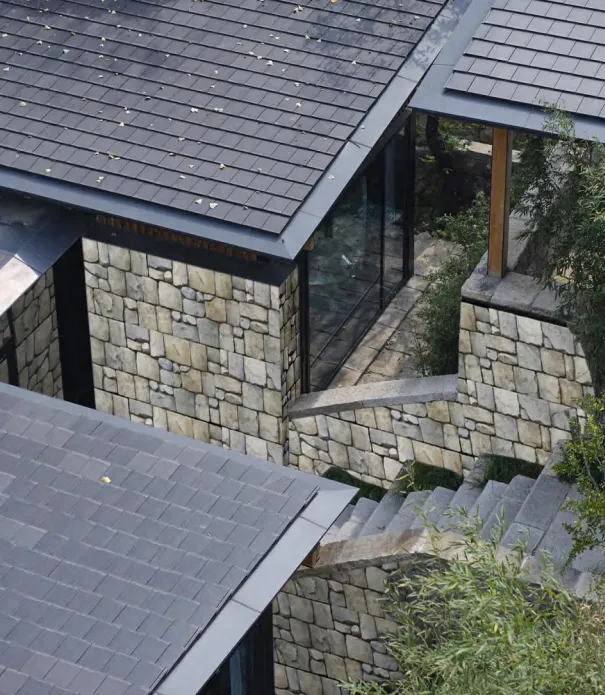
To truly appreciate PU stone wall panels, it helps to see how they compare to other popular wall cladding materials. Below is a breakdown of key factors like weight, durability, and cost.
| Material | Weight (kg/m²) | Expected Lifespan (years) | Fire Resistance | Installation Complexity | Maintenance Cost (Annual) |
|---|---|---|---|---|---|
| PU Stone Wall Panel | 5-8 | 25-30 | Class B (with additives: Class A) | Low (lightweight, interlocking design) | Low (occasional cleaning) |
| Natural Granite | 20-30 | 50+ | Class A | High (requires heavy machinery, skilled labor) | Medium (sealing every 2-3 years) |
| WPC Wall Panel | 8-12 | 15-20 | Class C | Medium (needs proper ventilation) | Medium (prone to scratching, fading) |
| MCM Flexible Cladding | 3-5 | 20-25 | Class A | Medium (requires adhesive application) | Low (resistant to stains) |
As the table shows, PU stone wall panels strike a perfect balance between durability, strength, and practicality. They offer a lifespan comparable to MCM cladding, better fire resistance than WPC, and easier installation than natural granite—all at a fraction of the weight. For most projects, especially those where aesthetics, weight, and cost are priorities, PU stone panels come out on top.
PU stone wall panels are incredibly versatile, fitting seamlessly into both interior and exterior projects. Let's explore some of the most popular applications where they excel.
When it comes to interior decoration materials, PU stone panels are a designer's dream. Their ability to mimic natural stone means they can elevate any space—from a rustic farmhouse kitchen to a sleek modern office. In residential settings, homeowners love using them for accent walls in living rooms, headboards in bedrooms, or backsplashes in kitchens. Imagine a living room with a PU stone accent wall in warm travertine texture, paired with wooden furniture and soft lighting—it creates a cozy, inviting atmosphere that feels luxurious without the luxury price tag.
Commercial spaces benefit too. Hotels use PU stone panels in lobbies to create grand, welcoming entrances; restaurants use them to evoke themes, like a mountain lodge or a Mediterranean villa; and retail stores use them to highlight product displays. The lightweight nature makes installation quick, minimizing downtime for businesses that can't afford long renovations.
Exterior decoration materials need to be tough, and PU stone panels deliver. They're perfect for residential facades, adding curb appeal while protecting the home from rain, wind, and UV rays. Unlike natural stone, which can crack in freeze-thaw cycles, PU panels stay intact, keeping your home's exterior looking fresh year after year.
Commercial buildings also reap the benefits. Office towers use PU stone cladding to create modern, sleek exteriors that stand out in the city skyline. Schools and hospitals appreciate their low maintenance—no need for regular sealing or painting. Even outdoor spaces like garden walls, pool surrounds, and patio enclosures use PU stone panels, as they're resistant to moisture and easy to clean.
One standout example is a recent hotel project in Riyadh, where the architects chose PU stone panels in a granite texture for the exterior. The panels were installed in just 3 weeks (compared to 6 weeks for natural stone), saved on structural costs due to their light weight, and have maintained their color and texture despite Saudi Arabia's harsh sun and occasional sandstorms. It's a testament to how PU stone panels combine beauty, durability, and practicality.
Great materials are only as good as the supplier behind them. When investing in PU stone wall panels, partnering with a reputable PU stone wall panel supplier is key to ensuring quality, support, and peace of mind. Here's why:
A top supplier doesn't just sell panels—they offer comprehensive PU stone wall panel solutions. This means everything from design assistance to installation support. For example, if you're an architect working on a commercial project, a one-stop provider can help you choose the right texture and color to match your design vision, provide technical drawings for installation, and even recommend contractors familiar with PU stone. This end-to-end support saves time and reduces stress, ensuring your project runs smoothly from start to finish.
Every project is unique, and off-the-shelf panels might not fit your needs. A reliable supplier offers customization options, from custom colors and textures to non-standard sizes. Want panels that mimic a rare Swiss stone you saw on a trip? They can create a mold for it. Need panels curved to fit a circular wall? They can adjust the manufacturing process. Customization ensures your project stands out and meets your exact specifications.
Not all PU stone panels are created equal. A trustworthy supplier subjects their panels to rigorous testing—checking for fire resistance, UV stability, impact resistance, and moisture absorption. They'll provide certification from third-party labs, giving you confidence that the panels meet local building codes and safety standards. For example, panels used in hospitals or schools need to meet strict fire and hygiene standards, and a good supplier will have the documentation to prove compliance.
The relationship with your supplier shouldn't end after delivery. Look for a supplier that offers after-sales support, like installation training for contractors, troubleshooting help, and warranty coverage. If a panel gets damaged during installation or shows signs of defect, a reliable supplier will replace it quickly, ensuring your project stays on track.
In today's world, sustainability is more than a buzzword—it's a necessity. PU stone wall panels are surprisingly eco-friendly, making them a great choice for green building projects.
First, their lightweight design reduces transportation costs and carbon emissions. Shipping 1000 square meters of PU stone panels uses half the fuel of shipping the same area in natural stone, lowering the project's carbon footprint. Second, many suppliers use recycled materials in the polyurethane mix, reducing waste. Third, PU stone panels are energy-efficient: their insulating properties help keep buildings warm in winter and cool in summer, reducing heating and cooling costs. In fact, some studies show that using PU cladding can lower energy bills by up to 20% compared to traditional materials.
Finally, PU stone panels are long-lasting, which means less frequent replacement and less waste over time. When they do reach the end of their lifespan, many components are recyclable, further reducing environmental impact. For builders and homeowners aiming for LEED certification or other green building standards, PU stone panels are a smart choice.
When it comes to building materials, we all want something that looks good, lasts long, and doesn't break the bank. PU stone wall panels check all those boxes—and more. They combine the timeless beauty of natural stone with the practical benefits of modern engineering: lightweight design, unbeatable durability, easy installation, and low maintenance. Whether you're renovating your home, designing a commercial building, or working on a large-scale architectural project, PU stone panels offer a solution that's both aesthetically pleasing and functionally superior.
As a leading PU stone wall panel supplier, we've seen firsthand how these panels transform spaces—turning ordinary walls into stunning focal points that stand the test of time. From residential accent walls to commercial exteriors, PU stone panels prove that you don't have to sacrifice beauty for durability, or cost for quality. So if you're ready to elevate your next project, consider PU stone wall panel solutions—your walls (and your future self) will thank you.
Recommend Products











