

Walk into any contemporary commercial space—a boutique hotel lobby, a sleek office facade, or a trendy restaurant—and you'll likely notice a common design element: the warm, textured look of stone walls. But here's the secret: that "stone" might not be stone at all. Polyurethane (PU) stone wall panels have taken the architectural world by storm, offering the timeless beauty of natural stone without the heavy weight, high costs, or installation headaches. As a building material supplier specializing in innovative solutions, we've seen firsthand how PU stone panels are transforming projects, big and small. But while the panels themselves are a game-changer, there's another piece of the puzzle that often gets overlooked: installation costs. For architects, contractors, and property owners, keeping these costs in check can make or break a project's budget. So, how exactly do PU stone wall panel suppliers optimize installation expenses to deliver value without compromising on quality? Let's dive in.
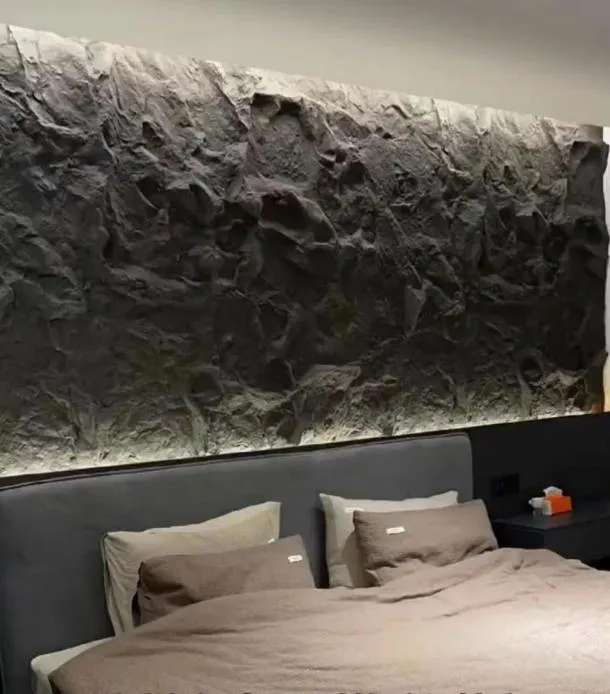
Before we talk about optimization, let's break down what makes up the cost of installing PU stone wall panels. It's easy to assume that the biggest expense is the panels themselves, but the reality is more layered. Let's unpack the key components:
1. Material Costs: PU Panels vs. Traditional Stone
PU stone wall panels are engineered to mimic the look of natural stone—think granite, limestone, or travertine—at a fraction of the cost. Traditional natural stone slabs can weigh upwards of 150 pounds per square foot, requiring reinforced structures and heavy machinery to transport and install. PU panels, on the other hand, are lightweight (often less than 5 pounds per square foot) and come in large, flexible sheets. A reputable PU stone wall panel supplier will often bundle these accessories, ensuring compatibility and reducing the risk of mismatched products that could drive up costs later.
2. Labor Costs: Time is Money
Installing traditional stone is labor-intensive. It requires skilled masons who can cut, shape, and mortar heavy slabs into place—a process that can take days for a single wall. PU panels, with their lightweight and modular design, simplify this process. Most panels are designed to interlock or adhere directly to surfaces with specialized adhesives, reducing the need for extensive training or specialized labor. A supplier that provides clear installation guides or even on-site training can help reduce labor time, which directly cuts costs.
3. Transportation and Logistics
Here's where PU panels shine (and save). Traditional stone slabs are not only heavy but also fragile, requiring specialized trucks, crating, and careful handling to avoid breakage. PU panels are lightweight and durable, meaning they can be stacked, transported in bulk, and even shipped via standard carriers. For a building material supplier operating in regions like Saudi Arabia, where construction projects are booming, efficient logistics can make a huge difference. A saudi arabia building materials supplier with regional warehouses, for example, can reduce delivery times and transportation costs by keeping inventory closer to job sites.
4. Tools and Equipment
Installing traditional stone often requires heavy-duty tools: diamond-tipped saws, grinders, and lifting equipment to maneuver slabs. PU panels, being lightweight and flexible, can often be cut with standard tools like utility knives or circular saws, eliminating the need for expensive, specialized equipment. This not only reduces upfront tool costs but also speeds up installation, as teams don't need to spend time setting up or maintaining heavy machinery.
5. Waste and Overages
Natural stone is prone to breakage during cutting and installation, leading to waste. Contractors often order 10-15% extra material to account for this, driving up costs. PU panels, by contrast, are more durable and easier to cut precisely, resulting in less waste. A supplier that offers pre-cut panels tailored to a project's dimensions can further minimize overages, ensuring clients pay for exactly what they need.
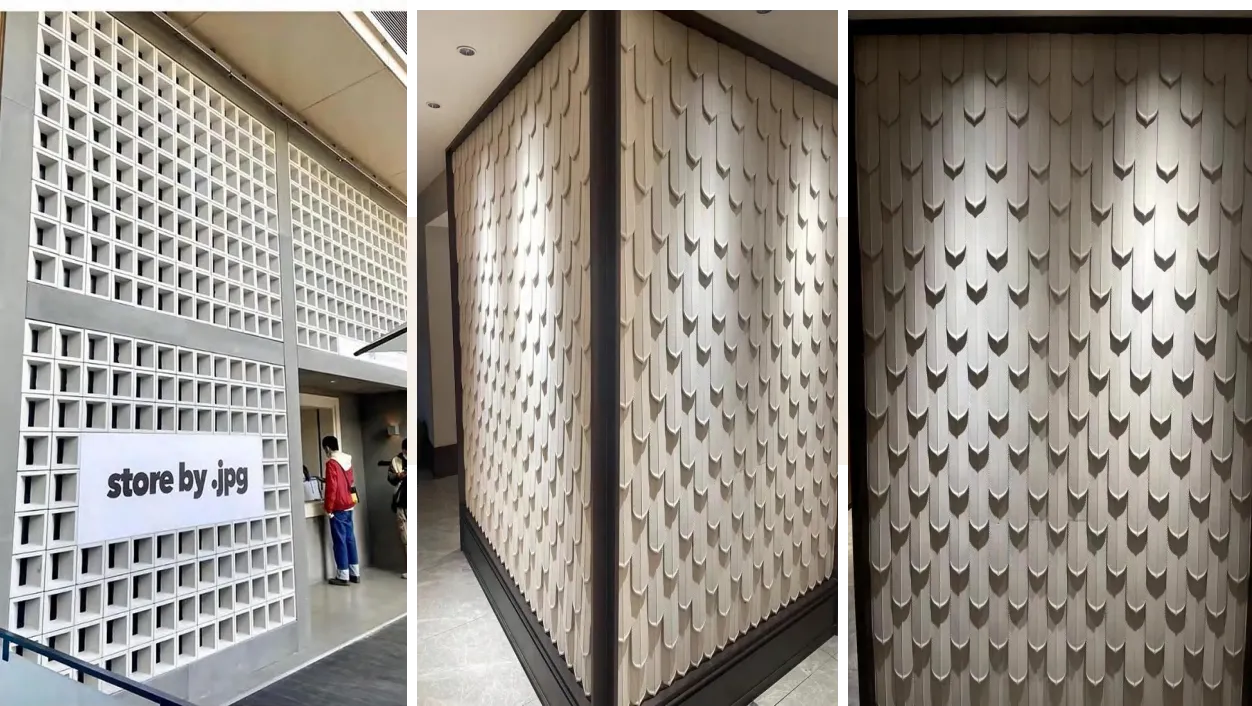
Now that we understand the components of installation costs, let's look at how PU stone wall panel suppliers—especially those that operate as one-stop architectural solution providers—optimize these expenses. It's not just about cutting corners; it's about smart, strategic choices that benefit both the supplier and the client.
1. Streamlining Manufacturing for Material Efficiency
At the heart of cost optimization is manufacturing efficiency. Leading PU stone wall panel suppliers invest in advanced production techniques to minimize waste and maximize precision. For example, using computer-aided design (CAD) software to map out panel dimensions ensures that each panel is cut to exact specifications, reducing the need for on-site trimming. Some suppliers even offer custom molding services, creating panels that fit unique architectural features (like arches or niches) without requiring additional cutting. This level of pre-fabrication not only saves time during installation but also reduces material waste, as there's less scrap to discard.
2. Bulk Sourcing and Strategic Partnerships
Raw materials—polyurethane resins, pigments, and additives—make up a significant portion of panel costs. By sourcing these materials in bulk, suppliers can negotiate lower prices from manufacturers, passing those savings on to clients. But it's not just about raw materials; smart suppliers also partner with adhesive and tool manufacturers to bundle products. For example, a PU stone wall panel supplier might collaborate with an adhesive company to develop a specialized bonding agent that's optimized for their panels. This not only ensures better performance but also reduces the cost of purchasing adhesives separately.
3. Embracing the One-Stop Solution Model
Here's where the "one-stop architectural solution provider" label really matters. Traditional building projects often involve coordinating with multiple vendors: one for panels, another for adhesives, a third for tools, and maybe even a fourth for design support. Each of these coordination points adds time and cost. One-stop suppliers simplify this by offering everything under one roof: panels, adhesives, sealants, installation guides, and even design consultation. For example, if a client needs help choosing panel colors or patterns to match their vision, the supplier's in-house design team can provide samples and mockups, reducing the need for expensive third-party consultants. This holistic approach cuts down on administrative overhead, communication delays, and the risk of mismatched products—all of which translate to lower installation costs.
4. Logistics: Getting Panels to Site Faster (and Cheaper)
Transportation is a hidden cost driver, especially for large projects or those in remote areas. Forward-thinking suppliers address this by optimizing their supply chains. For instance, a saudi arabia building materials supplier might maintain regional distribution centers in key cities like Riyadh, Jeddah, or Dammam, ensuring that panels are only a short drive away from job sites. This reduces shipping times and costs, as panels don't need to be transported long distances. Additionally, using efficient packaging—like stackable, reusable crates—minimizes damage during transit, further reducing waste and replacement costs.
5. Investing in Technical Support and Training
Even the best panels can lead to cost overruns if installed incorrectly. That's why top PU stone wall panel suppliers prioritize technical support. This might include providing detailed installation manuals, video tutorials, or even on-site training sessions for contractors. By ensuring that installers know exactly how to handle the panels—from surface preparation to final sealing—suppliers reduce the risk of mistakes that could lead to rework. For example, a common issue with traditional stone is improper adhesion, which can cause panels to loosen over time. A supplier that offers training on the right adhesive application techniques can prevent this, saving contractors from costly repairs down the line.
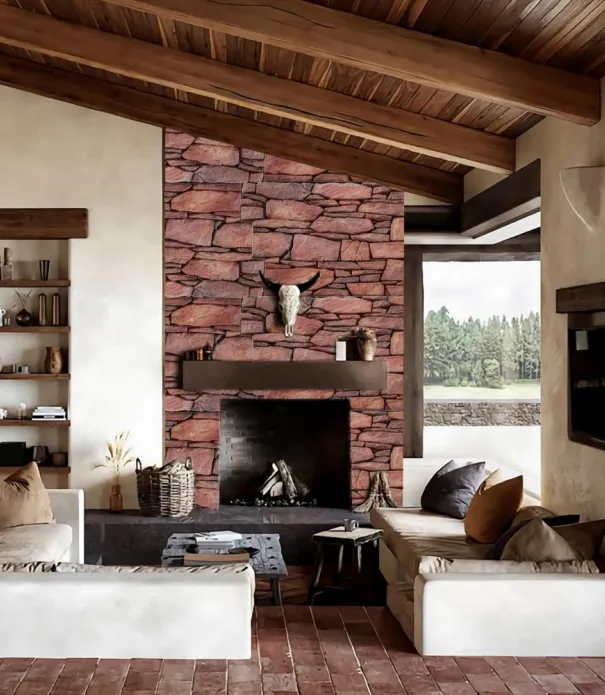
To put these optimizations into perspective, let's look at a real-world comparison. Below is a table estimating installation costs for a 100-square-meter wall using traditional natural stone versus PU stone wall panels, based on industry averages and data from leading suppliers.
| Cost Component | Traditional Natural Stone (per 100 sqm) | PU Stone Wall Panels (per 100 sqm) | Cost Savings with PU Panels |
|---|---|---|---|
| Material Cost (Panels/Slabs) | $8,000 – $12,000 | $3,000 – $5,000 | ~50 – 60% |
| Labor Cost (Including Skilled Masons) | $6,000 – $9,000 (8-10 hours/sqm) | $2,000 – $3,500 (3-4 hours/sqm) | ~60 – 65% |
| Transportation and Handling | $1,500 – $2,500 (Heavy machinery required) | $500 – $1,000 (Lightweight, standard shipping) | ~50 – 60% |
| Tools and Equipment Rental | $1,000 – $1,500 (Saws, grinders, lifts) | $200 – $500 (Basic cutting tools) | ~70 – 80% |
| Waste and Overages | $800 – $1,200 (10-15% extra) | $200 – $400 (3-5% extra) | ~70% |
| Total Installation Cost | $17,300 – $26,200 | $5,900 – $10,400 | ~60 – 65% Total Savings |
As the table shows, the savings with PU stone panels are significant—often 60% or more compared to traditional stone. And these numbers don't even account for long-term benefits, like reduced structural support costs (thanks to PU's lightweight nature) or lower maintenance expenses. For contractors and property owners, this means more room in the budget for other project elements, whether that's upgrading fixtures or adding sustainable features.
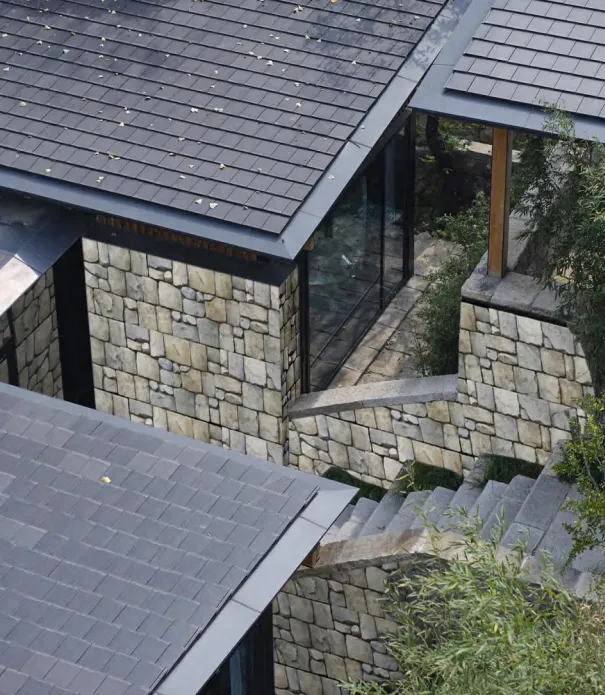
To see how these strategies play out in practice, let's take a look at a recent project we supported as a saudi arabia building materials supplier. A local contractor was tasked with renovating the facade of a 10-story commercial building in Riyadh, aiming for a modern, upscale look without exceeding a tight budget. Initially, they considered traditional limestone, but the projected installation costs—especially for labor and transportation—were prohibitive. That's when they turned to us for PU stone wall panel solutions.
Our team worked closely with the contractor to design custom panels that matched the desired limestone aesthetic. Using our one-stop model, we provided not just the panels but also the adhesives, installation guides, and on-site training for their crew. Because we maintain a warehouse in Riyadh, we were able to deliver the panels within 48 hours of the order, eliminating costly delays. The result? The installation took half the time originally estimated for traditional stone, and the total installation cost came in at 58% below the initial budget. The contractor was so impressed that they've since used our PU panels on three more projects.
This story isn't unique. Across Saudi Arabia and beyond, building material suppliers that prioritize installation cost optimization are becoming go-to partners for contractors and architects. By focusing on efficiency, collaboration, and innovation, these suppliers are proving that high-quality design and affordability can go hand in hand.

Of course, optimizing installation costs isn't without its challenges. The biggest risk is cutting corners in a way that compromises the panels' performance or longevity. For example, using subpar adhesives to save a few dollars could lead to panels peeling off walls a year later, resulting in expensive repairs. Reputable suppliers avoid this by investing in quality materials and rigorous testing. Before any adhesive or panel hits the market, it undergoes extensive testing for durability, weather resistance, and adhesion strength—ensuring that cost savings don't come at the expense of reliability.
Another challenge is adapting to regional variations. What works for a project in Riyadh (hot, dry climate) might not work for one in a humid coastal area. Suppliers must tailor their solutions to local conditions, whether that means offering UV-resistant panels for sunny regions or moisture-resistant adhesives for coastal projects. This level of customization requires deep market knowledge and flexibility, but it's essential for ensuring installation success and long-term performance.
As technology advances and demand for sustainable, cost-effective building materials grows, we expect to see even more innovations in PU stone wall panel installation. For example, some suppliers are experimenting with digital twin technology, using 3D modeling to pre-plan installations and identify potential issues before panels even arrive on-site. Others are exploring bio-based polyurethane resins, which could reduce raw material costs while appealing to eco-conscious clients.
We're also seeing a trend toward greater collaboration between suppliers and contractors. Instead of suppliers simply delivering panels and stepping back, they're becoming active partners throughout the project lifecycle—from design to installation to post-project support. This collaborative approach not only reduces costs but also leads to better outcomes, as everyone is aligned on goals and challenges.
At the end of the day, PU stone wall panels are more than just a building material—they're a solution that combines beauty, durability, and affordability. But their true value shines when paired with a supplier that understands the ins and outs of installation costs. Whether it's through streamlined manufacturing, one-stop solutions, or strategic logistics, the right supplier can turn a good project into a great one by keeping installation expenses in check.
For architects and contractors, the message is clear: don't just shop for panels—shop for a partner. Look for a PU stone wall panel supplier that prioritizes transparency, offers comprehensive support, and has a track record of optimizing costs without cutting corners. And for suppliers, the path forward is equally clear: continue innovating, collaborating, and putting clients' budgets at the forefront of everything you do. After all, in the world of construction, success isn't just about building walls—it's about building trust, one optimized project at a time.
Recommend Products











