

Imagine standing in a newly renovated space—maybe a cozy café with exposed brick walls, or a modern office lobby with sleek stone accents. The walls catch your eye, adding texture and warmth, making the room feel complete. Now, fast-forward five years: those once-stunning panels are cracking, fading, or peeling, turning a dream space into a maintenance nightmare. For anyone investing in interior or exterior decoration materials, durability isn't just a box to check—it's the foundation of a smart, long-term decision. And when it comes to versatile, stylish options, PU stone wall panels have emerged as a top choice. But not all PU stone panels are created equal. To avoid the heartache of premature wear and tear, you need to ask your supplier the right questions. Let's dive into what really matters when evaluating the longevity of PU stone wall panels, and how to ensure your investment stands the test of time.
Before we get into the nitty-gritty of supplier questions, let's talk about why durability should be your non-negotiable. Whether you're a homeowner revamping your living room, a contractor working on a commercial project, or a designer curating a hotel's aesthetic, the walls are more than just backdrops—they're functional elements that take daily abuse. Interior walls face scuffs from furniture, moisture from kitchens or bathrooms, and temperature fluctuations from heating and cooling systems. Exterior walls? They battle rain, UV rays, extreme heat, and even hailstorms. A panel that fails early isn't just an eyesore; it's a financial drain. Replacing wall panels means demolition, disposal, new material costs, and labor—expenses that can add up to double the original investment. And let's not forget the disruption: construction noise, dust, and downtime, whether in a home or a business. For hospitals, schools, or busy restaurants, that downtime can mean lost revenue or compromised safety. Simply put, choosing a durable PU stone wall panel isn't about being picky—it's about protecting your time, money, and peace of mind.
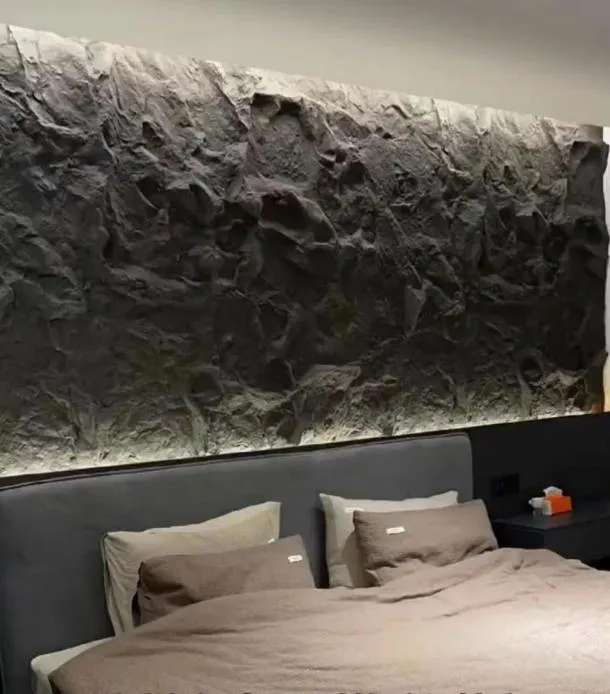
If you're new to the world of building materials, you might be wondering: What exactly is a PU stone wall panel? PU, or polyurethane, is a synthetic material known for its flexibility, strength, and lightweight properties. When combined with mineral fillers and pigments, it can mimic the look of natural stone—think granite, limestone, or slate—at a fraction of the weight and cost. Unlike heavy natural stone, which requires reinforced structures and specialized installation, PU stone panels are easy to handle, cut, and install, making them a favorite for both DIY enthusiasts and professionals. They're also versatile: suitable for interior decoration materials (like accent walls, backsplashes, or feature niches) and exterior decoration materials (such as facade cladding, garden walls, or patio enclosures). But here's the catch: the "PU" label is broad. Some panels are made with low-density foam and minimal additives, while others use high-quality polyurethane blends with UV stabilizers, fire retardants, and impact-resistant agents. The difference? The latter will last decades; the former might start failing in just a few years. That's why knowing what to ask your PU stone wall panel supplier is critical.
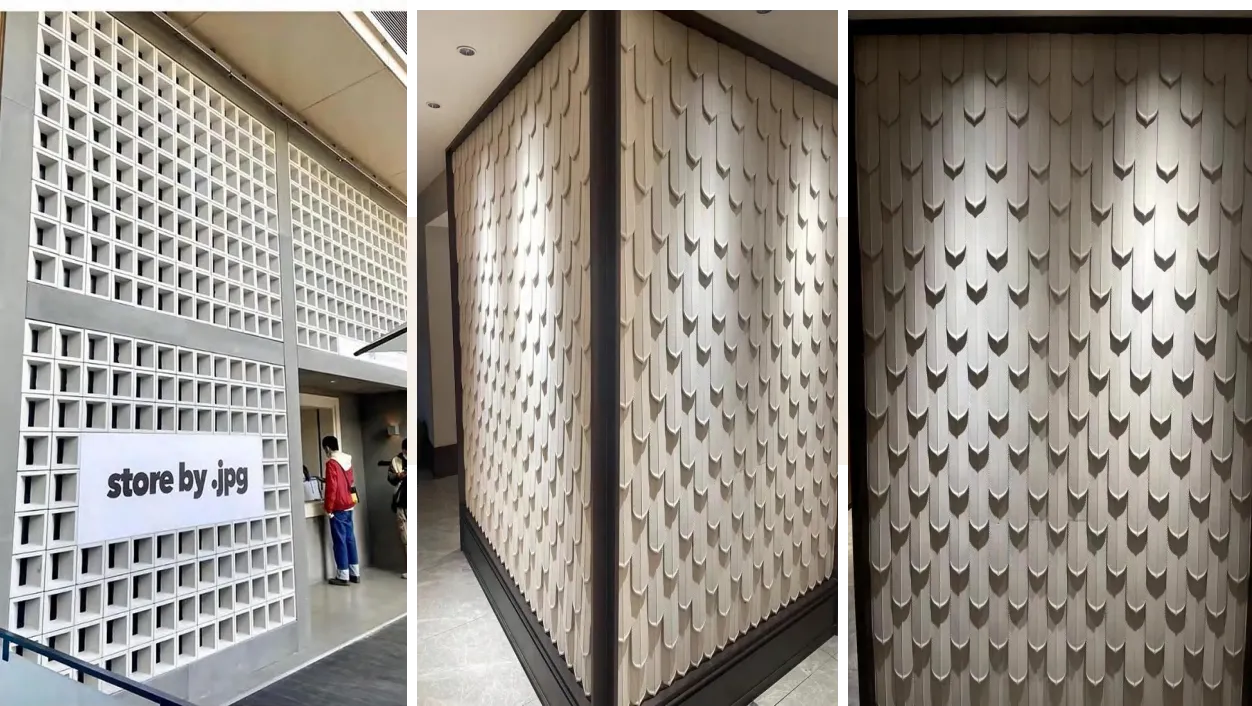
Durability isn't a single feature—it's a result of several interconnected factors. When evaluating PU stone wall panel solutions, keep these in mind:
Now, let's translate these factors into actionable questions for your supplier. Remember: a reputable building material supplier will welcome these questions—they're proud of their product's durability and happy to prove it.
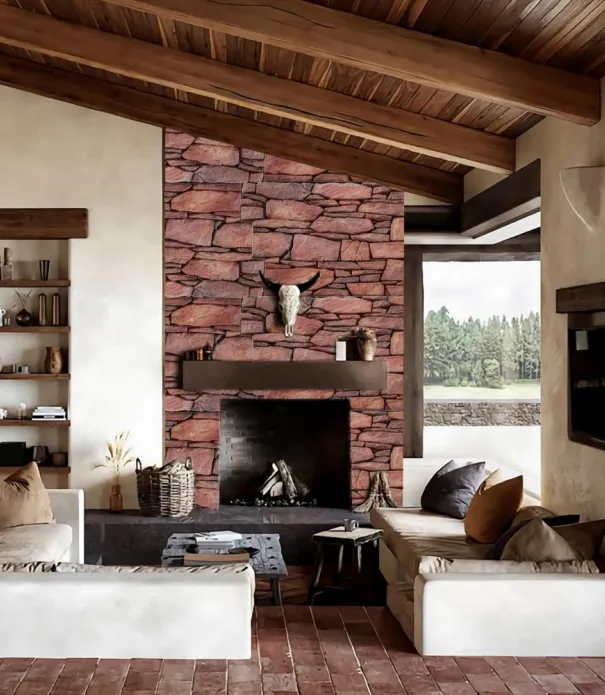
Think of these questions as your durability detective toolkit. Print them out, take notes, and don't settle for vague answers. A supplier who hesitates or deflects is a red flag—keep shopping.
Start here. The foundation of durability is what's in the panel. Ask for a detailed breakdown: percentage of polyurethane, type of mineral fillers (e.g., calcium carbonate, glass fibers), and any additives (UV stabilizers, fire retardants, anti-microbial agents). Why does this matter? Polyurethane density is key—higher density (measured in kg/m³) generally means better impact resistance. Fillers should be uniformly mixed to avoid weak spots, and additives like UV stabilizers prevent fading from sunlight exposure (critical for exterior use). For example, a panel with 60% high-density polyurethane, 35% glass fiber-reinforced fillers, and 5% UV/moisture additives will outlast a panel with 40% low-density PU and 60% cheap calcium carbonate. Don't accept "it's our proprietary blend" as an answer—transparency is non-negotiable.
What to Listen For: Specific numbers (e.g., "density of 800 kg/m³") and clear explanations of additives. A good supplier might say, "Our panels are 70% high-rebound polyurethane, reinforced with 25% alkali-resistant glass fibers, and include 5% HALS (Hindered Amine Light Stabilizers) to prevent UV degradation."
Talk is cheap—certifications are proof. Ask for test reports from accredited third-party labs, not just in-house "studies." Key tests to look for include:
What to Listen For: Names of accredited labs (e.g., SGS, Intertek, or UL), specific test standards, and clear pass/fail results. Avoid suppliers who say, "We test them ourselves"—independent verification is the gold standard.
A warranty is a supplier's promise—and the fine print reveals how confident they are in their product. Don't just ask, "What's the warranty length?" Ask, "What does it cover, and what voids it?" A 10-year warranty might sound great, but if it excludes "normal wear and tear" or "environmental damage," it's useless. Look for warranties that cover cracking, delamination, fading, and water damage for at least 10 years for interior use and 15+ years for exterior use. Also, ask about the claims process: Is it easy to file a claim? Will they send a technician to inspect, or require you to ship samples? A supplier who makes warranty claims a hassle is one to avoid.
What to Listen For: Specific coverage details (e.g., "15-year warranty against delamination and color fading, regardless of interior or exterior use") and a straightforward claims process. Bonus points if they mention "transferable warranty" (useful if you sell your home or building).
A PU stone panel that thrives in a dry desert climate might fail miserably in a humid coastal area. Be specific about your location: Do you live in a region with heavy rain (like Seattle)? Extreme heat (like Dubai)? Freezing winters (like Chicago)? Salt air (like Miami)? Ask the supplier for case studies or testimonials from projects in similar climates. For example, if you're in Saudi Arabia, a Saudi Arabia building materials supplier should have data on how their panels handle high temperatures (up to 50°C) and sandstorms. A panel with poor moisture resistance will warp in humidity, while one without freeze-thaw protection will crack in cold climates. Don't assume "one size fits all"—climate adaptability is key.
What to Listen For: Real examples (e.g., "We supplied panels for a hotel in Jeddah five years ago; they've withstood 45°C summers and sandstorms with no fading") and technical details (e.g., "Our panels include freeze-thaw stabilizers tested to -20°C").
Even the best panel will fail if installed wrong. Ask for a detailed installation manual—look for specifics on substrate preparation (e.g., "substrate must be clean, dry, and flat within 3mm/2m"), adhesive type (e.g., "use polyurethane-based adhesive with 100% coverage"), and sealing requirements (e.g., "caulk all joints with UV-resistant silicone"). Also, inquire about installer training: Do they offer workshops or certifications for contractors? A supplier who invests in installer education shows they care about the end result, not just the sale. If you're a DIYer, ask if they have resources for homeowners—videos, step-by-step guides, or a helpline.
What to Listen For: A comprehensive, written installation guide (not just verbal tips) and a commitment to installer support. For example, "We provide a 40-page manual with photos, and our technical team offers free virtual training for contractors."
Even durable panels need a little TLC. Ask about cleaning products (avoid harsh chemicals like bleach), frequency (e.g., "hose down exterior panels twice a year"), and signs of trouble to watch for (e.g., "if you see mold, clean with a vinegar solution immediately"). A low-maintenance panel is ideal, but "no maintenance" is a myth. A supplier who says, "just leave them alone" might be hiding potential issues—like the need for periodic sealing. Be wary of vague answers; specifics build trust.
What to Listen For: Simple, actionable steps (e.g., "Wash with mild soap and water quarterly; reapply silicone sealant around edges every 3-5 years for exterior panels").
There's no better proof of durability than real-world performance. Ask for references from projects installed 5+ years ago—preferably in similar conditions to yours. Contact those clients: Did the panels meet expectations? Have they needed repairs? Would they recommend the supplier? A supplier with nothing to hide will happily share contact info. If they say, "We can't share client details," ask for photos or videos of older installations. Faded, cracked, or peeling panels in these visuals are a major red flag.
What to Listen For: Specific project names, locations, and dates (e.g., "We supplied panels for the XYZ Mall in Riyadh in 2018—here's the contact for their facilities manager").
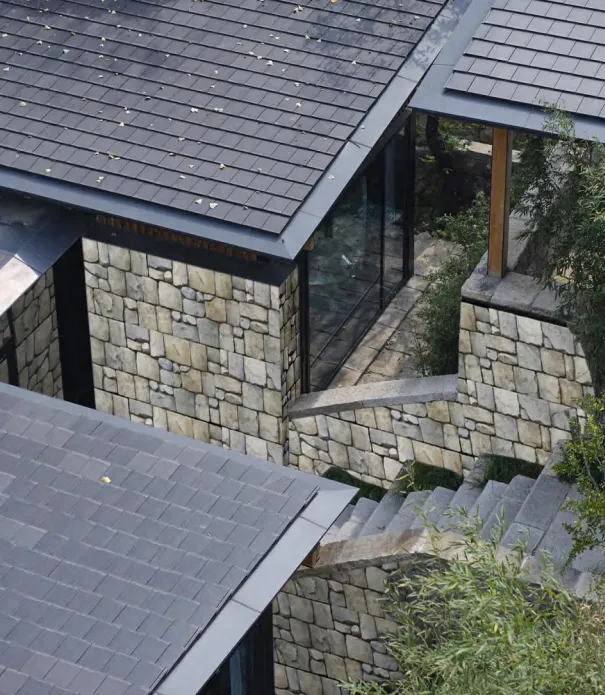
To put PU stone's durability in context, let's compare it to other popular wall panel materials. This table will help you see why asking the right questions about PU stone is so important—and how it stacks up.
| Material | Typical Lifespan (Interior/Exterior) | Key Durability Weaknesses | Best For |
|---|---|---|---|
| PU Stone Wall Panels | 15-25 years / 10-20 years | Low-quality panels may fade in UV light; poor adhesion if installed incorrectly | High-traffic areas, humid spaces, exterior facades, budget-conscious projects |
| Natural Stone (Granite/Marble) | 50+ years / 30+ years | Heavy (requires structural support); prone to staining; expensive to repair | High-end projects, historic buildings, low-traffic interiors |
| Wood Paneling | 10-15 years / 5-10 years | Rot, warping, termites, moisture damage; requires frequent sealing | Rustic interiors, low-moisture areas (e.g., bedrooms) |
| Vinyl Panels | 8-12 years / 5-8 years | Fades easily; cracks in cold weather; prone to peeling at seams | Temporary installations, rental properties, low-budget DIY |
| MCM Flexible Cladding Stone | 15-20 years / 10-15 years | Less impact-resistant than PU; can delaminate if moisture seeps in | Curved surfaces, lightweight exterior applications |
As you can see, PU stone panels offer a sweet spot of durability, cost, and versatility— when sourced from a reputable supplier . The key is to ensure your panels are at the higher end of that lifespan range by vetting your supplier thoroughly.
Let's ground this in real life. Take the example of a restaurant owner in Riyadh, Saudi Arabia. In 2019, she chose PU stone wall panels for her outdoor patio area, attracted by their stone-like appearance and lightweight installation. She worked with a local Saudi Arabia building materials supplier who provided detailed test reports: UV resistance up to 3,000 hours, moisture absorption of 1.2%, and a 15-year warranty. Five years later, those panels still look brand new—no fading, no cracks, even after scorching summers and occasional sandstorms. When asked, she, "I was worried about maintenance, but I just hose them down twice a year, and they're good as new. Best decision I made for the restaurant—customers still compliment the patio!"
On the flip side, consider a homeowner in Miami who opted for a budget PU stone supplier without asking the tough questions. The panels looked great initially, but within two years, they began peeling and warping from the humid climate. The supplier's "10-year warranty" turned out to exclude "environmental moisture damage," leaving the homeowner with a $12,000 repair bill. "I wish I'd asked about their moisture testing," he said. "Now I know: cheap upfront costs cost more in the long run."
Choosing PU stone wall panels is an exciting step toward creating a space that's both beautiful and functional. But beauty fades fast if durability isn't prioritized. By asking your supplier about material composition, certifications, warranty coverage, climate performance, installation guidelines, maintenance, and real-world references, you're not just being thorough—you're protecting your investment. Remember: a reliable PU stone wall panel supplier will answer these questions openly, provide documentation, and stand behind their product. They'll see you as a partner, not just a customer, and want to ensure your panels last as long as you do. So take your time, do your homework, and don't settle for anything less than transparency and confidence. Your future self—enjoying a space that still looks stunning years from now—will thank you.
Recommend Products











