
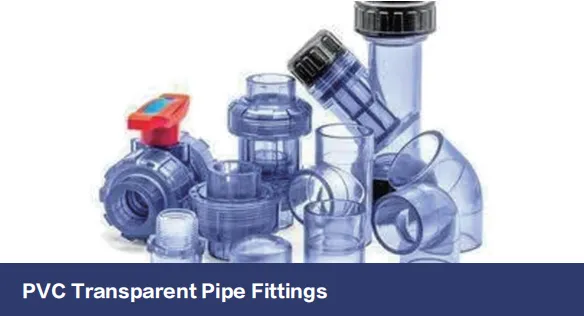
Let's be straight – cutting PVC pipe isn't rocket science, but doing it right separates the weekend warriors from the true pros. Whether you're plumbing a new aquarium setup, crafting custom lab equipment, or building architectural elements, clean cuts on transparent PVC are crucial. Why? Because unlike opaque pipe, every flaw, every uneven edge, every stress fracture shows up like a fingerprint on glass.
Think about it: you wouldn't scratch up the lens on your camera before a photoshoot, right? Same principle applies here. This guide pulls from decades of field experience to show you exactly how to get factory-quality results without factory-grade tools.
Before we dive into tools and techniques, let's get real about safety. PVC cutting might seem harmless until:
Special note for transparent PVC: When cut incorrectly, this material can develop stress cracks that spiderweb over time. Unlike colored PVC, you won't see these fractures until they start leaking. That's why method matters twice as much here.
| Tool | Best For | Transparent PVC Edge Quality | Investment | When to Avoid |
|---|---|---|---|---|
| Ratcheting PVC Cutter | Up to 2" pipes | Near-perfect (minimal burring) | $$ | Limited angles, rigid pipes |
| Fine-Tooth Hacksaw | Any diameter | Good (needs finishing) | $ | Rushed jobs, shaky hands |
| Power Miter Saw | Volume cutting | Excellent (with correct blade) | $$$ | Small spaces, fine adjustments |
| Reciprocating Saw | Installed pipes | Variable (skill-dependent) | $$ | Precision work |
| Utility Knife | Thin-wall pipes | Poor (visible stress lines) | $ | Transparent applications |
Your go-to for crystal-clear edges
Forget pencils – they leave grooves that refract light. Use a wax-based china marker that wipes clean post-cut. Circle the pipe completely – partial lines lead to uneven cuts.
Rotate the blade adjustment wheel until the cutter opens wider than your pipe diameter. Place the pipe with the mark directly under the center of the blade - not the edge. This reduces flexing in transparent material.
Apply steady pressure until the blade touches PVC, then release fully before the next ratchet. Many beginners make the mistake of partial releases, creating micro-fractures. Listen for the crisp 'click' each time.
Hold the cut end toward a light source. Any internal burrs or stress patterns will refract light irregularly. Rotate slowly – what looks clean from above might reveal flaws at 45°.
For high-volume precision jobs
Standard wood blades will crack transparent PVC. You need:
Use foam-lined clamps to avoid pressure marks. Position the pipe so the blade enters perpendicular to the longest dimension – tilted cuts create visual distortion.
Bring the blade down at medium speed. If the cut takes less than 3 seconds, you're generating too much heat. For 1.5" pipe, ideal time is 4-5 seconds.
Unlike opaque PVC, transparent variants:
This is why architectural façade solutions that use transparent PVC require meticulous attention to cutting technique – the material's clarity exposes every imperfection.
Standard deburring tools leave matte finishes that cloud transparency. Here's how the pros do it:
Materials needed:
Steps:
Problem:
Cut edge shows rainbow patterns
Cause:
Internal stress from uneven pressure
Fix:
Anneal the end by submerging in 160°F water for 10 minutes
Problem:
Milky haze near cut
Cause:
Excessive blade friction heat
Fix:
Recut 1/4" further down with slower blade speed
Some methods should never be used with transparent PVC:
Q: How do I cut very thin-walled transparent PVC without collapsing?
A: insert a matching metal rod inside during cutting, then remove after deburring.
Q: Can I achieve optical-grade edges without polishing equipment?
A: Yes – use multiple progression sanding: 800 grit → 1200 grit → 2000 grit → plastic polish compound.
Q: Why does my cut look perfect but leak under pressure?
A: Subsurface fractures invisible to naked eye. Test with polarization filter - stress points show color patterns.
Cutting transparent PVC well isn't just about getting through the material – it's about preserving its unique optical properties. The extra minutes you spend on proper clamping, blade selection, and finishing will determine whether your project looks professional or amateur.
Remember that in building material applications where aesthetics matter, transparent PVC's clarity acts like a microscope for your workmanship. Treat every cut like a diamond cutter approaches a gem – with respect for the material's potential and patience to reveal its best qualities.
Recommend Products












