
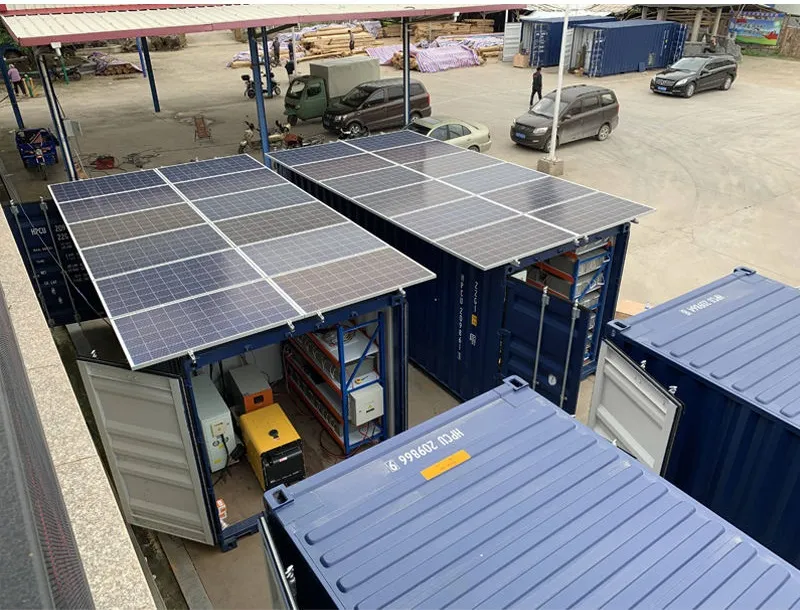
Dubai's skyline is a testament to ambition—towering skyscrapers, sprawling commercial hubs, and luxurious residential complexes define this desert metropolis. But beneath the glitz lies a pressing reality: the city's energy demand is soaring, driven by rapid urbanization and a climate that demands constant cooling. With temperatures often exceeding 45°C in summer, air conditioning alone accounts for over 60% of residential electricity use. Enter solar power: a sustainable solution that not only eases the strain on the grid but aligns with the UAE's commitment to reducing carbon emissions by 50% by 2050. Among the most untapped resources for solar adoption? The flat roofs of Dubai's buildings—vast, sun-drenched spaces waiting to be transformed into clean energy generators. Professional installation isn't just a recommendation here; it's the key to maximizing efficiency, durability, and long-term returns in this challenging environment.
Walk through any Dubai neighborhood, and you'll notice a common feature: flat roofs. Unlike sloped roofs, which dominate cooler climates, flat designs are practical here—they simplify construction, provide additional usable space, and align with the region's architectural traditions. But for solar energy, their benefits go far beyond aesthetics.
First, space efficiency . A typical commercial building in Dubai can have a flat roof spanning thousands of square meters—space that's often unused except for maintenance access. By installing solar panels here, property owners turn "dead space" into a revenue-generating asset. Residential buildings, too, benefit: even a 200m² roof can host enough panels to cover 70-80% of a household's electricity needs.
Second, flexibility in orientation . Dubai sits at 25°N latitude, meaning the sun arcs from east to west, peaking southward. Flat roofs allow installers to adjust panel angles (ideally 25-30°) and direction (south-facing) to capture maximum sunlight. Unlike sloped roofs, which are fixed in angle, flat roofs let professionals optimize for seasonal changes—tilting panels steeper in winter when the sun is lower, and flatter in summer to avoid overheating.
Third, scalability . Whether it's a small villa or a sprawling mall, flat roofs accommodate modular installations. Need more power? Simply add more panels. This scalability is critical for businesses with growing energy needs or homeowners looking to expand their systems over time.
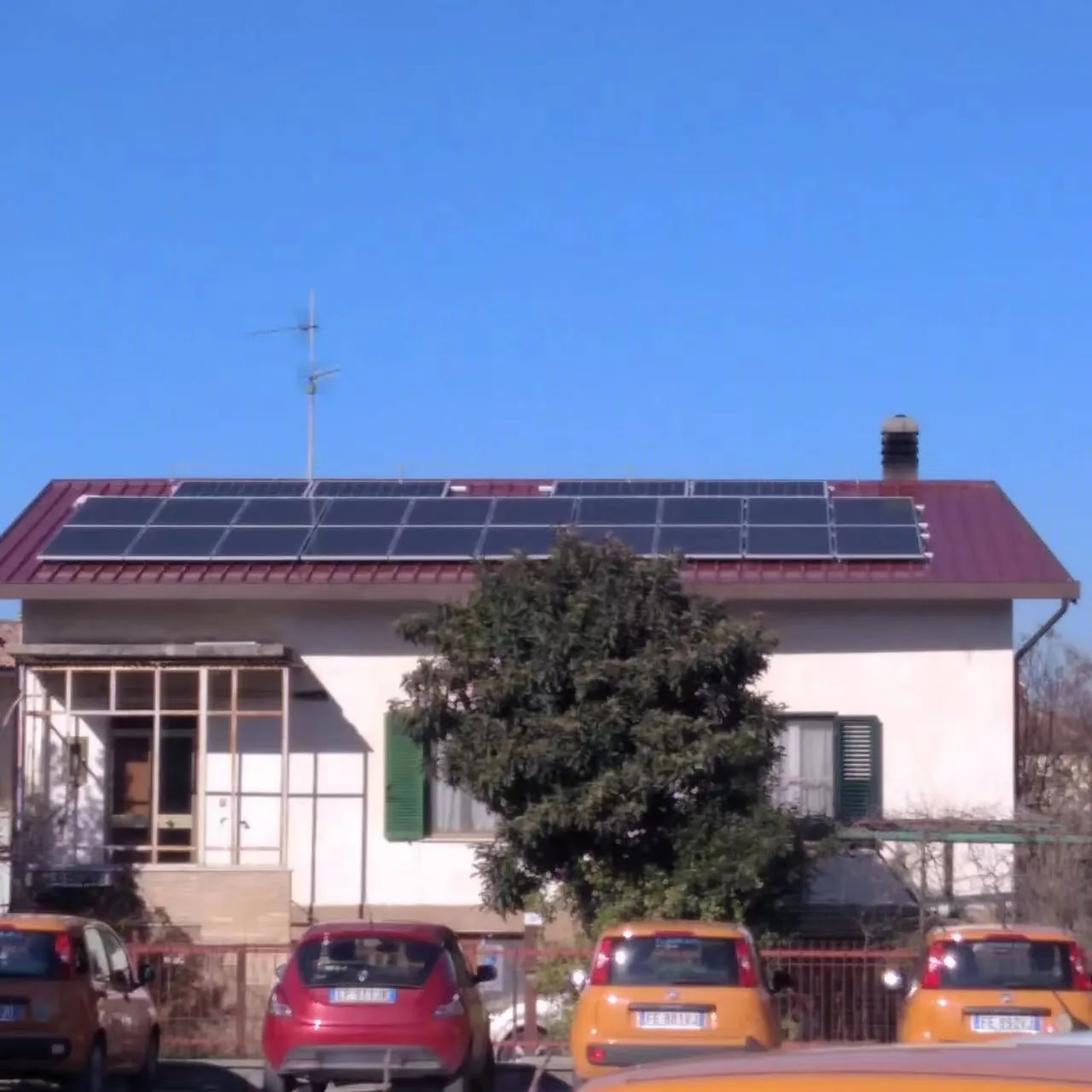
Installing solar panels on a flat roof isn't as simple as placing them on the ground. Dubai's harsh conditions—intense UV radiation, sandstorms, and occasional heavy rains—demand specialized knowledge. Here's what professional installers prioritize to ensure success:
Dubai's building codes are strict, and for good reason. A standard solar panel system weighs 15-20 kg/m²—before accounting for mounting hardware. Professionals start with a detailed structural assessment : checking roof load-bearing capacity, inspecting for cracks or water damage, and consulting original construction plans. For older buildings, this may involve reinforcing supports or redistributing weight with lightweight mounting systems. Cutting corners here isn't just risky—it can void building insurance or lead to costly leaks down the line.
Waterproofing is make-or-break in Dubai, where sudden downpours (though rare) can cause flash flooding. Poorly installed panels create gaps where water seeps in, damaging ceilings, electrical systems, and insulation. Professionals use industry-grade waterproofing membranes (like modified bitumen or PVC) around mounting brackets, paired with sealants designed to withstand extreme temperatures. Some even install a secondary drainage layer to channel water away from panel arrays—critical in a city where a single leak can lead to thousands in repairs.
Sand, salt air, and UV rays corrode standard metals quickly. That's why professional installers in Dubai opt for aluminum or galvanized steel mounting systems —materials resistant to rust and degradation. Adjustable tilt racks are a must, allowing panels to be angled for optimal sun exposure while keeping them elevated 10-15 cm above the roof to promote airflow (reducing panel temperature and boosting efficiency by up to 10%).
| Mounting System Type | Advantages for Dubai | Best For |
|---|---|---|
| Ballasted (Weighted) | No roof penetration; ideal for flat roofs with weight capacity | Commercial buildings with strong structural support |
| Penetrating (Screwed) | Secure in high winds; lower profile | Residential roofs with limited weight capacity |
| Hybrid (Ballasted + Penetrating) | Balances stability and weight; versatile | Large-scale projects with mixed roof conditions |
Not all solar panels are created equal—especially in Dubai's heat. Standard panels lose efficiency as temperatures rise (typically 0.3-0.5% per °C above 25°C). Professionals prioritize high-temperature tolerance : monocrystalline panels with PERC (Passivated Emitter and Rear Cell) technology, for example, maintain 90% efficiency even at 40°C. Some suppliers now offer "desert-rated" panels, designed with thicker glass and heat-resistant backsheets to withstand sand abrasion and UV damage.
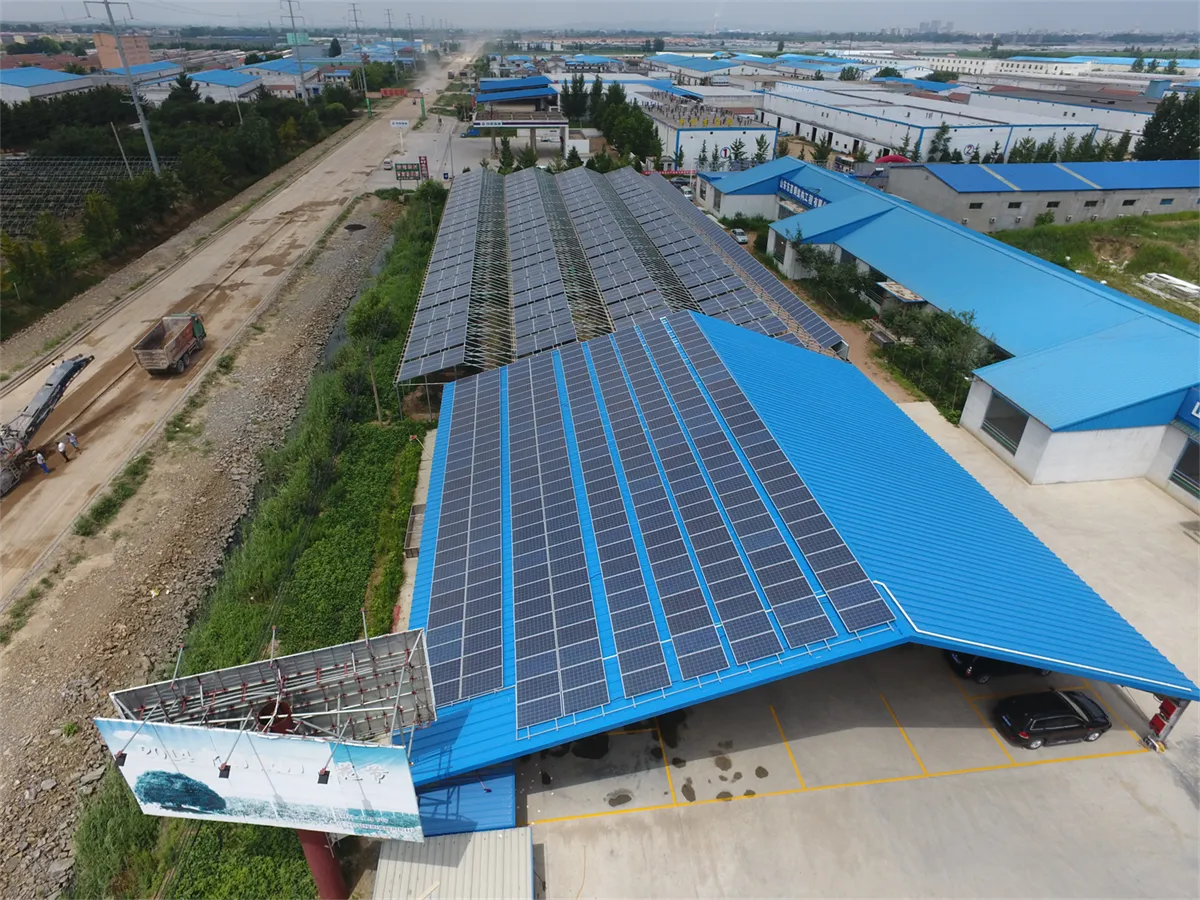
Solar installation is rarely a one-product job. Beyond panels, you need inverters, wiring, mounting hardware, waterproofing materials, and sometimes battery storage. Coordinating with multiple suppliers is time-consuming, risky, and often leads to compatibility issues. That's where one-stop architectural solution providers shine—streamlining the process from start to finish.
Imagine this: a hotel in Downtown Dubai wants to install a 500kW solar system. A one-stop provider handles everything: conducting the initial roof assessment, designing the system layout, sourcing high-quality panels and inverters, supplying mounting brackets and waterproofing materials, and overseeing installation. No more chasing different vendors for delayed shipments or mismatched parts. This integrated approach cuts project timelines by 30-40% and reduces the risk of errors—critical in a market where construction delays can cost thousands per day.
In Dubai's fast-paced construction industry, where projects move from concept to completion in record time, this level of coordination isn't just convenient—it's essential. It's why forward-thinking developers increasingly partner with suppliers who can deliver end-to-end solutions, from the first roof inspection to the final grid connection.
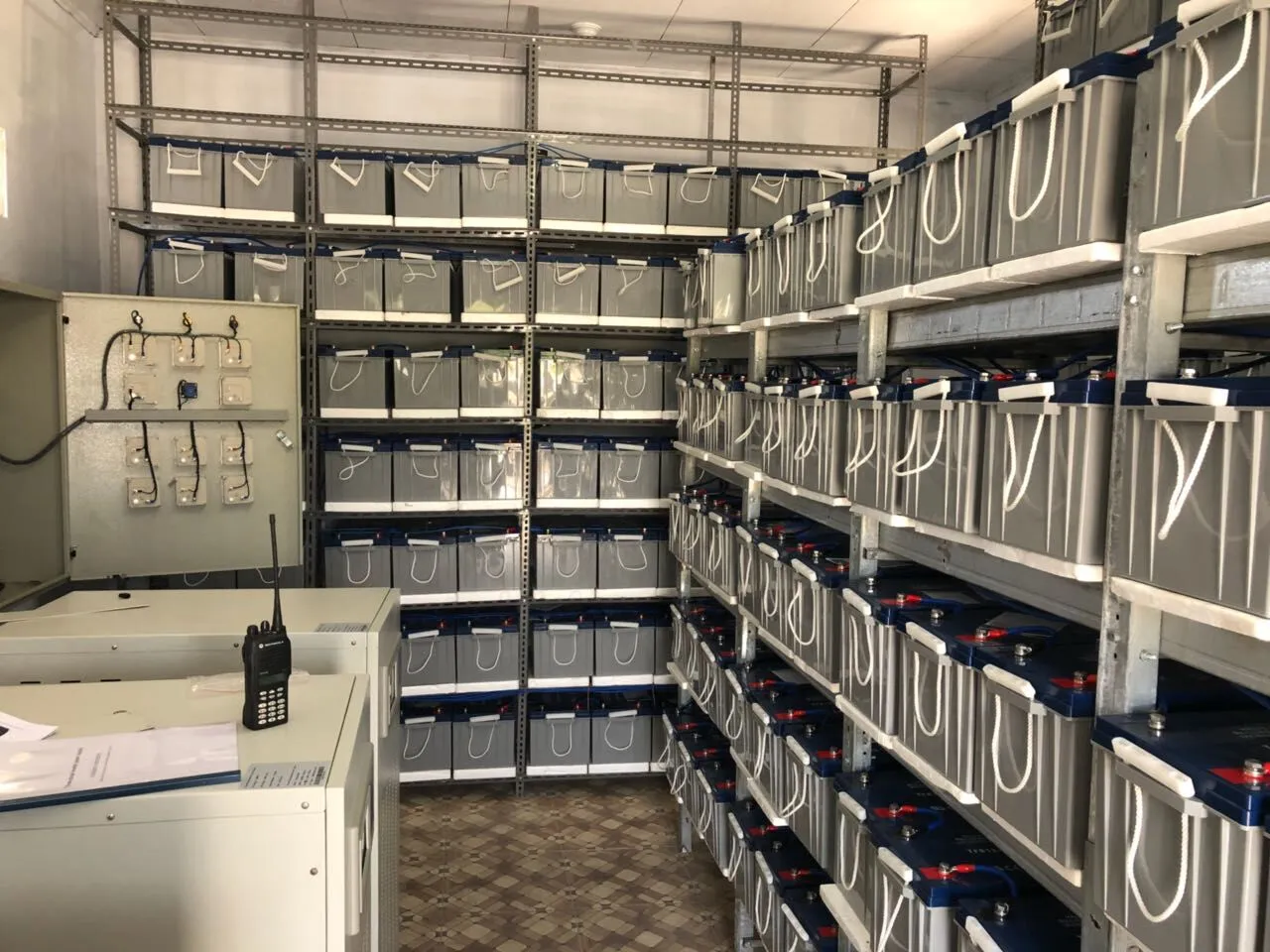
Solar power is inherently green, but its environmental impact can be further reduced with sustainable building materials. As the UAE pushes toward its "Net Zero by 2050" goal, choosing eco-friendly options isn't just good for the planet—it's becoming a regulatory requirement for new construction.
Recycled and Low-Impact Mounting Systems : Traditional steel brackets are durable but energy-intensive to produce. Modern alternatives, like aluminum brackets made from 80% recycled content, cut carbon footprints without sacrificing strength. Some suppliers even offer bamboo-based mounting rails—renewable, lightweight, and surprisingly strong for low-load systems.
Energy-Efficient Inverters : Inverters convert solar energy from DC to AC, but not all are created equal. Premium inverters with "maximum power point tracking" (MPPT) technology boost efficiency by 15-20% compared to basic models, meaning more energy from the same number of panels. Over 25 years, this translates to thousands of dirhams in savings and fewer panels needed overall—reducing material usage.
Waterproofing with Recycled Membranes : Many one-stop providers now offer waterproofing membranes made from recycled rubber or plastic, diverting waste from landfills while providing superior protection against Dubai's occasional downpours.
| Sustainable Material | Environmental Benefit | Application in Solar Installations |
|---|---|---|
| Recycled Aluminum Brackets | 75% less energy to produce than virgin aluminum | Mounting systems, frame supports |
| PERC Monocrystalline Panels | Higher efficiency = fewer panels needed | Primary energy generation |
| Recycled PVC Waterproofing Membranes | Diverts plastic waste; 50-year lifespan | Roof sealing around mounting points |
| Biodegradable Cable Insulation | Reduces plastic pollution post-installation | Wiring between panels and inverters |
These choices align with global trends, too. The "circular economy" model—reducing, reusing, recycling—is gaining traction in construction, and solar installations are no exception. By prioritizing sustainable materials, Dubai's property owners aren't just investing in energy savings; they're future-proofing their buildings against evolving green regulations and consumer expectations.
To understand the impact of professional installation and one-stop solutions, let's look at a real-world example: a 10-building office park in Dubai Investment Park (DIP). With over 20,000m² of flat roof space, the park's management wanted to reduce reliance on grid electricity and meet the UAE's green building standards (Estidama Pearl Rating).
The roofs, while large, had varying structural capacities—some older buildings couldn't support heavy ballasted mounting systems. Additionally, the park needed the installation to happen without disrupting daily operations, requiring careful scheduling and minimal noise.
A local building material supplier with global experience was brought in to lead the project. Their approach included:
Six months post-installation, the results were striking:
This case study underscores a simple truth: in Dubai's competitive real estate market, solar isn't just a sustainability play—it's a financial and reputational win. And it all starts with professional installation and a one-stop approach.
Dubai's solar journey is just beginning. The city already hosts the world's largest single-site solar park (Mohammed bin Rashid Al Maktoum Solar Park), with plans to reach 5,000MW capacity by 2030. But the real growth will come from distributed solar—systems installed on homes, offices, and factories, turning every building into a mini power plant.
1. Bifacial Solar Panels : These panels capture sunlight from both sides (front and rear), boosting efficiency by 15-20% in Dubai's bright conditions. When installed on flat roofs with reflective surfaces (like white membranes), they to generate extra power—perfect for maximizing output in limited space.
2. Solar + Storage : With the UAE's net metering policy allowing excess solar energy to be sold back to the grid, battery storage is becoming more popular. Systems that store energy during the day for use at night or during power outages add resilience, especially for critical facilities like hospitals or data centers.
3. Smart Solar Management : AI-powered monitoring systems now analyze weather patterns, energy usage, and panel performance in real time, adjusting settings to maximize output. For example, during a sandstorm, the system can tilt panels to minimize dust accumulation, reducing cleaning needs.
4. Green Building Certifications : As more developers aim for LEED, Estidama, or WELL certifications, solar installations are becoming a requirement, not an option. One-stop providers that offer sustainable materials and integrated solutions will be key to meeting these standards efficiently.
Aligned with Saudi Arabia's "2030 Vision"—which emphasizes sustainable development and—these trends highlight a shift toward greener, more self-sufficient communities. Dubai, as a regional leader, is poised to set the benchmark for how cities can harness solar power to drive economic growth while protecting the planet.
Flat roofs in Dubai aren't just part of the skyline—they're the future of clean energy. Professional solar installation transforms these spaces into assets that cut costs, reduce carbon footprints, and enhance property value. But success depends on more than just panels; it requires expertise in structural engineering, material science, and project management.
By partnering with one-stop building material suppliers that offer integrated solutions, property owners ensure their solar projects are efficient, durable, and future-proof. From high-quality panels and sustainable materials to seamless installation and ongoing support, this holistic approach is the key to unlocking Dubai's solar potential.
As the UAE marches toward its net-zero goals, the message is clear: the time to invest in professional solar installation on flat roofs is now. Not just for the savings, not just for the sustainability—but for a Dubai that leads the way in green innovation, one rooftop at a time.
Recommend Products












