
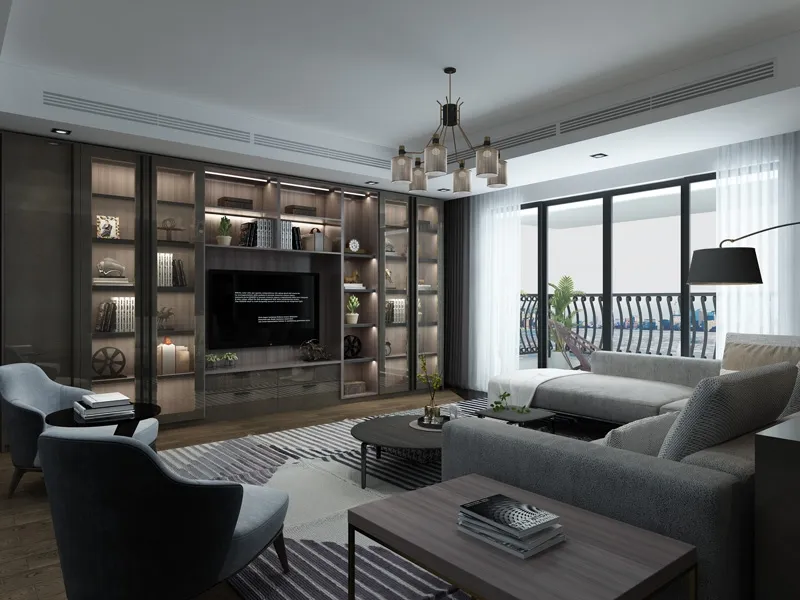
Walking into a high-end audio-visual room feels different. There's that immediate sense of anticipation - the quiet before the sonic storm. And right there at the heart of it all? The unsung hero: your equipment cabinet. You've invested in top-tier speakers, reference-grade displays, processors that cost more than some cars... only to cram them into an afterthought cabinet? That's like putting race car tires on a grocery getter.
Off-the-shelf cabinets are like fast fashion - they look okay until you actually use them. Real immersive experiences demand solutions that consider every technical and aesthetic variable:
I've seen too many enthusiasts spend months tweaking settings when half their problems vanished after upgrading their cabinet. It's not glamorous, but proper infrastructure makes everything downstream sound and look better.
Let's talk about what separates premium cabinets from the landfill-bound junk. This isn't just woodworking - it's materials engineering tuned specifically for AV applications:
Every material has its resonant personality. Laminated particleboard hums like a tuning fork at certain frequencies, while thick hardwoods like walnut or oak diffuse energy more evenly. The best solutions combine materials - like steel framing paired with hardwood panels - to create anti-resonance sandwiches.
In fact, many luxury cabinets include vibration-damping layers that borrow from automotive technology. Ever notice how luxury cars feel "solid"? That's what we're recreating for your components.
Heat sinks belong inside components, not surrounding them. But walk into any AV showroom and you'll see gear stacked like pancakes in glass ovens. Effective thermal design involves:
Pro tip: A cooler component lasts longer and draws less power. This isn't just comfort - it's economics.
Beautiful racks exist. Functional racks exist. Finding both? That's the unicorn. Here's what actually matters when you're living with these systems daily:
You know that special hell reserved for people who untangle Christmas lights? That's everyday life with poorly designed cable access. Quality solutions feature:
The dream? Adding a component without needing flashlight, contortionist training, and three hours of frustration.
You paid for fancy remote systems - why hide them behind cabinet doors? Proper designs use materials that maintain signal transparency:
You might notice premium audio systems incorporating wireless technology using special architectural integration techniques for remote control access. This allows the convenience of seamless operation without compromising acoustic performance. Testing different materials reveals surprising results - some woods block signals less than plastics that claim transparency.
AV technology evolves at light speed. A cabinet should last decades while accommodating tomorrow's unknown formats:
That "extra" space isn't wasted real estate - it's breathing room for innovation. And while we're talking future-proofing, choosing green building materials and sustainable finishes doesn't just look sophisticated now - it avoids dating your installation.
Here's what most miss: cabinets aren't passive containers. They interact with your room's acoustics:
Front speakers need precise positioning that many cabinets compromise. Look for:
When speakers and cabinet form a cohesive system, the soundstage locks into place like pieces snapping together.
We want displays and components visible... but vibration isolation often requires mass. The solution? Glass with substance:
Great design makes the technical look effortless. When your gear seems to float in space while anchored against vibration? That's audio-visual poetry.
Separating cabinet design from room acoustics is like cooking while ignoring ingredients. Everything connects:
Modern cabinets have evolved beyond passive storage:
It's not just containing technology - it's becoming part of the experience.
All the tech means nothing without intuitive human interaction:
Shelves should glide open silently with proper soundproofing. Handles should feel substantial without rattling. Weight distribution should make repositioning possible without hiring movers. And maintenance should be simple - dust happens, and you shouldn't need special tools to wipe surfaces.
Before signing off on any cabinet solution, physically verify these non-negotiables:
This isn't nitpicking - it's how you separate craftsmanship from marketing. What you'll notice? The best solutions pass these tests effortlessly.
Owning exquisite cabinetry involves stewardship, not just ownership:
Caring for premium materials differs completely from disposable furniture:
Consider it like maintaining instruments - the care becomes part of your relationship with the system.
The emotional return? Walking into your room and not seeing cabinets at all - just an invitation to experience sound and vision at their purest. That's when you know every design decision, material choice, and construction detail has merged into something greater than the sum of its parts.
Recommend Products












