


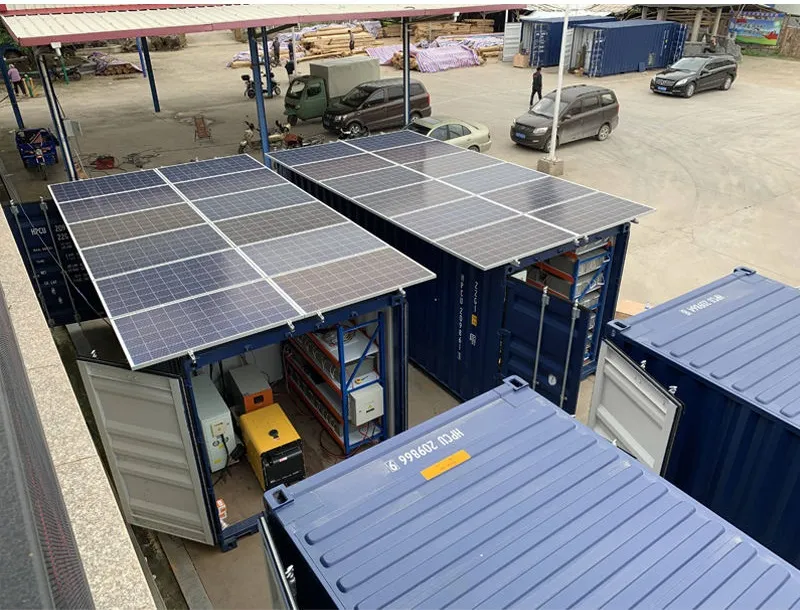
Navigating currency volatility while leveraging domestic incentives in Turkey's rapidly evolving solar energy landscape
The Lira Puzzle: Solar Economics in Unstable Times
Turkey stands at a renewable energy crossroads. With ambitious targets to increase its solar capacity and generous incentives for domestic production, the potential is enormous. But here's the rub - the rollercoaster ride of the Turkish lira against major currencies adds layers of complexity to pricing strategies that simply don't exist in more stable economies. When your investment's profitability can swing wildly based on currency exchange rates that change by the week, traditional approaches to solar pricing need a complete overhaul.
Just last year, we saw the lira lose more than 40% of its value against the dollar. That kind of volatility transforms what looks like a solid investment on paper into a risky gamble overnight. What looked like a comfortable 8-year return on investment suddenly stretches to 12 years. And if you're sourcing imported equipment priced in dollars? Your installation costs just ballooned while your projected income stream collapsed.
The good news? Turkey's renewable energy support mechanism (YEKDEM) provides some insulation. But as we've learned through consulting with dozens of project developers, these incentives only help if you navigate the system correctly. The feed-in tariff system switched from dollar-denominated to lira-based pricing back in June 2021, turning currency strategy from a secondary concern into a primary consideration for every solar investment decision.
What does this mean in practice? Well, imagine you're planning a 5 MW solar installation. Under the previous dollar-based system, you could calculate your returns with reasonable certainty. Today? That same project faces currency exposure at three critical points: equipment costs (if importing), financing costs (if borrowing in foreign currency), and revenue streams (which are now in lira but benchmarked against dollar-based historical prices).
Domestic Content: The Golden Ticket in Turbulent Times
Turkey's renewable energy law provides a powerful solution to currency volatility that too many developers overlook: substantial premiums for locally produced components. This isn't just about nationalism or import substitution – it's a practical financial tool to hedge against currency risk.
Photovoltaic Cells: The Star Performer
The crown jewel in Turkey's domestic incentive program. Using locally manufactured PV cells adds a whopping 3.5 US cents per kWh to your feed-in tariff. That's a game-changing 26% bonus on top of the base 13.3 cent rate. In practical terms, for a standard 5MW solar farm operating at 20% capacity, that bonus translates to approximately $80,000 additional annual revenue.
Radiation Collection Systems
For concentrated solar power projects, domestic radiation collection tubes provide 2.4 cents/kWh bonus. These systems may require specialized engineering but deliver substantial long-term benefits. We've seen innovative developers partner with Turkish manufacturers to create project-specific designs that maximize both efficiency and incentive eligibility.
Mechanical Steam Systems
Another 2.4 cents/kWh opportunity for CSP projects. Local fabricators have rapidly scaled up production capabilities to meet demand. The key is incorporating these elements early in design rather than treating them as add-ons.
The beauty of these domestic content bonuses isn't just their monetary value - though that's substantial. They represent lira-denominated revenue streams in a tariff structure that's fundamentally inflation-indexed. While equipment imports become more expensive as the lira weakens, these bonus payments actually increase proportionally to maintain their dollar equivalent value.
| Component | Bonus Value (USD/kWh) | Percentage Increase | Hedging Benefit |
|---|---|---|---|
| Domestically produced PV cells | +0.035 | 26% | High |
| Radiation collection tubes (CSP) | +0.024 | 18% | High |
| Mechanical steam systems (CSP) | +0.024 | 18% | High |
| Other domestic components | +0.008-0.015 | 6-11% | Medium |
But there's a catch that trips up many newcomers - these bonuses apply for only five years, while the base rates are guaranteed for ten. That creates a crucial strategic decision: front-load your development to maximize bonus years or extend your timeline to achieve higher overall capacity with lower domestic content. Most successful developers we've worked with split the difference - targeting 60-80% local content to secure substantial bonuses while maintaining flexibility in their supply chain.
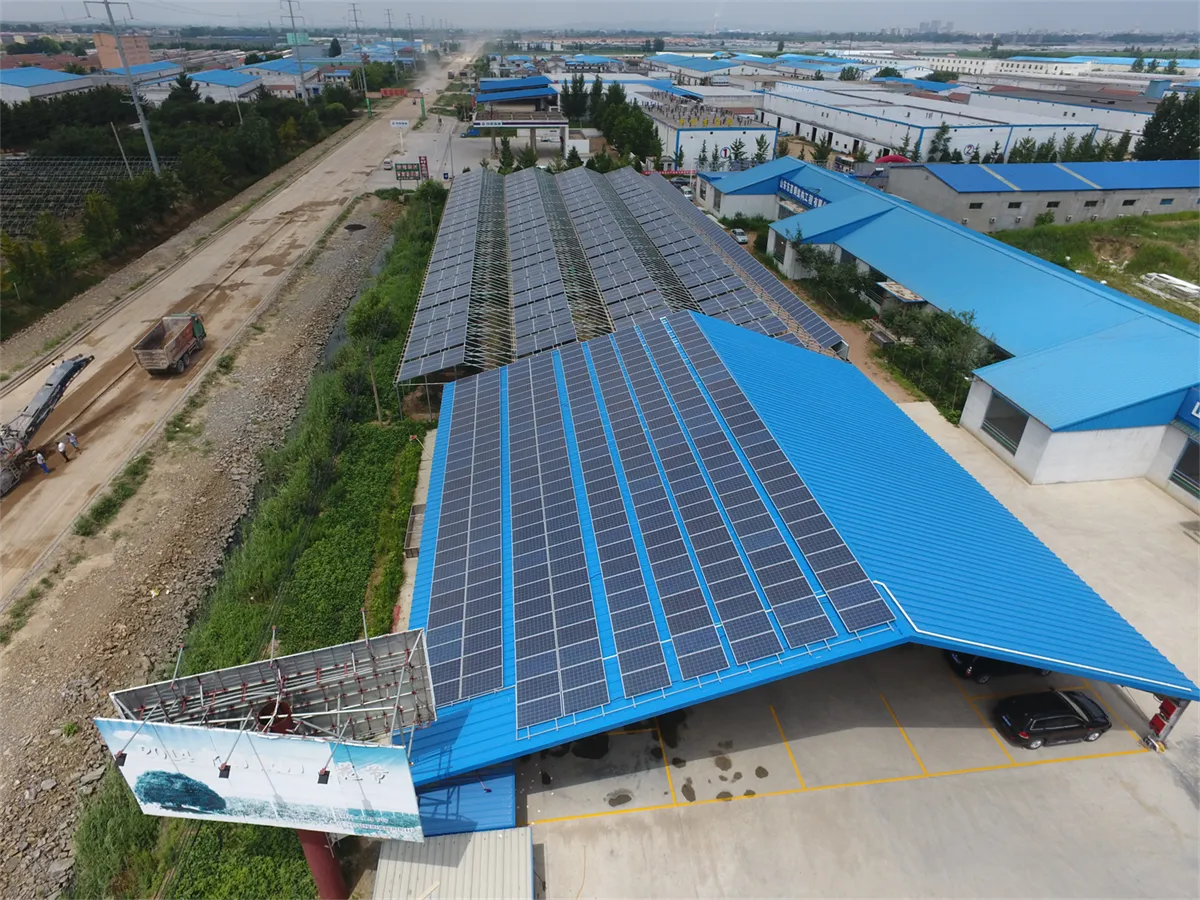
Four Pillars of Lira-Proof Solar Pricing
Having weathered multiple currency crises with solar developers, we've identified four fundamental approaches that consistently outperform in Turkey's volatile market:
Localization Layering
Instead of thinking 'all or nothing,' create a tiered localization strategy. Phase 1: Essential components with highest bonuses (PV cells). Phase 2: Structural elements with moderate premiums (mounting systems). Phase 3: Balance between local and imported for non-critical elements. This builds your domestic bonus eligibility progressively as your revenue stream stabilizes.
Currency Clauses
Embed contractual protections throughout your supply chain. Power purchase agreements should include lira-dollar conversion adjustment clauses. Equipment contracts need currency reevaluation triggers. Even operations agreements should anticipate currency-driven cost fluctuations. This isn't about distrust – it's about aligning incentives so suppliers and developers aren't caught in currency crossfires.
Hybrid Financing
Avoid the trap of pure dollar or pure lira financing. Blend financing sources: secure dollar loans for imported equipment needs while funding local operational costs through lira-denominated instruments. Some innovative developers are even creating project-specific currency pools that allow natural hedging within the operation itself.
Bonus Banking
Treat your domestic content bonuses as a separate revenue stream to be strategically allocated. Our most successful clients divide bonus proceeds: 50% to operational expenses, 30% to a currency reserve fund, and 20% to accelerated debt repayment. This creates a self-reinforcing financial buffer against lira depreciation.
What we've observed on the ground consistently proves that developers who integrate these four strategies weather currency storms far better than those relying on conventional approaches. The key is treating currency risk as an integral design parameter rather than an afterthought.
Beyond the Panel: Holistic Lira Management
When currency volatility becomes the dominant market force, successful solar projects require management strategies that extend well beyond technology decisions. The smartest developers are implementing what we call '360-degree currency integration':
Equipment sourcing: Rather than simple 'local vs imported' decisions, develop a dynamic sourcing matrix that shifts procurement based on currency forecasts. When the lira strengthens, capitalize on cheaper imports. When it weakens, shift to domestic suppliers even with lower efficiency components - the bonus payments often compensate for this.
Construction timing: Sequence your development phases to align with currency trends. When the dollar strengthens against the lira, accelerate construction of elements requiring imported technology. When the lira strengthens, push domestic-content-heavy phases. This requires flexible contracting but yields significant cost savings.
Revenue allocation: Implement tiered revenue conversion strategies. Instead of converting all revenue dollars at spot rates, allocate portions to different instruments: 40% to immediate operational needs, 30% to forward contracts locking in rates for debt service, 20% to currency hedges, and 10% to long-term reserves.
A striking example: GreenPower Anatolia managed a 14% reduction in effective currency exposure across their 50MW portfolio using these techniques. By synchronizing equipment imports with lira strength periods and accelerating domestic component orders during lira weakness, they essentially turned currency volatility into a profit center rather than a liability.
Staffing structure: Integrate currency expertise directly into project teams rather than treating it as a separate finance function. The most resilient developers we work with maintain in-house teams combining electrical engineering expertise with currency trading experience - an unconventional but extremely effective hybrid skillset.
When examining the successful solar projects in the current Turkish market, one pattern consistently emerges: the integration of sophisticated currency management directly into engineering decisions. The projects that thrive aren't just building solar farms - they're building sophisticated currency-hedged financial instruments that happen to generate clean energy.
Comparative Renewable Landscape
Solar energy's unique position within Turkey's renewable incentive ecosystem gives it special advantages in volatile currency environments:
| Technology | Base Rate (US cents/kWh) | Max Potential with Bonuses | Currency Sensitivity | Domestic Bonus Effectiveness |
|---|---|---|---|---|
| Solar PV | 13.3 | 20.1 (over 50% increase) | Medium-High | ★★★★★ (PV cell bonus) |
| Concentrated Solar | 13.3 | 22.7 (70% increase) | Medium | ★★★★☆ |
| Wind | 7.3 | 11.0 (50% increase) | High | ★★★☆☆ |
| Hydro | 7.3 | 9.6 (31% increase) | Low | ★★☆☆☆ |
| Biomass | 13.3 | 18.8 (41% increase) | Medium | ★★★☆☆ |
| Geothermal | 10.5 | 13.2 (26% increase) | Low | ★★☆☆☆ |
Solar emerges as the clear frontrunner for navigating currency volatility for three key reasons:
1. Bonus structure: The exceptional bonus for domestic PV cells creates an instant revenue stream with currency-resistant properties that other technologies simply can't match. Wind's component bonuses are more fragmented across turbines, generators and towers, diluting their hedging impact.
2. Construction flexibility: Solar installations can be more readily scaled and phased compared to wind or hydro projects. This allows developers to adjust construction schedules in response to currency movements - accelerating development when lira strengthens to capitalize on cheaper imports, then shifting to domestic-heavy phases as it weakens.
3. Distributed potential: Unlike technologies requiring massive central installations, solar excels in distributed generation models. Smaller installations spread across different regions create natural geographic diversification that mitigates local regulatory or economic shocks.
But here's an important nuance - solar's advantages require proactive management to realize. The projects struggling most with currency exposure are typically those that approached domestic content as a box-checking exercise rather than an integrated strategy.
Case Study: Lira-Resilience in Action
To understand how these principles translate to real-world results, consider Solaris Renewables' 20MW project outside Ankara:
The Challenge: Launching mid-2022 during a period of extreme lira weakness (1 USD = 17 TRY) with 60% imported components originally budgeted at 1 USD = 13 TRY. Projected 20% cost overrun on equipment before construction even began.
The Strategy: Instead of scaling back the project, they leveraged Turkey's domestic bonus system with these key moves:
- Bonus Focus: Shifted priority to domestic PV cells to capture the full 3.5 cent/kWh bonus immediately
- Contract Restructuring: Renegotiated with Turkish inverter suppliers to take payment in dollars but at a guaranteed exchange rate
- Phased Construction: Deferred dollar-dependent components while










