
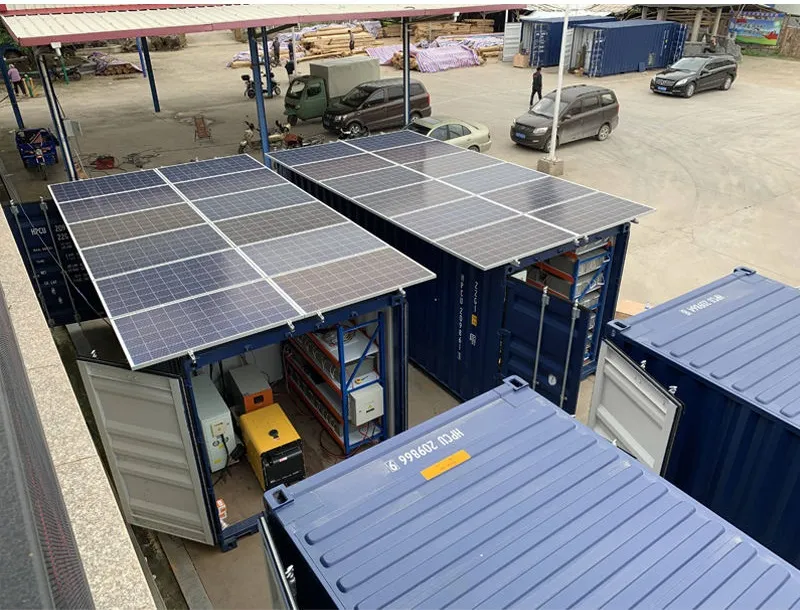
Keeping your green energy investment running efficiently for decades
Solar panels are incredible pieces of technology – silent, efficient converters of sunlight into electricity. But like any valuable asset, they need regular care to perform their best over the long haul. Unlike a car that rattles when something's wrong, solar systems quietly lose efficiency if neglected. This guide covers practical, real-world strategies to maintain your photovoltaic modules and keep them generating clean energy at peak performance for 20+ years.
Think of solar maintenance like dental care – regular brushing prevents painful root canals. Fixing problems after they cause damage often costs more than preventing them altogether. Dust buildup can decrease output by up to 25%. Microcracks from hail expand over time. Corrosion quietly eats away at connections. Proactive checks stop these issues before they dent your energy harvest and wallet.
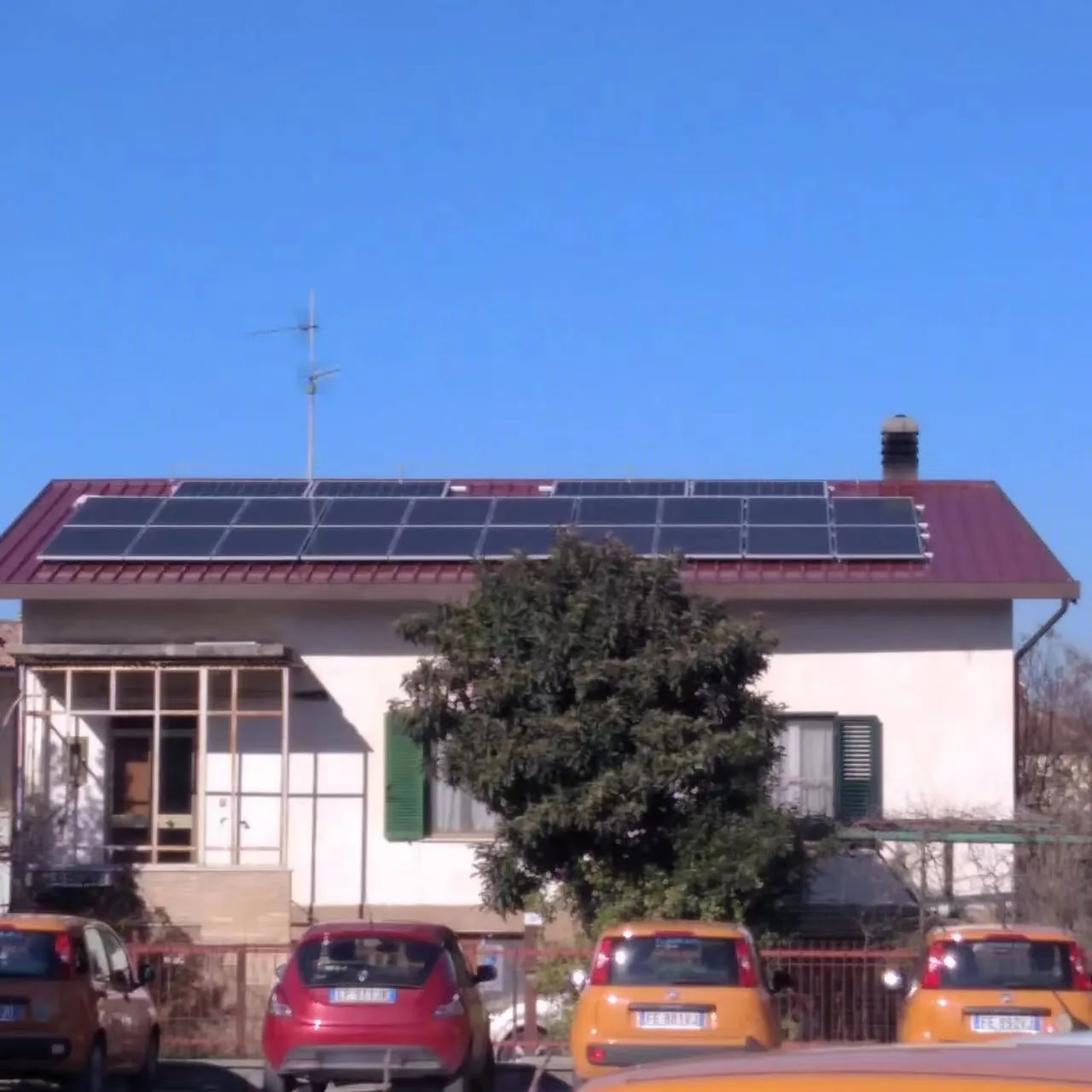
Your panels collect more than sunlight – pollen, bird droppings, and pollution create a film that blocks photons. Here's how to clean effectively:
Tip #1: Use only soft brushes and deionized water. Hard bristles scratch surfaces, and mineral-rich tap water leaves residue. A squeegee with rubber blades works wonders.
Tip #2: Timing matters! Clean early morning when panels are cool. Hot panels + cold water = thermal stress cracks. Never spray during direct midday sun.
Consider specialized cleaning systems using electrostatic charge for large installations – they repel dust between deep cleans. Remember to consider solar panels location when planning maintenance: ground-mounted arrays are easier than rooftop installations.
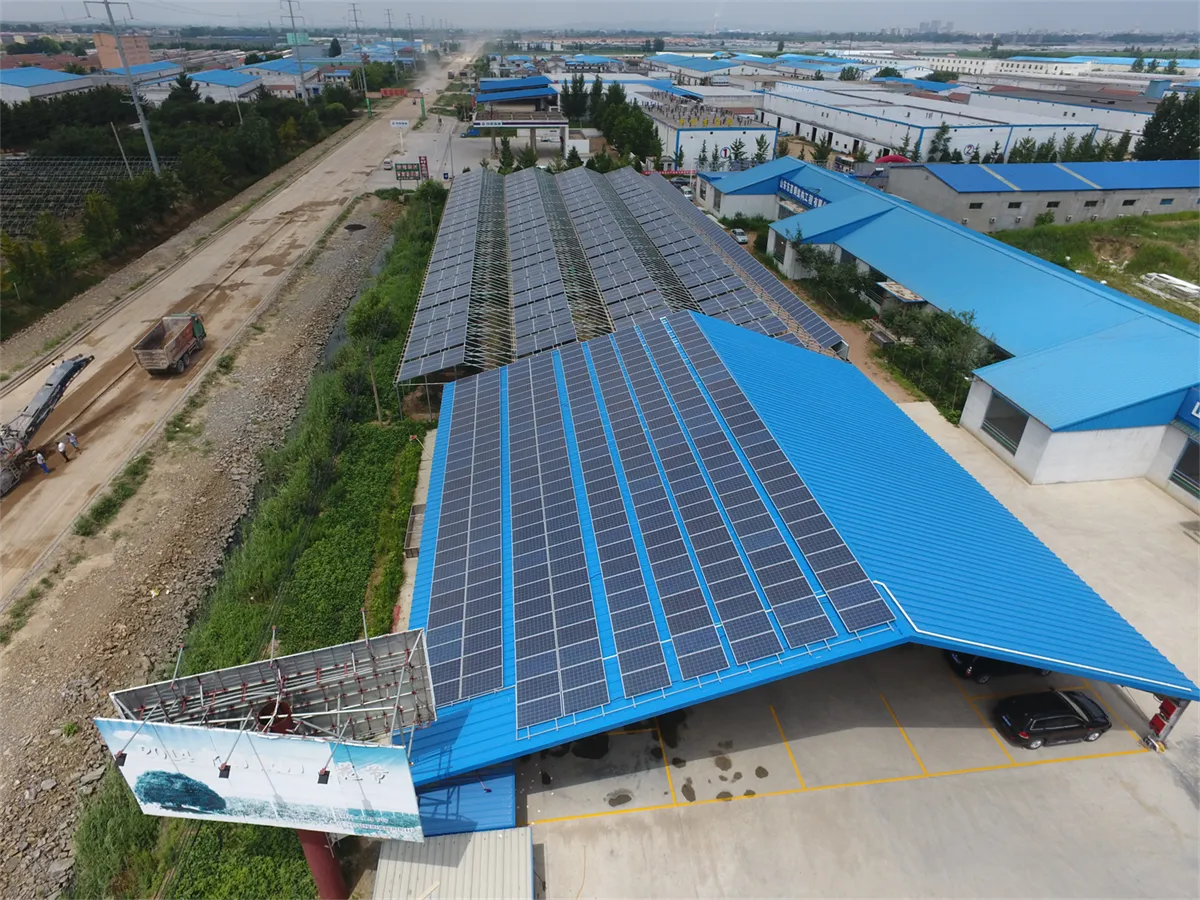
Four times a year, take 15 minutes for a visual inspection:
Photographic documentation helps you spot subtle changes year-over-year. Use your phone's camera with consistent angles and lighting.
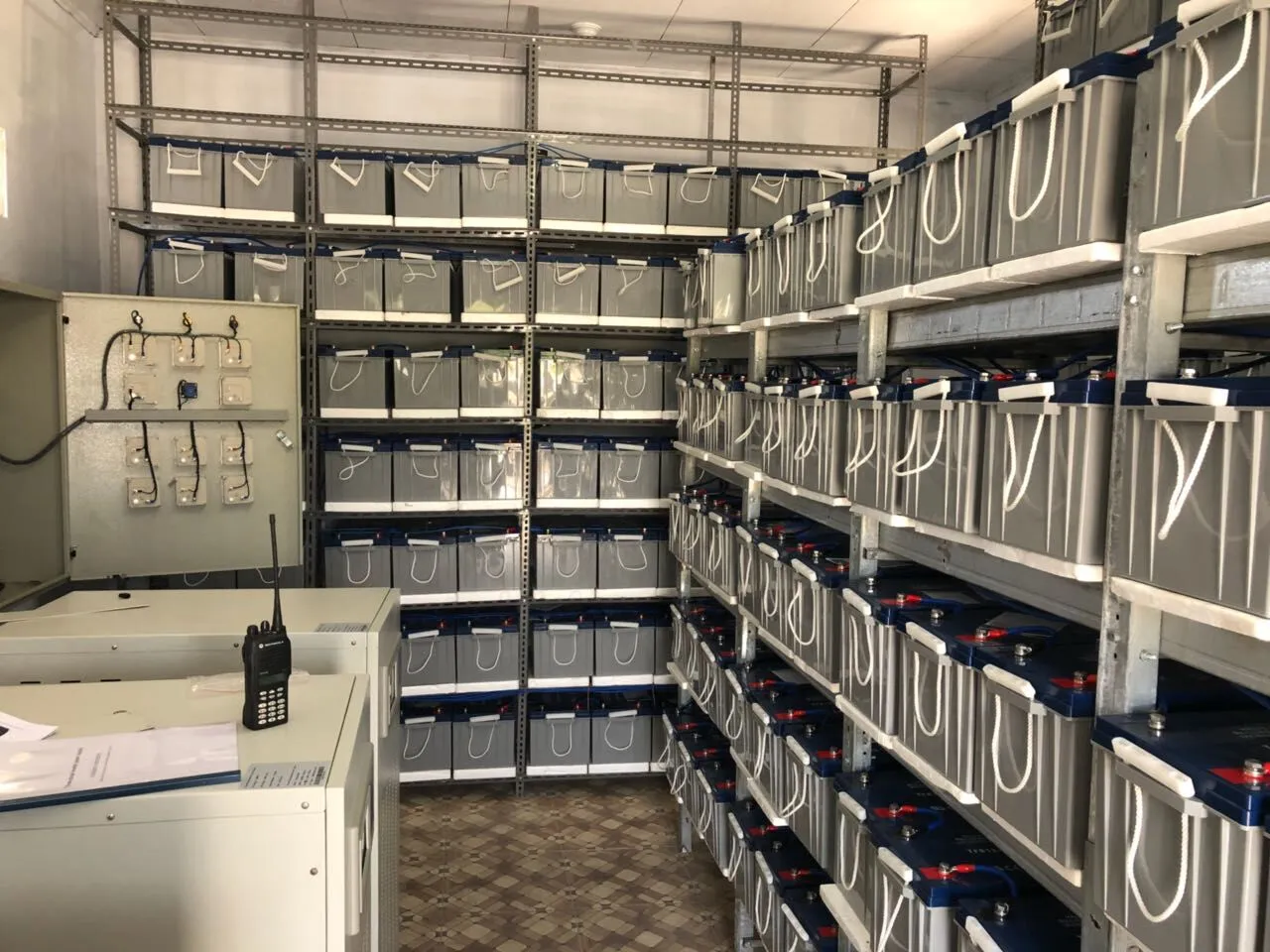
Modern inverters provide performance data accessible via apps. Notice these red flags:
Tip #3: Compare daily output to historical data for the same weather conditions. A 10%+ unexplained drop warrants investigation.
Tip #4: Watch for "string failures" in the data. Modern monitoring shows each panel string's performance – sudden dips indicate connection issues.
Tracking systems like SolarEdge or Enphase help pinpoint underperforming panels without physical inspections. This technology provides valuable insights for commercial and industrial solar energy users managing large arrays.
Solar panels battle nature daily. Strengthen defenses:
Tip #5: Seal conduit entry points annually with UV-resistant silicone sealant to prevent water intrusion that causes corrosion.
Tip #6: Install critter guards around array perimeters – mesh screens prevent birds and squirrels from nesting underneath.
After hailstorms, inspect for microcracks with a drone or thermal camera. These tiny fractures worsen over seasons, reducing output. For snowy climates, install snow guards to prevent damaging snow slides.
The inverter is your system's heart – monitor its health:
Electrical problems often cause efficiency loss before complete failure. Infrared scans during high-output periods reveal hot connections needing attention.
While DIY covers basics, professionals handle deeper care:
Tip #7: Schedule a thermographic inspection every 2-3 years. Thermal cameras pinpoint faulty cells and bad connections invisible to the naked eye.
Tip #8: Have torque testing done every 5 years. Vibration loosens mounting hardware over time, risking wind damage.
Maintenance professionals calibrate monitoring equipment and verify shutdown systems meet current safety codes. They also test resistance in wiring that degrades over decades.
Create a simple solar logbook tracking:
This history helps troubleshoot problems and validates warranty claims. Digital tools like SolarLog or Google Sheets work well for accessible tracking.
Location dictates unique maintenance needs:
Desert Climates: Dust requires frequent cleaning. Check for UV degradation on wiring insulation. Inspect for sand abrasion on racking.
Cold/Snowy Regions: Prevent snow accumulation with panel heaters or manual clearing tools. Check mounts for ice expansion damage each spring.
Humid Coastal Areas: Apply anti-corrosion treatments annually. Monitor salt deposits requiring specialized cleaning solutions.
For homes using distributed solar power systems , seasonal adjustments are critical for maintaining efficiency throughout varying weather patterns.
Understanding replacement triggers saves money long-term:
Don't rush replacements – today's panels degrade slower than older models. Documented maintenance strengthens warranty claims for underperforming units.
Neglect has real costs – a 5% annual efficiency drop from dust equals $120 yearly loss on a 6kW system. Professional cleaning typically costs $150-$300 annually – a clear financial win.
Well-maintained systems routinely outlive warranties by 5+ years, adding thousands in value. Insurance providers often offer discounts for maintained systems with lower failure risks. Considering the longevity of pv modules , this long-term investment perspective pays dividends.
Working with solar carries electrical and fall risks. Always:
Tip #9: Shut down the system completely using AC and DC disconnects before any work.
Tip #10: Never work alone on rooftops – use harnesses and spotter systems.
Understand that panels generate voltage even when disconnected in sunlight. Use insulated tools rated for solar work. Leave complex electrical troubleshooting to certified technicians.
Solar systems represent a long-term relationship. Like caring for a garden, small consistent efforts yield abundant harvests year after year. The panels quietly working on your roof deserve the same thoughtful attention you'd give any hard-working partner. With these practical, sustainable strategies, your renewable energy investment will deliver clean power faithfully for decades to come.
Remember: Prevention isn't about avoiding what might happen, but honoring what's already working for you. That mindset shift transforms maintenance from chore to stewardship.
Recommend Products












