
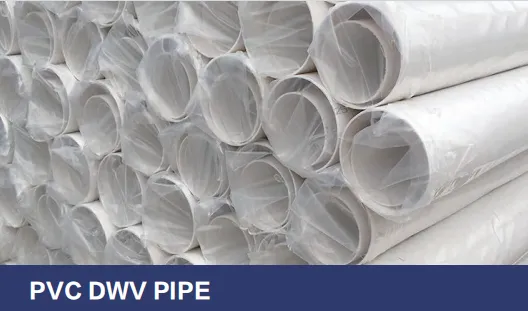
There's a quiet backbone in every home, office, or commercial building that rarely gets a second thought—until it fails. We're talking about your plumbing system, and more specifically, the PVC DWV pipes that carry wastewater away from sinks, showers, toilets, and appliances. These pipes (DWV stands for Drain-Waste-Vent) are the unsung workhorses of daily life, ensuring that water and waste flow smoothly out of your space. But when they clog? Suddenly, that quiet backbone becomes a source of stress, inconvenience, and even costly repairs.
If you've ever stood over a sink watching water pool instead of drain, or dealt with the unpleasant odor of backed-up wastewater, you know the drill. Clogged PVC DWV pipes aren't just a nuisance—they can lead to water damage, mold growth, and even health hazards if left unaddressed. The good news? Most blockages are preventable with a little knowledge and proactive care. In this guide, we'll walk through everything you need to know about keeping your PVC DWV pipes clear, from understanding how they work to forming daily habits that protect them, and even choosing the right partners (like a trusted PVC DWV pipe supplier or pipes fittings supplier) to set your system up for success.
Before diving into prevention, let's make sure we're on the same page about what PVC DWV pipes are and why they matter. PVC (polyvinyl chloride) is a popular material for DWV systems because it's durable, corrosion-resistant, lightweight, and affordable. Unlike metal pipes, PVC doesn't rust, and it's smooth on the inside—two features that should, in theory, reduce clogs. But even the best materials can fail if misused or neglected.
DWV systems have three main jobs: drainage (carrying wastewater away), waste removal (transporting solids and liquids to the sewer or septic tank), and venting (allowing air to enter the system to maintain proper pressure and prevent siphoning). When any part of this trio falters—whether due to a clog, a leak, or poor installation—problems arise. For example, a blocked vent pipe can cause slow drainage even if the drain itself is clear, because the lack of air pressure disrupts the flow.
Not all PVC DWV pipes are created equal, either. Sizing, thickness, and quality vary, which is why working with a reputable PVC DWV pipe supplier matters. A reliable supplier will offer PVC DWV pipe solutions tailored to your building's needs—whether you're constructing a new home, renovating a commercial space, or replacing old pipes. The right pipe for a small bathroom sink might not be the same as one for a commercial kitchen, and using the wrong size or grade can increase the risk of blockages down the line.
To prevent blockages, it helps to first understand what causes them. PVC pipes are smooth, but they're not impervious to buildup or foreign objects. Let's break down the usual suspects:
| Common Blockage Cause | Signs to Watch For | Proactive Prevention Step |
|---|---|---|
| Grease/Oil Buildup | Slow-draining kitchen sink, foul odors, gurgling sounds | Dispose of grease in a container, not the sink; use enzyme cleaners monthly |
| Hair | Shower/bath draining slowly, water pooling around drains | Install drain strainers; remove hair from strainers after each use |
| Foreign Objects | Sudden complete blockage, toilet overflowing | Educate household members on what not to flush; keep trash cans near toilets/sinks |
| Tree Roots | Recurring clogs in multiple drains, sinkholes in yard | Plant trees away from sewer lines; schedule annual root inspections |
| Improper Slope | Chronic slow drainage, water pooling in pipes (visible during inspections) | Hire a licensed plumber for installation; verify slope with a level |
The best way to deal with a clogged pipe is to never have one in the first place. Proactive maintenance is key, and it starts with small, daily habits and regular checks. Let's dive into actionable strategies:
Prevention starts at the source—your daily routines. Small changes can make a big difference:
Out of sight, out of mind—until it's too late. Regular inspections can catch small issues before they become big clogs. How often? For most homes, a visual inspection every 3–6 months and a professional camera inspection every 1–2 years (especially for older homes or properties with mature trees) is a good rule of thumb.
What to look for during a visual inspection:
For camera inspections, a plumber feeds a small camera through your pipes to check for cracks, root intrusion, buildup, or misaligned joints. This is especially useful for underground pipes or hard-to-reach areas. If you notice recurring clogs, a camera inspection can pinpoint the root cause (pun intended).
Many clogs stem from poor installation or low-quality materials. When building or renovating, don't cut corners on pipes or fittings. A skilled plumber will ensure pipes are sloped correctly, joints are sealed properly, and vents are installed to code. Using the right materials matters too—and that's where a trusted pipes fittings supplier comes in.
Pipes and fittings work together as a system, so mismatched or low-quality parts can lead to leaks, misalignments, or restricted flow. A reputable pipes fittings supplier will offer pipes fittings solutions designed to work seamlessly with your PVC DWV pipes, reducing the risk of clogs. For example, smooth, burr-free fittings prevent debris from catching, while durable gaskets and seals prevent leaks that can weaken pipe integrity over time.
If you're replacing old pipes, consider upgrading to high-quality PVC DWV pipes from a supplier known for reliability. Look for pipes that meet industry standards (like ASTM D2665, the standard for PVC Drain, Waste, and Vent Pipe) and are rated for your building's needs. Thicker-walled pipes may cost more upfront but resist damage and buildup better in the long run.
Even with the best prevention, minor clogs can happen. The key is to tackle them before they grow. For slow drains, start with simple fixes before reaching for harsh chemicals (which can damage pipes or harm the environment if overused):
Some clogs are too tough for DIY fixes. If you notice any of these signs, it's time to call a licensed plumber:
A professional plumber has the tools—like motorized drain snakes, hydro-jetters (which use high-pressure water to blast clogs), and camera inspection equipment—to diagnose and fix tough blockages safely. They can also repair or replace damaged pipes, ensuring your system is back to working order.
PVC DWV pipes may not be glamorous, but they're essential to a functional, comfortable home or building. By understanding what causes blockages, adopting drain-friendly habits, scheduling regular inspections, and choosing quality materials from trusted partners like a reliable PVC DWV pipe supplier and pipes fittings supplier, you can keep your pipes flowing smoothly for years to come.
Remember, proactive maintenance is always cheaper and less stressful than dealing with a major clog or pipe repair. A little effort today—scraping food into the trash, cleaning a hair strainer, or scheduling an inspection—can save you from the hassle of a flooded bathroom or a costly plumber visit tomorrow. Your pipes (and your sanity) will thank you.
Whether you're building, renovating, or simply maintaining your current space, investing in quality PVC DWV pipe solutions and pipes fittings solutions is an investment in long-term peace of mind. After all, the best plumbing system is the one you never have to think about—until it's time to brag about how smoothly everything drains.
Recommend Products












