
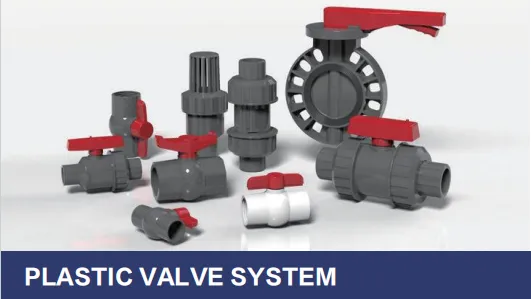
There's a quiet hero in every building—residential, commercial, or industrial—that rarely gets the attention it deserves: the plastic valve system. Tucked behind walls, under sinks, or in utility rooms, these networks of pipes, valves, and fittings keep water flowing where it should and stop it where it shouldn't. But when a leak strikes, that hero can quickly turn into a source of stress. A small drip under the kitchen sink might seem harmless, but left unchecked, it can warp cabinets, breed mold, or even damage structural elements. For businesses, a leak in a plastic valve system could mean downtime, lost revenue, or violated safety codes. The good news? Most leaks are preventable with consistent maintenance. In this guide, we'll walk through practical, actionable steps to keep your plastic valve system—and its associated pipes fittings —in top shape for years to come.
Before diving into maintenance, let's get familiar with the star players in your system. A typical plastic valve setup includes three core components: valves, pipes, and fittings. Valves are the "traffic controllers," regulating flow with handles or levers. Pipes—often made of UPVC, PPR, or PVC—act as the highways, transporting water or other fluids. Fittings, like elbows, tees, and couplings, are the "connectors," ensuring everything stays linked tightly. Together, these parts form a system that's lightweight, corrosion-resistant, and cost-effective—qualities that make plastic a top choice for modern construction, whether you're working with a residential building materials supplier or a commercial building materials supplier .
But not all plastic systems are created equal. For example, UPVC pipe solutions are ideal for cold water supply lines due to their rigidity and chemical resistance, while PPR pipe and fitting solutions are better suited for hot water systems because of their heat tolerance. Even within the same material, factors like wall thickness (schedule 40 vs. schedule 80) or pressure ratings can affect performance. Understanding these differences helps you tailor your maintenance routine to your system's specific needs.
| Component Type | Common Materials | Typical Uses | Key Maintenance Focus |
|---|---|---|---|
| Valves | PVC, UPVC, PPR | Controlling flow in water supply, drainage, or industrial lines | Lever/handle movement, seal integrity, corrosion around stems |
| Pipes | UPVC, PPR, PVC DWV | UPVC: Cold water; PPR: Hot/cold water; PVC DWV: Drainage | Surface cracks, bulges, discoloration, joint tightness |
| Fittings | Same as pipes (to ensure compatibility) | Connecting pipes, changing direction, branching lines | Leakage at joints, cracks from overtightening, seal degradation |
Leaks don't happen randomly—they're usually a sign that something in the system is stressed, worn, or damaged. Let's break down the most common causes and how to spot them before they escalate.
Plastic fittings rely on tight seals, often secured with glue (solvent cement) or threaded connections. Over time, vibrations from appliances, temperature fluctuations, or even regular use can loosen these joints. For example, the PPR pipe and fitting under your bathroom sink might develop a tiny gap after years of the faucet being turned on and off. You might not notice it at first, but eventually, that gap will start dripping. To check for loose connections, inspect visible joints monthly: look for water stains, dampness, or even a faint "squeaking" sound when the water is running (a sign of water escaping under pressure).
Plastic is durable, but it's not indestructible. Excessive sunlight (UV exposure), extreme temperatures, or physical impact can cause pipes to crack or become brittle. For instance, a UPVC pipe running along an exterior wall in Saudi Arabia's harsh sun might weaken over time, leading to hairline cracks. Similarly, accidentally hitting a pipe with a tool during a DIY project could create a small fracture that grows larger with pressure. Signs of trouble include discoloration (yellowing or fading), visible cracks, or pipes that feel "crunchy" when gently pressed (instead of firm but slightly flexible).
Not all fluids play nice with plastic. Harsh chemicals, like drain cleaners or industrial solvents, can degrade pipe interiors or weaken valve seals. For example, pouring a strong acid-based cleaner down a PVC DWV pipe might eat away at the glue holding a fitting together, creating a slow leak. Always check the compatibility of fluids with your pipe material—your pipes fittings supplier should be able to provide guidelines here.
Maintenance doesn't have to be complicated. With a few simple habits, you can catch issues early and extend the life of your system. Let's outline a schedule that works for both homeowners and facility managers.
Spend 2–3 minutes each day checking high-risk areas: under sinks, near water heaters, around toilets, and in utility rooms. Look for standing water, dampness, or mold (a musty smell is a dead giveaway). For commercial spaces, assign this task to janitorial staff or facility managers—consistency is key.
Once a month, grab a wrench (adjustable or pipe wrench) and gently tighten any threaded connections—like the nuts on a plastic valve handle or a PPR fitting. Be careful not to overtighten; plastic threads can strip easily. Next, lubricate valve stems with a silicone-based lubricant (avoid petroleum-based products, which can degrade plastic). This keeps handles turning smoothly and prevents leaks around the stem. Finally, test each valve by turning it fully on and off—stiffness or a "sticking" feel could mean buildup or internal wear.
Every three months, take a closer look at hard-to-reach areas. For example, clear out the cabinets under sinks to check for hidden leaks, or use a flashlight to inspect pipes in crawl spaces or basements. If your system has filters (common in commercial settings), clean or replace them to prevent clogs that strain valves and pipes. For PVC DWV pipe systems (used for drainage), consider pouring a mild, enzyme-based cleaner down drains to break up grease or debris—this reduces pressure on fittings.
Even with regular DIY checks, an annual inspection by a professional plumber is worth the investment. They can use tools like cameras to inspect hidden pipes, test water pressure (high pressure can stress valves), and identify issues you might miss. For businesses, this is especially critical—imagine a hospital or school relying on a Class A fireproof CPL inorganic board for safety; a leak in the adjacent plastic valve system could compromise that safety. A pro can also verify that your system meets local codes, which is essential if you ever plan to sell or renovate.
Despite your best efforts, leaks can still happen. The key is to act fast. Here's a step-by-step guide to handling common scenarios:
Locate the main shutoff valve for your system (usually near the water meter) and turn it clockwise to stop flow. If the leak is isolated (e.g., under a sink), use the fixture's local shutoff valve instead—this minimizes disruption. For commercial systems, label shutoff valves clearly so anyone on staff can find them in an emergency.
Is the leak coming from a valve stem, a fitting, or a crack in the pipe? Wipe the area dry with a towel, then run water briefly to see exactly where the water is escaping. For threaded connections, tightening with a wrench might fix it. For cracks or split pipes, you'll need to replace the damaged section—this is where having spare pipes fittings on hand (from a reliable pipes fittings supplier ) can save time.
If you can't replace the part immediately, use a temporary fix to slow the leak. For small cracks, wrap the pipe with rubber (from a bicycle inner tube, for example) and secure it with hose clamps. For valve stem leaks, tighten the packing nut (the small nut under the handle) with a wrench—don't overdo it, as this can damage the stem. Remember: these are stopgaps, not permanent solutions. Call a plumber within 24–48 hours.
Even the best maintenance can't poor-quality parts. The plastic valve system's longevity starts with the materials you install. When working with a plastic valve system supplier , ask these key questions:
Saudi Arabia's construction market, for instance, demands materials that can withstand extreme heat and sand. A local Saudi Arabia building materials supplier familiar with these conditions will likely offer plastic valve system solutions designed to resist UV damage and thermal expansion—critical for longevity in such climates.
Your plastic valve system is the backbone of your building's plumbing infrastructure. By understanding its components, staying vigilant for early warning signs, and sticking to a consistent maintenance routine, you can prevent leaks, save money on repairs, and extend the system's life. Remember, maintenance isn't just about fixing problems—it's about creating peace of mind. Whether you're a homeowner enjoying a leak-free kitchen or a facility manager ensuring a hospital or school stays safe, the effort you put in today will pay off tomorrow.
And when it's time to replace parts or install a new system, choose quality. Partner with suppliers who prioritize durability, offer expert support, and stand behind their products. After all, the best way to prevent leaks is to start with the right materials. With these tips, your plastic valve system will keep flowing smoothly for years to come—quietly, reliably, and leak-free.
Recommend Products












