


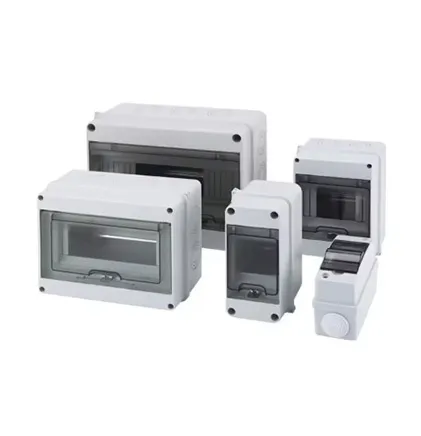
Protecting Lives Through Proper Energy Control Practices
Picture this: you're working on an electrical distribution box when suddenly - BAM! - a coworker flips the switch you thought was secured. The jolt sends you flying. This terrifying scenario plays out in workplaces every year, leaving preventable tragedies in its wake.
The truth is, that silent hum of electricity coursing through wires and machinery isn't just power - it's potential danger waiting to strike. Whether it's massive industrial equipment or the distribution box down the hall, stored energy can become deadly energy in seconds.
But here's the good news: most of these disasters never have to happen. Today we're diving deep into the life-saving world of Lockout/Tagout (LOTO) procedures. I'll walk you through exactly how to protect yourself and your team using practical, down-to-earth practices you can implement tomorrow.
The Heart of the Matter: What Really Is LOTO?
At its core, Lockout/Tagout isn't about red tape or complicated paperwork. It's about creating simple physical barriers that say: "STOP. I'm in here working." Think of it like locking your car doors at night - an obvious layer of protection that gives you peace of mind.
Breaking Down the Basics
Lockout means physically preventing machinery from being turned on using padlocks, blocking devices, or valve shutters. It's like putting your machinery "in park" with the keys removed.
Tagout goes hand-in-hand with lockout - these bright, unmistakable tags tell everyone why something is locked, who did it, and how to contact that person. Together, they create a foolproof system that's saved thousands of lives.
Why LOTO Matters More Than Paperwork
We've all heard the excuses: "It'll only take a minute," "I know what I'm doing," or "This machine has been dead for years." But here's what those quick shortcuts can cost:
- Life-changing injuries : Arc flashes can instantly cause third-degree burns that require years of skin grafts
- Crushing realities : Unexpected machine startups have trapped and crushed limbs in seconds
- Toxic exposures : Stored chemicals under pressure can release deadly clouds when released unexpectedly
Just as importantly, OSHA statistics show that failure to properly control hazardous energy ranks consistently among their top 10 most frequently cited violations every single year. And those fines? They hurt a lot more than a minor schedule delay ever would.
The Hidden Hazards Lurking in Plain Sight
When we think "dangerous energy," most minds jump straight to sparks flying from electrical panels. But that distribution box in your facility contains only one of six major energy types that need controlling:
| Energy Type | Where You'll Find It | Surprise Dangers |
|---|---|---|
| Electrical | Distribution boxes, generators, capacitors | Live wires, stored capacitor energy after shutdown |
| Mechanical | Gears, flywheels, elevators | Springs under tension, suspended weights |
| Hydraulic | Press systems, lifts, aircraft controls | Fluid under pressure that can jet out unexpectedly |
| Pneumatic | Air compressors, pneumatic tools | High-pressure air blasts capable of rupturing eardrums |
| Thermal | Boilers, steam lines, industrial ovens | Scalding water, steam burns from "cold" lines |
| Chemical | Reactors, mixing tanks, pipelines | Toxic fumes released when depressurizing |
The terrifying part? You might deactivate the primary power source only to miss the backup capacitor holding 20,000 volts. This is why treating every piece of equipment like it's loaded matters.
Your LOTO Toolkit: Beyond Padlocks and Tags
While the basics include locks and tags, today's LOTO solutions have evolved far beyond simple padlocks. Here's what should be in your safety arsenal:
- Circuit breaker locks : Devices that prevent electrical panels from being flipped back on
- Valve lockouts : Securing gas and liquid lines at their source
- Cable lockouts : When you need to control multiple energy points simultaneously
- Plug lockouts : Securing equipment that's plugged into outlets
- Thermal lockout devices : Insulating gear to prevent steam valve operation
Remember: never improvise with duct tape or zip ties. Use only rated, certified devices designed for each specific application.
The Step-by-Step LOTO Dance (And How to Get It Right)
-
Know Before You Go
Gather your crew and review the machine-specific LOTO procedure. Pull the written checklist created for that specific distribution box or equipment. Make sure everyone understands their role.
-
Clear the Stage
Alert affected employees about the shutdown timing and duration. Put up warning signs if needed to prevent accidental walk-ins during the process.
-
Shut It Down Right
Use the normal operating controls to power down. No shortcuts - follow the manufacturer's shutdown sequence to the letter. Wait for all movement to completely cease.
-
Cut the Life Support
Physically disconnect energy sources. Flip breakers to off, close valve handles fully, disconnect batteries. This is the crucial "point of no return" step.
-
Lock & Tag - Your Safety Seatbelt
Apply locks on every energy control point. Tag each one with your name, date, and contact information. This isn't just procedure - it's your personal safety guarantee.
-
Release the Tension
Bleed air pressure, discharge capacitors, release spring tension, and drain liquids. Machines store energy like coiled snakes - safely release that stored danger now.
-
The Moment of Truth
Attempt to restart using normal controls. Watch gauges, test voltage, and verify all systems are truly dead. This step has saved countless lives.
-
Safe to Work
Only now should maintenance begin. But stay vigilant - monitor for unexpected changes and never bypass your own protections.
-
Pack Up Properly
Clear tools, reinstall guards, and ensure everyone's accounted for before lock removal. Do a visual sweep - it's amazing what gets left behind.
-
The Power-Up Ritual
Notify affected employees, restore energy step-by-step, and confirm normal operation. Your locks come off only when the area is 100% secure.
Making LOTO Stick: Building a Safety-First Culture
Proper lockout/tagout lives and dies by the culture surrounding it. Here's how to make it stick:
- Regular toolbox talks that focus on near-misses and real lessons
- Cross-training so maintenance and operators understand each other's worlds
- Clear accountability without blame culture when procedures lapse
- Visual reminders showing LOTO's lifesaving value through posters and checklists
The most successful facilities treat LOTO not as compliance but as sacred ritual - the daily ceremony protecting their work family.
When the Unthinkable Happens: Emergency Preparedness
Despite our best efforts, emergencies happen. Preparation makes all the difference:
- Training drills for lock removal during medical emergencies
- Emergency bolt cutters secured in clearly marked locations
- Digital backups of lock ownership records accessible 24/7
- Post-incident reviews focusing on improvement, not punishment
When every second counts, knowing your emergency protocols prevents panic from costing lives.
The Final Word: Safety Is Contagious
I've seen facilities transform from danger zones to safety showcases by embracing one simple truth: proper lockout/tagout isn't about machinery - it's about people.
That distribution box isn't just wires and breakers. It's where Kevin feeds his family after work. That compressor isn't just metal - it's where Maria applies her craftsmanship. Every bolt turned under proper LOTO protection represents someone's parent, partner, or friend going home safe.
So tomorrow when you reach for that lock, remember: you're not just securing equipment. You're building trust. You're protecting stories not yet told. You're ensuring that everyone walks out the same way they walked in.
Now go be that safety champion - the world needs more of them.










