
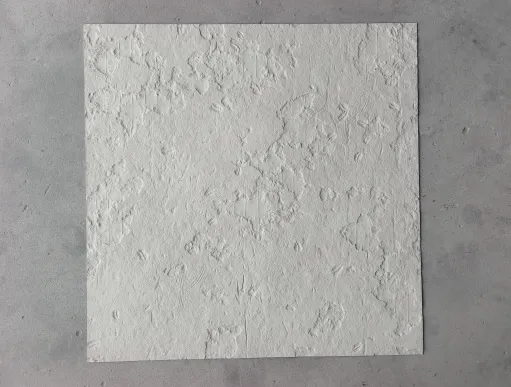
Understanding material selection for creating authentic, sustainable tropical retreats that capture the essence of paradise
When you step into that dreamy Southeast Asian resort – the one where emerald waters meet powder-soft sand and jungle vines frame your luxury villa – have you ever wondered what makes the magic? It's not just the coconut palms or the infinity pools catching sunset light. The real secret lies beneath your feet, surrounding your shower, lining your private terrace: the materials that whisper paradise .
Over the past decade, Bali stone, sea rot stone, and natural wood grain have emerged as the holy trinity for architects crafting authentic tropical experiences. These aren't just building blocks; they're storytellers that connect guests to place, climate, and culture through texture, color, and performance.
From Phuket to Palawan, designers face a challenging equation: how to blend durability against punishing salt air and tropical storms with eco-sensitivity and that intangible "barefoot luxury" feeling? We'll journey through the triumphs and trade-offs of these materials, including the intriguing controversy around Bali's famous Sukabumi stone, the rising star of sea rot stone, and the timeless appeal of weathered wood grains that make indoor-outdoor living sing.
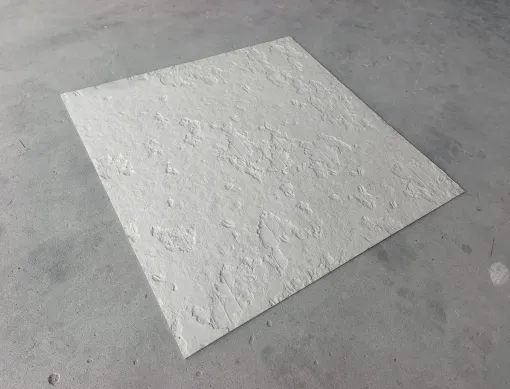
Let's talk about the elephant in the tropical lobby: Bali's Sukabumi stone. With its signature turquoise glow showing up everywhere from celebrity Instagram feeds to luxury hotel promos, it's become the darling of high-end pool design. But is it worth the premium price tag – or just paradise-marketing at its finest?
Unlike artificial tiles that scream "resort aesthetic" but feel disconnected from place, Sukabumi forms organically in West Java's volcanic hills. Its porous surface becomes colonized by beneficial microbes that help maintain water clarity – nature's filtration system embedded in stone. During a month-long stay at a Bali villa, I watched how this stone transformed with light: dawn revealed subtle mossy undertones, midday blazed electric aqua, and twilight softened to mysterious jade. This daily performance becomes part of a resort's experiential rhythm.
However, working with Sukabumi isn't all frangipani and sunshine. Three persistent myths need busting:
1. "The color inconsistency is too drastic"
Natural variation exists but becomes problematic only with poor sourcing. High-end suppliers like Stone Bali batch-match stones during quarry extraction, creating cohesive palettes across large projects. That "imperfection" actually adds character when professionally managed.
2. "It's prohibitively expensive"
While initial costs run 40-60% higher than ceramic alternatives, lifetime value shines through. Reduced chemical needs, minimal resurfacing, and zero replacement costs over 15+ years change the financial equation dramatically. As one resort owner in Koh Samui told me: "Our maintenance team celebrates every time we use Bali stone – it gives them back thousands of hours annually."
3. "You can't source large quantities reliably"
Limited quarries created supply crunches during the mid-2010s boom. Today, ethical suppliers maintain buffer inventories while pioneering innovative quarry management. The very exclusivity that frustrates developers creates value for guests seeking unique experiences unavailable elsewhere.
Now meet Bali stone's fascinating cousin: sea rot stone. This lesser-known material undergoes a radical transformation before reaching resorts. Salvaged from coastal erosion zones or sustainably harvested from intertidal areas, these stones undergo a remarkable alchemy when brought into design applications.
Saltwater immersion over centuries creates a unique patina impossible to replicate artificially. Iron deposits oxidize into warm rust veins, quartz pockets become liquid gold under humidifiers, and tidal polishing creates tactile surfaces that feel like petrified silk beneath bare feet.
The Four Seasons Koh Samui demonstrates sea rot's magic in their hillside villas. Instead of conventional decking, sea rot pavers create meandering pathways through lush foliage. During monsoon season, these porous stones become natural drainage channels, preventing slippery algae buildup while maintaining grip.
What truly sets sea rot apart is its narrative power. At the Six Senses Yao Noi, each stone comes with GPS coordinates of its origin – allowing guests to explore its coastal source via guided kayak tours. This deep material storytelling transforms functional surfaces into emotional anchors.
No tropical resort material conversation can exclude wood – the warm, breathing counterpoint to stone's cool permanence. Forget uniform decking planks; today's innovative applications celebrate wood's natural irregularities through live-edge installations , charred Shou Sugi Ban cladding, and reclaimed teak storytelling.
The Datai Langkawi demonstrates wood's multisensory impact. Their canopy walkway uses ironwood (belian) milled from fallen storm trees, intentionally preserving knots, grain patterns, and even woodpecker markings. As resort manager Elena Narozhna explains: "When guests feel texture beneath their fingers and hear the subtle creak underfoot, they connect with the living forest surrounding us."
Sustainability challenges have pushed innovation. Architects increasingly combine traditional woods with newer solutions like bamboo composites. At Phuket's Keemala resort, bamboo forms structural elements while thermally modified local acacia creates bathroom features. This hybrid approach reduces pressure on precious teak resources while maintaining authenticity.
Truly memorable tropical spaces emerge when these materials converse rather than compete. Consider the interplay at Bali's St. Regis villas:
Arrival Sequence: Sea rot stone approach path → Sukabumi-tiled entry pool → reclaimed teak pivot door → split river stone interior feature wall.
This choreographed progression creates sensory storytelling – from coastal rawness to aquatic elegance and finally forest warmth.
The most successful projects leverage each material's strength: Bali stone's aquatic brilliance where water meets land; sea rot's coastal character in transition zones; wood's warmth in social spaces. This thoughtful layering creates what design guru John Hardy calls "tactile wayfinding" – guiding guests through environments using material sensations rather than signage.
Maintenance innovation continues advancing the art. Modern impregnating sealers preserve stone's natural breathability while resisting salt penetration. Enzyme-based cleaners maintain wood without toxic residues. At the Four Seasons Bali at Sayan, material technicians actually inoculate Sukabumi pools with beneficial microbes – treating stone as a living system rather than inert surface.
As Southeast Asian resorts evolve from playgrounds for the wealthy to laboratories for sustainable luxury, material choices face intense scrutiny. The Bali stone versus ceramic tile debate reflects larger conversations about authenticity versus convenience. Does imported Italian porcelain flown halfway around the world represent responsible tropical design?
The most promising developments balance tradition with innovation:
Local Sourcing Renaissance: Smaller resorts now partner directly with stone quarries and wood co-ops, cutting supply chains while investing in restoration. Silolona Sojourns commissions sea rot features exclusively from erosion-threatened coastal communities, creating conservation-based income.
Technical Improvisation: Material scientists adapt ancient preservation techniques for modern scale. Boron-infused teak resists termites naturally; titanium dioxide nano-coatings keep Sukabumi algae-free without biocides; advanced salt crystallization inhibitors protect sea rot installations.
Emerging trends suggest where resort materials might evolve:
Bio-Integrated Design: Resorts like Singapore's Oasia Hotel demonstrate how stones can become substrates for vertical ecosystems. Expect Sukabumi tiles designed with micro-grooves for beneficial moss propagation.
Thermal Storytelling: Materials that passively respond to climate conditions. Phase-change wood composites that absorb afternoon heat, radiant-cooled stone floors that replace AC demand, sea rot thermal mass walls that stabilize interior humidity.
Circular Materiality: Canggu's Desa Potato Head already incorporates reclaimed materials into new construction. Future resorts may commission project-specific quarries that become water retention features post-extraction, or design wood installations with scheduled deconstruction and reuse.
The magic of Bali stone, sea rot stone, and natural wood grain ultimately lies beyond technical specifications. These materials ground guests in something real and ancient amid temporary luxury – creating subtle connections to volcanic forces, tidal rhythms, and forest whispers that no manufactured surface can replicate. As more travelers seek authentic connection over superficial indulgence, these natural textures become not just design choices, but competitive necessities for crafting paradise.
As we continue designing spaces that celebrate water in all its forms – from tranquil infinity pools to dramatic shoreline installations – embracing the unique character of each material remains paramount. One of the most interesting modern applications that bridges this gap is waterproof vinyl flooring in transitional spaces like spa changing areas, combining the aesthetic warmth of natural materials with uncompromising functionality where moisture resistance is critical.
Recommend Products












