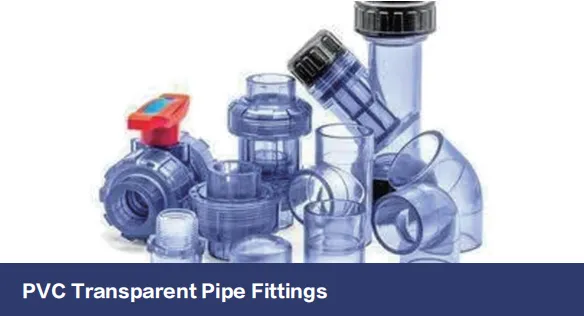
Introduction: Taming the Temperature Monster
You're installing PVC transparent pipes in a scorching desert facility or a frigid industrial freezer - temperatures that'll have regular pipes sweating or shivering in no time. Unlike metal pipes that groan under extreme heat or standard plastics that snap like brittle candy when cold, PVC transparent pipes bring unique challenges. They're fantastic when you need fluid visibility or chemical resistance, but get the installation wrong in harsh environments? You'll be staring at leaks, cracks or worse - a complete system failure. This isn't just about tightening fittings; it's about understanding the physics of plastic dancing with fire and ice.
Why PVC Transparent Pipes Hate Temperature Swings
Think of PVC like granny’s antique vase – beautiful but finicky. Transparent PVC contains stabilizers and plasticizers that literally rearrange themselves as temperatures shift:
-
The Meltdown Zone:
Over 140°F (60°C), molecules wiggle loose, causing softening and deformation - imagine pipes that look like they’ve been sunbathing
-
The Brittle Hour:
Below freezing, those molecules huddle together, turning pipes into fragile glass that will shatter with the slightest pressure surprise
-
Invisible Stressors:
Thermal expansion/contraction creates hidden pressures that can crack fittings within months after installation
Beyond the Obvious: Temperature's Secret Impacts
The
water pipes fittings
might look secure after installation, but heat creates other unseen enemies:
-
Accelerated aging
causing UV stabilizers to break down faster
-
Chemical leaching from plasticizers that cloud transparency
-
Creep deformation where pipes slowly sag over time
High Heat Playbook: Installer Survival Tips
Installing in foundries, engine rooms or desert locations? Your PVC needs armor:
-
Material Selection:
Specify CPVC formulas instead of regular PVC – they laugh at temperatures up to 200°F (93°C)
-
Sunshield Protocol:
Wrap pipes with reflective foil tape or install conduit shielding. Think "sunscreen for pipes"
-
Expansion Gaps:
Leave ¼" per 10 feet of pipe length – yes, measure twice, cut once isn’t enough here
-
Hanger Strategy:
Use slide clamps instead of fixed anchors to let pipes breathe during expansion
-
The Cool-Down Trick:
Install at the
coolest
part of the day to compensate for daytime thermal growth
Frozen Frontier Tactics
When working in refrigerated spaces or outdoor winter installations:
-
Material Switch:
Use low-temp rated PVC formulas designed for refrigeration applications
-
Pre-Heating Ritual:
Warm pipes to 40°F (4°C) before cutting and fitting – yes, bring pipes inside overnight!
-
Shock Absorbers:
Install S-shaped expansion loops before entry points to cold rooms
-
Insulation Armor:
Wrap pipes with closed-cell foam insulation before temperatures drop
-
Gradual Slope
prevents any “bathtub traps” where water collects and freezes
The Temperature-Pressure Tango
Temperature and pressure are dance partners – step on toes and your system will fall:
-
Heat reduces pressure capacity by up to 50% – a fitting rated for 100psi at room temp drops to 50psi at 140°F
-
Cold environments make impact damage 8x more likely – a dropped tool becomes a pipe bomb
-
Always derate pressure specs using the manufacturer’s thermal derating charts
Every 18°F (10°C) increase above room temperature
cuts the service life in half
. Install cheaply in a hot factory? That "20-year" pipe becomes a 5-year liability.
Testing & Validation: Don't Skip the Stress Test
Final installation is just Act 1. Implement these verification steps:
-
Cold Cycle Test:
Run systems below freezing for 24 hours before pressurization
-
Infrared Scans:
Use thermal cameras to detect friction hot spots at unions
-
Leak Testing:
Test at both extreme operating temperatures – not just room temp!
-
Transparency Checkpoints:
Monitor for clouding at joints indicating plasticizer leaks
The Long Game: Maintenance Strategies
Transparent pipes need different care in harsh climates:
-
Quarterly inspection windows using UV light to detect micro-cracks early
-
Clean only with pH-neutral solutions - acids cause accelerated crystallization
-
Record thermal cycling data to predict end-of-life before failures occur
-
replace seals every 3 years regardless of apparent condition
Installation Traps to Avoid
-
Never mix adhesive types – cold-set and hot-set cements have different chemistries
-
Avoid direct contact with hot pipes – even 6" clearance prevents conduction baking
-
Never install tension-fit joints – always solvent weld under thermal extremes
Conclusion: Mastering the Thermodynamic Puzzle
Installing PVC transparent pipes under extreme temperatures requires treating thermodynamics like a core design parameter - not an afterthought. By selecting specialized materials, designing expansion strategies, and implementing climate-aware installation techniques, you turn potential disaster points into durable fluid-viewing systems. The clarity of PVC’s transparency shouldn’t be the only thing that’s transparent - keep your thermal planning visible from blueprint to maintenance schedule. Because what seems like just a pipe job today becomes tomorrow’s emergency if temperature science gets ignored.