
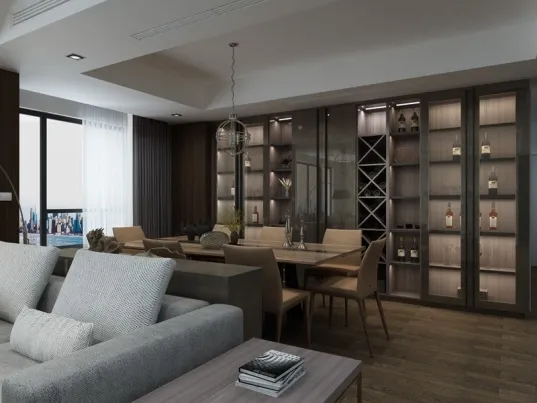
You're standing in your dining room, holding that prized bottle of Cabernet you've been saving for a special occasion. But there's a problem – your kitchen fridge is too cold, your basement too humid, and that beautiful bottle deserves better. Sound familiar? Choosing the right wine cabinet isn't just about storage; it's about preserving memories, investments, and the pure joy of perfectly aged wine.
Finding that sweet spot between aesthetics and functionality can feel overwhelming. That's why we've uncorked the essential knowledge you'll need, transforming technical jargon into practical advice that speaks directly to your lifestyle.
Imagine your favorite Chardonnay subjected to the same temperature swings as last night's leftovers. Temperature consistency isn't just important – it's non-negotiable. Compressor-based systems maintain precise 45-65°F ranges better than thermoelectric models but consume more energy. For serious collections, dual-zone cabinets let your reds and whites coexist peacefully at their ideal serving temperatures.
That satisfying "pop" when uncorking a bottle? It relies on moist corks. Below 50% humidity, corks shrink allowing air to sneak in and oxidize your wine. Many overlook this until they discover a prized bottle has turned to vinegar. Opt for cabinets with built-in humidity controls or natural regulation through quality seals.
Vibration is the silent killer of delicate wines. It disturbs sediment and accelerates chemical reactions – essentially shaking your wine awake prematurely. Thermoelectric units naturally vibrate less than compressor models, but premium compressor cabinets now feature suspension systems. When touring showrooms, place a glass of water inside – visible ripples mean your Bordeaux will age poorly.
Sunlight is wine's worst frenemy. UV rays penetrate glass, creating "light-strike" that produces that unpleasant wet cardboard aroma. While tinted glass helps, true UV-filtered glass (not just tinted) is the gold standard. For heirloom collections, solid doors are safest – no light means no risk.
That "12-bottle" unit? It typically holds just 9 standard Bordeaux bottles. Collector rule: buy double your current collection size. Before measuring your space, remember airflow needs – cabinets suffocate when sandwiched between walls and furniture. Consider depth carefully; counter-depth models avoid that awkward appliance-protrusion look.
When integrating your wine storage solution, always consider the architectural flow of your home, especially if incorporating custom kitchen elements – quality construction ensures both aesthetics and functionality blend seamlessly into your living space.
That gentle hum might be soothing in a kitchen corner but maddening beside your reading nook. Thermoelectric units whisper (30-40 dB), comparable to a library, while compressors rumble like refrigerators (40-50 dB). Placement determines tolerance – open floor plans forgive compressor noise; condos favor thermoelectrics.
Running a wine cabinet year-round costs more than most appliances. Thermoelectric models win here (100-150W, like a lightbulb), often ENERGY STAR certified. Compressors can use 200-300W – double-check kWh/year ratings before buying. Eco-conscious collectors should prioritize insulation quality; polyurethane foam outperforms basic fiberglass.
Those beautiful sliding wood shelves? They can trap moisture underneath causing mold. Metal racks avoid this but may scratch bottles. Angled presentation shelves maximize visibility but waste storage space. Look for grooved shelving that cradles bottles securely without friction, especially if storing large formats like magnums.
App-controlled cabinets may let you adjust temperature from Tahiti, but reliability matters more. Some Bluetooth systems disconnect frequently, while touchscreen controls can freeze. Unless you travel constantly, analog controls often outlive digital ones. Prioritize reliable temperature alarms over gadgets – a simple audible alert beats a failed app notification any day.
Locking doors protect investments from curious guests or household staff. But fingerprint-resistant coatings? They're game-changers. For open-concept homes, consider mirrored finishes that blend as decor. High-end units now offer recessed handle designs that prevent snagging clothes in tight spaces – small details with big comfort impact.
When selecting features like dual cooling zones or energy-efficient insulation, always consider the environmental impact – sustainable materials aren't just eco-friendly, they often perform better long-term by maintaining consistent interior conditions despite external fluctuations.
Selecting a wine cabinet is deeply personal – it's about honoring the nights you'll laugh over that Zinfandel, the quiet moments with a glass of Burgundy, the anniversaries marked by popping champagne. The perfect cabinet disappears into the background while faithfully preserving your liquid memories. Forget specs for a moment: Stand before your dream unit and imagine loading it with your current favorites and future discoveries. When it sparks that visceral "Yes, this is where my wines belong" feeling, you've found your match.
Your collection deserves more than storage – it deserves a sanctuary. Invest wisely, and for years to come, every bottle you retrieve will whisper "thank you" with every perfect sip.
Recommend Products












