
Imagine you're standing at the base of a modern skyscraper – one of those breathtaking structures that seems to pierce the clouds. Now picture the invisible web of electricity that brings life to every floor, every apartment, every office in that giant structure. For decades, engineers faced a massive headache: how to safely and efficiently distribute power through these vertical cities. The solution that transformed this process? Pre-branching cables – a true game-changer in building electrification that's as practical as it is ingenious.
Back in the day, wiring a tall building felt like untangling Christmas lights – frustrating and time-consuming. Electricians would haul thousands of feet of cable through vertical shafts, painstakingly splicing connections floor by floor. It wasn't just slow; it was a safety minefield. Every junction box was a potential failure point, every manual connection a fire risk waiting to happen. The process gobbled up labor hours like candy, and let's be honest – it was a messy solution to a critical problem.
Traditional methods – we're talking about those old-school cable distribution boxes and plug-in bus ducts – often turned building shafts into cluttered rat's nests of wires. And when something went wrong? Finding the problem felt like searching for a needle in a skyscraper-sized haystack. The costs piled up too, not just in installation but in ongoing maintenance that made building owners wince every time the electrician's truck pulled up.
So here's where the smart cookies in the electrical engineering world had their breakthrough moment: What if we could "pre-bake" the entire wiring system like a carefully planned recipe? Instead of assembling everything on-site – with all the risks that entailed – why not manufacture power distribution systems that arrive perfectly pre-configured for the building? Enter pre-branching cables, the unsung heroes of modern construction.
The core idea is beautifully simple yet revolutionary. Picture a main backbone cable – the sturdy trunk line that runs vertically through the building – with smaller branch lines already perfectly attached at precise intervals. These aren't jerry-rigged connections but factory-engineered joints sealed tight enough to make a submarine engineer proud. The magic happens in the manufacturing facility where:
The beautiful part? This isn't just about replacing old methods with new ones. It's about transforming the entire philosophy of power distribution – shifting from onsite improvisation to precise, factory-controlled quality. That leap in thinking is why many architects now call pre-branched cables the "silent backbone" of intelligent building design.
Let's peel back the layers and see what makes these systems tick. A pre-branched setup isn't a single cable but an integrated ecosystem with four key components working together like a well-conducted orchestra:
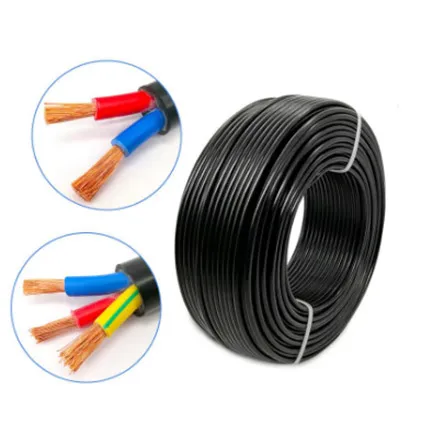
This is the main vertical artery – heavyweight cabling designed for maximum current carrying capacity. What makes it special isn't just the thick copper inside, but the custom-engineered insulation that provides exceptional fireproof capabilities. In modern installations, you'll find these armored cables capable of maintaining circuit integrity even at furnace-like temperatures exceeding 950°C.
Extending from the trunk like carefully placed tree branches, these smaller-diameter cables are the targeted power distributors. Each is precisely tuned to handle the electrical load for its designated section – whether that's powering three apartments or an entire office floor. The engineering here is all about right-sizing; no wasted capacity, no underpowered connections.
This is where the real wizardry happens. Picture a connection so seamless it's practically molecular – no vulnerable twisting wires, no problematic soldering points. Advanced systems use cold-pressure forming techniques where conductors fuse under extreme pressure, creating joints with lower resistance than the cables themselves. The insulation overlaps aren't just glued; they're molecularly bonded creating what engineers call a "virtual monolithic insulation system".
Behind every great cable system is an ensemble of unsung heroes: specialized hangers designed for vertical loads without deformation, color-coded identification sleeves that eliminate wiring errors, and protective conduits with smart-bend technology for navigating tight corners. These components turn good engineering into flawless execution on-site.
One of the most critical aspects – especially after tragic high-rise fires globally – is how cable systems behave in flames. Pre-branching offers three tailored safety approaches:
The Standard Performer (Ordinary Type) : Your reliable everyday solution with halogen-free materials that minimize toxic smoke production. They include self-extinguishing technology - cutting flame spread within seconds of fire removal.
The Fire Slower (Flame Retardant - ZR) : These cables aren't just resistant; they're fire fighters. Their secret sauce is special ceramic-based insulation that forms a heat-reflecting barrier at about 300°C. Testing shows they can reduce flame spread by up to 70% compared to conventional wiring.
The Fireproof Guardian (Fire Resistant - NH) : The superhero of cable systems. Designed to keep functioning even in inferno conditions, they feature mica-based tape barriers that maintain circuit integrity beyond 1000°C. Critical for emergency systems, these ensure fire alarms, emergency lighting, and firefighter elevators keep working when they're needed most.
So why has this approach revolutionized tall buildings worldwide? The advantages stack up faster than floors on a skyscraper:
Picture this construction scenario: Instead of electricians spending weeks crawling through shafts making connections, the pre-branched system arrives on giant reels. Installation becomes a matter of unspooling and securing – turning what was a month-long electrical process into about three days' work. For developers, that schedule compression isn't just convenient; it slashes holding costs by hundreds of thousands on major projects.
Traditional wiring systems need check-ups like an aging car – constantly monitoring junction boxes for loosened connections and corrosion. With pre-branched systems? Those vulnerabilities are eliminated at the manufacturing stage. Maintenance drops by about 80%, translating to quieter mechanical rooms and happier building accountants. And when something does need attention? Technicians love the color-coded systems that make tracing circuits intuitive rather than like solving a Rubik's cube blindfolded.
In crowded utility shafts, space is prime real estate. Old wiring methods required giant junction boxes every few floors – bulky obstacles wasting valuable square footage. Pre-branched systems collapse that footprint dramatically. Some installations use up to 65% less shaft space compared to conventional wiring methods. That reclaimed space allows for crucial airflow around cables, actually improving thermal performance and longevity.
Fire departments worldwide give these systems two thumbs up. The factory-sealed connections eliminate arcing risks – a leading cause of electrical fires in tall buildings. The consistent, thick insulation provides predictable performance under overload conditions. And in high-rises where evacuation times matter, fire-resistant models create critical safety margins that save lives.
While pre-branching was born for towers, its applications have exploded across modern infrastructure:
Smart Residential Complexes : Modern apartment buildings with hundreds of units benefit immensely from pre-configured systems. Consider a 40-story luxury apartment building where each branch connects five apartments with precise load balancing – eliminating flickering lights when neighbors run appliances simultaneously.
Healthcare Havens : In hospitals where power reliability equals lives saved, these systems provide mission-critical stability. Clean installation means less dust during construction – crucial when installing in sterile environments. And the reduced maintenance means no disruptive electrical work in operating wings.
Transportation Hubs : Next time you're rushing through a sprawling airport, notice the consistent lighting – even in remote concourses. That's often pre-branching at work. For subway systems buried deep underground, the waterproofing capabilities of these systems prevent corrosion disasters in humid tunnel environments.
Industrial Powerhouses : Massive factories with complex power distribution needs have embraced customized pre-branched solutions. One auto plant reduced electrical installation time by 60% while improving safety statistics dramatically.
Smart Cities Infrastructure : As urban centers add IoT devices everywhere from streetlights to traffic sensors, pre-branching offers the perfect backbone for low-voltage smart networks. Utilities increasingly adopt versions tailored for municipal lighting grids.
Installing these systems feels more like orchestrating a dance than traditional cable pulling:
Stage 1: Precision Planning - Laser scanning of building shafts creates millimeter-accurate digital twins that guide manufacturing
Stage 2: Factory Production - Components fabricated in controlled environments with integrated quality testing at 7 checkpoints
Stage 3: Just-in-Time Delivery - Systems arrive on giant reels with custom carts allowing vertical unspooling without damage
Stage 4: Simplified Installation - The plug-and-play approach: unspool, secure hangers every 4 feet, connect ends to switchgear
The simplicity is staggering: What took crews of 6 electricians three weeks now takes three technicians one week. Error rates on installations have plummeted to near zero because the system's intelligence is baked in at the factory rather than relying on perfect site execution every time.
The evolution continues as pre-branching embraces new technologies. Today's cutting-edge systems incorporate:
Smart Monitoring - Integrated sensors track temperature, load, and integrity 24/7 with AI predicting maintenance needs
Photovoltaic Integration - For eco-buildings, hybrid systems with solar input channels
Modular Flexibility - Future-proof designs allowing power upgrades without cable replacement
Material Science Breakthroughs - Graphene-enhanced conductors and self-healing insulation prototypes now being tested
The ultimate goal? Creating electrical infrastructure that works like our nervous system – seamless, self-monitoring, with flawless communication between endpoints. And as cities grow taller and smarter, pre-branching will continue to provide the robust, efficient foundation that modern power distribution demands.
As one veteran electrical engineer put it: "In 25 years of building towers, nothing has transformed my work like pre-branching systems. They turned our most complex task into our most predictable process – and for buildings that scrape the sky, that reliability is priceless." That sentiment captures why pre-branching isn't just technology – it's the next evolution in how we power our vertical world.
Recommend Products












