


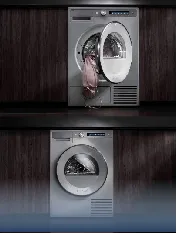
Picture this: you're racing home from work, suddenly remembering you forgot to start the laundry. Instead of stressing about rewearing tomorrow's shirt or sacrificing your evening to laundry duty, you pull out your phone and tap "Start Cycle." By the time you walk through your door, your clothes are freshly washed and ready for the dryer. This isn't science fiction – it's the reality offered by today's smart washing machines.
Decoding the Hype: What Makes a Washer "Smart"?
At its core, a smart washing machine is essentially a WiFi-enabled appliance that connects to your home network. But it's what this connection enables that transforms the laundry experience from a chore into something remarkably streamlined. Unlike traditional models, smart washers give you remote control through smartphone apps, offer real-time notifications, use advanced sensors to optimize performance, and can even integrate with other devices like Amazon Alexa or Google Home.
The Game-Changing Features Worth Your Attention
Let's cut through the marketing noise and examine which functions actually deliver real benefits:
- Fabric Whisperer Technology: Imagine your washer automatically detecting whether you've loaded cotton, synthetics, or delicates. High-end smart models do exactly this, adjusting water temperature, cycle duration, and spin speed based on fabric type and load weight.
- Remote Command Center: This is arguably the most practical feature. Whether you're stuck at work or lounging on vacation, you can start, pause, or customize cycles from anywhere. Forgot to toss in that last shirt? Some models even let you add items mid-cycle through specialty compartments.
- Eco-Warrior Mode: Smart washers are sustainability heroes. Their sensors detect load size to minimize water waste, and eco-modes optimize energy consumption. The delayed start function is perfect for running cycles during off-peak energy hours when electricity rates are lower - a clever money-saving trick.
- Dryer Handshake: The real magic happens when your smart washer communicates with compatible dryers. It shares load specifics so your dryer automatically selects optimal settings, preventing shrinkage and fabric damage. That favorite sweater survives another day!
- Stain Assassin: Some premium models feature advanced stain removal cycles powered by multi-phase washing technology. They combine specific temperatures, extended soak times, and specialized drum motions to tackle stubborn red wine or grass stains without pre-treatment.
- Sanitize Shield: Especially valuable for households with kids or allergies, these steam-based cycles use high temperatures to eliminate bacteria, viruses, and allergens - no harsh chemicals needed.
The Flip Side: Smart Features That Might Disappoint
For all their innovation, smart washers have limitations that manufacturers rarely highlight:
The Downside of High-Tech Laundry
- The Price Puzzle: Prepare for sticker shock. Smart washers typically cost $800-$1,500 compared to $300-$800 for traditional models. That premium can buy a lot of trips to the laundromat if you're budget-conscious.
- WiFi Woes: These machines completely depend on stable internet. If your connection falters, remote functions become unavailable and software updates fail. Rural users with spotty broadband should think twice.
- update Fatigue: Like your phone or computer, smart washers need regular firmware updates. While usually automatic, failed updates can cause malfunctions requiring technical support - a hassle you never had with "dumb" machines.
- Complexity Overload: For those who value simplicity, the learning curve might be frustrating. Grandma probably prefers straightforward knobs to navigating smartphone apps. As with any smart technology, building materials compatibility also influences connectivity reliability in home setups.
- Repair Roulette: Fixing complex electronics and software issues often requires specialized technicians and pricier parts. Traditional washers are generally cheaper and easier to repair.
Who Really Benefits? Matching Features to Lifestyle
Ideal users include:
- Busy professionals who often run late or forget chores
- Large families needing constant laundry coordination
- Tech lovers who enjoy home automation integration
- Eco-conscious households focused on reducing utility bills
- People with limited mobility who benefit from remote controls
- Allergy sufferers needing sanitization cycles
Better off with traditional washers:
- Budget-focused buyers who can't justify the premium
- Minimalists who prefer straightforward operation
- Rural residents with unreliable internet
- Occasional launderers with minimal weekly loads
- Renters who move frequently
Breaking Down the True Costs
| Feature | Smart Washer | Traditional Washer |
|---|---|---|
| Upfront Cost | $800-$1,500+ | $300-$800 |
| Remote Control | ️ | |
| Energy Monitoring | ️ | |
| Fabric Detection | ️ | |
| Dryer Synchronization | ️ (with compatible models) | |
| Estimated Annual Savings | 15-30% on utilities | 0-10% |
| Repair Costs | 20-50% higher | Standard |
Choosing Your Champion: Practical Considerations
When shopping, focus on these practical aspects:
- Must-Have Features: Identify which innovations actually align with your lifestyle. If you never add clothes mid-cycle, that feature shouldn't sway you.
- Connectivity Compatibility: Ensure the machine plays nice with your phone's OS and existing smart home setup to prevent future frustrations.
- Brand Reliability: Research repair frequency, warranty terms, and local technician availability. Some brands focus more on flashy tech than long-term durability.
- Real User Experiences: Ignore marketing claims and study detailed owner reviews about software stability, maintenance issues, and feature performance.
- Future-Proofing: Consider how long you'll keep the appliance and whether the technology might become obsolete. Standard models have longer functional lifespans.
The Verdict: Are Smart Features Worth It?
After weighing all evidence, here's the honest assessment:
Smart washing machines deliver genuinely valuable conveniences – particularly remote operation, energy savings, and automation – but only if those features match your actual lifestyle needs and justify the significant price premium. They're not universally "better" than traditional washers, just different.
The highest-value features are hands-down remote control, intelligent cycle optimization, and delayed start functions. These provide concrete time savings and utility reductions. More niche features like fabric recognition provide smaller quality-of-life improvements.
For most households, mid-range smart models ($800-$1,000) offer the best value compromise, avoiding unnecessary high-end features while delivering core conveniences. Only tech enthusiasts with specific needs should consider premium $1,200+ models.
Ultimately, the smart washer's worth comes down to your personal priorities. If chore optimization, energy conservation, and technological integration genuinely improve your quality of life, the investment makes sense. But if you're primarily concerned with reliability, simplicity, and cost efficiency, a traditional washer remains an excellent choice.
The smart laundry revolution is here, but it's not one-size-fits-all. Choose wisely based on what truly matters in your daily routine, not the flashy marketing claims. Your perfect washing machine – smart or traditional – is the one that quietly fades into your routine while consistently delivering fresh, clean clothes with minimum fuss.










