
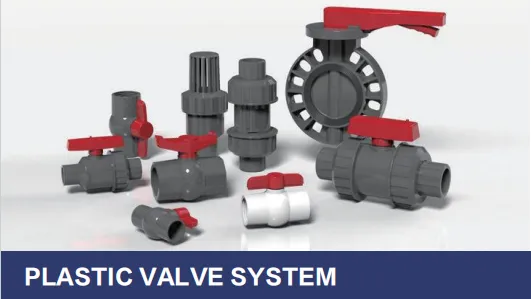
In the world of construction and infrastructure, the choice of piping and valve systems can make or break a project's efficiency, durability, and long-term performance. Among the most widely used materials are Polypropylene Random Copolymer (PPR) and Polyvinyl Chloride (PVC), each offering unique advantages tailored to specific applications. Whether you're a contractor, architect, or project manager, understanding the differences between these two systems is critical—and partnering with a trusted plastic valve system supplier can simplify the decision-making process. This article dives deep into PPR and PVC pipe and fitting solutions, exploring their properties, applications, and how to select the right one for your project.
Polypropylene Random Copolymer (PPR) is a thermoplastic polymer celebrated for its versatility and resilience. Unlike traditional plastics, PPR is engineered with a random molecular structure, which enhances its heat resistance, flexibility, and durability. For projects requiring reliable hot and cold water distribution, ppr pipe and fitting solutions have become the gold standard, trusted by engineers and contractors worldwide.
A reputable ppr pipe and fitting supplier will offer solutions tailored to diverse sectors:
Polyvinyl Chloride (PVC) is one of the most widely produced plastics globally, valued for its affordability, rigidity, and chemical resistance. Available in variants like Unplasticized PVC (UPVC) and PVC Drain-Waste-Vent (DWV), pvc dwv pipe supplier and upvc pipe supplier offerings cater to a broad range of low-pressure applications, from drainage to cold water distribution.
PVC solutions vary by formulation, each designed for specific uses:
| Parameter | PPR Pipes and Fittings | PVC Pipes and Fittings |
|---|---|---|
| Material | Polypropylene Random Copolymer | Polyvinyl Chloride (varies by type: UPVC, DWV) |
| Temperature Range | -10°C to 95°C (continuous); up to 110°C (short-term) | 0°C to 60°C (typical); not suitable for hot water |
| Pressure Rating | Higher (e.g., 10 bar at 20°C; 4 bar at 95°C) | Lower to moderate (varies by type; UPVC ~10 bar at 20°C) |
| Installation | Heat fusion (requires specialized tools); permanent, leak-proof joints | Solvent cement or rubber gaskets; simpler tools, faster installation |
| Cost | Higher upfront cost | Lower upfront cost |
| Lifespan | 50+ years (under standard conditions) | 30–50 years (depends on environment) |
| Primary Applications | Hot/cold water systems, radiant heating, solar thermal | Drainage, cold water supply, irrigation, venting |
Opt for ppr pipe and fitting solutions when your project involves:
PVC is the better choice for:
Choosing between PPR and PVC is only half the battle—partnering with a trusted plastic valve system supplier ensures you get high-quality products, expert guidance, and tailored solutions. Here's what to look for in a supplier:
For example, a ppr pipe and fitting supplier specializing in residential projects might offer customized lengths and fittings to reduce waste, while a plastic valve system supplier catering to industrial clients could provide specialized valves for chemical resistance.
A high-end residential project in Riyadh required hot water systems for 200+ apartments, along with underfloor heating. The contractor partnered with a ppr pipe and fitting supplier to install PPR pipes, citing their heat resistance and leak-proof joints. The result: Consistent hot water flow, minimal heat loss, and zero maintenance issues in the first five years.
A 10-story shopping mall in Dubai needed an efficient drainage system to handle high wastewater volumes. A pvc dwv pipe supplier provided lightweight, corrosion-resistant PVC DWV pipes, which were installed quickly and cost-effectively. The system has operated flawlessly for over a decade, with no clogs or structural issues.
PPR and PVC pipe and fitting solutions each have distinct strengths, and the "better" option depends on your project's specific needs. PPR excels in hot water, high-pressure, and hygiene-critical applications, while PVC is ideal for cold water, drainage, and budget-sensitive projects. By partnering with a knowledgeable plastic valve system supplier —one that offers both ppr pipe and fitting solutions and PVC options—you can ensure your project is equipped with a reliable, long-lasting piping system that meets all technical and budgetary requirements. Remember, the right choice today prevents costly repairs tomorrow.
Recommend Products












