
Imagine walking into your kitchen on a Monday morning, ready to start your day with a hot cup of coffee. You turn on the faucet, and instead of a steady stream of water, you hear a faint drip… then a trickle. You kneel under the sink, and there it is: a small pool of water spreading across the cabinet floor, soaking into the wood. Panic sets in—not just because of the mess, but because you know this is just the tip of the iceberg. That leak? It's probably been happening for weeks, hidden behind the walls, slowly damaging your home's structure. Sound familiar? For many homeowners, contractors, and building managers, plumbing issues like this are a nightmare. And more often than not, the root cause can be traced back to one critical decision: the type of pipes chosen for the job.
In the world of plumbing, two materials dominate the conversation: PPR (Polypropylene Random Copolymer) and PVC (Polyvinyl Chloride). Walk into any hardware store or chat with a supplier, and you'll hear terms like "uPVC," "DWV," "pressure rating," and "fusion welding" thrown around like second nature. But for someone who's not knee-deep in pipe specifications every day, it's easy to feel overwhelmed. Which one is better? When should you choose PVC over PPR? And why does everyone keep the importance of working with a specialized ppr pipe and fitting supplier?
Today, we're diving deep into the PPR vs. PVC debate—no jargon, no sales pitches, just honest talk about what each material brings to the table. We'll explore real-world scenarios where one outperforms the other, break down the hidden costs of cutting corners, and most importantly, explain why partnering with a specialized ppr pipe and fitting supplier isn't just a "nice-to-have"—it's the difference between a plumbing system that lasts 50 years and one that starts failing before the paint dries on your new walls.
Let's start with the basics. Both PPR and PVC are plastic pipes, but that's where the similarities end. Think of them as distant cousins in the plumbing family—related, but with very different personalities and skill sets.
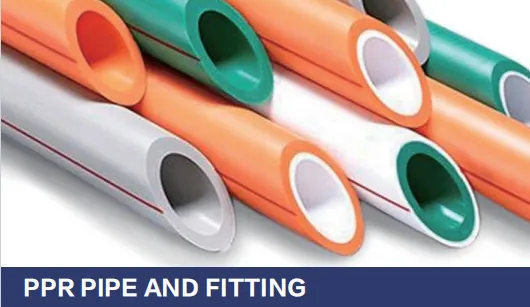
PPR Pipes: Short for Polypropylene Random Copolymer, PPR is a type of plastic pipe that's been gaining popularity over the last two decades, and for good reason. Imagine a material that's flexible enough to bend without cracking, tough enough to handle high water pressure, and resistant to the kind of heat that would make other pipes warp. That's PPR. It's made by blending polypropylene with other polymers, creating a pipe that's both strong and surprisingly adaptable. PPR pipes are most commonly used for hot and cold water supply systems—think your home's main water lines, kitchen faucets, bathroom showers, and even underfloor heating systems. What really sets PPR apart, though, is how it's installed: instead of using glue or threaded connections (which are prone to leaks), PPR pipes are joined using heat fusion welding . This process melts the ends of the pipes and fittings together, creating a seamless, leak-proof bond that's as strong as the pipe itself. No more worrying about loose connections or corrosion eating away at joints.
PVC Pipes: PVC, on the other hand, is the old reliable of the plumbing world. You've probably seen it in your home's drain pipes, the ones that carry away wastewater from sinks, showers, and toilets. PVC is a rigid, lightweight plastic that's been around since the 1930s, and it's beloved for its affordability and versatility. But here's the catch: not all PVC pipes are created equal. There's uPVC (unplasticized PVC), which is stiff and used for pressure applications like cold water supply lines (think your garden hose or outdoor faucets). Then there's DWV (Drain, Waste, Vent) PVC, which is thinner, less rigid, and designed only for non-pressure systems—like carrying sewage or rainwater away from a building. Walk into a pvc dwv pipe supplier's warehouse, and you'll notice these pipes have larger diameters and smooth interiors to prevent clogs. But while PVC is great for certain jobs, it has a Achilles' heel: heat. Expose standard PVC to hot water (above 60°C/140°F), and it starts to soften, warp, and lose its structural integrity. That's why you'll never find PVC in a home's hot water lines.
To really understand the difference between PPR and PVC, let's put them head-to-head. Below is a breakdown of how they stack up in key categories that matter most to homeowners, contractors, and project managers. Whether you're building a new home, renovating a commercial space, or just replacing old pipes, these are the factors that will make or break your plumbing system's performance.
| Category | PPR Pipes | PVC Pipes (uPVC/DWV) |
|---|---|---|
| Temperature Resistance | Handles hot water up to 95°C (203°F) continuously; short-term peaks up to 110°C (230°F). Ideal for hot water supply, underfloor heating, and solar systems. | uPVC: Limited to cold water (max 45°C/113°F). DWV: Not designed for hot liquids—warps at 60°C (140°F). Risk of cracking in freezing temperatures if water is trapped inside. |
| Pressure Handling | High pressure rating (PN10 to PN25, meaning 10-25 bar). Suitable for both residential (1-3 bar) and commercial (up to 16 bar) systems. | uPVC: Moderate pressure (PN6 to PN16), but drops significantly with temperature. DWV: No pressure rating—only for gravity-fed systems (e.g., drains). |
| Jointing Method | Heat fusion welding: Pipes and fittings are melted together at 260°C, creating a seamless, leak-proof bond that's as strong as the pipe itself. No glue, no gaskets, no risk of loosening over time. | Solvent cement (glue) or rubber gaskets: Glue can degrade with age; gaskets may loosen due to vibration or temperature changes. Joints are the weakest point. |
| Durability & Lifespan | 50+ years of service life under normal conditions. Resistant to corrosion, scale buildup, and chemical degradation (e.g., chlorine in tap water). | uPVC: 25-30 years. DWV: 20-25 years. Prone to brittleness over time, especially when exposed to sunlight or harsh chemicals. |
| Flexibility | Semi-flexible: Can bend slightly without cracking, making it easier to install around corners or in tight spaces. Reduces the need for elbow fittings. | Rigid: No flexibility—requires precise measurements and multiple fittings (elbows, tees) to navigate turns. Prone to cracking if bent or dropped. |
| Cost | Initial cost is 20-30% higher than PVC. But lower long-term maintenance and replacement costs make it more cost-effective over time. | 30-50% cheaper upfront. But higher risk of leaks, repairs, and early replacement (especially in hot water or high-pressure applications). |
| Environmental Impact | 100% recyclable; no toxic chemicals released during production or use. Lead-free and safe for drinking water. | Recyclable, but production involves chlorine (a toxic chemical). Some older PVC pipes may contain lead-based stabilizers (banned in most countries now). |
At first glance, PVC might seem like the obvious choice—after all, who doesn't love saving money upfront? But here's the thing: plumbing isn't a "set it and forget it" project. A pipe that costs $10 less today could end up costing you $10,000 in repairs tomorrow if it fails. For example, a hotel in Riyadh once cut costs by using uPVC pipes in its hot water system. Within two years, guests started complaining about low water pressure. An inspection revealed the pipes had warped and narrowed, restricting flow. The hotel had to shut down floors for weeks to replace the entire system—costing them hundreds of thousands in lost revenue and repairs. Had they invested in PPR from the start, that nightmare could have been avoided.
Before we sing PPR's praises too loudly, let's be clear: PVC has its place. In fact, there are scenarios where choosing PVC is not just smart—it's the only logical choice. For example, if you're working on a tight budget and installing a non-pressure system (like a rain gutter or sewage line), DWV PVC is hard to beat. Walk into any pvc dwv pipe supplier's showroom, and you'll see why: these pipes are lightweight, easy to cut, and affordable. They're also great for outdoor projects where temperature fluctuations are minimal, like garden irrigation or drainage systems.
uPVC pipes, too, have their niche. If you're building a temporary structure (like a construction site office) or a low-traffic area (like a storage shed) that only needs cold water, uPVC is a practical option. It's also widely used in rural areas for well water systems, where the water is cold and the pressure is low. In these cases, the upfront cost savings of uPVC outweigh the long-term benefits of PPR. But here's the golden rule: never use PVC in hot water lines, high-pressure systems, or areas where durability is non-negotiable (like hospitals, schools, or high-rise buildings). The risk of failure is simply too high.
Real Story: The Contractor Who Learned the Hard Way
Ahmed, a contractor in Jeddah, once took on a residential project where the homeowner insisted on using uPVC for the entire plumbing system to save money. "He kept saying, 'Why pay more for PPR? PVC works fine!'" Ahmed recalls. "I warned him about the hot water lines, but he wouldn't budge." Six months after the home was completed, the homeowner called in a panic: the master bathroom's hot water pipe had burst, flooding the bedroom and damaging the hardwood floors. "The pipe had softened so much that the weight of the water caused it to split," Ahmed says. "We had to tear open the walls, replace all the hot water lines with PPR, and repair the water damage. The homeowner ended up paying twice as much as he would have if he'd chosen PPR from the start. Lesson learned: you can't put a price on peace of mind."
So, you've decided PPR is the way to go. Great choice! But here's another critical decision: where you buy your PPR pipes and fittings. Not all suppliers are created equal. Walk into a generic hardware store, and you might find PPR pipes on the shelf next to paint cans and power tools. But those pipes? They're often mass-produced, with little oversight on quality control. They might meet the minimum standards on paper, but when push comes to shove—when the water is hot, the pressure is high, and the system is put to the test—they'll fail. That's why partnering with a specialized ppr pipe and fitting supplier is the single most important step you can take to ensure your plumbing system's success.
A specialized supplier isn't just someone who sells pipes. They're experts in PPR technology, with years of experience helping clients navigate the complexities of plumbing systems. They understand the nuances of different PPR grades, the importance of proper fitting selection, and the critical role of installation techniques. Here's why they matter:
PPR pipes are made by blending polypropylene with other polymers, but the ratio, the quality of raw materials, and the manufacturing process vary wildly between brands. A specialized ppr pipe and fitting supplier works directly with reputable manufacturers who use virgin (not recycled) materials and adhere to strict quality standards (like ISO 9001 or DIN 8077/8078). They'll also have the pipes tested regularly for pressure resistance, temperature tolerance, and chemical stability. Generic suppliers, on the other hand, often source from the cheapest manufacturers, cutting corners on material quality to boost profits. The result? Pipes that look the part but lack the structural integrity to stand up to real-world use.
For example, low-quality PPR pipes often contain fillers (like calcium carbonate) to reduce costs. These fillers make the pipes brittle, increasing the risk of cracking during installation or under pressure. A specialized supplier will never compromise on this—they know that a single faulty pipe can ruin their reputation. That's why they're happy to share test reports, certifications, and material samples with clients. As one supplier in Riyadh puts it: "We don't just sell pipes. We sell peace of mind. And peace of mind starts with knowing every product we deliver is built to last."
Installing PPR pipes isn't as simple as cutting and gluing. It requires specialized tools (like fusion welders) and technical know-how. A slight miscalculation in temperature or pressure during welding can create weak joints that leak months or years later. That's where a specialized ppr pipe and fitting supplier shines. They don't just hand you a box of pipes and send you on your way—they provide training, guidance, and on-site support. Many suppliers even offer free workshops for contractors to learn proper fusion welding techniques. "When we started using PPR, we were nervous about the welding process," says Maria, a project manager at a construction company in Dubai. "Our supplier sent a technician to our site for three days to train our team. Now, our installers are pros—no more leaks, no more callbacks."
Specialized suppliers also understand the unique challenges of different projects. For example, a hospital in Riyadh needed PPR pipes that could withstand frequent temperature fluctuations (from hot water for sterilization to cold water for patient care). The supplier recommended a high-grade PPR with enhanced thermal stability and provided custom fittings to connect the pipes to medical equipment. "They didn't just sell us a product—they solved a problem," the hospital's facilities manager notes. "That's the difference between a supplier and a partner."
Every project is unique. A 50-story skyscraper has different plumbing needs than a small villa. A hospital requires pipes that are bacteria-resistant, while a hotel needs systems that can handle high water pressure during peak hours. A generic supplier might offer one or two PPR pipe sizes and a handful of fittings. But a specialized ppr pipe and fitting supplier? They offer solutions , not just products. Need a custom pipe length for a tight space? They can cut it to size. Looking for fittings that work with your existing metal pipes? They have adapters. Working on a green building project and need eco-friendly materials? They'll source PPR made from recycled materials (without compromising quality).
Take, for example, a luxury hotel in Doha that wanted to install a rainwater harvesting system. The system needed to collect rainwater from the roof, filter it, and distribute it to the hotel's gardens and laundry facilities. The hotel's engineer approached a specialized PPR supplier with the challenge: the pipes would need to handle both cold rainwater and occasional surges in pressure. The supplier designed a custom system using PN25 PPR pipes (for high pressure) and added UV-resistant coatings to protect against sunlight. Today, the system saves the hotel over 30% on water bills—and it's still running flawlessly five years later.
Plumbing problems don't happen on a schedule. A pipe could start leaking at 2 a.m. on a weekend, or a fitting could fail during a major event. When that happens, you need a supplier who answers the phone, not an automated message. Specialized ppr pipe and fitting suppliers pride themselves on their after-sales service. They offer warranties (often 10-20 years) on their products, and they stand behind their work. If a pipe fails due to a manufacturing defect, they'll replace it—no questions asked. Generic suppliers, on the other hand, often disappear once the sale is made. "We had a leak in a PPR pipe six years after installation," says John, a homeowner in Abu Dhabi. "I called the supplier, and they sent a technician within hours. Turned out the pipe had a tiny defect in the manufacturing. They replaced the entire section for free and even checked the rest of the system. You won't get that from a big-box store."
Now that you know why specialized PPR suppliers are so important, how do you find one? Not all companies that claim to be "specialized" actually deliver on the promise. Here are five red flags to watch out for—and five signs that you've found a keeper:
Red Flag #1: They Can't Explain Their Products. If a supplier stumbles when asked about temperature ratings, pressure limits, or welding techniques, run. A knowledgeable supplier should be able to explain the ins and outs of their products in plain language.
Red Flag #2: No Certifications. Reputable PPR suppliers will have certifications from organizations like ISO, SGS, or local authorities (like the Saudi Standards, Metrology and Quality Organization). If they can't produce these documents, walk away.
Red Flag #3: Limited Product Range. A supplier who only offers one type of PPR pipe or a handful of fittings isn't invested in your success. Look for suppliers with a wide range of sizes, grades, and accessories.
Green Flag #1: They Ask Questions. A good supplier will want to know about your project: What's the application? What's the water temperature? What's the pressure rating? They'll tailor their recommendations to your specific needs, not just push the most expensive product.
Green Flag #2: They Offer Training. If a supplier provides free or low-cost training on PPR installation, that's a sign they care about your success. It shows they want to ensure the pipes are installed correctly—reducing the risk of callbacks.
Green Flag #3: Longevity in the Industry. A supplier who's been in business for 10+ years has weathered market changes and built a reputation. Check online reviews, ask for references, and talk to other contractors about their experiences.
At the end of the day, choosing between PPR and PVC comes down to one question: What are your priorities? If you want a plumbing system that's durable, heat-resistant, and low-maintenance—one that will last for decades without leaks or repairs—PPR is the clear winner. And when it comes to PPR, cutting corners on the supplier is just as risky as choosing the wrong material. A specialized ppr pipe and fitting supplier isn't just a vendor—they're a partner in your project's success. They bring expertise, quality, and peace of mind that generic suppliers can't match.
So the next time you're planning a plumbing project, remember the homeowner with the leak under the sink, the hotel that had to shut down floors, and the contractor who learned the hard way. Don't let your project become a cautionary tale. Invest in PPR, and partner with a supplier who knows their stuff. Your wallet, your peace of mind, and the future of your building will thank you.
After all, plumbing might be the silent backbone of your building—but when it's done right, it should stay silent. No leaks, no repairs, no stress. Just water flowing where it should, when it should. And that's a promise only a specialized ppr pipe and fitting supplier can deliver.
Recommend Products












