
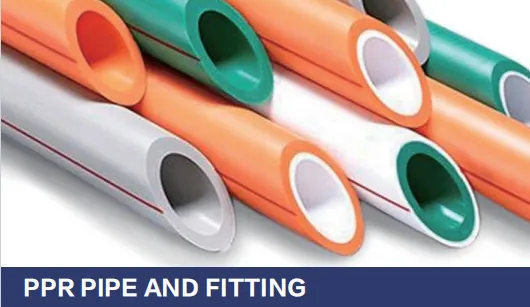
In the world of construction and plumbing, the reliability of a building's water supply system hinges on countless details—none more critical than the joints connecting its pipes. For decades, PPR (Polypropylene Random Copolymer) pipes have stood out as a cornerstone of modern plumbing, prized for their durability, heat resistance, and long-term performance in both residential and commercial settings. As a trusted ppr pipe and fitting supplier with years of experience serving projects across Saudi Arabia and beyond, we've witnessed firsthand how proper jointing techniques can make or break a plumbing system. A single poorly executed joint can lead to leaks, pressure loss, mold growth, and even structural damage, turning a minor oversight into a costly disaster. In this guide, we'll share expert insights into PPR pipe jointing—breaking down the techniques, common pitfalls, and pro tips that our team of engineers and technicians rely on to deliver robust ppr pipe and fitting solutions for every project.
Before diving into jointing techniques, it's essential to understand why PPR pipes have become a go-to for plumbers, architects, and contractors worldwide. Unlike traditional metal pipes or even rigid plastics like UPVC, PPR offers a unique blend of flexibility and strength. Its molecular structure, formed by copolymerizing polypropylene with ethylene, creates a material that resists corrosion, chemical degradation, and high temperatures—making it ideal for both hot and cold water systems. PPR pipes also boast smooth inner walls, which minimize flow resistance and reduce the risk of scale buildup over time. For homeowners and facility managers, this translates to lower maintenance costs and a longer system lifespan.
As a ppr pipe and fitting supplier , we often field questions about how PPR stacks up against alternatives like PEX (cross-linked polyethylene) or copper. While PEX, offered by many pex pipe and fitting supplier partners, is known for its flexibility and ease of installation in tight spaces, PPR's fusion-based joints create a seamless, homogeneous connection that eliminates the risk of leaks due to loosened crimps or clamps. Copper, though durable, is prone to corrosion in aggressive water conditions and requires skilled soldering—a process that carries fire risks and higher labor costs. PPR, by contrast, offers a balance of affordability, reliability, and versatility that's hard to match.
At the heart of any PPR plumbing system lies its joints. Unlike threaded connections (common in metal pipes) or solvent-based bonds (used in UPVC), PPR joints rely on heat fusion—a process that melts the pipe and fitting surfaces, fusing them into a single, monolithic structure. When done correctly, this creates a joint that's as strong as the pipe itself, with no weak points or gaps for water to escape. However, achieving this level of precision requires strict adherence to best practices, from tool calibration to timing and pressure application.
One of the most common misconceptions we encounter as a ppr pipe and fitting supplier is the idea that "close enough" is sufficient for jointing. In reality, even minor errors—like underheating the pipe, misaligning the fitting, or rushing the cooling process—can compromise the joint's integrity. For example, underheating may result in a partial bond that fails under pressure, while overheating can cause the material to degrade, leading to blockages or brittleness. That's why our ppr pipe and fitting solutions always include not just high-quality pipes and fittings, but also detailed guidelines and on-site support to ensure installers get the joints right the first time.
While there are several methods for joining PPR pipes, two techniques dominate the industry: socket fusion and electrofusion. Each has its own advantages, tools, and applications, and understanding when to use each is key to a successful installation.
Socket fusion is the most widely used method for PPR pipes, favored for its simplicity, cost-effectiveness, and suitability for most residential and light commercial projects. The process involves heating the outer surface of the pipe and the inner surface of the fitting simultaneously using a socket fusion tool—a device with heated metal molds shaped to match the pipe and fitting dimensions. Once the surfaces reach the optimal temperature (typically 260°C for PPR), they're removed from the tool and pushed together with steady pressure, forming a tight seal as the material cools and solidifies.
Let's break down the steps in detail:
Pro Tip: Always test the fit of the pipe and fitting before heating. A loose or tight fit may indicate mismatched sizes or defective components—both red flags that should be addressed before fusion. Our ppr pipe and fitting solutions include precision-machined fittings designed to mate perfectly with our pipes, minimizing compatibility issues.
While socket fusion works well for small to medium-diameter pipes (up to 110mm), electrofusion is the method of choice for larger pipes, underground installations, or joints that require extreme precision. Electrofusion fittings feature built-in heating elements (usually nichrome wires) that are activated by an electric current, melting the inner surface of the fitting and the outer surface of the pipe from the inside out. This creates a uniform, high-integrity joint without the need for external heating tools, making it ideal for tight spaces or projects where socket fusion tools can't reach.
The electrofusion process involves a few key differences from socket fusion:
To help you choose the right method for your project, we've compiled a comparison of socket fusion and electrofusion, based on our experience as a ppr pipe and fitting supplier :
| Aspect | Socket Fusion | Electrofusion |
|---|---|---|
| Suitable Pipe Sizes | 20mm–110mm (standard); up to 160mm with specialized tools | 63mm–630mm (ideal for large-diameter pipes) |
| Tools Required | Socket fusion machine with interchangeable molds, pipe cutter, deburring tool | Electrofusion machine, scraping tool, clamps, cable connectors |
| Installation Speed | Faster for small pipes (5–15 min per joint, including cooling) | Slower due to longer heating/cooling cycles (15–45 min per joint) |
| Skill Level Needed | Moderate; requires steady hands and timing precision | Lower; automated process reduces human error |
| Cost | Lower upfront tooling costs; affordable for small-scale projects | Higher initial investment in electrofusion machine and fittings |
| Best For | Residential plumbing, small commercial projects, above-ground installations | Underground pipes, large commercial/industrial systems, tight spaces |
Even with the right techniques, jointing PPR pipes can go wrong if installers overlook critical details. Over the years, our team has encountered countless cases where simple mistakes led to system failures. Here are the most frequent culprits—and how to steer clear of them:
One of the biggest enemies of a strong PPR joint is temperature variability. A socket fusion tool that's too cold won't melt the material enough, resulting in a weak bond that cracks under pressure. Conversely, overheating causes the plastic to degrade, creating brittle, porous joints prone to leaks. To avoid this, always calibrate your tools before each job—most manufacturers recommend annual professional calibration, but we advise monthly checks for high-volume projects. Investing in a tool with a digital temperature control and alarm system (which alerts you if heat drops below or exceeds the set range) can save you from costly mistakes.
Dust, grease, or oxidation on the pipe or fitting surface acts as a barrier, preventing proper fusion. We've seen joints fail because installers skipped deburring or used a dirty cloth to clean components. Make it a rule: always deburr both inner and outer pipe edges, scrape electrofusion fittings to remove oxidation, and use a new, lint-free cloth for each cleaning. For jobsite environments with heavy dust (e.g., renovation sites), consider using a temporary plastic cover over cut pipes until they're ready to be fused.
It's tempting to move on to the next joint as soon as you've fused the pipe and fitting, but patience is critical here. PPR needs time to re-solidify, and disturbing the joint during cooling—even slightly—can create micro-cracks that expand over time. As a general rule, allow 1 minute of cooling per 10mm of pipe diameter (e.g., 3 minutes for a 32mm pipe). In cold weather, extend cooling times by 50% to account for faster heat loss.
Not all PPR pipes and fittings are created equal. Even if two products claim to meet the same standards, slight variations in material composition or dimensions can lead to poor fusion. As a ppr pipe and fitting supplier , we always recommend using pipes and fittings from the same manufacturer. Our ppr pipe and fitting solutions are engineered as a system, with fittings precision-machined to match our pipes' outer diameters and wall thicknesses—eliminating compatibility issues.
Beyond the basics, our team of in-house engineers and field technicians have developed a toolkit of pro tips to ensure jointing success, even in challenging conditions. Here are their top recommendations:
A cheap socket fusion tool might save you money upfront, but it will cost you in failed joints and rework. Look for tools with ergonomic handles, durable heating elements, and replaceable molds (to avoid replacing the entire tool when molds wear out). After each use, clean molds with a brass brush to remove plastic residue—buildup can insulate the mold, leading to uneven heating. Store tools in a dry case to prevent rust, and replace damaged cords immediately to avoid electrical hazards.
Even the best tools are useless in untrained hands. We offer free workshops for contractors using our ppr pipe and fitting solutions , covering everything from tool setup to hands-on fusion practice. During training, we often run "stress tests" on joints—subjecting them to pressure, bending, and temperature cycles—to show installers the difference between a good and bad fusion. For teams new to PPR, start with small-diameter pipes (20mm–32mm) before moving to larger sizes, and always have a senior technician supervise the first few joints on a new project.
In commercial projects or critical systems (e.g., hospitals, schools), traceability is key. Keep a log of each joint, noting the date, installer, pipe/fitting batch numbers, tool temperature, and heating/cooling times. This not only helps troubleshoot issues if they arise but also provides peace of mind during inspections. For large projects, consider using barcode scanners to link joint data to digital blueprints—making it easy to locate specific joints during maintenance.
Weather and worksite conditions can impact fusion quality. In hot, sunny environments, pipes left in direct sunlight may preheat, reducing the required heating time. In cold or windy conditions, heat loss accelerates, so keep pipes and tools sheltered and extend heating times by 10–20%. For underground joints, ensure the trench is dry and free of debris, and insulate the joint during cooling to prevent rapid temperature drops.
Even with careful planning, issues can arise. Here's how to identify and resolve the most common joint problems:
Cause: Most often due to underheating, misalignment, or contamination. Solution: If the leak is small and detected immediately after fusion, you may be able to reheat the joint (within 10 minutes of initial fusion) and realign. For older joints, the only fix is to cut out the defective section and re-fuse new pipe and fittings. Never attempt to seal a leak with tape or sealant—this is a temporary fix that will fail under pressure.
Cause: Overheating can cause melted plastic to drip or bulge into the pipe's inner diameter, restricting flow. Solution: Cut the joint and inspect the inner surface. If blockage is minor, use a pipe reamer to clear it; if severe, replace the section. To prevent this, avoid overheating and ensure the pipe and fitting are fully inserted into the mold during heating.
Cause: Overheating or using low-quality, recycled PPR material. Solution: replace the joint immediately—brittle joints will crack under normal pressure. Always source pipes and fittings from a reputable ppr pipe and fitting supplier to ensure material quality.
At the end of the day, PPR pipe jointing is more than a technical task—it's a commitment to quality that impacts the safety, efficiency, and longevity of a building's most vital systems. As a leading ppr pipe and fitting supplier , we believe that the best ppr pipe and fitting solutions combine high-quality materials with expert craftsmanship. By mastering the techniques outlined here—from socket and electrofusion to surface preparation and troubleshooting—you can ensure that every joint in your plumbing system is as strong as the pipes themselves.
Whether you're working on a luxury villa, a commercial high-rise, or a hospital, remember: the success of your project lies in the details. Invest in training, use calibrated tools, and never cut corners on joint preparation. And when in doubt, lean on your supplier—we're here not just to provide pipes and fittings, but to partner with you in building systems that stand the test of time.
Recommend Products












