
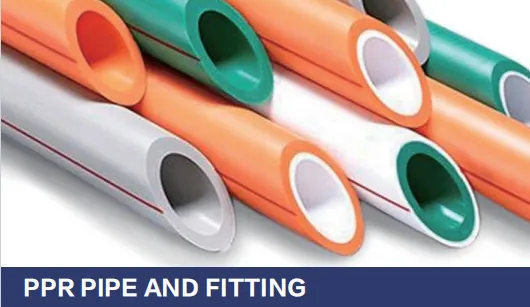
Hey there! If you're planning a plumbing project or just curious about pipe systems, you've probably heard about PPR pipes. But let's be honest - the real magic happens with the water supply fittings that connect everything together. Like puzzle pieces for your plumbing, these little components determine whether your system flows smoothly or springs leaks down the road.
Today, we're diving into the world of PPR fittings - those unsung heroes behind every great piping system. I'll walk you through 15 essential types that make modern plumbing possible, explain what makes each special, and share why getting these right matters so much for your hot showers and leak-free ceilings!
Before we meet the fittings lineup, let's talk about matching them to your project. Not all connections are created equal! Ask yourself:
Is this for steaming hot showers or garden irrigation? Temperature and pressure needs vary wildly. Industrial setups especially need tough cookies that can handle high-pressure demands.
Like mixing oil and water, mismatched sizes or materials cause headaches. Always check your fittings are BFFs with your pipes diameter-wise and material-wise.
Will your plumbing take sharp turns or split into branches? Direction changes and junctions need specialized fittings - elbows for corners, tees for forks in the road.
Don't get fooled by shiny knock-offs! Certified fittings with industry stamps (look for ISO marks) save you from expensive do-overs when leaks spring up.
Getting these factors right? That's how you build a plumbing system that gives you peaceful nights instead of panic attacks at 2 AM!
Think of couplings as plumbing's handshake - they join two pipe ends in perfect harmony. These simple sleeves create seamless bonds that handle both hot and cold duties without breaking a sweat.
Why plumbers love them: Quick installations, zero leaks even under pressure, and they keep pipes aligned like train tracks.
Inside scoop: Made from super-tough polypropylene copolymer, fusion-welded to become one with your pipes.
When pipes need to take corners like race cars, elbows save the day. They come in 90-degree sharp turns or gentle 45-degree slopes, letting you navigate around obstacles without kinks or pressure drops.
Why plumbers love them: Super smooth interior surfaces keep water flowing freely while resisting corrosion better than metal alternatives.
Meet the ultimate multitasker! Whether you're splitting main lines into branches or downsizing pipes mid-stream (reducing tees), Ts make plumbing networks possible without pressure hiccups.
Why plumbers love them: Creates expansion points for future additions while handling high-pressure flows like a champ.
These little helmets protect unused pipe ends from dust bunnies and moisture. Essential for temporary system closures or keeping future expansion points pristine.
Why plumbers love them: They're your pipe's personal bodyguards against contamination and unexpected leaks in dormant sections.
When big pipes meet small pipes, chaos ensues - unless you've got reducers! These tapered fittings ensure smooth transitions between different diameters.
Why plumbers love them: Eliminates pressure drops at size-change points, whether in homes or factories.
Imagine needing to replace a section without tearing apart your entire system - that's where unions shine. Their threaded design lets you disconnect pipelines on-demand.
Why plumbers love them: The HVAC equivalent of Velcro - quick release for maintenance without complete reworks.
For complex networks where flows need to divide into four directions simultaneously. These four-way junctions distribute water evenly in commercial buildings or multi-unit systems.
Why plumbers love them: Reduces system stress by balancing flows and preventing turbulence.
Caps' handy cousins with screw-on convenience. Twist them on for temporary closures that can be reused endlessly - perfect for staged construction projects.
Why plumbers love them: Dependable high-pressure sealing that doesn't quit after multiple uses.
The permanent solution specialists. Using heat fusion, they create unbreakable bonds between pipes that literally fuse into single continuous pieces.
Why plumbers love them: Creates zero weak points and handles thermal expansion beautifully - no adhesives needed!
Your universal translator between PPR and metal systems. With brass threading inside, they let PPR pipes connect with traditional valves or fixtures.
Why plumbers love them: Creates durable bridges between different plumbing worlds without compromise.
The counterpart to their female siblings - external threading lets PPR pipes screw directly into existing metal components.
Why plumbers love them: Seamless integration points with brass-reinforced strength where systems intersect.
The gatekeeper of your plumbing! With a simple lever turn, these valves can instantly stop or control water flow. Essential for maintenance shutdowns.
Why plumbers love them: Smooth operation that lasts for decades with minimal upkeep - no drippy handles here!
The quick-and-clean solution for adding new lines to existing pipes. No pipe cutting required - just clamp on and connect!
Why plumbers love them: Revolutionary for renovations - create new branches without dismantling entire systems.
Prevent disastrous backflows with these directional sentries. Automatically block reverse flows that could contaminate clean water.
Why plumbers love them: Silent, self-operating protectors crucial for drinking water safety and fire systems.
For major industrial connections where PPR meets large piping systems. These bolt-on interfaces provide rock-solid joining points.
Why plumbers love them: The muscle for high-pressure industrial jobs with reliable bolt-secured bonds.
Whether you're fixing a leaky sink or designing a commercial building's plumbing backbone, choosing the right fittings makes all the difference in the world. Each type brings unique strengths to solve specific plumbing challenges while ensuring efficient water supply where and when you need it.
Remember—PPR fittings aren't just connectors; they're the unsung heroes preventing floods in our ceilings and cold showers on winter mornings. For those seeking certified components, international standards like ISO certification remain the gold standard—they're what separates trouble-free systems from plumbing nightmares.
With these 15 fittings in your toolkit, your next plumbing project won't just hold water—it'll flow with confidence for years to come!
Recommend Products












