
Let's start with a scenario we've all heard (or lived through): A construction project manager, juggling 10 tasks at once, stares at their phone in frustration. The plumber just texted—they need PPR pipes by tomorrow, but the supplier they ordered from is backed up. Meanwhile, the electrician is asking about PVC pipes for wiring, and the flooring team is waiting on granite samples. Sound familiar? In the world of building and renovation, sourcing materials can feel like herding cats. Too many suppliers, too many delays, and too much stress. But what if there was a better way? What if you could stop coordinating with a dozen vendors and instead work with a single partner who understands your project from foundation to finish? That's where a trusted PPR pipe and fitting supplier steps in—not just as a vendor, but as a turnkey solution for all your building material needs.
If you've ever managed a residential or commercial project, you know the drill. You need pipes for plumbing, cladding for walls, flooring for spaces, and fixtures for bathrooms—each from a different supplier. One supplier delivers late, another sends the wrong size, and suddenly your timeline is derailed. It's not just about the materials themselves; it's about the time and energy spent vetting vendors, chasing deliveries, and resolving quality issues. For small contractors and large firms alike, this fragmentation eats into profits and peace of mind.
Residential projects, like a new housing development or a home renovation, often demand a mix of materials that balance aesthetics, durability, and cost. Commercial projects, such as hospitals or office buildings, add even more layers—strict fire safety codes, heavy-duty performance requirements, and large-scale orders. Trying to source all of this from separate suppliers? It's a recipe for burnout. This is where the value of a one-stop architectural solution provider becomes clear. It's not just about selling pipes or panels; it's about simplifying your workflow so you can focus on what you do best: building.
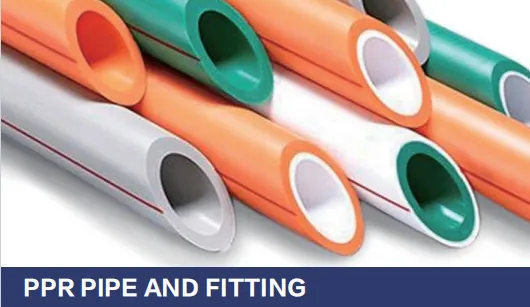
Let's zoom in on PPR pipes for a minute—they're the unsung heroes of modern plumbing, and for good reason. Unlike older materials like galvanized steel (prone to rust) or copper (expensive and tricky to install), PPR (Polypropylene Random Copolymer) pipes are lightweight, durable, and designed to handle both hot and cold water. They're resistant to corrosion, scale buildup, and chemical damage—qualities that make them a favorite for everything from residential kitchens to commercial hospitals. But here's the catch: not all PPR pipes are created equal. A cheap, low-quality PPR pipe might save you money upfront, but it could leak, crack, or fail under pressure, leading to costly repairs down the line. That's why choosing the right PPR pipe and fitting supplier isn't just a purchase—it's an investment in your project's longevity.
A reliable PPR pipe and fitting supplier doesn't just drop off a shipment and disappear. They'll walk you through material specs, help you calculate the right quantities (so you don't overorder or run short), and even provide technical support if your team has questions during installation. For example, in a high-rise residential building, the plumbing system needs to withstand water pressure across multiple floors. A good supplier will recommend PPR pipes with the right thickness and pressure rating, not just the cheapest option. It's this level of attention that turns a transaction into a partnership.
Here's the thing: Even the best PPR pipe supplier is only part of the equation. If you still need to call another company for wall panels, another for flooring, and another for electrical fixtures, you're back to square one. That's why the most valuable players in construction material sourcing today are the ones who offer more than a single product—they're one-stop architectural solution providers. Think of them as your project's "material concierge," handling everything from PPR pipes for plumbing to ceiling solutions for acoustics, and even custom furniture for the finished space.
Let's say you're working on a commercial office complex. You need PPR pipes for the HVAC system, WPC wall panels for the lobby, and terrazzo tiles for the common areas. A one-stop supplier can coordinate all these materials, ensuring they arrive in the right order (so your team isn't waiting on flooring before walls are up) and to the same quality standard. For residential projects, like a luxury villa, this means you can source bamboo charcoal board wall panels for the living room, porcelain slab tiles for the kitchen backsplash, and PPR pipes for the bathroom—all from a single partner who understands your vision for the space.
This isn't just about convenience (though that's a big part of it). It's about consistency. When all your materials come from one provider, you avoid mismatched quality or delayed timelines caused by miscommunication between vendors. Imagine finishing a hotel project where theGuest rooms have cohesive design because the same supplier handled the flooring, wall panels, and even the bathroom vanities. That level of coordination is hard to achieve when you're working with multiple companies.
Not all construction projects are the same, and neither are their material needs. A residential building materials supplier has to balance cost, aesthetics, and everyday durability—think families with kids, pets, and daily wear and tear. A commercial building materials supplier, on the other hand, is focused on heavy use, safety codes, and long-term performance. A one-stop provider should excel at both, adapting their offerings to fit your project's unique demands.
Take residential plumbing, for example. PPR pipes are ideal here because they're easy to install (which keeps labor costs down), resistant to temperature changes (no more burst pipes in winter), and quiet—no more noisy water flow through walls. Add in bamboo charcoal board wall panels, which are eco-friendly and help regulate humidity, and you've got a home that's both functional and comfortable. For a commercial space like a hospital, the priorities shift. You might need Class A fireproof CPL inorganic boards for walls (to meet safety standards), and PPR pipes with antimicrobial properties to prevent the spread of germs. A supplier who specializes in both residential and commercial projects will know these nuances and guide you to the right solutions, no matter the project type.
To help you visualize how different materials stack up, let's compare three common pipe types you might encounter in both residential and commercial projects:
| Pipe Type | Best For | Temperature Resistance | Durability | Installation Ease | Cost (Relative) |
|---|---|---|---|---|---|
| PPR Pipes & Fittings | Residential/commercial hot & cold water systems, HVAC | Up to 95°C (continuous use) | 50+ year lifespan; corrosion-resistant | Heat-fused joints (no leaks); minimal tools needed | Moderate (higher than PVC, lower than copper) |
| PVC DWV Pipes | Drainage, waste, and vent systems (residential/commercial) | Up to 60°C (not for hot water) | 25-40 years; brittle in cold temperatures | Glued joints; lightweight but requires precision | Low |
| PEX Pipes | Residential radiant heating, small-diameter plumbing | Up to 82°C (continuous use) | 40-50 years; flexible but sensitive to UV light | Crimp or clamp fittings; flexible for tight spaces | Moderate-High |
As you can see, PPR pipes strike a balance between performance, durability, and cost that makes them a go-to for many projects. But the key takeaway here is that no single material fits every need—and a one-stop supplier will help you choose the right one for each part of your build.
Let's talk about something that keeps every project manager up at night: quality. There's a reason horror stories exist about pipes bursting a year after installation or wall panels warping in humid weather. When you work with multiple suppliers, it's hard to vet each one's manufacturing standards. A one-stop provider, though, has a reputation to uphold across all their products. They're invested in ensuring every material—from PPR pipes to ceiling solutions—meets strict quality benchmarks.
For example, our PPR pipes undergo rigorous testing before they ever leave the factory: pressure tests to ensure they can handle high water flow, chemical resistance tests to check for corrosion, and even impact tests to simulate rough handling on site. We source raw materials from trusted suppliers, and our production lines are monitored 24/7 to catch any defects early. The same goes for our other products, like Class A fireproof CPL inorganic boards for hospitals—they're tested to meet international fire safety standards, so you can be confident they'll perform when it matters most.
But quality isn't just about the materials themselves; it's about transparency. A good supplier will share test reports, certifications, and even factory tour videos if you ask. They'll explain why a certain PPR fitting is better than another, or how bamboo charcoal board wall panels improve indoor air quality. This level of openness builds trust—and trust is everything when your project's success is on the line.
At the end of the day, construction material sourcing isn't just about buying products—it's about finding a partner who understands your challenges and has your back. A one-stop residential building materials supplier or commercial building materials supplier isn't just there to take your order; they're there to make your job easier. Maybe that means adjusting a delivery schedule when your project hits a snag, or customizing PPR pipe lengths to fit a tight space. Or perhaps it's providing on-site training for your team on how to install MCM flexible cladding stone wall panels correctly. These are the little things that turn a good supplier into a great one.
Let's consider a hypothetical (but realistic) case: A residential developer is building 100 affordable housing units. They need PPR pipes for plumbing, PVC DWV pipes for drainage, and WPC wall panels for the interiors. Instead of coordinating with three suppliers, they work with a one-stop provider. The provider offers bulk pricing (saving the developer 15% on materials), schedules deliveries in phases (so the site isn't overwhelmed with materials), and even assigns a dedicated account manager to answer questions. The result? The project finishes two weeks early, and the developer avoids the stress of chasing multiple vendors. That's the power of partnership.
Another example: A hospital renovation. The project requires Class A fireproof CPL inorganic boards (for safety), PPR pipes (for sterile plumbing), and soundproof ceiling solutions (for patient comfort). A one-stop supplier can ensure all these materials meet healthcare-specific regulations, coordinate with the hospital's schedule to minimize disruption, and provide post-installation support if any issues arise. For specialized projects like this, having a supplier who understands industry requirements isn't just helpful—it's essential.
Construction and renovation are hard enough without adding the stress of fragmented material sourcing. Whether you're a small contractor working on a home renovation or a large firm managing a commercial complex, the right partner can transform your workflow. A PPR pipe and fitting supplier who is also a one-stop architectural solution provider brings convenience, consistency, and peace of mind to your projects. They handle the details so you can focus on what you do best: building spaces that people love.
So, the next time you're staring at that list of suppliers, ask yourself: Do I want to manage a dozen relationships, or one partnership? Do I want to worry about delays and quality issues, or trust that my materials will arrive on time and up to standard? The answer is clear. Choose a supplier who doesn't just sell materials—they build success, one project at a time.
At the end of the day, construction is about more than bricks and pipes. It's about creating homes, offices, hospitals, and schools that serve communities. And behind every great building is a great team—and a great partner. Let's build something amazing together.
Recommend Products












