
Every building, whether it's a cozy family home, a bustling office complex, or a state-of-the-art hospital, relies on a hidden network of materials that hold it together. From the walls that define spaces to the pipes that carry water and gas, the quality of these components directly impacts safety, durability, and daily functionality. In the world of construction, few elements are as critical yet underappreciated as pipes and fittings—they're the circulatory system of any structure, ensuring essential resources flow where they're needed, when they're needed. For builders, architects, and project managers, finding a reliable partner to supply these foundational materials isn't just a convenience; it's a cornerstone of success. That's where a trusted PPR pipe and fitting supplier steps in, bridging the gap between project needs and global construction excellence.
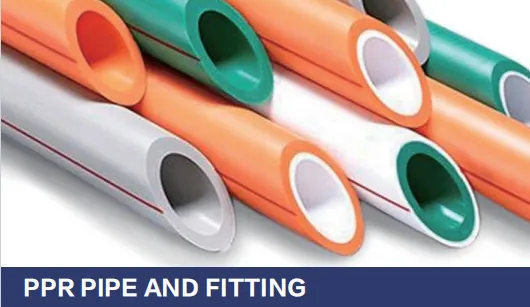
Before diving into the role of a global supplier, let's start with the basics: what exactly are PPR pipes and fittings, and why have they become a go-to choice in modern construction? PPR, or Polypropylene Random Copolymer, is a type of plastic piping material known for its unique blend of strength, flexibility, and chemical resistance. Unlike traditional materials like galvanized steel or copper, PPR pipes are engineered to withstand high temperatures, corrosion, and daily wear and tear—making them ideal for both hot and cold water systems, as well as industrial fluid transport.
One of the standout features of PPR pipes is their seamless installation. Thanks to their heat-fusion joining method, they create leak-proof connections that eliminate the risk of drips or pressure loss over time. This not only reduces maintenance costs but also ensures long-term reliability—a crucial factor for residential and commercial building materials suppliers aiming to deliver value to clients. Additionally, PPR is lightweight compared to metal alternatives, making transportation and on-site handling easier, which speeds up construction timelines and cuts labor expenses.
But the benefits don't stop there. PPR pipes are inherently resistant to scale buildup and chemical corrosion, meaning they maintain water flow efficiency for decades. They're also eco-friendly, as they don't leach harmful substances into water, complying with strict health and safety standards worldwide. For projects focused on sustainability—an increasingly important trend in global construction—this makes PPR an attractive choice over materials that may degrade or contaminate over time.
In today's fast-paced construction industry, clients don't just want products—they want solutions. A top-tier PPR pipe and fitting supplier understands this, which is why they go beyond merely delivering boxes of pipes. Instead, they act as collaborative partners, working closely with architects, engineers, and contractors to tailor offerings to each project's specific requirements. Whether it's a high-rise residential complex in Riyadh, a luxury hotel in Dubai, or a commercial office park in Singapore, the right supplier doesn't just sell; they problem-solve.
Take, for example, a residential building materials supplier tasked with outfitting a 50-story apartment tower. The plumbing system here needs to handle varying water pressure across floors, resist temperature fluctuations from hot water systems, and fit within tight wall cavities. A one-size-fits-all approach won't work. Instead, the supplier might recommend a range of PPR pipe diameters, from 20mm for individual units to 110mm for main risers, paired with specialized fittings like elbows, tees, and reducers designed for vertical installations. They might also provide technical support, sharing installation guides and on-site training to ensure the construction team can fuse the pipes correctly—minimizing errors and rework.
For commercial projects, the challenges are often even more complex. Imagine a large shopping mall with multiple food courts, restrooms, and HVAC systems. Here, PPR pipe and fitting solutions need to integrate with other building systems, meet strict fire safety codes, and support high-volume water usage. A knowledgeable supplier would not only offer the right pipes but also consult on material compatibility, pressure testing protocols, and long-term maintenance plans. This level of service transforms a transactional relationship into a strategic partnership, where the supplier's success is tied directly to the project's success.
The mark of a truly exceptional PPR pipe and fitting supplier is its ability to deliver consistent quality and service, no matter where the project is located. As a global player, this means navigating diverse markets, each with its own set of regulations, cultural preferences, and logistical hurdles. From the bustling construction hubs of Saudi Arabia to the high-end residential developments in Europe, the supplier must adapt without compromising on standards.
In residential markets, for instance, the focus is often on affordability, durability, and ease of installation. Homeowners and small-scale contractors prioritize materials that will last for decades without requiring frequent repairs. In regions like Southeast Asia, where rapid urbanization is driving demand for low-rise apartments and townhouses, a residential building materials supplier might emphasize PPR's cost-effectiveness compared to copper, as well as its resistance to the humid climate—preventing issues like mold growth or pipe degradation.
Commercial building materials suppliers, on the other hand, cater to larger-scale projects with stricter requirements. In the Middle East, where commercial construction is booming, projects like hotels, airports, and healthcare facilities demand materials that meet international certifications, such as ISO, ASTM, or SASO (Saudi Arabian Standards Organization). A reputable supplier would ensure all PPR products are tested and certified to these standards, providing clients with the documentation needed to pass inspections and secure project approvals. This attention to compliance isn't just about following rules; it's about building trust with clients who need to be confident their materials will perform in high-stakes environments.
To truly appreciate the value of PPR pipes and fittings, it helps to see how they stack up against other common plumbing materials. Below is a comparison table that breaks down key factors like cost, durability, installation, and maintenance—showing why PPR has become a preferred choice for both residential and commercial projects.
| Material | Initial Cost | Durability (Lifespan) | Installation Complexity | Maintenance Needs | Best For |
|---|---|---|---|---|---|
| PPR Pipes | Moderate | 50+ years | Low (heat fusion, no special tools) | Minimal (resistant to corrosion/scaling) | Residential plumbing, commercial water systems, hot/cold water lines |
| Copper Pipes | High | 50+ years | High (requires soldering, skilled labor) | Moderate (prone to corrosion in acidic water) | High-end residential, historic renovations |
| PVC Pipes | Low | 25-40 years | Low (glue or threaded connections) | Moderate (can become brittle in cold temperatures) | Drainage systems, cold water lines only |
| Galvanized Steel | High | 20-50 years | High (threaded connections, heavy lifting) | High (prone to rust and scaling, reduces water flow over time) | Older buildings, industrial applications (being phased out) |
As the table shows, PPR strikes a balance that's hard to beat: it offers the longevity of copper at a more affordable price, the ease of installation of PVC without the temperature limitations, and far lower maintenance needs than galvanized steel. For a one-stop architectural solution provider, this versatility is key—it means PPR can be recommended across a wide range of projects, from budget-friendly residential builds to high-spec commercial developments.
Operating as a global PPR pipe and fitting supplier isn't without its hurdles. Supply chains can be disrupted by geopolitical tensions, shipping delays, or raw material shortages. Local regulations vary widely—what's acceptable in Saudi Arabia might not meet standards in Europe, and vice versa. And with construction timelines often tight, any delay in material delivery can have cascading effects on costs and deadlines. So, how does a top supplier navigate these challenges?
First and foremost, quality control is non-negotiable. From the moment raw polypropylene resin arrives at the manufacturing facility to the final inspection before shipping, every step is monitored. Reputable suppliers invest in state-of-the-art testing labs, where pipes are subjected to pressure tests, temperature cycling, and chemical resistance checks. This ensures that every batch meets not just national standards but the most stringent international ones, like Germany's DIN 8077/8078 or the EU's EN 15874. For clients in regions with strict regulations—such as hospitals or schools, which demand materials that prioritize safety—this commitment to quality is a dealbreaker.
Logistics is another critical piece of the puzzle. Shipping large quantities of pipes across oceans requires careful planning. A global supplier might maintain regional warehouses, strategically located in key markets like the Middle East, Southeast Asia, and Europe, to reduce lead times. They might also partner with reliable freight forwarders who specialize in construction materials, ensuring that pipes are properly packaged to prevent damage during transit. For urgent projects, they might even offer air freight options, though this is less common for bulky items like pipes—but the flexibility to adapt is what sets great suppliers apart.
Compliance is equally important. Each country has its own certification requirements, from product testing to environmental standards. A supplier with global reach stays ahead of these by maintaining a team of regulatory experts who track changes in local laws. For example, in Saudi Arabia, products must often carry the SASO mark, while in the EU, CE certification is mandatory. By proactively obtaining these certifications, the supplier ensures that clients don't face delays due to paperwork or regulatory roadblocks.
While PPR pipes and fittings are a core offering, the most successful building materials suppliers understand that clients prefer convenience. Instead of juggling multiple vendors for different products, they want a single partner who can meet all their needs. That's why leading suppliers position themselves as one-stop architectural solution providers, offering a comprehensive range of materials that complement their PPR offerings.
For example, a client working on a residential development might need not just PPR pipes for plumbing but also flooring solutions, wall panels, and even sanitary fixtures. A one-stop supplier can deliver all these, streamlining the procurement process and ensuring consistency in quality across materials. This approach saves clients time, reduces administrative overhead, and fosters stronger relationships—after all, when a supplier can be trusted with multiple aspects of a project, they become an indispensable part of the team.
Of course, expanding into other product lines doesn't mean diluting focus on PPR expertise. The best one-stop providers maintain deep specialization in their core offerings while carefully vetting additional products to ensure they meet the same high standards. Whether it's WPC wall panels for interior design, terrazzo tiles for flooring, or PVC pipes for drainage systems, every product is chosen for its quality, durability, and alignment with client needs. This balance of breadth and depth is what makes a supplier truly invaluable in the competitive world of international construction.
The construction industry is evolving, and so too are the materials that power it. As sustainability becomes a top priority for governments, developers, and consumers alike, PPR pipe and fitting suppliers are investing in innovations that reduce environmental impact. For instance, some are exploring recycled polypropylene materials, creating pipes that maintain performance while lowering reliance on virgin plastics. Others are developing thinner-walled pipes that use less material without sacrificing strength—a win for both cost and sustainability.
Smart technology is also playing a role. Imagine PPR pipes embedded with sensors that monitor water flow, pressure, and temperature in real time, sending data to a central system. This could allow building managers to detect leaks early, optimize water usage, and predict maintenance needs—saving money and reducing waste. While this technology is still emerging, forward-thinking suppliers are already collaborating with tech companies to bring these solutions to market.
As urbanization continues to drive demand for new construction, especially in fast-growing regions like the Middle East and Asia, the role of the global PPR pipe and fitting supplier will only become more important. By staying ahead of trends, prioritizing quality, and embracing the role of a strategic partner, these suppliers won't just meet the needs of today's construction projects—they'll help shape the buildings of tomorrow.
At the end of the day, construction is about more than bricks and mortar—it's about creating spaces where people live, work, learn, and thrive. Every pipe, fitting, and material choice contributes to that vision. For a PPR pipe and fitting supplier with global reach, the mission is clear: to provide the reliability, innovation, and service that turn blueprints into reality. Whether serving a small residential renovation or a mega commercial project, the best suppliers understand that their work is foundational to the built environment.
So, when you choose a PPR pipe and fitting supplier, you're not just choosing a product—you're choosing a partner. A partner who understands the complexities of global construction, who prioritizes quality over shortcuts, and who is committed to your project's success as much as you are. In a world where so much depends on the reliability of building materials, that partnership is more than valuable—it's essential. And as the construction industry continues to grow and evolve, these suppliers will be right there, building the future, one pipe at a time.
Recommend Products












