
Imagine walking into your home after a long day, turning on the faucet, and being greeted by a steady stream of clean water. Or picture a busy restaurant kitchen where chefs rely on consistent water flow to prepare meals, or a hospital where sterile plumbing systems are literally a matter of life and death. These everyday moments—often taken for granted—hinge on one critical component: a reliable plumbing system. At the heart of that system lies the choice of pipes and fittings, and perhaps even more importantly, the supplier behind them. Today, we're focusing on PPR (Polypropylene Random Copolymer) pipes and fittings, a modern solution transforming plumbing in residential and commercial spaces alike. But we're not just talking about the product—we're diving into what makes a PPR pipe and fitting supplier truly exceptional, with a spotlight on after-sales service that turns short-term transactions into long-term trust.
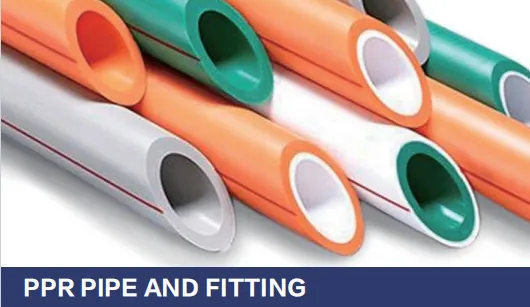
Let's start with the basics: What exactly is a PPR pipe, and why has it gained such traction in construction projects across Saudi Arabia and beyond? PPR pipes are made from polypropylene random copolymer, a material celebrated for its unique blend of flexibility, strength, and heat resistance. Unlike traditional copper pipes that corrode over time or galvanized steel that's prone to rust, PPR pipes are designed to stand the test of time—often lasting 50 years or more with proper installation.
One of the most compelling advantages of PPR pipes is their adaptability. They handle both hot and cold water systems with ease, making them ideal for everything from residential bathrooms to commercial kitchens. Think about a hotel where guests expect hot showers at all hours, or a school where children wash their hands dozens of times a day—PPR pipes maintain their integrity even under constant temperature fluctuations. Their smooth inner surface is another hidden win: it prevents the buildup of scale and sediment, ensuring consistent water pressure and reducing the risk of clogs. For homeowners and facility managers, that means fewer plumber visits, lower maintenance costs, and peace of mind.
But here's the thing: not all PPR pipes are created equal. The quality of raw materials, manufacturing processes, and testing standards vary widely between suppliers. A subpar PPR pipe might save you money upfront, but it could lead to leaks, bursts, or premature failure down the line—costing far more in repairs and downtime. That's where choosing the right PPR pipe and fitting supplier becomes non-negotiable.
When you're in the market for PPR pipes and fittings, you're not just buying a box of materials—you're investing in the infrastructure of your space. A reputable supplier understands this and goes beyond simply delivering products. They act as a partner, guiding you through material selection, ensuring compliance with local building codes (like Saudi Arabia's strict construction regulations), and providing technical expertise when questions arise. But what truly sets a standout supplier apart is their commitment to after-sales service.
Let's be honest: most suppliers are eager to sell you their products. But when something goes wrong—say, a fitting cracks during installation or a pipe develops a leak a year later—too many suppliers vanish. That's where the rubber meets the road. A supplier that offers robust after-sales service isn't just selling pipes; they're selling confidence. They know that their reputation depends on how well their products perform in the real world, not just on paper.
Great after-sales service isn't a one-size-fits-all promise. It's a combination of tangible support systems designed to keep your plumbing running smoothly long after the sale. Here are the key elements to look for:
Of course, PPR isn't the only player in the plumbing game. You've likely heard of UPVC pipes, PEX pipes, or even traditional copper. So why choose PPR? Let's break down the differences in a way that matters for your project:
| Feature | PPR Pipes & Fittings | UPVC Pipes & Fittings | PEX Pipes & Fittings |
|---|---|---|---|
| Temperature Resistance | Handles hot water up to 95°C (ideal for showers, kitchens) | Best for cold water only (risk of warping with heat) | Good for hot water (up to 82°C), but less durable than PPR long-term |
| Pressure Handling | High pressure rating (up to 20 bar), suitable for commercial systems | Moderate pressure rating (up to 16 bar), better for drainage | Moderate pressure rating (up to 12 bar), ideal for residential use |
| Installation Ease | Heat-fused joints create leak-proof, permanent connections | Glued joints require precision; risk of leaks if not done correctly | Crimped or clamped joints; quick to install but may loosen over time |
| Durability | 50+ year lifespan; resistant to corrosion and chemical damage | 30-40 year lifespan; prone to brittleness in extreme temperatures | 40-50 year lifespan; sensitive to UV light and chemical exposure |
| Best For | Residential hot/cold water, commercial kitchens, hospitals, schools | Cold water supply, drainage systems, irrigation | Residential underfloor heating, retrofits, temporary installations |
As the table shows, PPR pipes strike a balance that's hard to beat: they're durable enough for commercial use, versatile enough for residential projects, and reliable enough for critical environments like hospitals. And when paired with a supplier that offers strong after-sales service, they become an investment in your building's long-term performance.
Let's take a real-world example. A leading hospital in Riyadh was undergoing a renovation of its pediatric ward, where hygiene and safety are paramount. The project required a plumbing system that could handle constant hot water use (for handwashing stations, bathing areas) and meet strict health codes. The hospital's contractors chose a local PPR pipe and fitting supplier with a reputation for after-sales service.
During installation, the team encountered a challenge: the ward's layout required tight bends in the piping, and the contractors were concerned about maintaining water pressure. The supplier's technical team arrived on-site within 24 hours, providing custom bending guides and demonstrating how to fuse joints in confined spaces. A year later, during a routine inspection, a minor leak was discovered in a fitting. The supplier honored their warranty, replacing the part at no cost and sending a technician to ensure the repair was done correctly. Today, the pediatric ward's plumbing system runs flawlessly, and the hospital has since recommended the supplier to other healthcare facilities in the region.
While PPR pipes are a standout choice for many applications, the best suppliers understand that projects often require a mix of materials. For example, a residential complex might use PPR for internal water lines, UPVC pipes for drainage, and PEX pipes for underfloor heating systems. A supplier that also offers PEX pipe and fitting supplier services, along with UPVC pipe supplier options, simplifies your workflow by letting you source everything from a single partner.
This one-stop approach isn't just about convenience—it's about consistency. When all your plumbing materials come from the same supplier, you can trust that they're tested to work together, reducing compatibility issues. Plus, you'll benefit from unified after-sales service: one point of contact for warranties, technical support, and spare parts, no matter which product you're using.
The plumbing industry is evolving, and the best PPR pipe and fitting suppliers are evolving with it. Today's projects demand more than just durability—they require sustainability, too. PPR pipes are already eco-friendly: they're 100% recyclable, lead-free, and energy-efficient to produce. But forward-thinking suppliers are taking it further, investing in recycled materials, water-saving fittings, and even smart plumbing systems that monitor flow and detect leaks in real time.
In Saudi Arabia, where water conservation is a priority, these innovations are particularly valuable. Imagine a residential building where PPR pipes are paired with smart sensors that alert the maintenance team to a dripping faucet before it becomes a flood, or a commercial complex using PPR's heat retention properties to reduce energy use for hot water systems. These are the possibilities when you partner with a supplier focused on the future.
So, how do you separate the average suppliers from the exceptional ones? Here are five critical questions to ask before signing on the dotted line:
At the end of the day, plumbing is more than just pipes and fittings—it's the foundation of a functional, comfortable, and safe space. Whether you're building a family home, a bustling office, or a life-saving hospital, the choice of PPR pipe and fitting supplier will impact your project for decades. By prioritizing quality materials, technical expertise, and robust after-sales service, you're not just investing in plumbing—you're investing in peace of mind.
So, the next time you turn on that faucet or flush that toilet, take a moment to appreciate the silent work of your plumbing system. And remember: behind every reliable drop of water is a supplier who cares as much about your satisfaction as they do about their products. Choose wisely, and build something that lasts.
Recommend Products












