
It's a Tuesday morning, and Maria, the project manager of a mid-rise residential complex in Riyadh, is staring at a email she never wanted to receive. "Urgent: Water damage in Units 304, 405, and 502. Suspected pipe leak in the main supply line." Her heart sinks. The building is barely a year old—how could this happen? A quick inspection reveals the culprit: thin, brittle pipes that cracked under normal water pressure. The contractor had opted for a cheaper, uncertified PPR pipe brand to cut costs. Now, Maria is facing weeks of repairs, angry residents, and a budget that's spiraling out of control. Sound familiar? For anyone involved in construction or renovation—whether you're a homeowner, contractor, or project manager—stories like Maria's are a stark reminder of one critical truth: when it comes to plumbing, the quality of materials isn't just a detail. It's the foundation of a project's success. And at the center of that quality lies something often overlooked but absolutely non-negotiable: material certification. Today, we're diving deep into why material certification matters, especially when choosing a PPR pipe and fitting supplier, and how the right ppr pipe and fitting solutions can save you from headaches, heartaches, and heaps of unplanned expenses.
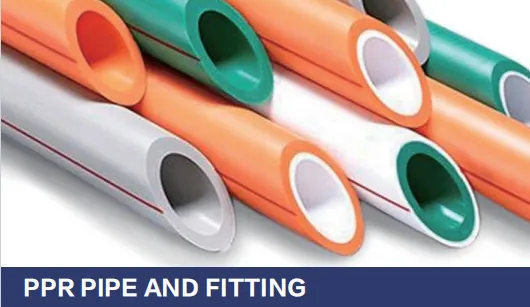
Before we get into certification, let's make sure we're all on the same page about what PPR pipes are and why they've become a go-to choice in modern plumbing. PPR, or Polypropylene Random Copolymer, is a type of plastic pipe that's gained massive popularity over the past decade— and for good reason. Unlike traditional metal pipes (which rust) or older plastic options (which can crack under heat), PPR pipes are lightweight, flexible, and resistant to corrosion, scale, and high temperatures. They're also incredibly durable, with a lifespan of 50+ years when installed correctly. That's why you'll find them in everything from residential homes and commercial buildings to hospitals, schools, and industrial facilities. They're used for hot and cold water supply systems, heating networks, and even in some industrial fluid transport applications. But here's the catch: not all PPR pipes are created equal. The difference between a reliable PPR pipe and a shoddy one often comes down to one thing: certification.
Let's be honest: construction projects are expensive. Budgets are tight, deadlines are tight, and it's tempting to save a few thousand dollars by choosing a cheaper pipe option. But what if that "savings" ends up costing you 10 times more down the line? Uncertified PPR pipes are usually made with low-quality raw materials—often recycled plastic that's mixed with impurities like lead, cadmium, or other harmful chemicals. These impurities weaken the pipe's structure, making it prone to cracks, leaks, and even bursts. And the consequences? Let's break them down:
Take the example of a school in Jeddah that opened in 2020. To stay under budget, the contractors used uncertified PPR pipes for the bathroom and kitchen facilities. By 2022, parents were complaining about strange odors in the water, and tests revealed high levels of lead. The school had to close temporarily, replace all pipes, and pay for medical check-ups for students. The total cost? Over three times what they'd saved by choosing cheap pipes. Certification isn't just a piece of paper—it's a promise that the product has been tested, vetted, and proven to meet safety and performance standards. And that promise is worth its weight in gold.
So, what exactly is material certification? In simple terms, it's a third-party verification that a product meets specific quality, safety, and performance standards. For PPR pipes and fittings, certification involves rigorous testing by independent organizations to ensure the materials are safe, durable, and fit for purpose. Let's break down the key standards and what they cover:
But certification isn't just about meeting minimum standards—it's about consistency. A certified PPR pipe and fitting supplier doesn't just get their products tested once; they have ongoing quality control processes to ensure every batch meets the same high standards. This means when you order from them, you know you're getting the same reliable product every time. To put it in perspective, think of certification like a food safety label. You wouldn't buy a can of soup with no expiration date or safety seal, right? Why would you take chances with the pipes that carry water through your building?
Still not convinced? Let's look at a direct comparison of certified and uncertified PPR pipes. The table below breaks down key features to show just how much of a difference certification makes:
| Feature | Certified PPR Pipes | Uncertified PPR Pipes |
|---|---|---|
| Material Purity | Made with 100% virgin PPR resin, free from harmful additives | Often contains recycled plastic, lead, or other impurities |
| Pressure Resistance | Tested to handle high water pressure (up to 25 bar) without bursting | Prone to cracking under normal pressure; may burst with temperature changes |
| Temperature Tolerance | Withstands hot water (up to 95°C) for decades without degrading | Softens or warps at high temperatures; lifespan drastically reduced in hot water systems |
| Chemical Resistance | Resistant to scale, corrosion, and common household chemicals | Easily corroded by chemicals; may develop leaks or blockages |
| Lifespan | 50+ years with proper installation | 3–5 years on average; may fail sooner in harsh conditions |
| Compliance | Meets international (ISO) and local (SASO) standards; passes inspections | Fails regulatory checks; may lead to project delays or fines |
Now that we've established why certification matters, let's talk about the role of the supplier. A reliable ppr pipe and fitting supplier isn't just a vendor—they're a partner in your project's success. They understand that their products are the backbone of your plumbing system, and they take that responsibility seriously. So, what should you look for when choosing a supplier? Here are the key traits to prioritize:
The first thing to ask for? Proof of certification. A reputable supplier will have no problem sharing ISO, DIN, SASO, or NSF certificates for their products. They should also be able to provide test reports from independent labs, showing the results of pressure, temperature, and chemical resistance tests. If a supplier hesitates to share this information—or claims "trust us, it's certified"—walk away. Certification is non-negotiable, and transparency is key.
Certification isn't a one-and-done process. The best suppliers have strict quality control measures in place at every stage—from sourcing raw materials to manufacturing, packaging, and shipping. Ask about their quality control protocols: Do they test every batch of pipes? Do they have in-house labs? What happens if a batch fails a test? A supplier that takes quality seriously will have clear answers to these questions.
Plumbing projects aren't one-size-fits-all. You might need pipes of different diameters, fittings for unique angles, or specialized solutions for high-pressure systems. A top-tier supplier offers a wide range of ppr pipe and fitting solutions, including elbows, tees, reducers, valves, and adapters. They should also be able to customize products to meet your project's specific needs—whether that's longer pipe lengths or unique fitting designs.
Installing PPR pipes requires skill and knowledge. A great supplier doesn't just sell you products—they provide the support you need to install them correctly. This might include technical guides, installation training for your team, or on-site support from their experts. They should also be available to answer questions after installation, whether it's about maintenance or troubleshooting. After all, even the best pipes can fail if installed improperly—so having a supplier that stands behind their products with support is invaluable.
Don't just take a supplier's word for it—check their references. Look for reviews, case studies, or testimonials from other clients, especially those in similar industries (residential, commercial, healthcare). A supplier with a long list of satisfied customers is far more likely to deliver on their promises than one with no proven track record. For example, if you're working on a hospital project, ask if they've supplied PPR pipes to other healthcare facilities. This shows they understand the unique requirements of sensitive environments—like the need for non-toxic materials, which ties back to certifications similar to those required for class a fireproof cpl inorganic board for hospital and school supplier.
While PPR pipes are a cornerstone of modern plumbing, most projects require a range of materials. That's why many leading ppr pipe and fitting suppliers also offer broader pipes fittings solutions, including complementary products like plastic valve systems, PEX pipes, or UPVC pipes. This one-stop-shop approach saves you time and hassle—instead of coordinating with multiple suppliers, you can get everything you need from a single, trusted partner. For example, a plastic valve system supplier that works with your PPR pipes ensures that the valves are compatible, reducing the risk of leaks at connection points. It also means you can rely on consistent quality and certification across all your plumbing materials.
Plumbing might not be the most glamorous part of a construction project, but it's one of the most critical. A leaky pipe or burst fitting can derail timelines, blow budgets, and even put people's health at risk. That's why material certification isn't just a "nice-to-have"—it's essential. When you choose a certified PPR pipe and fitting supplier, you're not just buying pipes; you're investing in peace of mind. You're ensuring that your project is built to last, compliant with regulations, and safe for everyone who uses it. So, the next time you're comparing suppliers, remember Maria's story. Remember the restaurant owner who had to close their doors, or the school that put students at risk. Don't let that be you. Choose a supplier who prioritizes certification, quality, and your success. After all, the best projects aren't just built with bricks and mortar—they're built with trust, reliability, and materials that stand the test of time.
Recommend Products












