
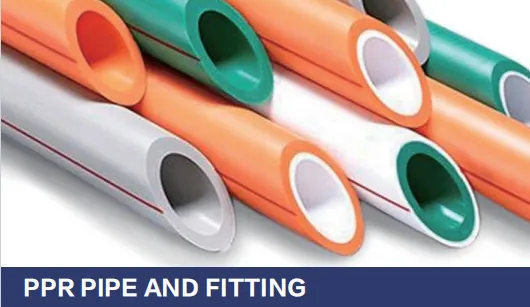
When we think about building materials, our minds often jump to grand elements like marble floors, sleek windows, or custom cabinetry. But there's a humble component working quietly behind the scenes that's just as critical to a building's functionality and safety: PPR pipes and fittings. These unassuming tubes carry clean water to our kitchens, hot water to our showers, and ensure efficient plumbing in homes, hospitals, schools, and skyscrapers. Yet, not all PPR systems are created equal. Choosing the right PPR pipe and fitting supplier can mean the difference between a plumbing system that lasts decades and one that fails catastrophically—costing time, money, and even endangering lives. So, what exactly separates a high-quality PPR pipe and fitting supplier from the rest? Let's dive in.
Before we talk about what makes a supplier stand out, let's clarify what PPR is. PPR stands for polypropylene random copolymer, a type of plastic known for its exceptional durability, heat resistance, and chemical stability. Unlike traditional metal pipes (which corrode over time) or lower-grade plastics (which can warp under heat), PPR pipes are designed to handle both hot and cold water, resist corrosion from chemicals in water, and maintain their structural integrity for years. They're also lightweight, easy to install (thanks to heat fusion welding), and eco-friendly, as they don't leach harmful substances into water. It's no wonder PPR has become the go-to choice for modern plumbing systems, whether in residential buildings, commercial complexes, or industrial facilities.
But here's the catch: The popularity of PPR has led to a flood of suppliers in the market, each claiming to offer "top-quality" products. Unfortunately, many cut corners to lower costs, using subpar materials or shoddy manufacturing processes. The result? Pipes that crack under pressure, fittings that leak, and systems that fail far earlier than promised. For homeowners, this could mean mold growth from hidden leaks; for commercial builders, it could lead to project delays, expensive repairs, and even legal liabilities. That's why choosing a reputable PPR pipe and fitting supplier isn't just a purchase—it's an investment in peace of mind.
So, how do you spot a supplier that delivers on their promises? High-quality PPR pipe and fitting suppliers don't just sell products—they provide solutions. They prioritize integrity, innovation, and customer trust. Here are the key factors that set them apart:
At the heart of any PPR system is the raw material. High-quality suppliers start with the best: 100% virgin polypropylene random copolymer resin. Virgin resin is pure, free from impurities, and engineered to meet strict industry standards for strength and heat resistance. Why does this matter? Because when suppliers use recycled or blended materials (to cut costs), they introduce unknown variables. Recycled plastic may contain contaminants, fillers, or even traces of other polymers that weaken the pipe's structure. Over time, these impurities can cause the pipe to become brittle, crack under temperature changes, or leach chemicals into the water supply.
Reputable PPR pipe and fitting suppliers are transparent about their raw materials. They'll gladly share certificates from resin manufacturers, proving the purity of their inputs. For example, leading suppliers often source resin from trusted global producers, ensuring consistency batch after batch. This commitment to virgin materials ensures the final product can withstand the rigors of daily use—whether it's carrying 80°C hot water in a hotel or cold drinking water in a school.
Even the best raw materials can be ruined by poor manufacturing. High-quality PPR pipe and fitting suppliers invest in state-of-the-art production facilities, equipped with precision extrusion lines and automated quality control systems. Let's break down what this looks like in practice:
Precision Extrusion: PPR pipes are formed by melting resin and forcing it through a die to create the pipe's shape. Advanced extrusion machines maintain exact temperature and pressure levels, ensuring uniform wall thickness throughout the pipe. Why does uniformity matter? Uneven walls can create weak spots, leading to burst pipes under high pressure. Low-quality suppliers, by contrast, may use outdated machines that produce pipes with inconsistent thickness—saving money upfront but risking failure later.
Automated Quality Checks: During production, high-quality suppliers use sensors and cameras to inspect every inch of pipe for defects like air bubbles, warping, or discoloration. If a flaw is detected, the batch is immediately flagged for review. Some suppliers even go a step further, testing samples from each production run for pressure resistance, heat tolerance, and impact strength before releasing them to the market.
Fitting Perfection: Fittings (elbows, tees, reducers, etc.) are just as critical as pipes. High-quality suppliers manufacture fittings using the same virgin resin as their pipes, ensuring compatibility and a seamless seal when welded. They also use precision molds to create fittings with tight tolerances, so they fit perfectly with pipes—no gaps, no misalignments, and no leaks.
In the world of building materials, certifications aren't just pieces of paper—they're proof that a product meets global safety and performance standards. For PPR pipe and fitting suppliers, certifications are non-negotiable, especially since these products come into contact with potable water. A high-quality supplier will hold certifications from recognized bodies like ISO (e.g., ISO 15874, which specifies requirements for PPR pipes for hot and cold water), DIN (German Institute for Standardization), or ASTM (American Society for Testing and Materials). For suppliers operating in regions like Saudi Arabia, local certifications (such as SASO, the Saudi Arabian Standards Organization) are also essential, ensuring compliance with regional regulations for building materials.
These certifications cover everything from material purity and pressure resistance to chemical safety. For example, ISO 15874 requires PPR pipes to withstand long-term exposure to water at 70°C without degradation, while SASO standards ensure products are suitable for Saudi Arabia's unique climate (high temperatures, hard water conditions). By choosing a certified supplier, you're not just getting a pipe—you're getting a product that's been rigorously tested to protect public health and safety.
Every building project is unique. A residential home may need small-diameter PPR pipes for underfloor heating, while a hospital might require large-diameter pipes for high-pressure water systems. A one-size-fits-all approach simply doesn't work. High-quality PPR pipe and fitting suppliers understand this, offering customized solutions to meet specific project requirements. This could include:
For example, a residential building materials supplier might focus on compact, easy-to-install PPR systems for home renovations, while a commercial building materials supplier would offer heavy-duty pipes and fittings for hospitals, where reliability and hygiene are paramount. The ability to adapt to these needs is a clear sign of a supplier that prioritizes customer success.
Even with the best materials and manufacturing, high-quality suppliers don't leave performance to chance. They subject their PPR pipes and fittings to a battery of tests before releasing them to the market. These tests simulate real-world conditions to ensure the product can handle whatever is thrown at it. Common tests include:
Burst Pressure Testing: Pipes are pressurized far beyond their rated capacity (e.g., 16 bar at 20°C) to ensure they don't rupture under extreme conditions.
Long-Term Hydrostatic Pressure Testing: Pipes are exposed to constant pressure and high temperatures (e.g., 95°C) for thousands of hours to simulate decades of use. This test reveals how the material ages over time.
Chemical Resistance Testing: Pipes are exposed to common water additives (like chlorine) to ensure they don't degrade or leach chemicals into the water supply.
Impact Resistance Testing: Pipes are dropped from a height or struck with a hammer to check for brittleness, especially in cold temperatures.
Low-quality suppliers, by contrast, often skip these tests to save time and money. The result? Pipes that work initially but fail after a few years of use. High-quality suppliers, however, are happy to share test results with customers, proving their confidence in their products.
A great PPR pipe and fitting supplier doesn't just sell you a product—they partner with you throughout the project lifecycle. This means offering comprehensive customer support, from pre-purchase to post-installation assistance. For example:
This level of support is a hallmark of a supplier that values long-term relationships over short-term profits. It's why many contractors and builders return to the same PPR pipe and fitting supplier for project after project—they know they'll get not just great products, but great partnership too.
| Feature | High-Quality PPR Pipe and Fitting Supplier | Low-Quality PPR Pipe and Fitting Supplier |
|---|---|---|
| Raw Material | 100% virgin PP-R resin; pure, impurity-free | Recycled or blended plastic; may contain fillers/impurities |
| Manufacturing | Automated extrusion; strict quality control; uniform wall thickness | Outdated machinery; inconsistent production; uneven walls |
| Certifications | ISO, DIN, SASO, and other international/regional certifications | No certifications or only superficial "certificates" |
| Testing | Burst pressure, long-term hydrostatic, chemical resistance tests | Minimal or no testing; products released "as is" |
| Customization | Offers tailored sizes, colors, and fittings for projects | Limited options; only standard sizes/fittings |
| Warranty | 10+ year warranty; covers material and manufacturing defects | 1-2 year warranty (or none); vague terms |
| Customer Support | 24/7 technical help, installation guides, on-site training | Minimal support; hard to reach after purchase |
It's tempting to opt for a cheaper PPR pipe and fitting supplier, especially when working with tight project budgets. But the upfront savings are often dwarfed by the long-term costs of low-quality systems. Imagine this: A commercial builder uses budget PPR pipes in a new apartment complex to save 10% on materials. Six months after completion, a pipe bursts in the third-floor unit, causing water damage to the units below. Repairs cost $50,000, and the builder faces lawsuits from homeowners. Worse, the burst pipe is traced to a weak spot caused by recycled plastic in the pipe wall—something a high-quality supplier would have caught in testing. In the end, the "cheaper" option ends up costing 10x more than investing in quality upfront.
For residential projects, the stakes are just as high. A homeowner who installs low-quality PPR pipes may face leaks behind walls, leading to mold growth (a health hazard) and costly repairs. In hospitals or schools, where water safety is critical, subpar PPR systems could even contaminate drinking water, putting lives at risk. The bottom line? When it comes to PPR pipes and fittings, you truly get what you pay for.
PPR pipes and fittings may not be the most glamorous building materials, but they're the backbone of any functional, safe plumbing system. Choosing the right PPR pipe and fitting supplier means prioritizing quality—from raw materials and manufacturing to certifications and customer support. It means partnering with a supplier that views your project's success as their own, offering not just products but solutions tailored to your needs.
Whether you're building a family home, a commercial high-rise, or a hospital, don't settle for second-best. Look for suppliers who use 100% virgin resin, hold international certifications, test their products rigorously, and stand behind their work with great support. In the end, a high-quality PPR system isn't just a purchase—it's an investment in durability, safety, and peace of mind. And that's a foundation no building should be without.
Recommend Products












