
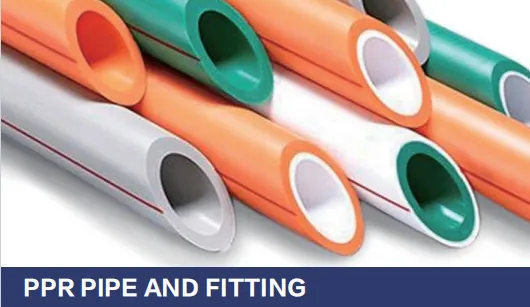
The Middle East is a region of striking contrasts—where ancient deserts meet futuristic skylines, and where the relentless sun shapes every aspect of daily life. For residents and businesses here, one of the most invisible yet critical challenges lies behind the walls and under the ground: plumbing systems that can withstand the harshest of arid conditions. Extreme temperatures, sporadic sandstorms, and the constant pressure to conserve water demand more than just "standard" pipes and fittings. They demand solutions built for resilience, efficiency, and longevity. This is where a trusted ppr pipe and fitting supplier steps in—not just as a vendor, but as a partner in crafting plumbing systems that thrive where others falter.
In countries like Saudi Arabia, the UAE, and Qatar, summer temperatures regularly climb above 45°C (113°F), while winter nights can dip to near-freezing in some inland areas. Add to that the fine, abrasive sand that finds its way into every crevice, and the need for plumbing materials that don't crack, corrode, or leak becomes non-negotiable. Water, too, is a precious resource; with scarce rainfall and high evaporation rates, even a small leak can lead to significant waste and financial loss. For a ppr pipe and fitting supplier operating in this landscape, the mission is clear: deliver solutions that don't just meet industry standards, but redefine them for the unique demands of the Middle East.
To understand why PPR pipes have become a cornerstone of Middle Eastern plumbing, we first need to unpack the challenges that make this region's plumbing needs so distinct. Let's start with the obvious: temperature extremes. Traditional metal pipes, for example, expand and contract dramatically with heat, leading to loose joints and leaks over time. PVC pipes, while popular globally, can become brittle in prolonged sunlight, cracking under the stress of daily temperature swings. In a region where replacing a section of pipe means digging through concrete or navigating complex building structures, durability isn't just a selling point—it's a cost-saving necessity.
Then there's the issue of water quality and scarcity. Many Middle Eastern countries rely on desalinated water, which, while safe to drink, can be more corrosive than freshwater due to higher mineral content. Pipes that aren't resistant to chemical corrosion can degrade from the inside out, contaminating water supplies and shortening system lifespans. Meanwhile, water scarcity means every drop counts. A single pinhole leak in a pipe can waste hundreds of liters annually—a loss that's both environmentally irresponsible and financially draining for homeowners, hotels, and industrial facilities alike.
Sand and dust are another silent enemy. In coastal areas like Dubai or Doha, salt-laden air accelerates rust in metal pipes. In inland deserts, fine sand particles can infiltrate joints and valves, causing blockages or wear. For plumbing systems, this means materials must not only resist external abrasion but also maintain smooth internal surfaces to prevent sediment buildup. When you combine all these factors—heat, corrosion, leaks, and wear—it's clear why the Middle East can't afford to cut corners on plumbing supplies. This is where the right ppr pipe and fitting solutions make all the difference.
PPR (Polypropylene Random Copolymer) pipes have emerged as a hero in the region's plumbing narrative, and for good reason. Unlike traditional materials, PPR is engineered to handle the Middle East's unique stressors. Let's break down why it's become the go-to choice for contractors, architects, and homeowners alike.
Imagine a residential building in Riyadh, where the water in pipes left exposed to sunlight can reach temperatures hot enough to scald. PPR pipes are designed to withstand continuous operating temperatures of up to 70°C (158°F) and short-term peaks of 95°C (203°F)—well above the Middle East's extreme heat. This thermal stability means no warping, no cracking, and no loss of structural integrity, even when hot water is flowing through the system or the pipes are installed in uninsulated walls or ceilings. For a ppr pipe and fitting supplier, this isn't just a feature; it's a promise that the system will perform when the mercury rises.
Arid climates aren't just about heat—they're about rapid temperature changes. A pipe that rigidly expands and contracts with every sunrise and sunset is a pipe waiting to fail. PPR's inherent flexibility allows it to absorb thermal stress without developing cracks or weak points. This is especially critical in areas prone to minor seismic activity, like parts of Iran or Turkey, where ground movement can strain rigid piping systems. Additionally, PPR is resistant to corrosion from both internal water chemistry and external elements like sand and salt, ensuring a lifespan of 50+ years with minimal maintenance. For building owners, that translates to peace of mind and long-term cost savings.
In a region where water is worth its weight in gold, leak-proof connections are non-negotiable. PPR pipes use a heat-fusion welding process that creates seamless joints—literally fusing the pipe and fitting into a single, homogeneous piece. Unlike threaded or glued connections, which can loosen over time, fusion-welded joints eliminate the risk of leaks. This isn't just about water conservation; it's about preventing costly water damage to buildings. A hotel in Abu Dhabi, for example, can't afford a hidden pipe leak that damages luxury furnishings or disrupts guest stays. With PPR, the risk of such disasters is dramatically reduced.
While PPR pipes are a star player, a reputable ppr pipe and fitting supplier knows that plumbing systems are rarely one-size-fits-all. Different applications demand different solutions, and the best suppliers offer a range of complementary products to address every need. Two such products that often work alongside PPR are UPVC pipes and PVC DWV pipes—each with its own role in creating a comprehensive plumbing network.
As an upvc pipe supplier, we recognize that UPVC (Unplasticized Polyvinyl Chloride) pipes excel in cold water distribution and non-pressure drainage systems. They're lightweight, easy to install, and highly resistant to chemical corrosion—making them ideal for transporting wastewater or rainwater in commercial buildings. In schools, hospitals, and residential complexes, UPVC pipes are often used for underground drainage lines, where their smooth internal surfaces prevent clogs and their durability stands up to soil pressure and sand abrasion. When paired with PPR for hot water lines, UPVC creates a balanced system that's both efficient and cost-effective.
Wastewater management is another critical piece of the puzzle, and here's where a pvc dwv pipe supplier adds value. PVC DWV (Drain, Waste, Vent) pipes are specifically designed to handle the demands of carrying wastewater and sewage away from buildings. They're resistant to the harsh chemicals found in household and commercial waste, and their large diameters and sloped design ensure efficient flow, reducing the risk of blockages. In high-rise buildings like Dubai's skyscrapers, where wastewater must travel long vertical distances, PVC DWV pipes' strength and rigidity prevent sagging and ensure consistent performance. When integrated with PPR and UPVC, they form a full-circle plumbing solution that covers everything from clean water delivery to waste removal.
In the Middle East, choosing a ppr pipe and fitting supplier isn't just about buying products—it's about partnering with a team that understands the region's unique challenges. The best suppliers go beyond selling pipes; they offer expertise, customization, and ongoing support to ensure their solutions work seamlessly in real-world conditions.
A luxury hotel in Bahrain has different needs than a hospital in Riyadh or a residential complex in Kuwait. A reputable supplier takes the time to assess each project's specific requirements: Is the building in a coastal area with salt exposure? Does it require hot water recirculation systems? Will the pipes be installed in exposed areas or buried underground? By asking these questions, the supplier can recommend the right combination of PPR, UPVC, and PVC DWV products, along with custom fittings or insulation options. For example, a hospital might need PPR pipes with antimicrobial properties to prevent bacterial growth, while a school could benefit from UPVC drainage systems designed for high traffic and minimal maintenance.
Even the best products fail if installed incorrectly. That's why top suppliers offer hands-on technical support. Whether it's training contractors on heat fusion welding for PPR pipes or providing guidance on slope calculations for PVC DWV systems, this support ensures that the products perform as intended. In remote areas of Saudi Arabia, for instance, a supplier might send a technical team to the job site to oversee the first phase of installation, ensuring that local contractors are comfortable with the materials and techniques. This level of partnership reduces errors, speeds up project timelines, and builds trust between the supplier and the client.
The Middle East has some of the world's strictest building codes, and for good reason. A plumbing failure in a skyscraper or a hospital isn't just an inconvenience—it's a safety hazard. Reputable suppliers invest in rigorous testing to ensure their products meet or exceed local standards, such as SASO (Saudi Arabian Standards Organization) in Saudi Arabia or ESMA (Emirates Authority for Standardization and Metrology) in the UAE. This includes testing for pressure resistance, thermal stability, and chemical corrosion, among other factors. For clients, this means peace of mind knowing that the pipes and fittings they're installing have been vetted for the region's unique conditions.
To truly understand the difference a dedicated ppr pipe and fitting supplier makes, let's look at a few real-world examples from across the Middle East.
A five-star resort in Dubai was facing frequent issues with its hot water system. The existing copper pipes were corroding due to the high mineral content in desalinated water, leading to discolored water and frequent leaks. The resort's management turned to a ppr pipe and fitting supplier for a solution. After assessing the site, the supplier recommended replacing the copper pipes with PPR pipes, citing their corrosion resistance and heat stability. The PPR pipes were fused into seamless joints, eliminating leak points, and their smooth internal surfaces reduced mineral buildup, ensuring clean water flow. Today, three years later, the resort reports zero leaks and a 20% reduction in maintenance costs—allowing staff to focus on guest experience rather than plumbing repairs.
A new residential development in Riyadh needed a plumbing system that could handle extreme temperature swings and minimize water waste. The developer partnered with a supplier offering PPR, UPVC, and PVC DWV solutions. PPR pipes were used for hot and cold water lines, leveraging their flexibility to withstand Riyadh's 40°C+ summer days and cool nights. UPVC pipes were installed for underground cold water distribution, while PVC DWV pipes managed wastewater. The result? A system that's now home to 500 families, with no reported leaks or failures in its first two years. Homeowners praise the consistent water pressure and the peace of mind that comes with knowing their plumbing can handle whatever the desert throws at it.
| Feature | PPR Pipes & Fittings | UPVC Pipes | PVC DWV Pipes |
|---|---|---|---|
| Temperature Resistance | Up to 95°C (short-term); ideal for hot water | Up to 60°C; best for cold water | Up to 60°C; designed for wastewater (non-pressure) |
| Corrosion Resistance | Highly resistant to chemicals and desalinated water | Resistant to corrosion; suitable for chemical waste | Resistant to household and commercial chemicals |
| Installation Method | Heat fusion welding (seamless joints) | Solvent cement or rubber gaskets | Solvent cement (for rigid connections) |
| Flexibility | High flexibility; absorbs thermal stress | Rigid; less prone to bending | Rigid; designed for structural stability |
| Ideal Applications | Hot/cold water lines, residential/commercial buildings | Cold water distribution, irrigation, drainage | Wastewater, sewage, vent systems |
The Middle East's plumbing needs will only grow more complex as urbanization accelerates and climate change intensifies heatwaves. For a forward-thinking ppr pipe and fitting supplier, this means constant innovation. Today, we're seeing advancements like PPR pipes with enhanced UV resistance for outdoor installations, and insulated PPR systems that reduce heat loss in hot water lines—further conserving energy. Suppliers are also exploring smart plumbing technologies, such as leak-detection sensors integrated with PPR pipes, allowing for real-time monitoring and proactive maintenance.
Sustainability is another key focus. As the region moves toward greener building practices, suppliers are developing eco-friendly PPR formulations that are recyclable and free from harmful chemicals. Water efficiency is also top of mind, with fittings designed to reduce flow rates without sacrificing performance—helping buildings meet strict water conservation regulations.
In the Middle East, plumbing isn't just about moving water—it's about building resilience. It's about ensuring that a hospital never runs out of clean water, that a family's home stays leak-free through decades of desert summers, and that businesses can thrive without the constant fear of plumbing failures. As a ppr pipe and fitting supplier, the role is to be more than a provider of products; it's to be a guardian of these essential systems.
Whether through PPR's heat resistance, UPVC's durability, or PVC DWV's reliability, the best solutions are those tailored to the region's unique challenges. They're born from a deep understanding of the desert's demands and a commitment to quality that never wavers. In the end, it's this partnership between supplier and client that turns pipes and fittings into something far more valuable: peace of mind, sustainability, and a foundation for growth in one of the world's most dynamic regions.
Recommend Products












