
A home is more than just walls and a roof—it's a sanctuary where every detail matters. From the warmth of the kitchen to the comfort of the bathroom, the spaces we cherish most rely on systems we often take for granted. Among these, plumbing stands tall as the unsung hero. Imagine waking up to a cold shower because a pipe burst overnight, or dealing with a flooded basement after a heavy rain. These headaches aren't just inconvenient; they're costly, stressful, and avoidable. The secret? Choosing the right materials from the start. For modern homeowners, this means turning to reliable partners who understand that residential plumbing isn't just about pipes and fittings—it's about peace of mind, durability, and building a home that lasts. As a residential building materials supplier focused on plumbing excellence, we know that the heart of a strong home lies in the quality of its infrastructure. Today, let's dive into why PPR pipes have become the gold standard for residential plumbing, how they stack up against other options, and why a one-stop approach to building materials makes all the difference in creating your dream home.
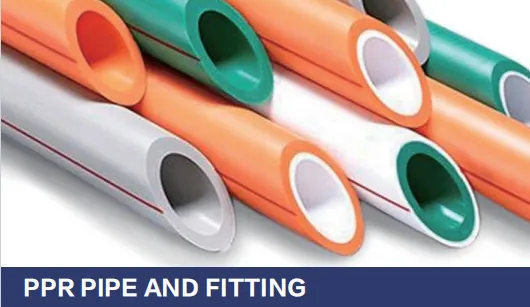
If you've ever renovated a home or built one from scratch, you've probably heard the term "PPR" thrown around by contractors. But what exactly is PPR, and why is it becoming the go-to choice for homeowners and builders alike? PPR, or Polypropylene Random Copolymer, is a type of plastic pipe designed specifically for carrying hot and cold water. Unlike older materials like galvanized steel or copper, PPR brings a unique blend of flexibility and strength that's perfect for the demands of daily life in a home.
Let's start with durability. Think about how often your home's plumbing is put to work: morning showers, laundry cycles, dishwashing, watering plants—the list goes on. PPR pipes are built to handle this constant use without breaking a sweat. They're resistant to corrosion, which means you won't have to worry about rust buildup clogging your pipes or contaminating your water. And unlike some plastic pipes that become brittle over time, PPR can withstand temperatures up to 95°C (203°F), making it ideal for both hot water heaters and underfloor heating systems. For families with young kids or busy schedules, this translates to fewer plumber visits and more time enjoying your home.
Installation is another area where PPR shines. Traditional copper pipes require soldering, which takes skill and time—and can be messy. PPR pipes, on the other hand, use a heat fusion method: simply heat the ends of the pipe and fitting, press them together, and they bond into a single, leak-proof unit. This not only speeds up the installation process (saving you money on labor costs) but also creates joints that are just as strong as the pipe itself. No more worrying about loose connections or slow drips behind the walls. As a PPR pipe and fitting supplier , we've seen firsthand how this simplicity makes PPR a favorite among both seasoned contractors and DIY enthusiasts tackling smaller projects.
But perhaps the biggest win for homeowners is PPR's cost-effectiveness over time. While it might have a slightly higher upfront cost than basic PVC, its longevity means you'll replace it far less frequently. A well-installed PPR system can last 50 years or more—longer than many mortgages! And because it's lightweight, transporting and handling PPR pipes is easier, reducing the risk of damage during construction. For families building their forever home, that's an investment that pays off in spades.
While PPR is a star player in residential plumbing, no two homes are the same. A cozy apartment might have different needs than a sprawling family house, and a renovation project could call for materials that work with existing infrastructure. That's why the best residential building materials supplier doesn't just stop at PPR—they offer a full suite of solutions to cover every corner of your home. Let's explore two other key players in the plumbing game: UPVC and PEX pipes.
If PPR is the go-to for hot and cold water lines, UPVC (Unplasticized Polyvinyl Chloride) is the MVP of drainage systems. You'll find UPVC pipes under sinks, in showers, and carrying wastewater away from your home. What makes UPVC so popular? For starters, it's incredibly resistant to chemicals and abrasion—important for handling everything from soap scum to food scraps. It's also lightweight, easy to cut, and doesn't corrode, which means your drains will stay clear and clog-free for years. As an upvc pipe supplier , we often recommend UPVC for basement drainage systems and outdoor plumbing, where durability against the elements is non-negotiable. Imagine a heavy rainstorm: with UPVC pipes, you won't have to stress about cracks or leaks undermining your home's foundation.
Now, let's talk about PEX (Cross-Linked Polyethylene), the flexible cousin in the pipe family. If you've ever tried to run pipes through a narrow wall cavity or around tight corners, you know how frustrating rigid pipes can be. PEX solves this problem with its bendable design—no elbows or joints needed for most turns! This flexibility makes it a top choice for retrofitting older homes, where tearing down walls to install new plumbing isn't an option. PEX is also resistant to freezing (it expands and contracts without cracking) and works well with both hot and cold water. As a pex pipe and fitting supplier , we've seen homeowners fall in love with PEX for bathroom remodels and kitchen upgrades, where its versatility cuts down on installation time and keeps renovation budgets in check.
| Material | Best For | Key Benefits for Homeowners | Installation Notes |
|---|---|---|---|
| PPR | Hot/cold water lines, underfloor heating | Durable (50+ year lifespan), corrosion-resistant, handles high temperatures | Heat fusion joints (leak-proof, permanent) |
| UPVC | Drainage, wastewater, outdoor plumbing | Chemical-resistant, affordable, low maintenance | Solvent cement or rubber gasket connections (easy for DIY) |
| PEX | Renovations, tight spaces, freezing climates | Flexible, freeze-resistant, quick to install | Crimp or clamp fittings (no soldering required) |
The beauty of working with a one-stop supplier is that you don't have to juggle multiple vendors to get the right materials. Whether you need PPR for your kitchen's water lines, UPVC for the basement drains, or PEX for a bathroom renovation, a trusted partner will guide you to the best choice for your home's unique needs. It's like having a plumbing expert in your corner, ensuring every part of your system works together seamlessly.
A home isn't just about what's behind the walls—it's about the surfaces you see and touch every day. That's why the best residential building materials supplier thinks beyond pipes and fittings to offer solutions that tie your entire home together. Let's talk about flooring and walls: two elements that transform a house into a home, and how they work hand-in-hand with your plumbing system.
Your floors take a beating. From muddy boots to spilled coffee, they need to be tough enough to handle daily life while still looking great. As a flooring supplier , we've seen homeowners struggle with choosing between style and practicality—until they discover options like porcelain slab tiles or luxury vinyl planks. Porcelain tiles, for example, are water-resistant, scratch-proof, and come in endless designs, making them perfect for bathrooms and kitchens (areas where plumbing and moisture are front and center). Imagine a bathroom with sleek porcelain floors that wipe clean after a shower and won't warp from humidity—paired with PPR pipes hidden behind the walls, it's a combo that's both beautiful and built to last. For living rooms and bedrooms, wood-look vinyl planks offer the warmth of hardwood without the worry of water damage, making them a smart choice for homes with kids or pets.
Walls do more than divide spaces—they insulate, protect, and set the tone for your home's design. Today's homeowners are moving beyond drywall to options that offer better performance and style. Take bamboo charcoal board wall panels, for example: they're eco-friendly, moisture-resistant, and even help purify the air. Or MCM flexible cladding stone panels, which give your home a rustic, natural look without the weight of real stone. As a walls supplier , we often recommend these materials for areas near plumbing fixtures, like behind sinks or in laundry rooms, where moisture resistance is key. Imagine a kitchen backsplash made of durable, easy-to-clean wall panels that complement your PPR water lines—both functional and stunning. The right walls and flooring don't just make your home look good; they protect your plumbing system by reducing moisture and preventing damage, ensuring your entire home works as a cohesive unit.
At this point, you might be thinking, "Okay, I know I need good pipes, flooring, and walls—but how do I choose the right supplier?" The answer is simple: look for a partner who cares about your home as much as you do. A great residential building materials supplier isn't just a vendor; they're a collaborator who guides you through every step of the process, from planning to installation.
Quality assurance is non-negotiable. You deserve materials that meet strict safety standards—like Class A fireproof boards for family homes or lead-free pipes for drinking water. A reputable supplier will test their products rigorously, so you never have to wonder if that PPR pipe will hold up to years of use. They'll also offer customization: maybe your home has unique plumbing layouts, or you want flooring that matches your grandmother's antique dresser. The best suppliers work with you to find solutions that fit your vision, not just their inventory.
Support doesn't end at delivery, either. Imagine you're mid-renovation and realize you need an extra PEX fitting—will your supplier get it to you by tomorrow, or leave you waiting? A reliable partner offers fast, responsive service, so your project stays on track. They'll also provide expert advice, like which pipe material works best with your water pressure or how to install wall panels to avoid damaging existing plumbing. For first-time homeowners, that kind of guidance is priceless.
Building or renovating a home is one of the biggest investments you'll ever make. It's not just about the money—it's about creating a space where memories are made, where your family feels safe, and where you can relax knowing everything works as it should. When it comes to plumbing, flooring, and walls, cutting corners might save you a few dollars today, but it could cost you thousands tomorrow in repairs, replacements, and stress.
Choosing the right materials—like PPR pipes for reliable water flow, UPVC for durable drainage, and stylish, moisture-resistant flooring and walls—isn't just smart; it's an act of care for your home and the people who live in it. And when you partner with a residential building materials supplier that offers one-stop solutions, you're not just buying products—you're buying peace of mind. You're ensuring that every part of your home, from the pipes under the floor to the walls around you, is built to last.
So, whether you're building your first home or renovating the one you love, remember: the best homes are built on trust—trust in the materials, trust in the process, and trust in the supplier who's with you every step of the way. After all, a home isn't just a structure—it's a story. Make sure yours is one of durability, beauty, and joy, starting with the very best building blocks.
Recommend Products












