
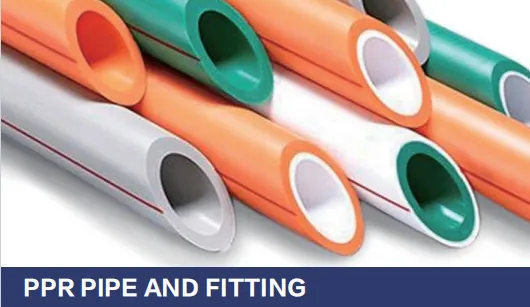
Renovating a home or commercial space is often romanticized as a journey of transformation—fresh paint, new fixtures, and updated layouts that breathe life into old walls. But behind the excitement of picking out countertops or lighting fixtures lies a less glamorous yet critical component: the plumbing. For anyone who's been through a renovation, you know the truth: plumbing retrofits can make or break the project. Unlike new construction, where pipes are laid in open walls and ceilings, renovation plumbing involves navigating tight spaces, working around existing structures, and often dealing with decades-old, corroded, or even dangerous pipes. It's a puzzle that requires not just skill, but the right materials—and that's where choosing the right PPR pipe and fitting supplier becomes a game-changer.
If you've ever found yourself staring at a tangled mess of galvanized steel pipes in a 1950s bathroom or discovered lead-lined pipes while knocking down a kitchen wall, you know the stress of renovation plumbing. The goal isn't just to replace what's there; it's to upgrade to a system that's durable, efficient, and compliant with modern codes—all while minimizing disruption to the rest of the renovation. In this article, we'll dive into why PPR (Polypropylene Random Copolymer) pipes have emerged as the unsung heroes of retrofit projects, how a trusted PPR pipe and fitting supplier can simplify the process, and why this material is quickly becoming the top choice for residential and commercial renovators alike.
Let's start with the obvious: renovation plumbing isn't new construction. When you're building a house from the ground up, plumbers have free rein. They can run pipes vertically through studs, horizontally across joists, and design layouts that prioritize efficiency. Renovations? That's a different story. You're working within the skeleton of an existing structure—walls that can't be easily moved, floors with limited access, and sometimes even historical preservation rules that restrict how much you can alter. Add to that the fact that many older homes were built with materials that are now obsolete (or even hazardous), and you've got a recipe for delays, budget overruns, and headaches.
Consider this: A friend of mine recently renovated a 1970s apartment in the city. The goal was to open up the kitchen and add a second bathroom. Sounds simple enough—until the plumber discovered that the main water line was made of galvanized steel, so corroded that it barely delivered enough pressure to fill a sink. Worse, the original pipes ran through a load-bearing wall, meaning they couldn't just tear it down. The solution? A material that could bend slightly to navigate tight corners, resist corrosion, and connect securely without requiring major demolition. After weighing options, they went with PPR pipes, and the difference was night and day. The plumber was able to snake the pipes through existing cavities with minimal cutting, and the whole project stayed on schedule. That's the power of choosing the right material—and the right supplier to back it up.
Another common issue? Outdated plumbing codes. What was acceptable 30 years ago (like using lead solder or thin-walled copper) is now illegal in most places. A renovation project can quickly hit a wall if your plumber discovers that your "minor update" requires replacing the entire main water line to meet current standards. This is where a knowledgeable residential building materials supplier becomes invaluable. They don't just sell pipes—they understand local codes, can recommend materials that check all the boxes, and help you avoid costly do-overs.
If you're not familiar with PPR pipes, you're not alone. Unlike flashy fixtures or trendy tiles, plumbing materials rarely get the spotlight. But ask any seasoned renovator or plumber, and they'll tell you: PPR (Polypropylene Random Copolymer) is quietly revolutionizing how we approach retrofit projects. Let's break down why, especially when compared to other common materials like UPVC, PEX, or copper.
First, let's talk about flexibility—both literal and figurative. UPVC pipes, while affordable, are rigid. Try bending one to fit around a floor joist or through a narrow cavity, and you'll likely end up with a cracked pipe or a need for extra fittings (which means more joints, and more potential leak points). PEX pipes, on the other hand, are flexible but can struggle with high temperatures—critical in systems that handle both hot and cold water. Copper? It's durable, but heavy, expensive, and requires soldering, which can be a fire hazard in tight, insulated spaces. PPR pipes strike a sweet spot: they're flexible enough to navigate tight bends without kinking, yet rigid enough to maintain their shape. This makes them ideal for retrofits, where every inch of space counts.
Heat resistance is another key factor. Many renovation projects involve updating kitchens and bathrooms, where hot water is a constant. PPR pipes can handle temperatures up to 95°C (203°F) and pressures up to 20 bar, making them suitable for everything from under-sink hot water lines to central heating systems. Compare that to some PEX pipes, which may start to degrade at sustained temperatures above 82°C (180°F), and you see why PPR is a safer bet for long-term reliability.
Durability is non-negotiable in plumbing, especially in retrofits where replacing pipes again in a few years isn't just inconvenient—it's costly. PPR pipes are resistant to corrosion, scale buildup, and chemical damage (from cleaning products or hard water), which means they last longer than galvanized steel or even copper in some environments. Most PPR pipes come with a 50-year lifespan guarantee, which is music to the ears of anyone investing in a renovation. After all, who wants to tear open a newly renovated wall to fix a leaky pipe in 10 years?
Installation ease is the cherry on top. Unlike copper, which requires soldering, or UPVC, which often needs glue, PPR pipes use a heat fusion process. This involves heating the pipe and fitting until the material softens, then pressing them together to form a seamless bond. The result? A joint that's as strong as the pipe itself, with no risk of leaks from loose connections or degraded glue. For plumbers working in tight spaces—like a crawl space under a 1920s home or a narrow utility closet—this simplicity saves time and reduces frustration. It also means fewer tools on-site, which is a bonus when you're already juggling ladders, drills, and drywall dust.
Choosing a PPR pipe and fitting supplier isn't just about ordering products online or picking up a few pipes from the nearest hardware store. In renovation projects, where timelines are tight and mistakes are costly, your supplier should act as a partner—someone who understands your unique challenges and provides solutions, not just inventory. Here's what to look for when vetting potential suppliers:
Plumbing codes vary by region, and they're constantly evolving. A good supplier doesn't just sell PPR pipes—they know the ins and outs of local regulations. For example, in some areas, pipes used for potable water must meet specific NSF/ANSI standards, while commercial projects may require higher pressure ratings than residential ones. A supplier who can walk you through these requirements ensures you're not hit with surprise inspections or failed permits down the line.
Not all PPR pipes are created equal. Retrofit projects come in all shapes and sizes—from a small bathroom update to a full commercial kitchen overhaul—and each may require different pipe sizes, pressure ratings, or fittings. Look for a supplier that offers a full range of PPR pipes (from 16mm for small fixtures to 160mm for main lines) and fittings (elbows, tees, couplings, valves, and even specialized parts like reducers or flanges). The more options they have, the less time you'll spend cobbling together solutions from multiple vendors.
PPR pipes are only as good as their manufacturing process. Subpar materials can lead to weak joints, cracks, or premature degradation. Reputable suppliers will provide certifications from independent bodies, such as ISO 9001 (quality management) or DIN 8077/8078 (European standards for PPR pipes). Don't be afraid to ask for documentation—any supplier worth their salt will have it readily available.
Even the best materials can fail if installed incorrectly. A great PPR pipe and fitting supplier offers more than just products—they provide technical support. This might include on-site training for your plumber on heat fusion techniques, troubleshooting guides for common installation issues, or even help with system design. For example, if you're retrofitting a multi-story building, they can advise on pressure ratings to ensure adequate water flow to upper floors.
Renovation timelines are tight, and delays in material delivery can throw off the entire schedule. Look for a supplier with a track record of on-time deliveries and a robust inventory system. The last thing you want is to tear open a wall, only to find out the 20mm PPR elbows you ordered are on backorder for a month. A good supplier will keep popular sizes and fittings in stock and communicate proactively if there are delays.
PPR pipes and fittings come in a range of types, each designed for specific applications. Understanding these differences is key to choosing the right materials for your project. Let's break down the most common varieties and how they're used in renovation projects.
| PPR Pipe Type | Pressure Rating (Bar) | Temperature Range (°C) | Common Applications | Typical Size Range (mm) |
|---|---|---|---|---|
| PN10 | 10 | 0–60 | Cold water supply lines, irrigation systems | 16–160 |
| PN16 | 16 | 0–70 | Hot and cold water systems, central heating (low temp) | 16–160 |
| PN20 | 20 | 0–80 | High-pressure hot water systems, commercial kitchens | 20–110 |
| PPR-AL-PPR (Aluminum Layered) | 16–25 | 0–95 | High-temperature heating systems, solar water lines | 20–63 |
The "PN" in PPR pipe specs stands for "Pressure Nominal," and it indicates the maximum pressure the pipe can handle at 20°C. For most residential retrofits, PN16 is the sweet spot—it's suitable for both hot and cold water lines, with a temperature range up to 70°C. If you're renovating a commercial space, like a restaurant with high-temperature dishwashers, you might need PN20 pipes, which can handle up to 80°C. For cold water only, like an outdoor hose bib or irrigation system, PN10 is often sufficient and more budget-friendly.
PPR pipes come in sizes ranging from 16mm (about the width of a pencil) to 160mm (wider than a coffee mug). In residential renovations, you'll most commonly use 20mm and 25mm pipes for fixture connections (faucets, toilets, showers) and 32mm to 63mm for main supply lines. Commercial projects, like hotels or office buildings, may require larger diameters to meet higher water demand. A good supplier will help you calculate the right size based on the number of fixtures and expected flow rate—no guesswork involved.
Pipes are only as effective as the fittings that join them. PPR fittings come in dozens of shapes and sizes, each designed for a specific job: elbows (for 90° or 45° turns), tees (to split a line into two), couplings (to connect two straight pipes), reducers (to transition between sizes), and valves (to control flow). For retrofits, specialized fittings like "push-fit" or "threaded" options can be lifesavers when connecting PPR to existing copper or galvanized steel pipes. Your supplier should carry a full range of these, along with tools like fusion machines and calibration sleeves to ensure proper installation.
Ever walked into a utility room and seen a jumble of pipes, wondering which is hot and which is cold? PPR pipes solve this with color coding: red for hot water lines and blue for cold. This simple feature saves time during installation and maintenance—no more guessing or testing with a thermometer. It's a small detail, but in a renovation where every minute counts, it's a big win.
A great PPR pipe and fitting supplier doesn't just drop off materials and disappear. They're with you every step of the way, from the initial assessment to the final pressure test. Let's walk through how this partnership works in practice.
Before a single pipe is ordered, a good supplier will work with you and your plumber to assess the project. This might involve reviewing blueprints, inspecting existing plumbing, and identifying potential challenges. For example, if you're renovating a historic home with limited wall space, they might recommend smaller-diameter PPR pipes or flexible elbows to navigate tight corners. If the existing system uses lead pipes, they can advise on proper disposal and ensure the new PPR pipes meet lead-free standards.
Not every renovation needs the same pipes. A family updating a bathroom might only need PN16 pipes for hot and cold water, while a commercial bakery with high-temperature washdown systems would require PN20 or aluminum-layered PPR pipes. Your supplier will help you select the right type, size, and quantity, avoiding over-ordering (which wastes money) or under-ordering (which causes delays).
Even with careful planning, surprises happen. Maybe the plumber discovers a hidden beam that blocks the planned pipe route, or the existing water pressure is higher than expected. A responsive supplier will send a technical rep to the site to troubleshoot—recommending a different fitting, adjusting the pipe size, or even expediting a special order if needed. This level of support turns potential disasters into minor hiccups.
After installation, a good supplier doesn't just say goodbye. They may offer to inspect the system, run pressure tests, or provide documentation for your records (useful for insurance or future renovations). Some even offer warranties that cover both materials and installation—though this often requires using their recommended plumbers or certified installers.
The Challenge: A family in Chicago was renovating their 1960s kitchen, which still had galvanized steel pipes. The plumber discovered severe corrosion, with several leaks hidden behind the walls. The renovation timeline was tight—they needed the kitchen functional in 6 weeks for a family reunion.
The Solution: Their PPR pipe and fitting supplier conducted a site visit, recommended PN16 pipes (suitable for hot/cold water) and provided a detailed material list, including 25mm pipes for the main line and 20mm for fixture connections. They also suggested using 90° elbows with a "short radius" design to fit through the narrow wall cavities between studs.
The Outcome: The heat fusion installation was completed in 3 days (half the time estimated for copper pipes). The supplier expedited delivery of a specialized reducer fitting when the plumber discovered the main water line was a larger diameter than expected. The system passed pressure tests with flying colors, and the kitchen was ready for the reunion—on time and under budget.
While PPR pipes are the stars of the show in many retrofits, a comprehensive residential building materials supplier will offer complementary products to round out your plumbing system. This "one-stop shop" approach saves time and ensures compatibility between materials. Here are a few examples of how other products might integrate with your PPR pipes:
While PPR is flexible, PEX (cross-linked polyethylene) takes flexibility to another level. In renovations where pipes need to snake through extremely tight spaces—like between floor joists or behind existing cabinets—PEX can be a great complement to PPR. A supplier that offers both can help you decide where to use each: PPR for main lines (due to its higher pressure rating) and PEX for branch lines to fixtures.
PPR is ideal for pressurized water lines, but for drainage (DWV—Drain, Waste, Vent) systems, UPVC (Unplasticized Polyvinyl Chloride) is often the go-to. UPVC is rigid, affordable, and resistant to chemicals, making it perfect for carrying wastewater. A supplier that stocks both PPR and UPVC ensures you're not juggling multiple vendors for different parts of the plumbing system.
No plumbing system is complete without valves. Ball valves, gate valves, check valves—each plays a role in controlling water flow, shutting off supply for repairs, or preventing backflow. A good supplier will offer PPR-compatible valves in various sizes and materials, ensuring a seamless connection with your pipes.
Renovations are about more than just updating a space—they're about investing in the future. When you choose PPR pipes, you're not just solving today's plumbing problems; you're preventing tomorrow's. Here's why PPR is a future-proof choice:
Life changes. Maybe you'll add a second bathroom in 10 years, or install a tankless water heater that requires higher flow rates. PPR's durability and high pressure ratings mean the system can handle these upgrades without needing a full replacement. Unlike older materials like galvanized steel, which degrade over time, PPR pipes maintain their performance for decades.
Modern homeowners and businesses care about sustainability, and PPR delivers. It's made from recyclable materials, and its smooth interior reduces water flow resistance, lowering energy costs for water heaters and pumps. Plus, since PPR pipes last 50+ years, there's less waste from frequent replacements—a win for both your wallet and the planet.
Plumbing codes are only getting stricter, with a focus on safety, efficiency, and lead-free materials. PPR pipes already meet or exceed the most stringent standards (like NSF/ANSI 61 for drinking water), so you can rest easy knowing your system will comply with future regulations.
Renovating a space is a labor of love, and every detail matters. While plumbing might not be the most exciting part of the process, it's the foundation that supports everything else. Choosing the right PPR pipe and fitting supplier isn't just a practical decision—it's an investment in the success of your project. From navigating tight spaces to ensuring compliance with codes, from selecting the right materials to providing on-site support, a trusted supplier turns the stress of plumbing retrofits into a smooth, confident process.
So, whether you're updating a 1920s bungalow, a mid-century apartment, or a commercial space, remember: the best renovations aren't just about what you see—they're about what's hidden behind the walls. And when those hidden elements are PPR pipes from a reliable supplier, you can enjoy your newly renovated space with the peace of mind that comes from knowing your plumbing is built to last.
Recommend Products












