
Walk through the halls of any school, and you'll quickly realize it's more than just a building—it's a hub of activity, growth, and daily life for hundreds, if not thousands, of students and staff. From the first bell to the last, every corner hums with movement: kids rushing to class, teachers preparing lessons, cafeteria staff serving meals, and lab students conducting experiments. At the heart of all this activity? A silent but critical system: plumbing. It's the unsung hero that keeps water flowing to drinking fountains, sinks in restrooms, labs, and kitchens, ensuring the school runs like a well-oiled machine. But what happens when that system falters? A leaky pipe in the ceiling disrupts a math class. A clogged drain in the cafeteria halts lunch service. A burst pipe in the basement floods storage rooms, damaging textbooks and supplies. For educational institutions, unreliable plumbing isn't just an inconvenience—it's a disruption to learning, a risk to safety, and a drain on already tight budgets.
This is where a trusted building material supplier steps in. More than just a vendor, they're a partner in creating spaces that prioritize durability, safety, and functionality. For schools, in particular, the right supplier doesn't just deliver products—they deliver peace of mind. In this article, we'll dive into why PPR pipes and fittings have become the gold standard for educational plumbing, explore complementary solutions that enhance safety and efficiency, and showcase how a one-stop supplier can transform a school's infrastructure from a source of stress into a foundation for success. Whether you're overseeing a new school construction, a renovation, or simply looking to upgrade aging systems, this guide will show you why choosing the right materials—and the right supplier—matters.
To understand why plumbing matters in schools, let's break down a typical day. At 7:30 AM, teachers arrive, filling coffee pots in the staff lounge—water from the breakroom sink. By 8:00 AM, students start pouring in, stopping at drinking fountains to quench their thirst after the walk to school. In the science lab, Ms. Rodriguez's class is conducting a chemistry experiment, using precise amounts of water from the lab sink. At lunchtime, the cafeteria serves 500 students, with dishwashers running nonstop to clean trays and utensils. After school, the gymnasium hosts a basketball practice, and players off in the locker room showers. By 5:00 PM, custodians are mopping floors, using water to clean classrooms and restrooms, preparing for the next day.
Every step of this day relies on plumbing. But it's not just about "having water"—it's about having reliable water. For schools, plumbing systems must meet three key demands: durability (to withstand heavy, daily use), safety (to protect students and staff from contaminants), and efficiency (to keep utility costs manageable). When these demands aren't met, the consequences ripple through the entire school community. A leak under a classroom floor can lead to mold growth, triggering allergies and respiratory issues for students. A broken pipe in the kitchen can force the cafeteria to serve cold meals, leaving kids hungry and unfocused. Even a minor clog in a restroom can lead to long lines, making students late for class or, worse, avoiding restrooms altogether—a hygiene risk.
This is why educational institutions can't afford to cut corners on plumbing materials. They need solutions that are built to last, compliant with strict safety standards, and designed to handle the unique challenges of school life. And that's where PPR pipes and fittings come into play.
When it comes to plumbing for schools, not all pipes are created equal. For decades, schools relied on materials like galvanized steel, copper, or PVC. While each has its merits, they often fall short in one critical area: longevity under the demands of a busy school. Galvanized steel corrodes over time, leading to rusty water and leaks. Copper is durable but expensive and tricky to install, driving up labor costs. PVC, while affordable, can become brittle in extreme temperatures, making it prone to cracking in areas with fluctuating heat (like near radiators or in uninsulated crawl spaces).
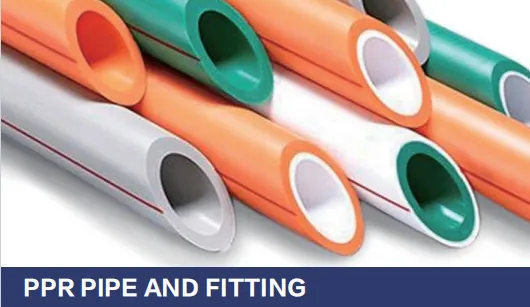
Enter PPR (Polypropylene Random Copolymer) pipes and fittings. In recent years, they've emerged as the top choice for educational institutions—and for good reason. PPR is a thermoplastic material known for its strength, flexibility, and resistance to corrosion, chemicals, and high temperatures. It's a material that checks all the boxes for schools: durable enough to handle constant use, safe enough to carry drinking water, and cost-effective enough to fit within budget constraints. Let's take a closer look at why PPR has become the go-to solution.
| Feature | PPR Pipes & Fittings | PVC Pipes | Copper Pipes |
|---|---|---|---|
| Durability | 50+ year lifespan; resistant to corrosion, scaling, and chemical damage | 20-30 year lifespan; prone to brittleness in cold/hot temperatures | 50+ year lifespan; susceptible to corrosion in acidic water |
| Installation | Heat-fused joints create seamless, leak-proof connections; fast and easy, even in tight spaces | Glued joints; requires precise fitting and drying time; risk of leaks if not applied correctly | Soldered joints; requires skilled labor; time-consuming and costly |
| Cost | Mid-range upfront cost; low maintenance expenses over time | Low upfront cost; higher long-term costs due to replacement needs | High upfront cost; expensive labor and materials |
| Corrosion Resistance | Excellent; unaffected by rust, scale, or most chemicals | Good, but can degrade in harsh chemical environments | Poor in acidic or soft water; prone to pinhole leaks over time |
| Temperature Tolerance | Can handle hot water up to 95°C (203°F), ideal for labs and kitchens | Limited to cold water or low-temperature hot water (max 60°C/140°F) | Handles high temperatures well, but heat can accelerate corrosion |
| Safety for Drinking Water | Lead-free; complies with global standards (e.g., ASTM D2846); no risk of chemical leaching | Lead-free options available, but some older PVC may contain harmful additives | Lead-free options available, but copper can leach into water in high concentrations |
As the table shows, PPR pipes and fittings outperform traditional materials in key areas that matter most to schools. But let's dive deeper into the features that make them indispensable:
While PPR pipes form the backbone of a school's plumbing system, a truly effective infrastructure requires more than just reliable water flow. Educational institutions need a holistic approach to building materials—solutions that work together to enhance safety, durability, and student well-being. A one-stop supplier understands this, offering not just PPR pipes, but a range of complementary products designed to address every corner of a school, from walls to floors to restrooms. Let's explore three key categories that elevate a school's infrastructure:
Fire safety is non-negotiable in schools. With hundreds of students and staff in one building, the risk of fire requires materials that don't just resist flames but actively slow their spread. This is where Class A fireproof CPL (Continuous Pressure Laminate) inorganic boards shine. These boards are made from inorganic materials (like magnesium oxide) and reinforced with fiberglass, giving them a Class A fire rating—the highest possible, meaning they're non-combustible and won't contribute to fire growth.
For schools, Class A fireproof boards are a versatile solution. They're ideal for wall cladding in corridors, classrooms, and stairwells—areas where fire can spread quickly if not contained. They're also perfect for labs, where chemicals or Bunsen burners increase fire risk, and for ceiling panels, which can act as a barrier to prevent flames from spreading between floors. Unlike traditional drywall, which crumbles and burns in high heat, CPL inorganic boards maintain their structural integrity, giving students and staff valuable time to evacuate.
But fire resistance isn't their only benefit. These boards are also moisture-resistant, making them suitable for humid areas like swimming pool changing rooms or art rooms where water-based paints are used. They're easy to clean (a quick wipe with a damp cloth removes graffiti or stains) and durable enough to withstand the inevitable bumps and scrapes from backpacks and furniture. For schools in regions with strict fire codes, partnering with a Class A fireproof CPL inorganic board supplier ensures compliance and peace of mind.
If plumbing is the circulatory system of a school, flooring is its skin—it covers every inch, takes the most abuse, and sets the tone for the space. Think about the traffic a school floor endures: hundreds of students running, dragging chairs, dropping books, and spilling everything from juice boxes to science projects. Add in heavy equipment like AV carts, cafeteria serving trolleys, and gym mats, and you've got a recipe for wear and tear. A flooring supplier specializing in educational settings knows this, offering solutions that balance durability, safety, and aesthetics.
For high-traffic areas like hallways and cafeterias, terrazzo tiles are a popular choice. Made from a mix of marble, granite, or glass chips set in concrete, terrazzo is incredibly hard-wearing and resistant to scratches and stains. It's also slip-resistant when properly sealed, reducing the risk of falls—a critical feature in areas where spills are common. Plus, terrazzo comes in a range of colors and patterns, allowing schools to incorporate school colors or custom designs that boost school spirit.
In classrooms, wood grain WPC (Wood Plastic Composite) flooring offers the warmth of wood without the maintenance. WPC is water-resistant, so spills from water bottles or art supplies won't warp or stain it. It's also softer underfoot than concrete, making it more comfortable for students who sit or play on the floor. For gymnasiums, rubber flooring provides shock absorption, protecting knees and joints during sports, while in libraries, carpet tiles offer sound absorption, creating a quiet space for reading.
A reputable flooring supplier doesn't just sell tiles or planks—they offer expertise. They'll assess the specific needs of each area (e.g., moisture levels in a swimming pool area vs. foot traffic in a hallway) and recommend the best material, ensuring the floor lasts for decades with minimal upkeep. For schools, this means fewer replacements, lower long-term costs, and floors that look great year after year.
School restrooms are a breeding ground for germs—high traffic, frequent use, and sometimes inconsistent cleaning make them a challenge to keep hygienic. But with the right sanitary fixtures, schools can create restrooms that are not just clean but promote healthy habits. A sanitary fixtures/bathrooms supplier specializing in education understands the unique needs of these spaces, offering products designed for durability, hygiene, and water efficiency.
Take hand sinks, for example. Touchless faucets with motion sensors reduce germ transmission—no more students touching dirty handles after washing their hands. They also save water by automatically shutting off when not in use, cutting down on utility bills. For younger students, lower sink heights and lever handles (easier to grip than knobs) make handwashing accessible and encourage compliance with hygiene routines.
Toilets and urinals are another area where innovation matters. Water-efficient models (with dual-flush options or low-flow rates) reduce water usage by up to 50% compared to older models, a significant saving for schools with hundreds of users daily. Anti-microbial coatings on toilet seats and urinal surfaces inhibit the growth of bacteria, keeping restrooms cleaner between deep cleans. And durable materials like vitreous china resist chipping and staining, ensuring fixtures look new even after years of use.
Even small details make a difference. Soap dispensers with clear reservoirs let staff monitor when refills are needed, ensuring soap is never out. Hand dryers with HEPA filters reduce bacteria in the air, while grab bars in restrooms for younger students or those with mobility needs promote safety and inclusivity. By partnering with a sanitary fixtures supplier that prioritizes these features, schools create restrooms that are not just functional but contribute to a healthier, more positive environment.
Lincoln Elementary, a 50-year-old school in a suburban district, was facing a crisis. Its plumbing system, original to the building, was failing: leaks were common, water pressure fluctuated daily, and the pipes in the basement had developed rust, leading to discolored water in drinking fountains. The district's maintenance team was spending 15+ hours a week fixing issues, and parents were raising concerns about water safety. To make matters worse, the school's walls and ceilings were showing signs of water damage, and the flooring in the cafeteria was cracked and uneven, posing a tripping hazard.
The district approved a $1.2 million renovation budget, with a tight timeline: the project had to be completed over summer break to avoid disrupting classes. They needed a supplier who could deliver PPR pipes, fireproof boards, flooring, and sanitary fixtures—all on time and within budget.
The school district partnered with a building material supplier specializing in educational institutions. The supplier conducted a thorough assessment, then proposed a holistic plan:
When students returned in the fall, Lincoln Elementary felt like a new building. The plumbing issues were gone—no more leaks, no more discolored water. Teachers reported fewer disruptions, and the maintenance team's workload dropped by 75%. The fireproof boards gave parents peace of mind, and the new flooring was a hit with students: "It's like walking on a cloud!" one third-grader exclaimed. Best of all, the project came in $50,000 under budget, allowing the district to invest the savings in new science lab equipment.
"Working with a one-stop supplier made all the difference," said the district's facilities manager. "Instead of coordinating with five different vendors, we had one point of contact, one timeline, and one warranty. It simplified the process and ensured everything worked together seamlessly."
For educational institutions, every decision about building materials is a decision about students' futures. A leaky pipe isn't just a repair bill—it's a disruption to a child's math lesson. A cracked floor isn't just an eyesore—it's a tripping hazard that could cut short a promising athletic career. A flammable wall panel isn't just a code violation—it's a risk to hundreds of lives. That's why choosing the right supplier isn't just about cost or convenience; it's about investing in a learning environment that's safe, reliable, and built to last.
PPR pipes and fittings have emerged as the cornerstone of that investment, offering durability, safety, and efficiency that traditional materials can't match. When paired with complementary solutions like Class A fireproof boards, slip-resistant flooring, and hygienic sanitary fixtures, they create a comprehensive infrastructure that addresses every need of a school. And when sourced from a one-stop supplier, these solutions work together seamlessly, reducing stress, saving time, and ensuring projects stay on budget.
At the end of the day, a school is more than bricks and pipes—it's a place where students learn, grow, and dream. By choosing materials that support that mission, we're not just building schools—we're building futures. So whether you're breaking ground on a new campus or renovating an old favorite, remember: the right supplier doesn't just deliver products. They deliver the confidence that comes with knowing your school's infrastructure is as strong as the students who walk through its doors.
Recommend Products












